
 English EN
 French FR
 German DE
 Portuguese PT
 Spanish ES
 Russian RU
 Japanese JA
 Korean KO
 Arabic AR
 Greek EL
 Turkish TR
 Italian IT
 Polish PL
 Hindi HI
 中国 CN
中国 CN
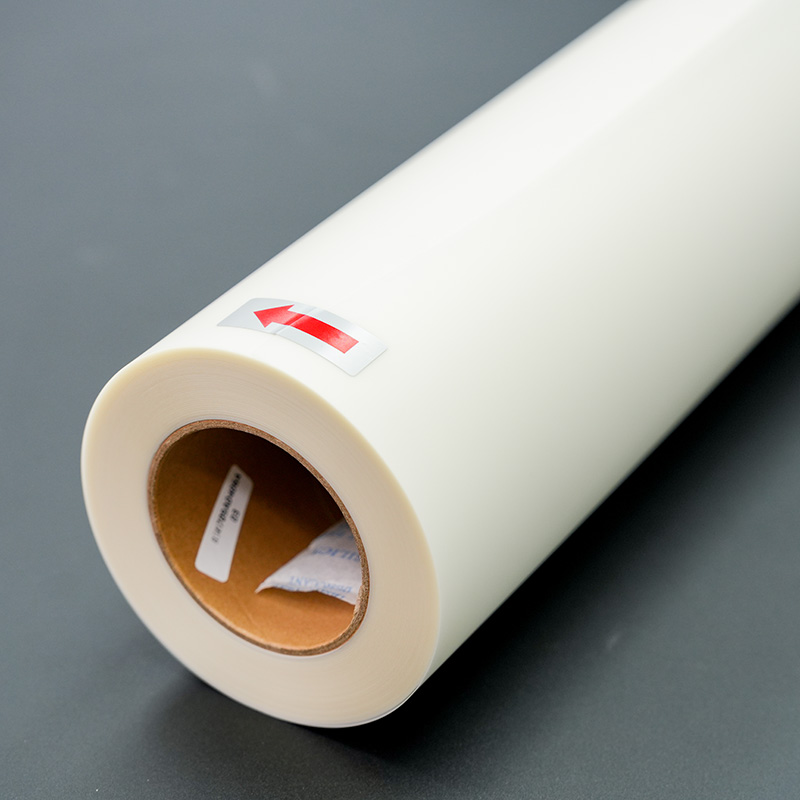
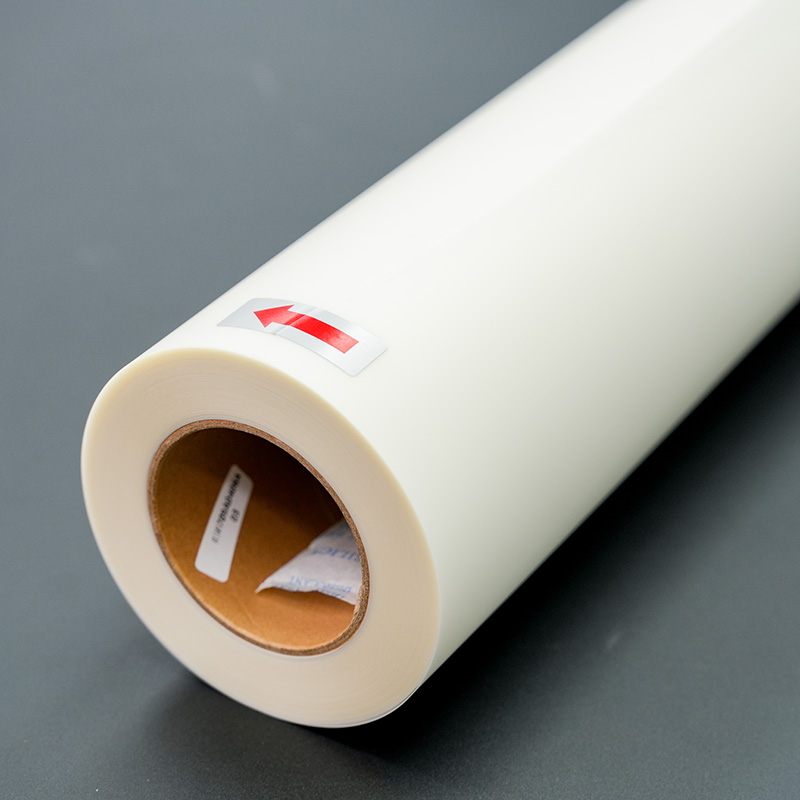
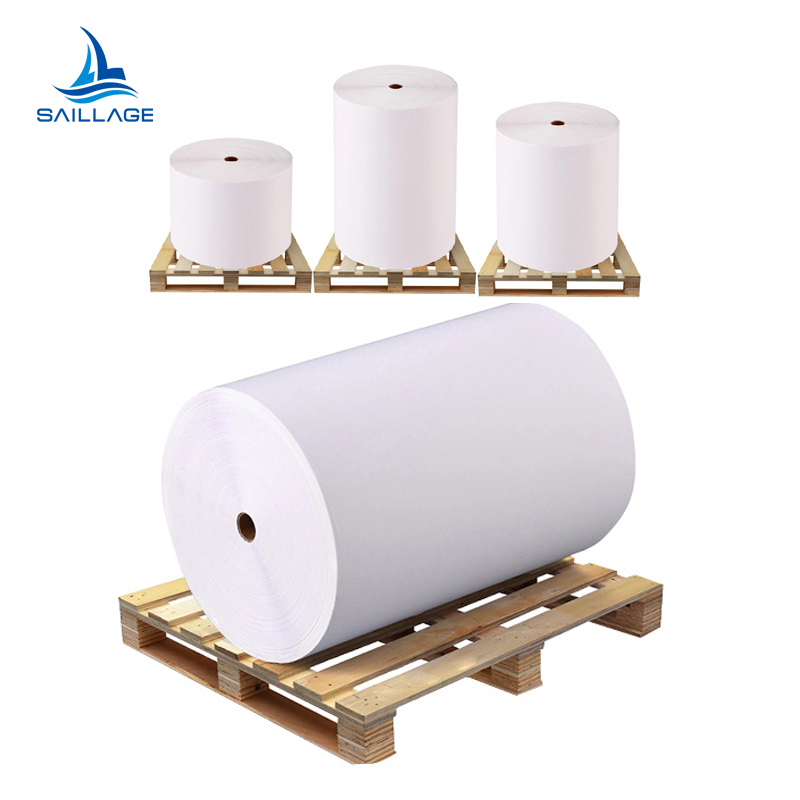
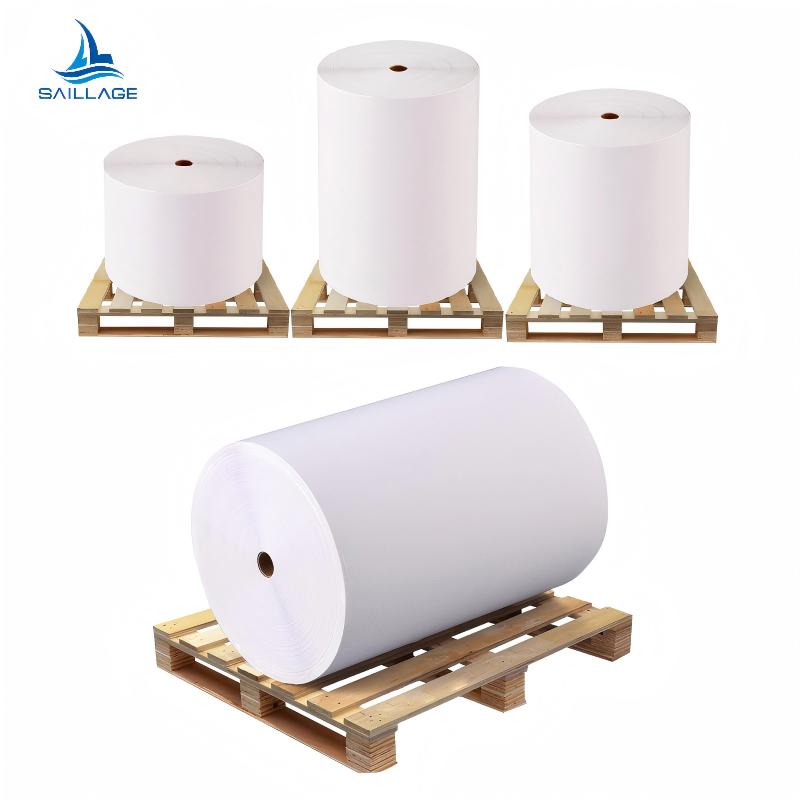
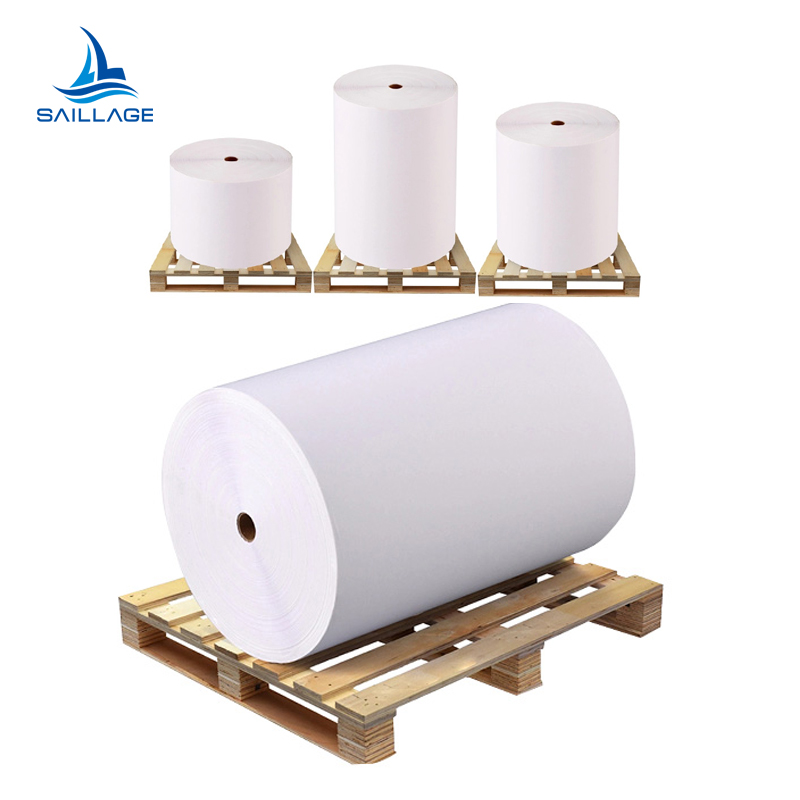
What are the Differences Between BOPP Film & BOPET Film

In the flexible packaging industry, Biaxially Oriented Polypropylene (BOPP) and Biaxially Oriented Polyethylene Terephthalate (BOPET) represent two of the most widely adopted substrate materials. While both undergo biaxial orientation to enhance mechanical and optical properties, their distinct polymer chemistries result in fundamentally different performance profiles. Understanding these differences is essential for optimizing barrier performance, mechanical durability, and cost efficiency.
1. Raw Material and Molecular Structure
The foundational distinction between BOPP and BOPET lies in their base polymers. BOPP is manufactured from isotactic polypropylene with a density of approximately 0.90 g/cm³, while BOPET is produced from polyethylene terephthalate at 1.38–1.40 g/cm³. This difference directly influences thermal behavior: BOPP has a melting point near 160–170°C, while BOPET exhibits approximately 260°C. Consequently, BOPET demonstrates superior thermal stability and dimensional integrity, whereas BOPP offers advantages in low-temperature flexibility and heat-seal compatibility.
2. Barrier Properties
Barrier performance is a critical selection criterion. BOPP excels in moisture resistance, with WVTR of 1–2 g/m²/day, making it ideal for dry food and snack packaging. However, BOPP exhibits poor oxygen barrier with OTR exceeding 2,000 cc/m²/day. BOPET provides superior gas barrier with OTR of 100–150 cc/m²/day—approximately 15–20 times lower than BOPP. When metallized or coated with AlOx or PVDC, BOPET achieves ultra-high barrier levels comparable to aluminum foil, essential for oxygen-sensitive products such as coffee, nuts, and pharmaceuticals.
3. Mechanical Strength and Thermal Stability
BOPET generally exhibits higher tensile strength—200–250 MPa versus BOPP's 100–150 MPa—and superior dimensional stability. BOPET's Young's modulus of 4–5 GPa far exceeds BOPP's ~2 GPa, enabling thinner gauges without sacrificing integrity. This makes BOPET ideal for retort pouches and industrial packaging. BOPET withstands high-temperature processing such as hot-fill (up to 85°C) and retort sterilization (121–135°C)—conditions where BOPP would soften. BOPP maintains advantages in elongation (150–200% versus 100–150%), suiting it for twist-wrap applications.
4. Optical Properties and Printability
BOPP is recognized for excellent optical clarity (>90% light transmission) and high surface gloss, enhancing graphic vibrancy. Its surface readily accepts corona treatment to 38–42 dyne/cm, supporting strong ink adhesion. BOPET offers comparable clarity with superior gloss retention under thermal stress, providing a dimensionally stable printing substrate that minimizes registration drift during high-speed multi-color printing. Acrylic-coated BOPET achieves surface energies of 48–52 dyne/cm for premium graphic applications.

5. Cost Efficiency and Sustainability
BOPP is generally more cost-effective, with raw material costs approximately 30–40% lower due to lower density and efficient production yields. Its lighter weight reduces material consumption and transportation costs, contributing to a favorable carbon footprint. BOPP also demonstrates excellent recyclability in mono-material structures. BOPET, while more expensive initially, offers lifecycle advantages in applications requiring extended shelf life or high-temperature processing. Advances in post-consumer recycled (PCR) BOPET content—reaching up to 90% in select grades—enhance its sustainability profile.
6. Comparative Summary
Property | BOPP Film | BOPET Film |
Base Polymer | Polypropylene (PP) | Polyethylene Terephthalate (PET) |
Density | ~0.90 g/cm³ | ~1.38–1.40 g/cm³ |
Melting Point | ~160–170°C | ~260°C |
Tensile Strength | 100–150 MPa | 200–250 MPa |
Oxygen Barrier (OTR) | >2,000 cc/m²/day | 100–150 cc/m²/day |
Moisture Barrier (WVTR) | 1–2 g/m²/day | 20–30 g/m²/day |
Heat Resistance | Good (up to ~120°C) | Excellent (up to ~150°C+) |
Optical Clarity | Excellent (>90%) | Excellent (>90%) |
Relative Cost | Lower | Higher |
Typical Applications | Snack packaging, labels, twist-wrap | Coffee, retort packs, pharma blisters |
7. Conclusion
While both BOPP and BOPET are indispensable in modern flexible packaging, their distinct molecular structures make them suitable for different applications. BOPP remains optimal for cost-effective, moisture-resistant packaging with excellent clarity, dominating snack foods and labels. BOPET, with superior mechanical strength, thermal stability, and gas barrier, is the choice for retort packaging, pharmaceutical blisters, and oxygen-sensitive products. By evaluating barrier requirements, thermal demands, and sustainability objectives, packaging professionals can make informed selections that maximize product protection and efficiency.
References
1. Walson Electronics. (2026). BOPP vs. PET Films: Which is the Better Choice. walson-elec.com
2. CloudFilm. (2025). BOPP vs. BOPET Film: How to Choose. cloudflexfilm.com
3. Cadillac Products. (2025). BON, BOPET, and BOPP: Comparing Top Performers. cadprod.com
4. Tapadia Polyesters. (2026). What Are BOPET Films? An Easy Guide. tapadiapolyesters.com
5. Pilcher Hamilton Corporation. (2025). Ultimate Guide to BOPET Films. pilcherhamilton.com




contact
Tel: +86 17706217416
Add: Building L2A, No. 520, Lane 1588, Zhuguang Road, Hongqiao World Center, Qingpu District, Shanghai, China
follow us: