
 English EN
 French FR
 German DE
 Portuguese PT
 Spanish ES
 Russian RU
 Japanese JA
 Korean KO
 Arabic AR
 Greek EL
 Turkish TR
 Italian IT
 Polish PL
 Hindi HI
 中国 CN
中国 CN
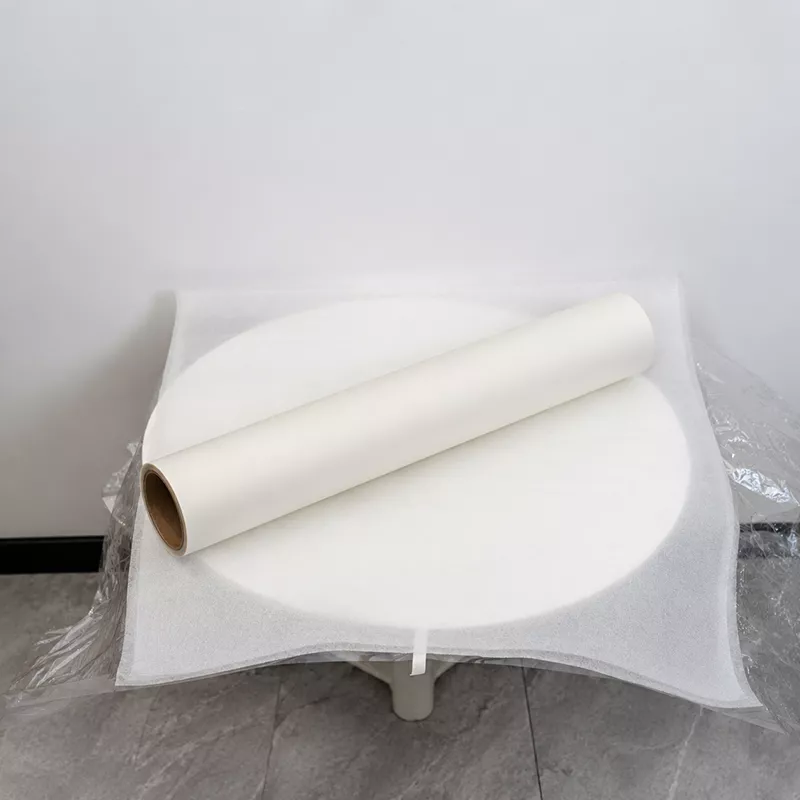
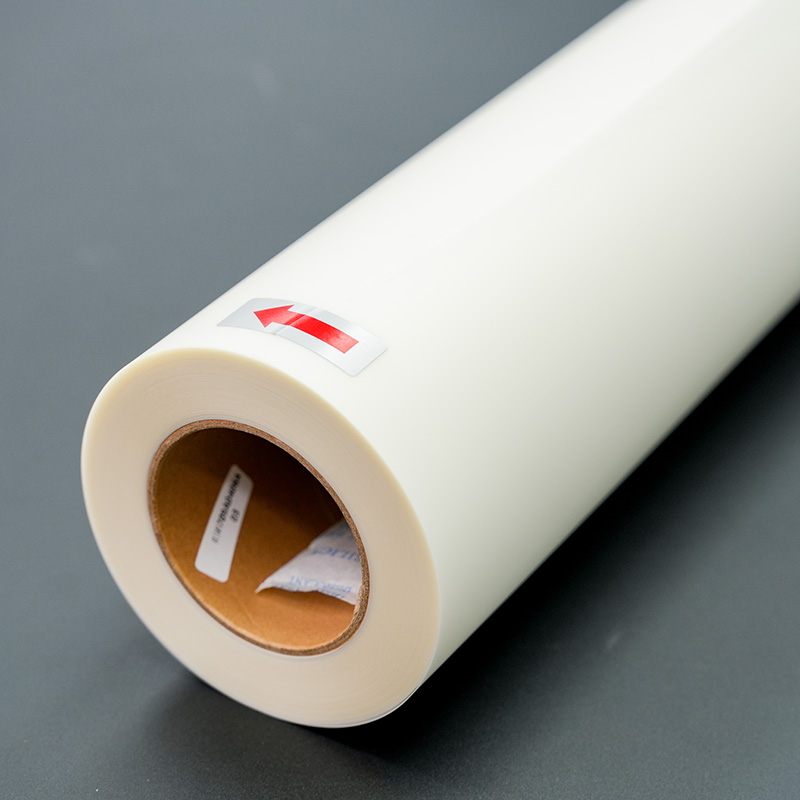
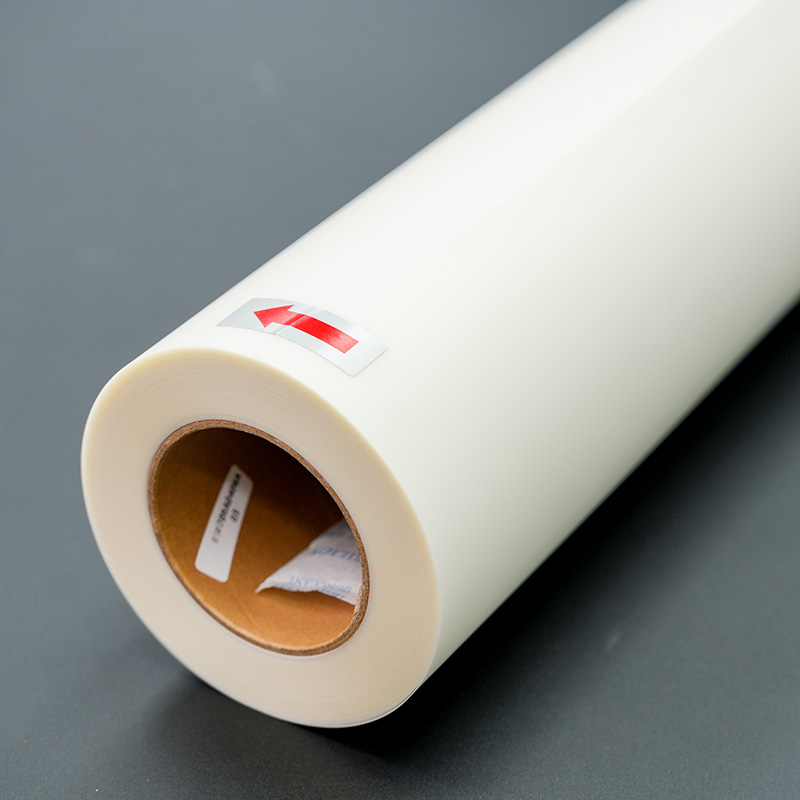
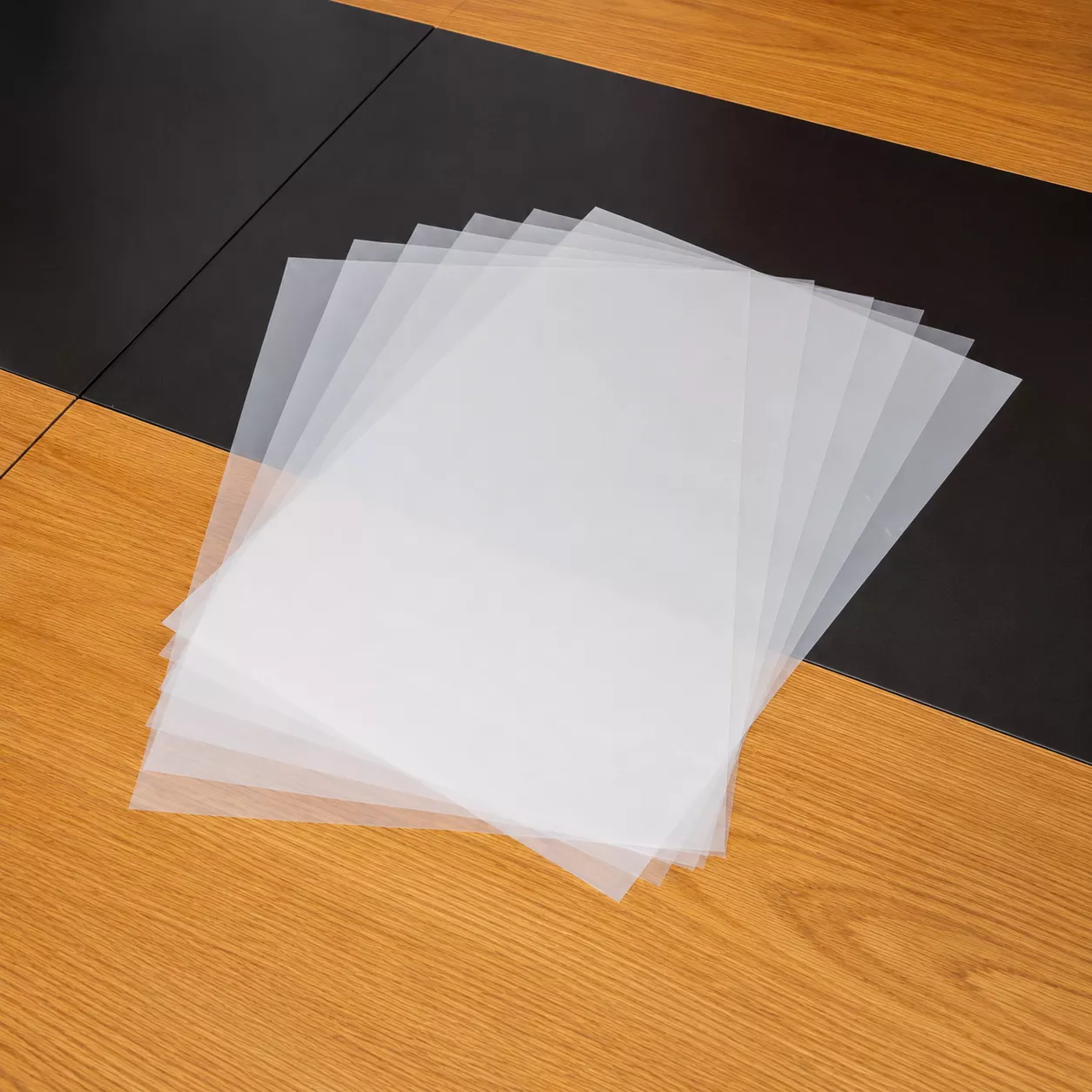
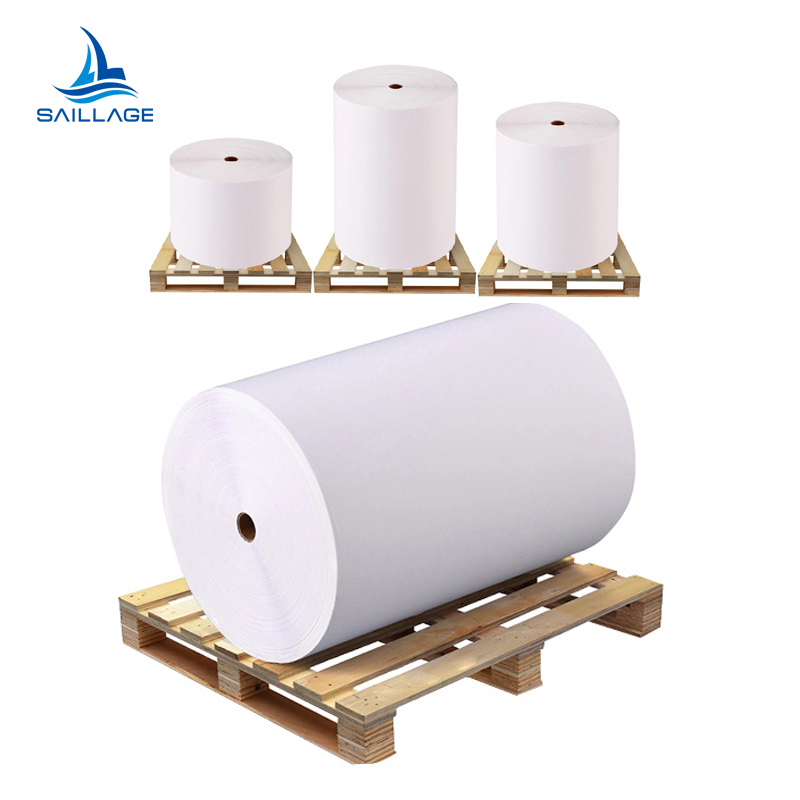
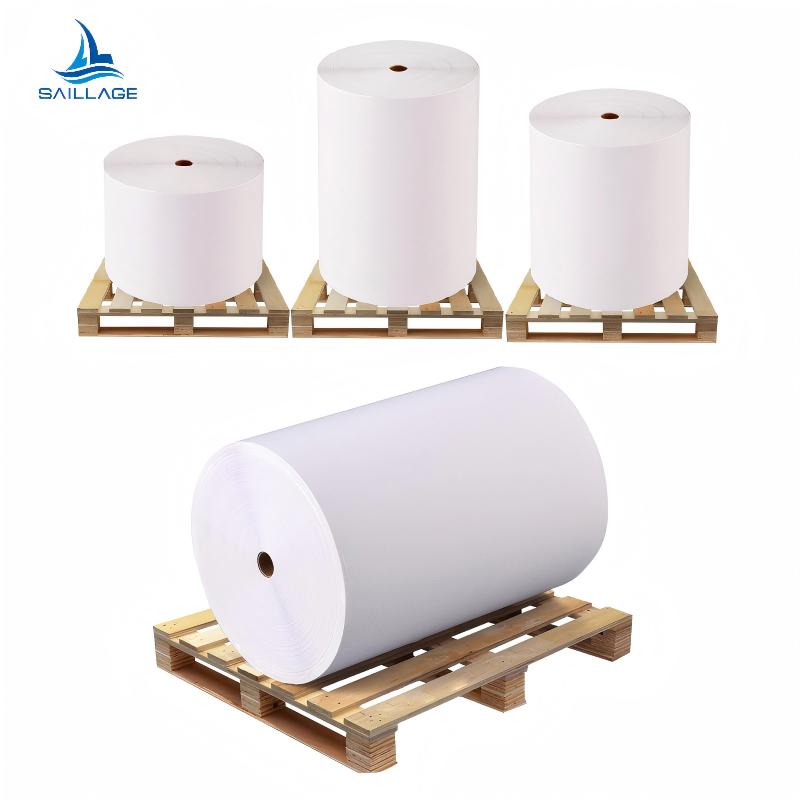
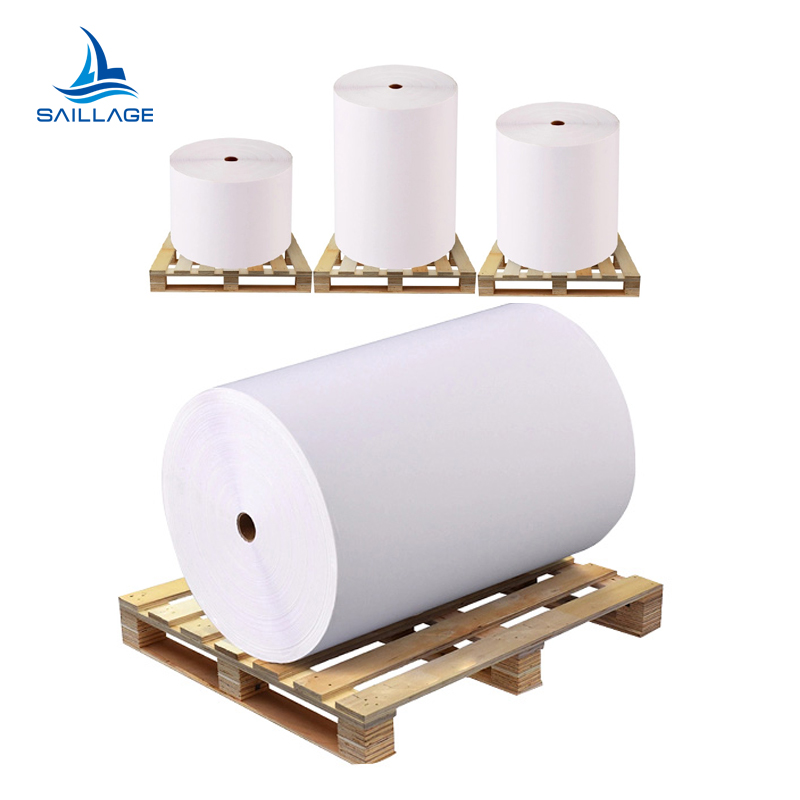
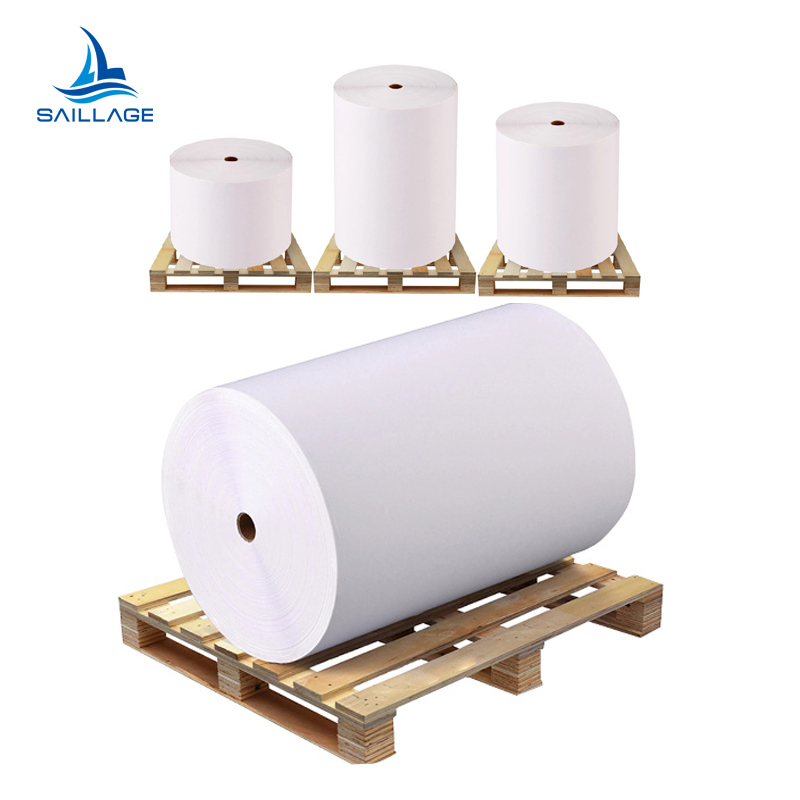
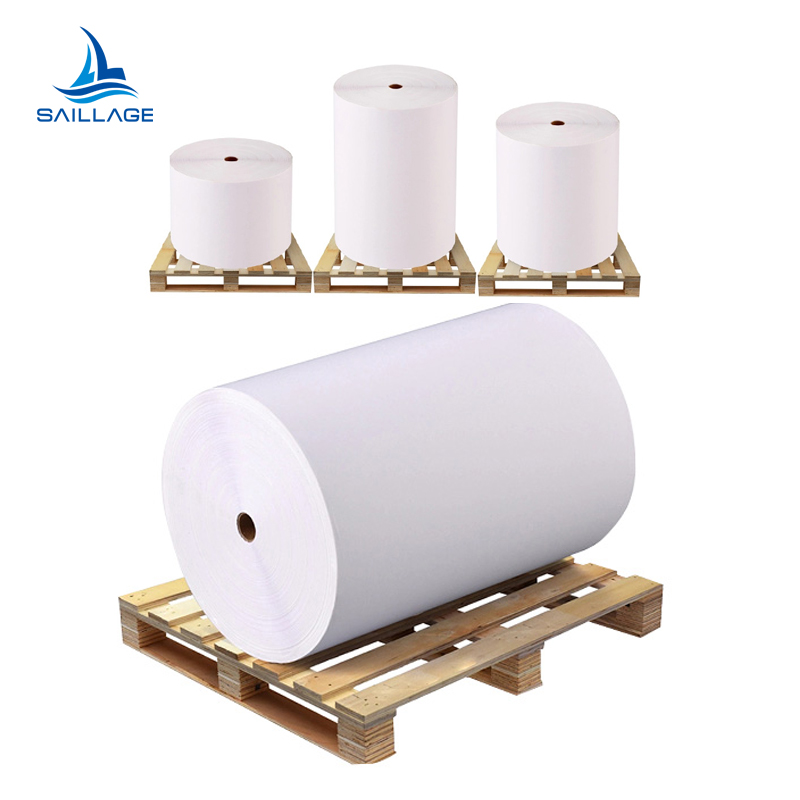
BOPP Synthetic Paper vs Real Paper and PET Synthetic Paper
Introduction: The Evolution of Synthetic Substrates
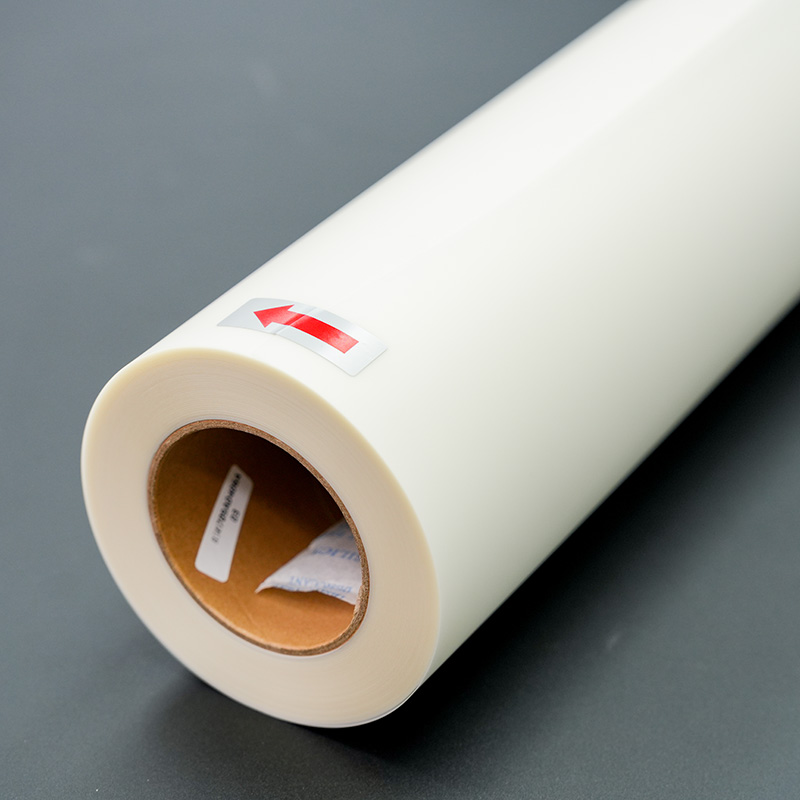
In the modern printing and labeling industry, BOPP Synthetic Paper has emerged as a transformative material that bridges the gap between traditional wood pulp paper and high-performance plastics. Manufactured from biaxially oriented polypropylene (BOPP), BOPP based Synthetic Paper offers the look and feel of conventional paper while delivering superior durability, water resistance, and tear strength. As industries increasingly demand materials that withstand harsh environments without sacrificing print quality, PET Synthetic Paper provides an alternative with distinct characteristics. Understanding the differences between these materials is essential for selecting the optimal substrate for specific applications.

What Is BOPP Synthetic Paper?
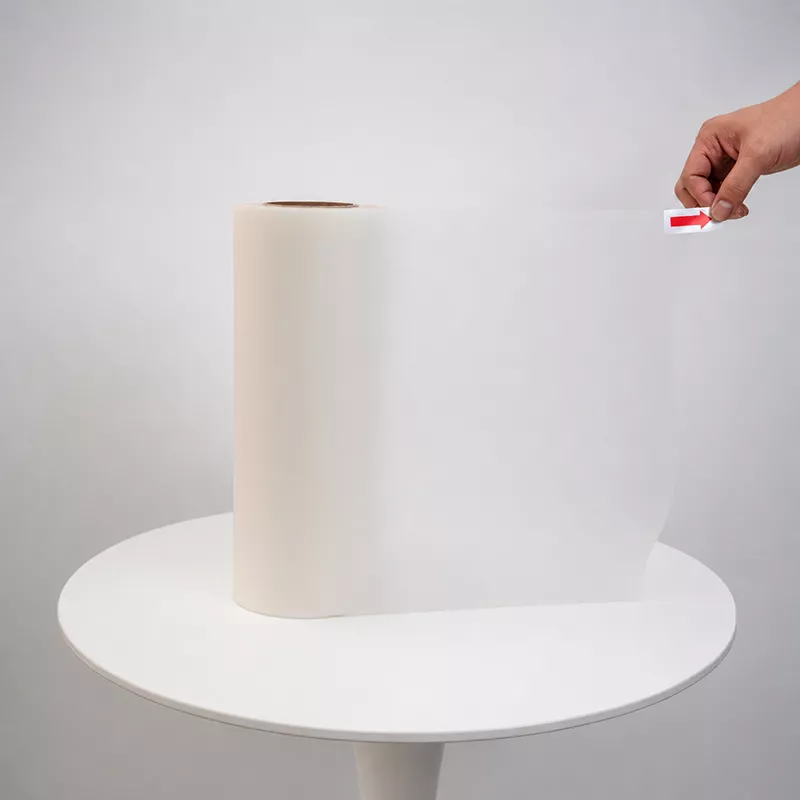
BOPP Synthetic Paper is a polypropylene-based substrate that has been biaxially stretched to align molecular chains, creating a film with exceptional mechanical properties and dimensional stability. This manufacturing process gives BOPP based Synthetic Paper a unique combination of characteristics: it mimics the handling and printability of traditional paper while offering tear resistance, moisture impermeability, and long service life.
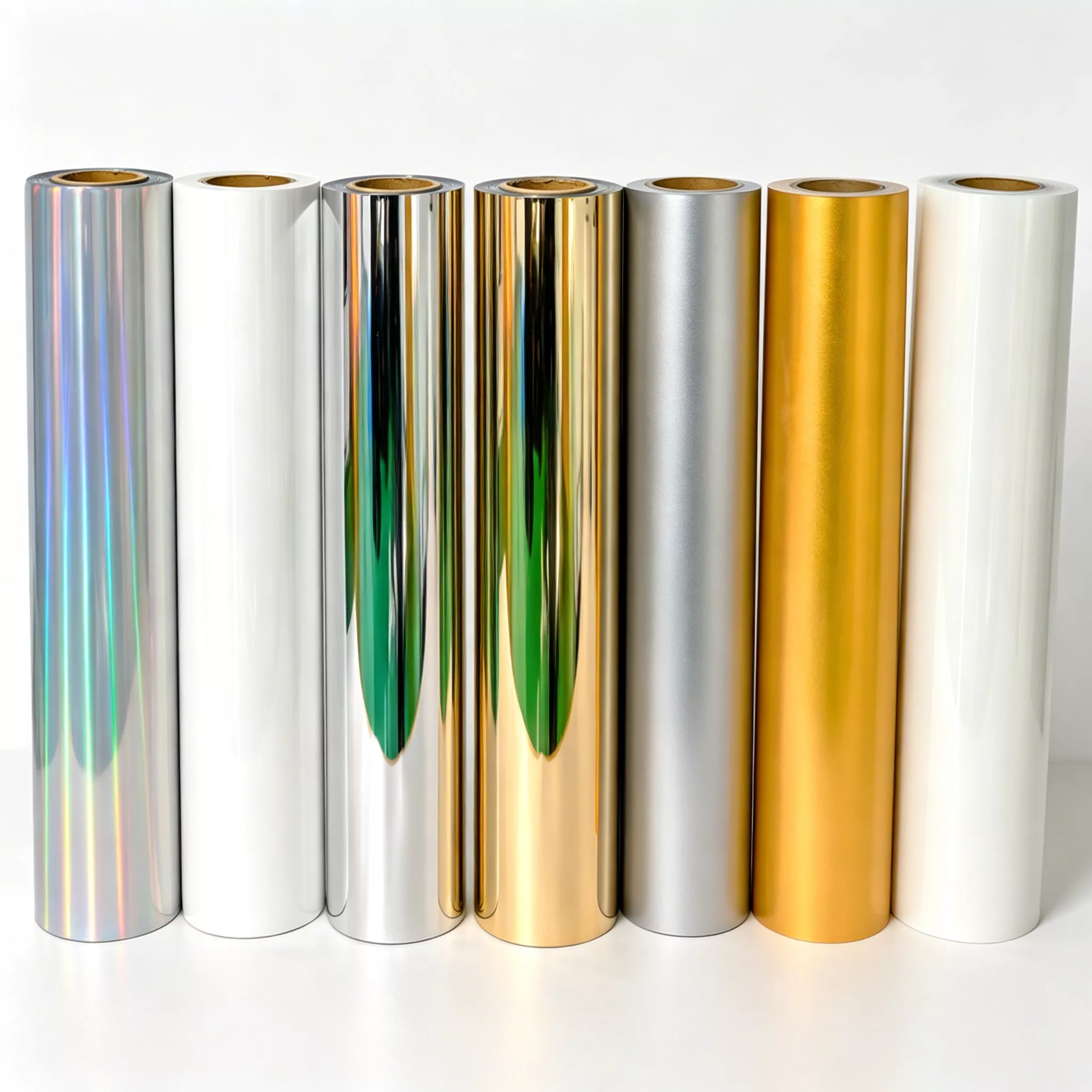
The versatility of BOPP Synthetic Paper is reflected in its broad range of applications. It is widely used for pressure-sensitive labels, in-mold labels, commercial printing (posters, banners, maps, menus), packaging films, and specialty applications such as bottle-cap liners and release liners. Unlike conventional paper, BOPP Synthetic Paper maintains its integrity under moisture exposure and resists creasing and cracking during converting processes.

How Does BOPP Compare to Real Paper?
Real paper-made from plant fibers-absorbs ink well and offers low cost, but it is vulnerable to moisture, tearing, and environmental degradation. BOPP Synthetic Paper addresses these limitations comprehensively:
Water and Oil Resistance: BOPP based Synthetic Paper is impervious to water and oils, making it ideal for cosmetic, food, and industrial applications where paper would degrade.
Tear Strength: Unlike paper, which tears easily under stress, BOPP Synthetic Paper offers high tensile and tear strength, ensuring durability in demanding environments.
Printability: While the non-polar surface of BOPP requires surface treatment for optimal ink adhesion, coated BOPP Synthetic Paper grades achieve excellent print quality across offset, flexo, screen, and digital printing technologies.
Dimensional Stability: Paper expands and contracts with humidity changes; BOPP Synthetic Paper maintains consistent dimensions, ensuring registration accuracy in high-speed printing.
However, BOPP Synthetic Paper has limitations. It is less heat-resistant than PET alternatives and can deform under high temperatures (above 80-100°C). It also requires careful handling to avoid static issues during converting.

BOPP Synthetic Paper vs. PET Synthetic Paper
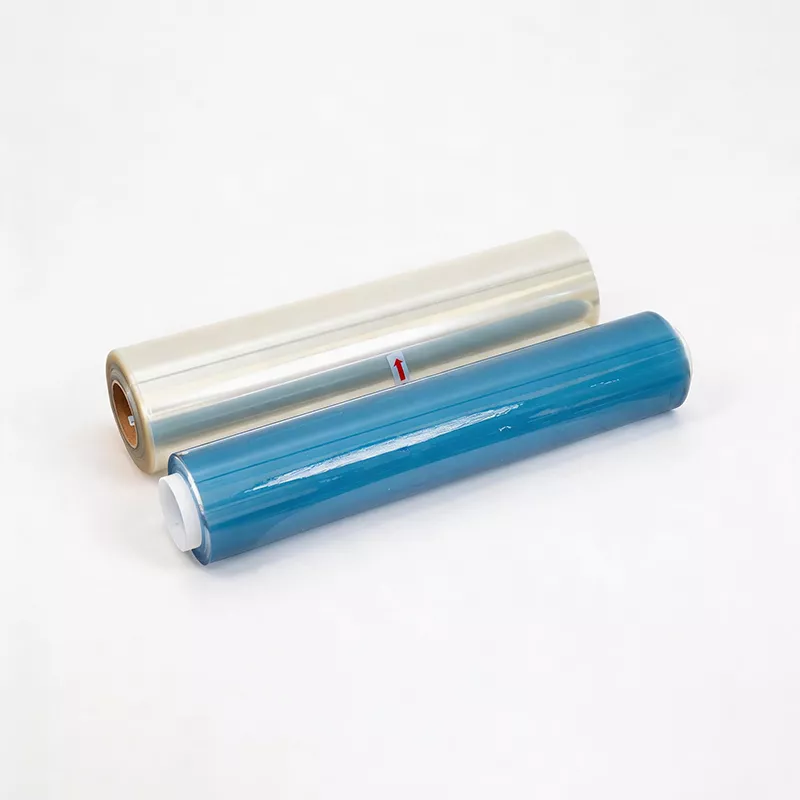
While BOPP based Synthetic Paper and PET Synthetic Paper are both durable synthetic substrates, they serve different application needs due to their distinct material properties.
BOPP Synthetic Paper is generally more affordable and offers exceptional flexibility, making it the #1 choice for squeezable tubes and conformable labeling applications. Its balanced stiffness enables high-speed dispensing (exceeding 300 bottles per minute), yet it flexes with deformable containers without wrinkling. BOPP Synthetic Paper also provides higher transparency and good moisture resistance, enhancing product appearance while extending shelf life.
PET Synthetic Paper excels in extreme environments where heat and chemical resistance are critical. It remains stable up to 150°C and withstands harsh solvents (acetone, brake fluid, cleaners) that would damage BOPP or paper labels. However, PET Synthetic Paper is significantly more expensive and its rigidity makes it unsuitable for squeezable or curved surfaces, as the label may “flag” or pop off. Products like Toyobo's Crisper demonstrate how PET-based synthetic paper can achieve a paper-like feel through voided structure technology while maintaining heat resistance.
For demanding applications requiring high-temperature stability, chemical resistance, and exceptional durability, PET Synthetic Paper is the superior choice. For most labeling and commercial printing applications where cost-effectiveness, flexibility, and moisture resistance are priorities, BOPP Synthetic Paper remains the dominant solution.
Conclusion: Choosing the Right Synthetic Substrate
The choice between BOPP Synthetic Paper and PET Synthetic Paper depends entirely on application requirements. BOPP based Synthetic Paper offers the ideal balance of printability, durability, and cost for the vast majority of labeling and commercial printing needs. Its superior flexibility and moisture resistance make it the go-to substrate for food packaging, personal care labels, and general commercial printing. PET Synthetic Paper, with its exceptional temperature and chemical resistance, is reserved for the most demanding industrial and automotive applications.
As the synthetic paper market continues to grow—driven by demand for eco-friendly, durable packaging solutions—BOPP Synthetic Paper remains the market leader, accounting for the largest revenue share due to its versatility and superior properties.




News & Events
learn more-
 Blog
Press Release Jul-17-2026
Blog
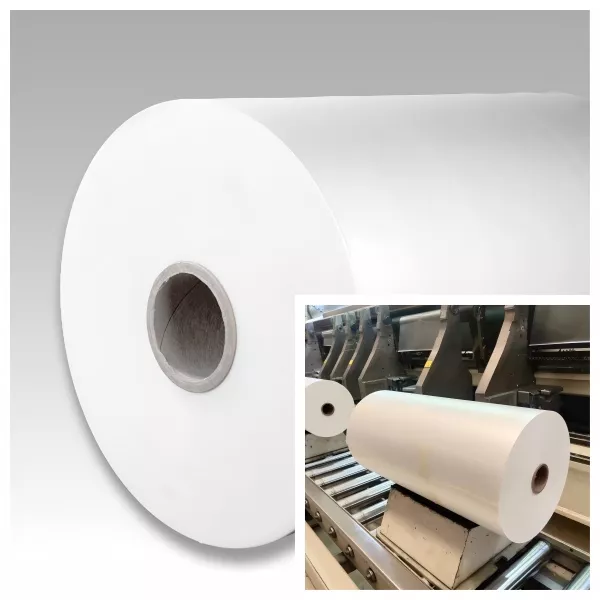
Press Release Jul-17-2026Matte vs Glossy BOPP Film for Label Printing: How Surface Finish Affects Brand Perception
In the competitive world of consumer packaged goods, every brand decision communicates value—including the seemingly subtle choice between Glossy BOPP Film and Matte BOPP Film for label printing. This surface finish decision profoundly impacts how consumers perceive product quality, price positioning, and brand personality. For packaging professionals selecting BOPP Films for Label Printing, understanding the psychological and visual implications of each finish is as critical as technical performance specifications. -
 Blog
Press Release Jul-17-2026
Blog
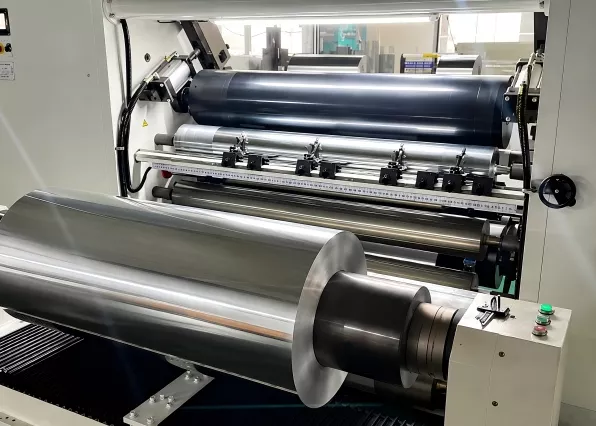
Press Release Jul-17-2026Metallized BOPP Film: Applications, Vacuum Deposition Process, and Barrier Performance
Metallized BOPP Film is a high-performance packaging material produced by depositing a thin layer of aluminum onto the surface of BOPP film through a vacuum metallization process. This combination of polypropylene film and metallic coating creates a material that offers excellent appearance, enhanced barrier properties, and superior packaging performance. -
 Blog
Press Release Jul-17-2026
Blog
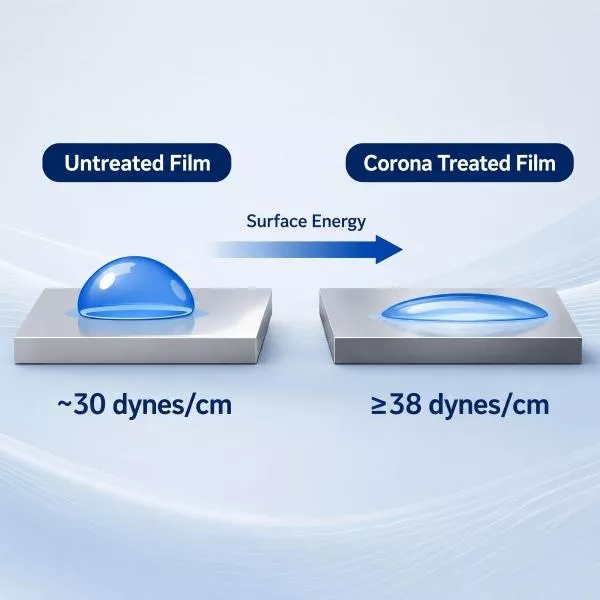
Press Release Jul-17-2026BOPP Film Corona Treatment: Why It Matters for Ink Adhesion and Lamination
Biaxially Oriented Polypropylene (BOPP) film is widely used in packaging, labeling, and printing industries due to its excellent transparency, strength, and moisture resistance. However, untreated BOPP film naturally has a low surface energy, making it difficult for inks, coatings, and adhesives to bond effectively. This is where BOPP corona treatment becomes essential.

contact
Tel: +86 17706217416
Add: Building L2A, No. 520, Lane 1588, Zhuguang Road, Hongqiao World Center, Qingpu District, Shanghai, China
follow us: