How to Choose a Reliable BOPP Building Material Film Supplier
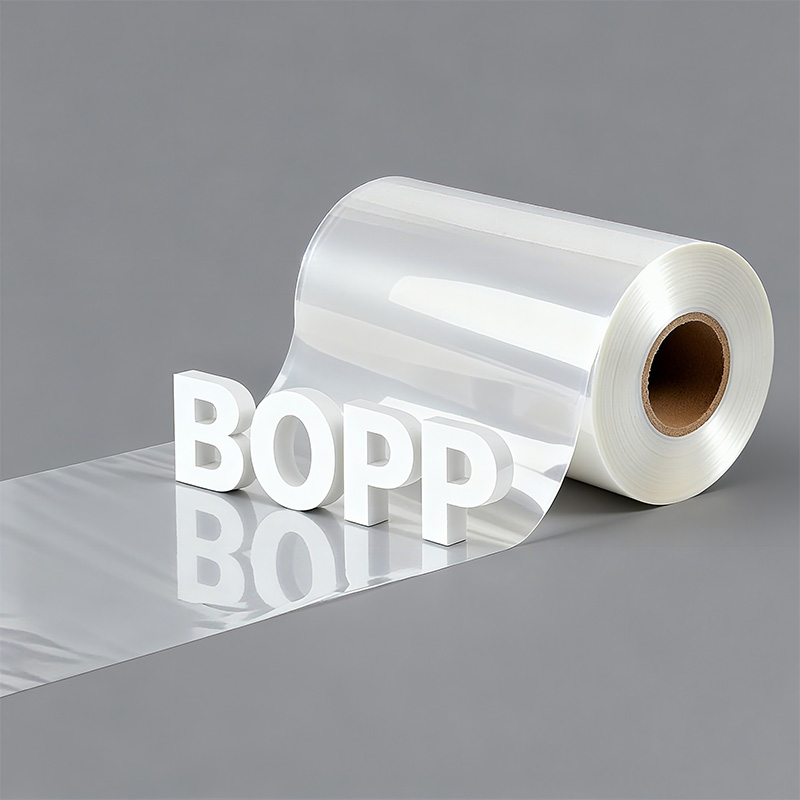
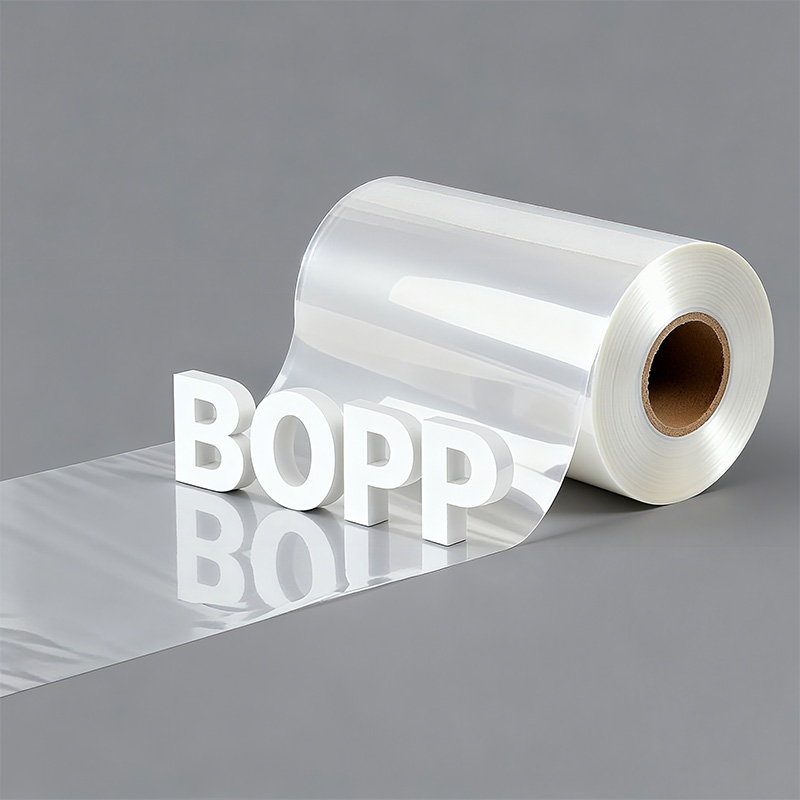
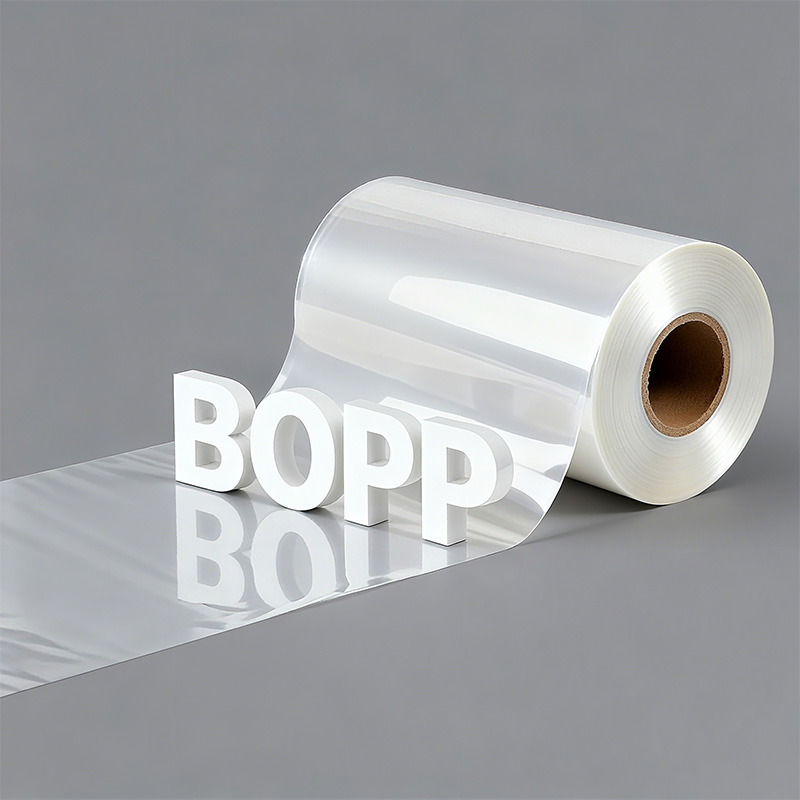
When selecting a reliable BOPP building material film supplier, it is crucial to consider factors such as production capacity, quality certifications, industry reputation, and technical support to ensure optimal performance in construction applications like moisture barriers, concrete curing, and temporary protective coverings. According to industry data from MarketsandMarkets, the global BOPP films market was valued at approximately $18.5 billion in 2022 and is projected to reach $24.3 billion by 2027, growing at a CAGR of 5.6%, driven by demand in building and construction sectors for durable, cost-effective materials. A dependable supplier should hold certifications like ISO 9001 for quality management and ISO 14001 for environmental standards, which indicate adherence to international benchmarks; for instance, leading suppliers such as Cosmo Films and Jindal Poly Films have reported tensile strength ranges of 120-180 MPa and elongation at break of 80-150%, ensuring films withstand stress during installation. Additionally, evaluate their manufacturing capabilities, including annual output—top suppliers often produce over 50,000 metric tons annually—and the availability of customized solutions, such as thickness variations from 15 to 50 microns, to meet specific project requirements like UV resistance or enhanced tear strength.
Furthermore, assess the supplier's logistical efficiency and customer service, as delays can impact construction timelines; data from Supply Chain Dive shows that reliable suppliers maintain on-time delivery rates above 95% and offer global distribution networks to reduce lead times. Research customer reviews and case studies: for example, a 2023 survey by Building Products Digest revealed that 78% of contractors prioritize suppliers with proven track records in projects similar to theirs, such as using BOPP films for insulation backing or waterproofing layers in commercial buildings. Technical support is another key aspect; suppliers should provide data sheets with metrics like oxygen transmission rates (below 100 cm³/m²/day) and water vapor transmission rates (below 1 g/m²/day) to ensure films perform effectively in humid environments. By analyzing these factors—certifications, production data, and real-world feedback—you can minimize risks like film failure or supply chain disruptions, ultimately securing a partnership that enhances project efficiency and durability while aligning with sustainability goals, as BOPP films are 100% recyclable and contribute to LEED certification points in green building initiatives.

 English EN
 French FR
 German DE
 Portuguese PT
 Spanish ES
 Russian RU
 Japanese JA
 Korean KO
 Arabic AR
 Greek EL
 Turkish TR
 Italian IT
 Polish PL
 Hindi HI
 中国 CN
中国 CN







User Comments
Service Experience Sharing from Real Customers
Michael Rodriguez
Construction Project ManagerExcellent BOPP film! The clarity and tensile strength are perfect for our architectural membrane applications. Withstood extreme weather conditions without yellowing.
Sarah Chen
Packaging EngineerHigh-quality BOPP building film with consistent thickness. Excellent moisture barrier properties and easy to laminate. Minor improvement needed in adhesion but overall very satisfied.
David Thompson
Building Materials SupplierOutstanding performance! This BOPP film provides superior UV resistance and dimensional stability. Our clients in temporary structure construction are particularly impressed with its durability.
Jennifer Williams
Interior DesignerPerfect for decorative surface protection! The BOPP film maintains excellent transparency while providing scratch resistance. Easy to apply and remove without residue on various building materials.