
 English EN
 French FR
 German DE
 Portuguese PT
 Spanish ES
 Russian RU
 Japanese JA
 Korean KO
 Arabic AR
 Greek EL
 Turkish TR
 Italian IT
 Polish PL
 Hindi HI
 中国 CN
中国 CN
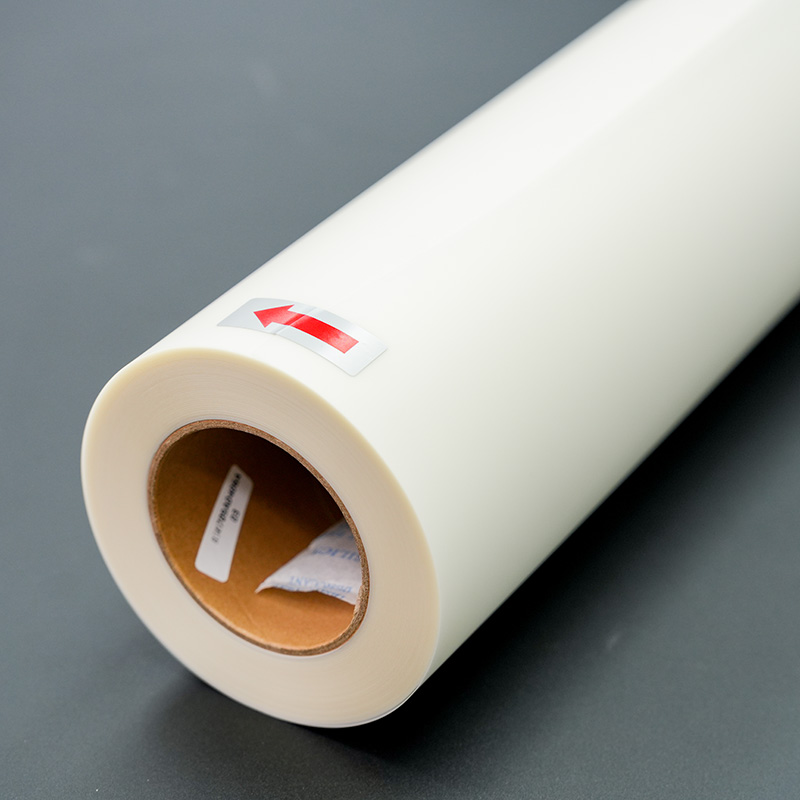
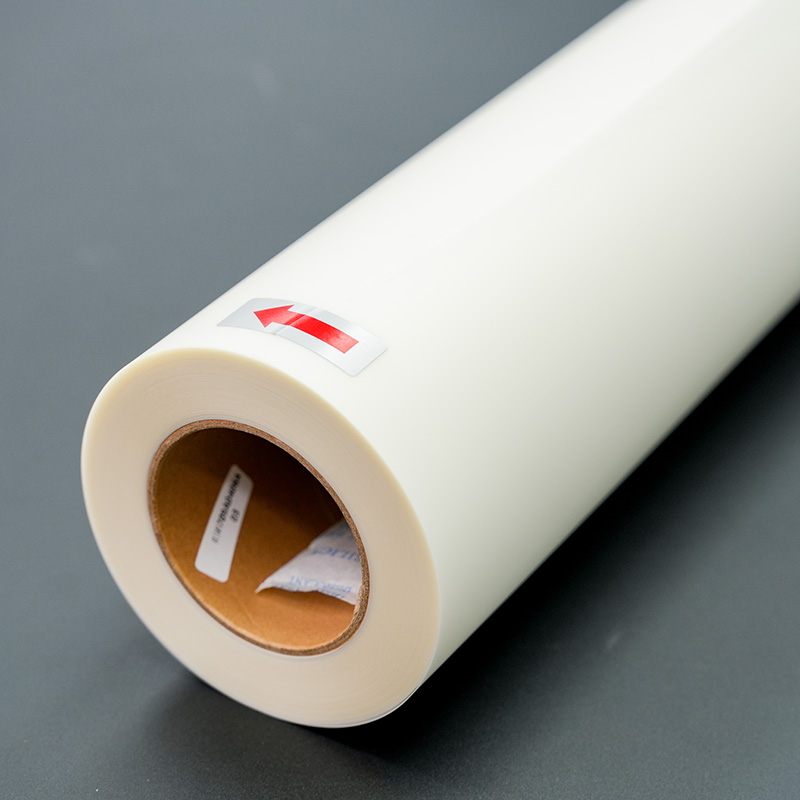
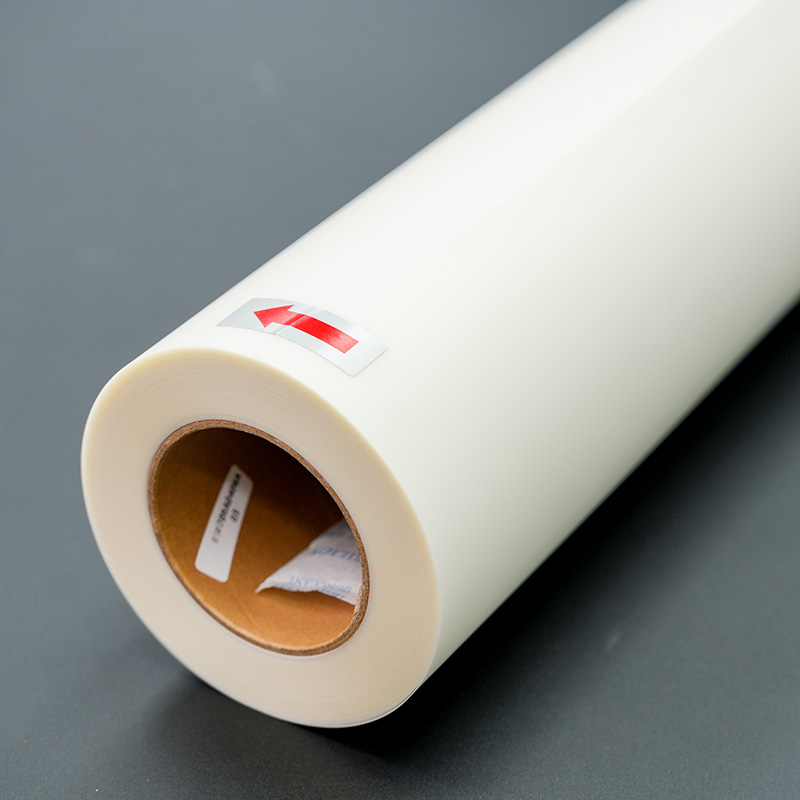
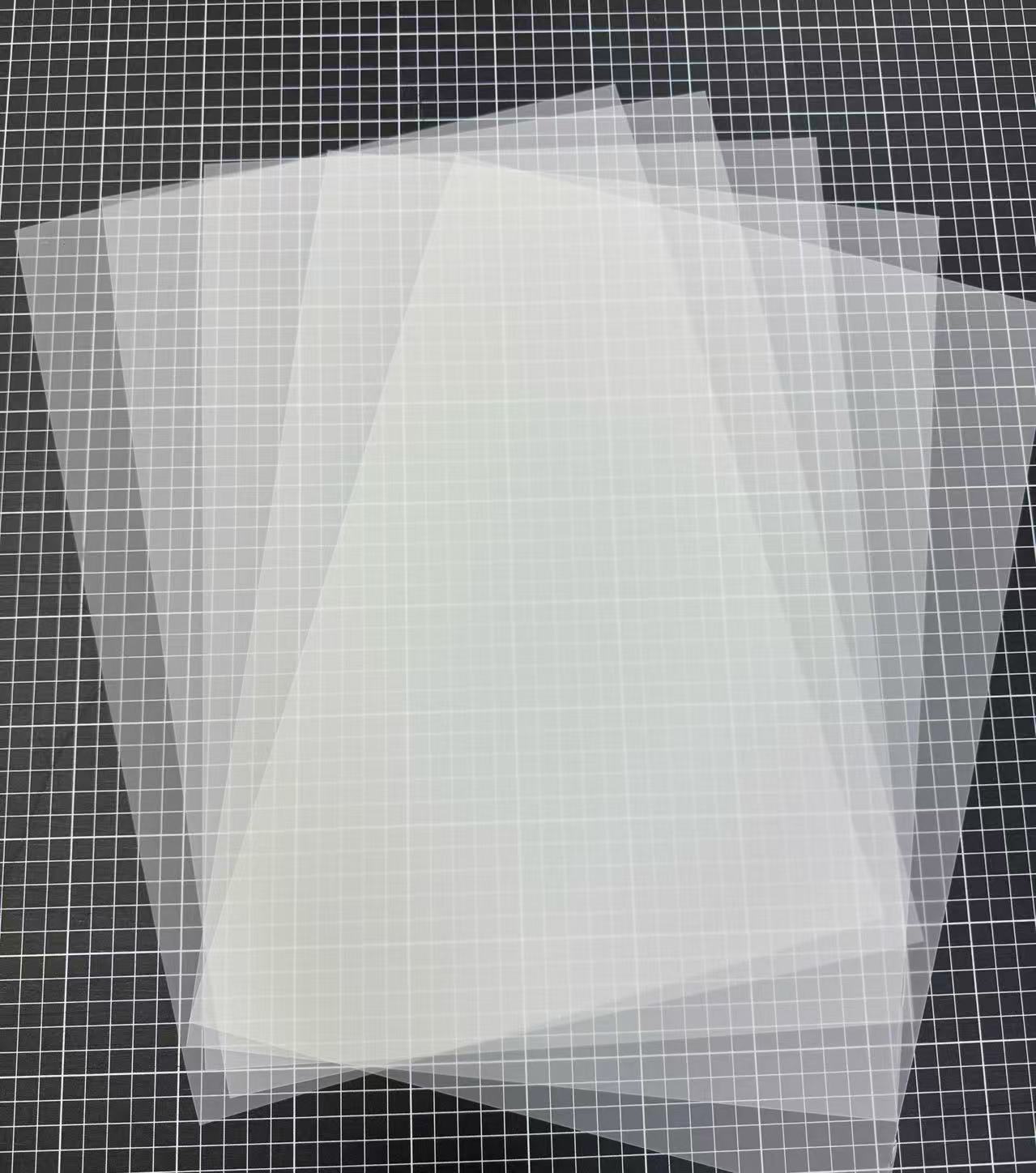
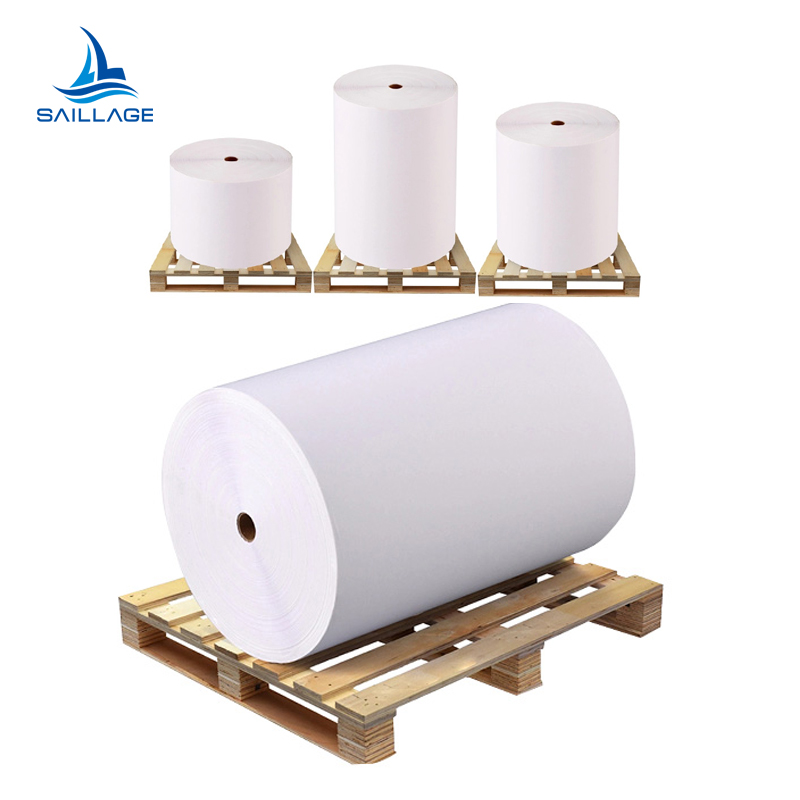
How to Classify BOPP Films According to Their Surface Condition
Biaxially Oriented Polypropylene(BOPP) film is widely used in packaging, labeling, and lamination due to its excellent mechanical strength, optical clarity, and moisture resistance. One critical yet often overlooked aspect of BOPP film selection is its surface condition, which directly determines printability, adhesion performance, and barrier properties. Understanding how to classify BOPP films according to surface condition ensures optimal product performance and cost efficiency across the packaging industry.

1. BOPP Base Film
BOPP base film refers to the original film produced immediately after extrusion and biaxial stretching. At this stage, the film exhibits excellent clarity, dimensional stability, and mechanical strength, which are inherent characteristics of BOPP. However, it has not undergone any surface treatment or coating, maintaining a natural surface energy of approximately 30–32 dynes/cm. This unmodified surface is suitable for further downstream processing such as metallization, lamination, or specialized coating. Manufacturers often select BOPP base film when they need a primary substrate for value-added applications where treatment or printing will be applied later in the production process, offering maximum flexibility and long shelf stability.
2. Uncoated BOPP Film
Uncoated BOPP film has no surface coating layer but receives corona or flame treatment to enhance surface energy from the native 30 dynes/cm to 38–42 dynes/cm or higher. Corona treatment employs high-voltage electrical discharge in an oxygen-rich environment to oxidize the polymer surface, introducing polar functional groups that improve wettability and ink adhesion. Flame treatment uses controlled combustion to achieve similar oxidation, often preferred for thicker films requiring deeper, longer-lasting modification. This surface-activated film provides outstanding clarity, good stiffness, and excellent moisture barrier performance. It is widely used in everyday packaging applications such as snack wrappers, pressure-sensitive labels, flower sleeves, and general protective packaging. Many manufacturers prefer uncoated BOPP film for cost-efficient production while maintaining reliable printing results and lamination quality.

3. Coated and Surface-Treated BOPP Film
Coated BOPP films undergo specialized surface treatments to enhance barrier properties, sealing performance, and printability beyond what surface activation alone can achieve. Common coatings include acrylic coating for improved ink adhesion and scratch resistance; PVDC (polyvinylidene chloride) coating for dramatically enhanced oxygen and moisture barrier; and heat-seal coatings enabling reliable sealing at lower temperatures. Metallized BOPP films, created by vacuum-depositing a thin aluminum layer, offer exceptional barrier against oxygen, moisture, and light while providing a distinctive metallic aesthetic. Other advanced variants include anti-fog coatings for fresh produce, anti-static coatings for electronics, and holographic coatings for premium branding. These films are chosen for demanding applications such as premium food packaging, pharmaceutical blister packs, high-speed printing jobs, and products requiring extended shelf life. Proper selection requires consideration of coating chemistry, compatibility with inks and adhesives, and performance under thermal and mechanical stresses.
4. Comparative Summary
Classification | Surface Condition | Key Characteristics | Typical Applications |
BOPP Base Film | No surface treatment; native surface energy (~30 dynes/cm) | Excellent clarity and mechanical properties; ready for downstream processing; long shelf stability | Metallization substrate, in-house treatment lines, lamination base |
Uncoated Treated BOPP Film | Corona or flame treated; surface energy 38–42+ dynes/cm | Enhanced ink and adhesive adhesion; cost-efficient; good clarity and moisture barrier | Snack wrappers, labels, flower sleeves, general protective packaging |
Coated / Surface-Treated BOPP Film | Acrylic, PVDC, heat-seal, or metallized coatings | Superior barrier properties; enhanced printability; premium aesthetic appeal; extended shelf life | Premium food packaging, pharmaceutical blisters, high-speed printing, cosmetic labels |
5. Conclusion
By understanding BOPP base film, uncoated treated film, and coated surface-treated options, businesses can select the right BOPP film grade for printing, lamination, and packaging applications. Proper classification ensures optimal print quality, barrier performance, sealing reliability, and cost efficiency. As packaging demands evolve toward higher performance and sustainability standards, mastering BOPP film surface classification remains essential for packaging engineers, converters, and brand owners worldwide.
References
1. GulfPack. (2025). BOPP Treatments: Corona vs. Flame – Understanding the Differences and Applications.
2. Rapidflame. (2025). Flame Treatment of BOPP Film Explained.
3. Longchang Petrochemical. (2025). BOPP Film: A Complete Guide to Its Properties and Uses.
4. Plastic Film China. (2026). Double Sides Corona Treatment BOPP Matte Film.
5. Enercon Industries. (2025). Corona Treating For Coating & Laminating Film.



News & Events
learn more-
 Blog
Press Release Nov-07-2025
Blog
Press Release Nov-07-2025What is BOPP Film
BOPP Film, short for Biaxially Oriented Polypropylene Film, is one of the most widely used packaging materials in the world today. -
 Blog
Press Release Nov-07-2025
Blog
Press Release Nov-07-2025What are the Differences Between BOPP Film & BOPET Film
In the packaging industry, two of the most popular materials are BOPP Film (Biaxially Oriented Polypropylene) and BOPET Film (Biaxially Oriented Polyethylene Terephthalate). -
 Blog
Press Release Nov-07-2025
Blog
Press Release Nov-07-2025What are the advantages of BOPP film
Third, BOPP film offers great versatility and safety. It’s FDA-approved for direct food contact, making it ideal for snack packs, cereal liners, and fresh produce bags.

contact
Tel: +86 17706217416
Add: Building L2A, No. 520, Lane 1588, Zhuguang Road, Hongqiao World Center, Qingpu District, Shanghai, China
follow us: