
 English EN
 French FR
 German DE
 Portuguese PT
 Spanish ES
 Russian RU
 Japanese JA
 Korean KO
 Arabic AR
 Greek EL
 Turkish TR
 Italian IT
 Polish PL
 Hindi HI
 中国 CN
中国 CN
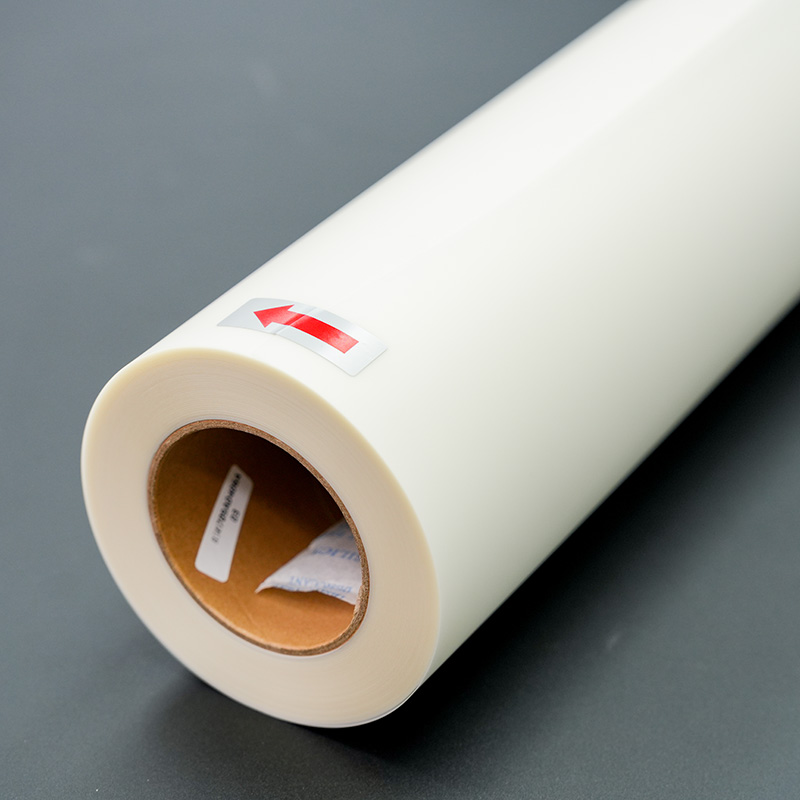
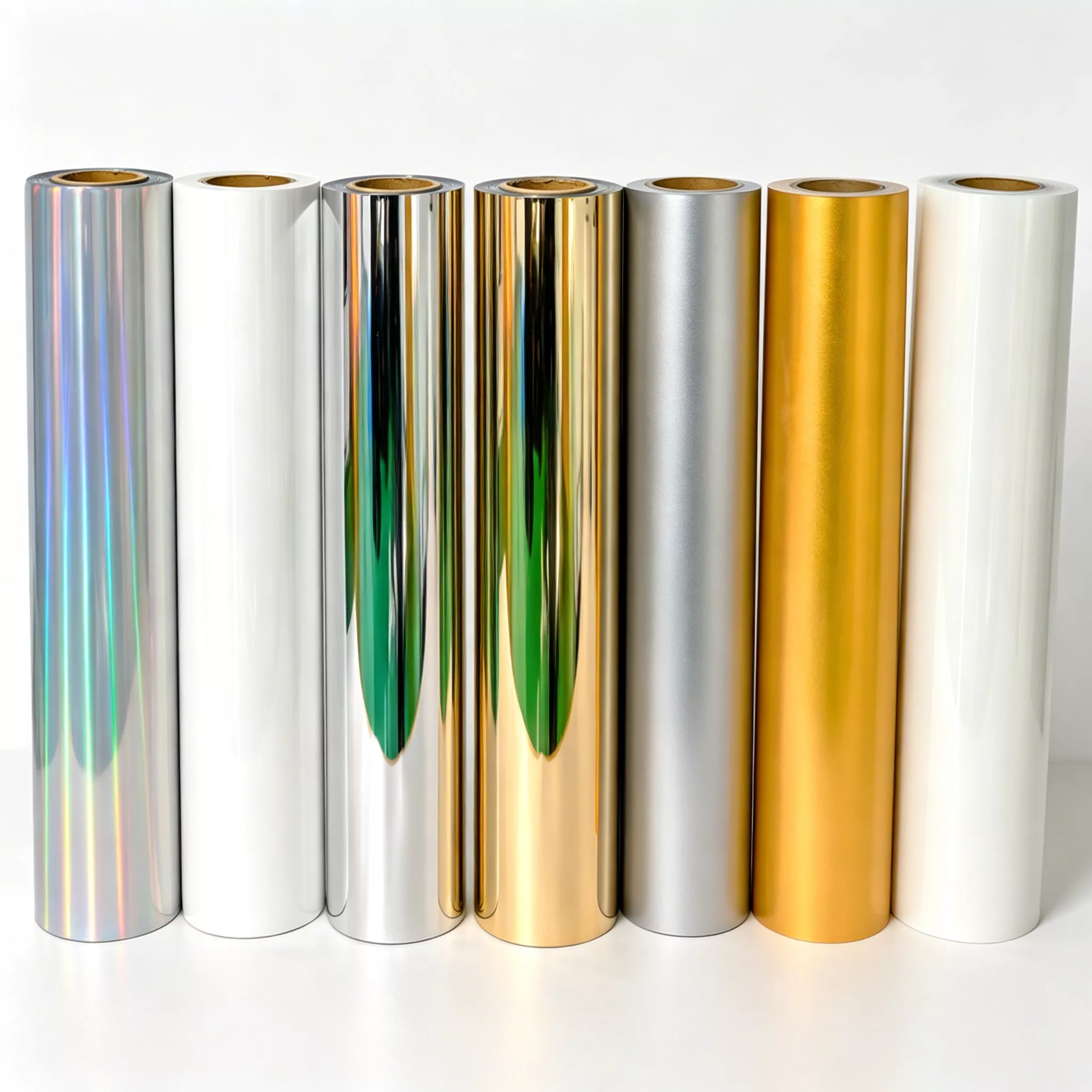
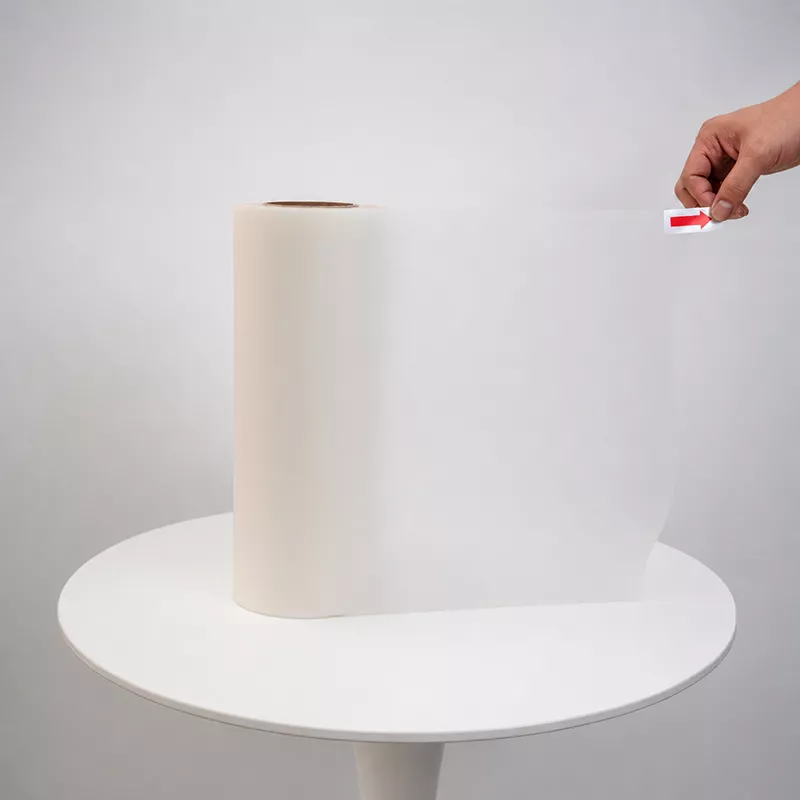
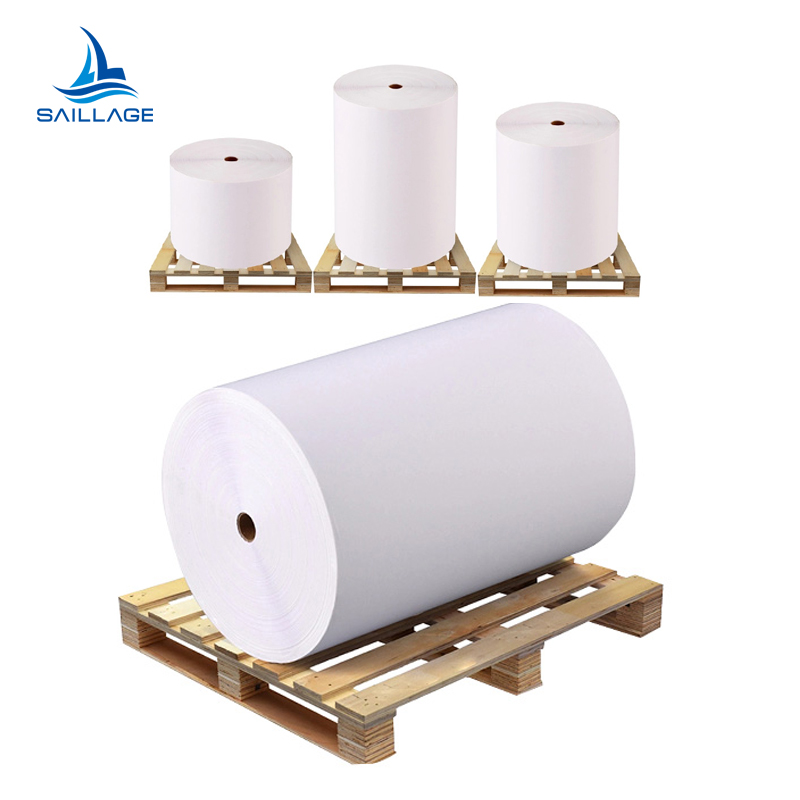
Pearlized BOPP Film Quality Inspection: A Complete Manufacturer's Process Guide
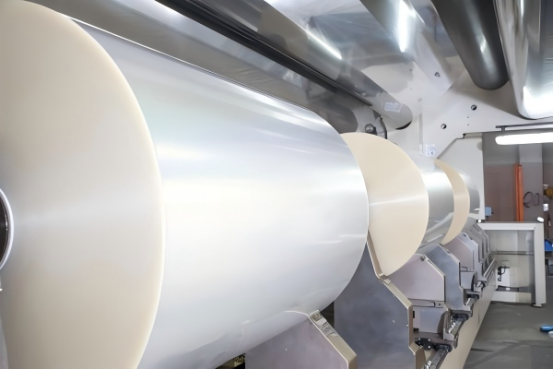
When you source pearlized BOPP film for premium packaging, you're not just buying a material — you're buying the consistency of a manufacturing process. A single roll with out-of-tolerance thickness, inconsistent pearl effect, or inadequate corona treatment can trigger press jams, seal failures, or print rejection across thousands of units downstream.
This guide explains exactly how a serious pearlized BOPP film manufacturer controls quality at every production stage — from polypropylene resin qualification through final roll inspection — with the specific tests, measurement standards, and pass/fail metrics that separate reliable suppliers from inconsistent ones.
Why Pearlized BOPP Film Quality Control Is More Complex Than Standard BOPP
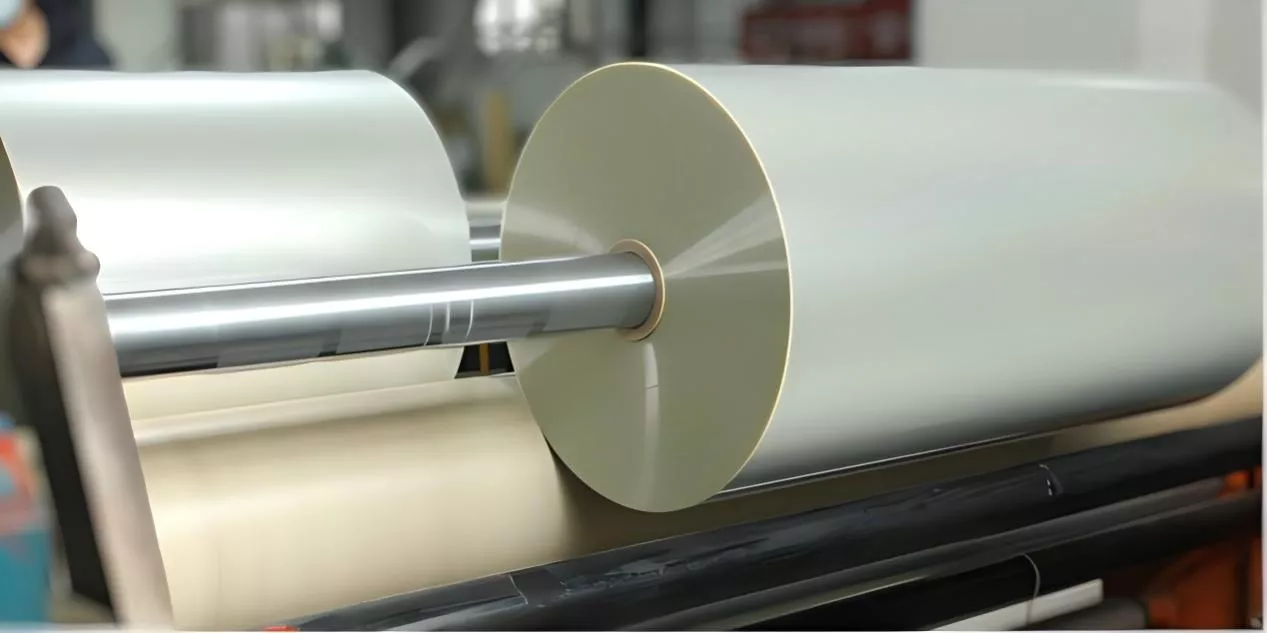
Standard clear type of BOPP film has one primary quality dimension: optical and dimensional consistency. Pearlized BOPP film — also called cavitated or white opaque BOPP — carries additional complexity because its unique structure creates interdependencies between properties that don't exist in clear film.
Pearlized BOPP's characteristic appearance and low density come from micro-voids formed during biaxial orientation around calcium carbonate or pearlescent filler particles. These same micro-voids that create the pearl effect also influence density, opacity, stiffness, barrier performance, and printability simultaneously. A change in one parameter propagates through the others.
This is why pearlized BOPP film quality inspection cannot be reduced to a single thickness measurement at the end of the line. It requires controlled inputs, continuous in-process monitoring, and comprehensive offline lab verification across optical, mechanical, barrier, and functional properties — all correlated and documented per roll.
Stage 1: Raw Material Qualification — Where Quality Is Either Built In or Lost
Every quality problem in finished pearlized BOPP film traces back to one of two sources: raw material variance or process deviation. The first line of defense is raw material qualification before the extrusion line ever starts.
Polypropylene Resin Testing
The base polypropylene resin must be characterized for melt flow index (MFI), molecular weight distribution, and ash content. MFI directly affects extrusion behavior and biaxial orientation uniformity — resins outside specification cause gauge variation and orientation defects that no downstream correction can fix. Each incoming batch receives a certificate of analysis and is quarantined pending MFI verification before release to production.
Pearlescent Masterbatch and Filler Qualification
The calcium carbonate or pearlescent filler masterbatch is the critical differentiator for pearlized BOPP film appearance and density. Incoming masterbatch lots are tested for:
• Filler particle size distribution: Controls micro-void formation during stretching. Inconsistent particle size produces uneven pearl effect and density variation across the web
• Filler loading level: Verified against specification tolerance. Over-loading reduces tensile strength; under-loading reduces opacity and pearlescent intensity
• Moisture content: Excess moisture in the masterbatch causes voids and surface defects during extrusion. Moisture content must be below the supplier's specification limit
• Color consistency: Whiteness and brightness (L*, a*, b* values) measured against reference to ensure visual consistency between production runs
Supplier qualification rule: A reliable pearlized BOPP manufacturer maintains approved supplier lists for both PP resin and masterbatch, with mandatory re-qualification after any supplier facility change or formulation update.
Stage 2: Inline Production Monitoring — Real-Time Control Across the Full Web
Once production begins, inline monitoring systems provide continuous feedback on the film's properties as it forms. For pearlized BOPP film, inline monitoring is not optional — the speed of modern BOPP production lines (typically operating at 200–400 m/min) makes lab-only detection insufficient. By the time an offline sample shows a problem, thousands of meters of out-of-spec film have already been wound.
Continuous Thickness Profile Scanning
Scanning gauges — typically using beta radiation, X-ray, or infrared principles — traverse the full web width continuously, generating a real-time cross-web thickness profile. For pearlized BOPP film, the industry-accepted tolerance is ±3–5% of nominal gauge per ISO 4593 and ASTM D 6988 standards.
Thickness deviation affects downstream performance directly: over-gauge increases material cost per roll; under-gauge reduces stiffness and can cause web breaks on high-speed packaging lines. Variations across the web cause wrinkling and tension non-uniformity during printing or laminating. When the scanner detects deviation beyond tolerance, the extrusion die profile is adjusted in real time — targeting specific die bolts to correct local thickness bands without stopping production.
Biaxial Orientation Process Control
Pearlized BOPP film is stretched in both the machine direction (MD) and transverse direction (TD) to generate its mechanical properties and activate the micro-void structure that creates the pearl effect. Orientation ratios, stretch temperatures, and line speeds are monitored and logged continuously. Deviation from the validated process window affects both mechanical properties (tensile strength, elongation) and optical properties (opacity, gloss, pearl intensity) simultaneously.
Corona Treatment Verification
Pearlized BOPP film requires corona treatment on the print-facing surface to achieve adequate ink and adhesive adhesion. Surface energy — measured in dynes per centimeter — must meet the minimum specification for the intended printing and laminating process. For gravure and flexo printing on pearlized BOPP film, the typical minimum surface tension specification is ≥38 dyne/cm, verified inline with dyne test fluid application or contact angle measurement. Surface energy decays over time after treatment, so treatment level is set conservatively above the minimum to account for storage before end use.
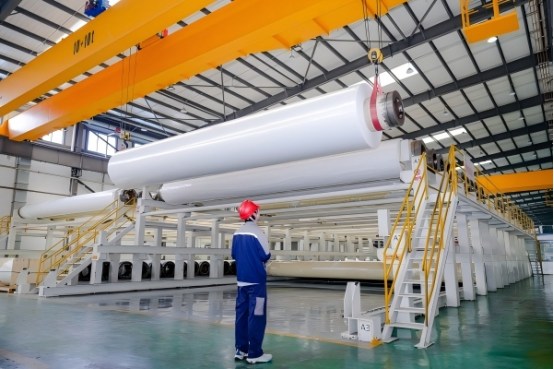
Stage 3: Optical and Surface Quality Inspection — The Properties That Buyers See First
After extrusion, orientation, and winding, the film enters the quality control laboratory for systematic offline testing. Optical properties are often the first quality dimension that brand owners and converters notice — and the most visible consequence of any process deviation.
Gloss Measurement
Gloss level on the film surface is measured with a calibrated gloss meter at a standardized angle (typically 45° or 60° per ASTM D 2457). For pearlized BOPP film, the characteristic gloss range and the uniformity across the roll width are both verified. Batch-to-batch gloss consistency is particularly important for brand owners running multi-batch production, where visible gloss differences between rolls would create unacceptable variation in shelf appearance.
Opacity (Optical Density)
Opacity — the film's ability to block transmitted light — is a fundamental function of pearlized BOPP film for packaging applications where product color must be hidden (ice cream, confectionery, personal care products). Opacity is measured as optical density using a transmission densitometer and must meet a minimum threshold specified for the product grade. Insufficient opacity allows product visibility through the packaging, which is a direct quality failure for opaque packaging applications.
Whiteness and Color Consistency (L*a*b*)
The white appearance of pearlized BOPP film is quantified using CIE L*a*b* colorimetry with a spectrophotometer. L* (lightness), a* (red-green axis), and b* (yellow-blue axis) values are compared against production specification limits. This is particularly critical for wrap-around label applications where the film's white background directly underlies printed brand graphics — a yellowish or grayish cast in the film base changes the appearance of all colors printed over it.
Visual Surface Defect Inspection
Under controlled, standardized lighting conditions, trained QC technicians inspect film samples for surface defects that quantitative sensors may not capture:
• Gels and fisheyes: Unmelted resin particles that create raised spots visible through the film surface
• Scratches and abrasion marks: Often introduced by contact with roller surfaces or winding equipment
• Contamination: Foreign particles embedded in the film during extrusion or winding
• Streaks or lines: MD-running defects typically caused by die lip deposits or orientation line non-uniformity
• Mottle or cloud: Local variation in pearl effect intensity, visible as uneven sheen
Defect classification and acceptable defect density (defects per 1,000 m²) are defined in the manufacturer's quality specification for each product grade.
Stage 4: Mechanical and Physical Property Testing — Performance Under Real Converting Conditions
Optical quality is necessary but insufficient. Pearlized BOPP film must also perform mechanically through high-speed printing, laminating, and form-fill-seal operations without web breaks, wrinkling, or dimensional instability. The following tests verify that mechanical properties meet the demands of industrial converting.
Tensile Strength and Elongation (ASTM D 882)
Tensile tests are run separately in the machine direction (MD) and transverse direction (TD) to characterize the film's response to web tension and converting stresses in both axes. For pearlized BOPP film, typical specification targets are:
Property | Direction | Typical Minimum | Test Standard |
Tensile Strength | MD | ≥ 60 N/mm² | ASTM D 882 |
Tensile Strength | TD | ≥ 120 N/mm² | ASTM D 882 |
Elongation at Break | MD | ≤ 140% | ASTM D 882 |
Elongation at Break | TD | ≤ 50% | ASTM D 882 |
Density | — | 0.65–0.78 g/cm³ | ASTM D 1505 |
Note: The significantly higher TD tensile strength is characteristic of biaxially oriented films and reflects the greater stretch ratio applied in the transverse direction. The lower density range (vs. ~0.90 g/cm³ for clear BOPP) reflects the micro-void structure — and directly determines the yield per kilogram that buyers calculate in procurement.
Coefficient of Friction (COF) — ASTM D 1894
COF controls how the film runs through packaging machinery — slip behavior on forming tubes, conveyor belts, and stacking systems. Both static COF (resistance to initiating movement) and kinetic COF (resistance during movement) are measured, film-to-film and film-to-metal. For pearlized BOPP film, a typical specification range is 0.20–0.40 for both static and kinetic COF. Films outside this range either jam high-speed lines (too high COF) or cause registration problems (too low COF).
Thermal Shrinkage
Film samples are conditioned at 120°C for 15 minutes per ASTM D 1204, and dimensional change is measured in both MD and TD. For pearlized BOPP film, shrinkage must remain within the specification limit — typically ≤4% MD and ≤2% TD. Excessive shrinkage causes distortion of printed graphics and seal failures when the film encounters heat during packaging operations.
Heat Seal Strength and Initiation Temperature
For heat-sealable pearlized BOPP film grades, seal performance is critical — particularly for food packaging applications. A heat seal strength tester applies controlled temperature, pressure, and dwell time to film specimens, then measures peel force. The seal initiation temperature — the minimum temperature at which ≥1.5 N/15mm seal strength is achieved — is specified per grade. For low-seal pearlized BOPP grades used in ice cream and confectionery packaging, initiation temperatures typically range from 110°C to 130°C at 1 bar pressure.
Stage 5: Barrier Property Testing — Protecting What's Inside the Package
For food packaging applications — the primary end market for pearlized BOPP film — moisture and oxygen barrier performance directly affects product shelf life. While pearlized BOPP film is not a high-barrier substrate like metallized BOPP or BOPET, its inherent barrier properties must meet minimum thresholds for the packaged product's preservation requirements.
Moisture Vapor Transmission Rate (MVTR) — ASTM F 1249
MVTR measures the rate at which water vapor permeates through the film per unit area per day, tested at specified temperature and humidity conditions (typically 38°C / 90% RH for food packaging applications). For pearlized BOPP film at 30 micron thickness, MVTR values typically fall in the range of 3–8 g/m²/24h depending on grade and density. Higher-density grades with fewer micro-voids deliver better moisture barrier; lower-density grades with more pronounced pearl effect have higher MVTR.
Oxygen Transmission Rate (OTR) — ASTM D 3985
OTR is measured at 23°C and 0% relative humidity using a coulometric sensor. Dry nitrogen sweeps one side of the film while oxygen contacts the other; the sensor detects oxygen that permeates through. For ice cream, candy, and snack food packaging — the core applications for pearlized BOPP film — OTR values are evaluated against the product's oxygen sensitivity and target shelf life. For applications requiring enhanced oxygen barrier beyond inherent BOPP levels, the pearlized BOPP is typically used as an outer ply laminated to a metallized inner layer.
Stage 6: Final Roll Inspection and Release — The Last Gate Before Shipment
A roll that passes every individual property test can still fail at final inspection if winding quality is poor. The roll itself is the packaging unit that runs through the customer's converting equipment — its physical form matters as much as its material properties.
Roll Geometry and Winding Quality
Each finished roll is checked for:
• Telescoping: Lateral displacement of layers that prevents proper tracking on unwinding equipment
• Hardness profile: Winding tension must be consistent — too tight causes gauge bands and permanent deformation; too loose allows layers to shift during transit
• Core fit: Core inner diameter (76 mm or 152 mm) verified against specification; incorrect core fit causes chucking problems on customer unwinding equipment
• Edge quality: Slitting edges must be clean and straight, without torn fibers, burrs, or gross width deviation
• Roll length and weight: Verified against specification and labeled on roll identification tag for customer yield calculation
Certificate of Analysis (CoA) and Traceability
Each released roll is accompanied by a Certificate of Analysis documenting all measured parameters against specification. The CoA includes:
• Roll identification number (lot traceability to extrusion batch and raw material lot)
• Measured thickness (average and cross-web profile)
• Density, tensile strength (MD/TD), elongation at break (MD/TD)
• COF, thermal shrinkage
• Gloss, opacity, whiteness (L*a*b*)
• Surface tension (corona treatment level)
• MVTR and OTR (for food-grade applications)
• Heat seal initiation temperature and strength (for heat-sealable grades)
• Regulatory compliance declarations (FDA CFR 21, EU 10/2011 where applicable)
Full traceability from finished roll back to PP resin batch allows any field quality issue to be investigated and isolated to a specific production lot — a requirement for serious packaging supply chains.
Pearlized BOPP Film Key Quality Parameters: A Reference Summary
The following table summarizes the key properties verified during quality inspection for pearlized BOPP film, with typical specification ranges for standard packaging grades:
Property | Test Standard | Typical Range / Min-Max | Impact if Out of Spec |
Thickness (nominal 25–50 µm) | ISO 4593 / ASTM D 6988 | ±3–5% of nominal | Gauge variation → wrinkling, yield loss |
Density | ASTM D 1505 | 0.65–0.78 g/cm³ | Low density → poor tensile; high density → low opacity |
Tensile Strength MD / TD | ASTM D 882 | ≥60 / ≥120 N/mm² | Web breaks on converting lines |
Elongation at Break MD / TD | ASTM D 882 | ≤140% / ≤50% | Dimensional instability under tension |
Thermal Shrinkage MD / TD | ASTM D 1204 | ≤4% / ≤2% | Graphic distortion, seal failure |
COF (static / kinetic) | ASTM D 1894 | 0.20–0.40 | Machine jam or registration error |
Gloss (45°) | ASTM D 2457 | Per product grade spec | Visual inconsistency on shelf |
Surface Tension (corona) | Dyne test / ISO 8296 | ≥38 dyne/cm | Ink/adhesive adhesion failure |
Heat Seal Strength | Supplier SOP | ≥1.5 N/15mm | Pack integrity failure |
MVTR (30 µm, 38°C/90% RH) | ASTM F 1249 | 3–8 g/m²/24h | Moisture ingress, shelf life reduction |
OTR (23°C, 0% RH) | ASTM D 3985 | Per application req. | Oxygen-sensitive product degradation |
What to Ask a Pearlized BOPP Film Manufacturer About Their Quality System
If you're evaluating a new pearlized BOPP film supplier — or auditing an existing one — these questions reveal whether their quality system is real or cosmetic:
On Process Control
• Do you use inline cross-web thickness scanning? What is your response protocol when deviation exceeds tolerance?
• How is corona treatment level verified during production, and what is the minimum specification?
• What are your validated process windows for biaxial orientation, and how are deviations recorded?
On Raw Material Control
• Do you maintain an approved supplier list for PP resin and pearlescent masterbatch? What triggers re-qualification?
• What incoming tests do you run on masterbatch, and what is your hold/release protocol?
On Documentation
• Can you provide a Certificate of Analysis for each roll, with traceability to raw material lot?
• What regulatory compliance declarations do you provide — FDA CFR 21, EU 10/2011, or others relevant to our market?
• How long do you retain quality records, and can customers access them in the event of a field quality issue?
On Consistency
• What is your batch-to-batch COV (coefficient of variation) for gloss, thickness, and tensile strength across the last 12 months of production?
• What is your roll rejection rate, and what are the most common rejection reasons?
Suppliers who can answer these questions specifically, with data, are operating a real quality management system. Vague answers — 'we follow ISO 9001' without process detail — warrant deeper scrutiny before placing volume orders.
FAQ: Pearlized BOPP Film Quality and Specifications
What is the typical density of pearlized BOPP film, and why is it lower than standard BOPP?
Pearlized BOPP film typically has a density of 0.65–0.78 g/cm³, compared to approximately 0.90–0.91 g/cm³ for clear BOPP. The lower density results from the micro-voids formed during biaxial orientation around calcium carbonate or pearlescent filler particles — the same voids that create the characteristic pearl effect. This lower density means buyers get more square meters of film per kilogram of material, which directly improves yield economics in high-volume production.
What causes pearlescent effect inconsistency between rolls or batches?
The most common causes are: variation in pearlescent masterbatch filler particle size or loading level between incoming lots; changes in biaxial orientation ratio or temperature in the transverse direction stretcher; and variation in PP resin melt flow index that affects how evenly the masterbatch disperses. A controlled manufacturer addresses all three through incoming material testing, validated process windows, and inline monitoring — with L*a*b* colorimetry on each production lot to catch visual differences before they reach the customer.
What corona treatment level is required for printing on pearlized BOPP film?
For gravure and flexo printing, a minimum surface tension of 38 dyne/cm is the industry standard minimum for pearlized BOPP film. For water-based inks or UV inks, some applications require 40–42 dyne/cm. It's important to specify your printing process and ink system to your supplier, since surface energy decays over time and must be set conservatively at production to remain above minimum at end-use. Always test corona level on your received rolls before committing to a large production run.
What is the difference between single-sided and double-sided heat-sealable pearlized BOPP film?
Single-sided heat-sealable pearlized BOPP film has the heat-sealable copolymer skin on one surface only — typically used as an outer ply in laminated structures where only one seal interface is required. Double-sided heat-sealable grades carry sealable skins on both surfaces, enabling sealing through the film in pillow pack and flow-wrap applications. The choice depends on your packaging format and whether the film runs as a mono-layer pack or in a laminated structure.
Is pearlized BOPP film food-safe? What certifications should I request?
Standard commercial grades of pearlized BOPP film are manufactured from food-contact-approved raw materials. For food packaging applications, you should request compliance documentation with FDA 21 CFR 177.1520 (USA), EU Regulation 10/2011 (Europe), or the relevant local food contact material regulation for your market. Additionally, ISO 9001 certification for the manufacturing facility provides baseline quality system assurance, while food-specific certifications like ISO 22000 or FSSC 22000 indicate a higher level of food safety management integration.
How should pearlized BOPP film rolls be stored to maintain quality?
Store rolls vertically on end or on core-supported racks — not on their flat sides, which causes deformation. Storage conditions should be controlled: temperature 15–25°C, humidity 40–65% RH, away from direct sunlight and heat sources. Under correct storage conditions, pearlized BOPP film maintains its properties for 12 months from production. The primary storage risk is corona treatment decay: surface tension decreases over time, particularly in high-humidity environments. If rolls are stored beyond 6 months, retest corona level before committing to production.
SAILLAGE Pearlized BOPP Film: Built on a Documented Quality Foundation
SAILLAGE's pearlized BOPP film for packaging is manufactured under the complete multi-stage quality system described in this guide — from incoming polypropylene resin and masterbatch qualification through inline web monitoring, offline laboratory testing across all critical properties, and full Certificate of Analysis documentation per roll.
Every roll leaving our facility carries documented results for thickness profile, density, tensile strength (MD/TD), COF, gloss, opacity, corona treatment level, and heat seal performance for sealable grades — matched against product-grade specifications with full lot traceability.
Whether you're evaluating SAILLAGE as a new pearlized BOPP film supplier or looking to understand how your current supply chain should be protecting your production line, our technical team is available to walk through our quality documentation, discuss specific application requirements, and arrange test rolls for your converting process validation.



News & Events
learn more-
 Blog
Press Release Sep-30-2025
Blog
Press Release Sep-30-2025The Introduction of Coated BOPP Film Manufacturing Process
The bopp film manufacturing process is a precisely controlled industrial sequence that transforms polypropylene resin into high-performance packaging materials. When additional functional layers are applied, the standard bopp film becomes coated BOPP film, offering enhanced barrier properties, improved sealability, or superior print performance. Understanding each stage of the bopp film manufacturing process helps explain how coated BOPP film achieves its consistent quality and functionality across flexible packaging applications. -
 Blog
Press Release Sep-30-2025
Blog
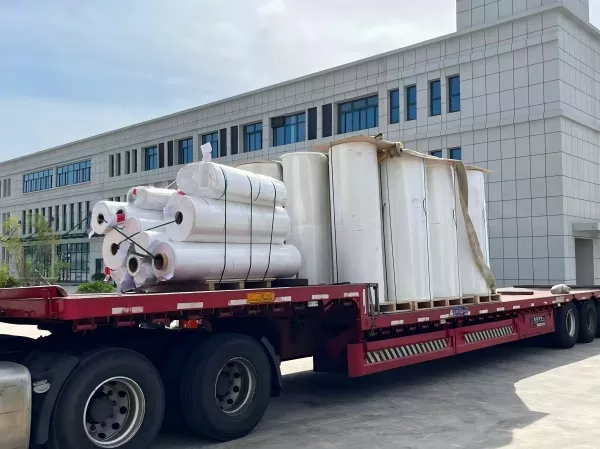
Press Release Sep-30-2025How to Correctly Pack Substrate BOPP Film Roll
A detailed guide to substrate BOPP film packing: pre-pack inspection, protective wrapping, outer packaging, and palletizing methods for storage and transportation. -
 Blog
Press Release Sep-30-2025
Blog
Press Release Sep-30-2025The Introduction of Different Types of BOPP Film
Biaxially oriented polypropylene remains one of the most versatile materials in modern converting industries. The various types of BOPP film are developed to meet different surface requirements, printing demands, and end-use applications. From high-gloss transparent structures to textured and specialty finishes, each category of types of BOPP film delivers distinct surface characteristics that influence performance. Understanding these differences helps converters and brand owners select the right material for packaging, labeling, and graphic applications.

contact
Tel: +86 17706217416
Add: Building L2A, No. 520, Lane 1588, Zhuguang Road, Hongqiao World Center, Qingpu District, Shanghai, China
follow us: