
 English EN
 French FR
 German DE
 Portuguese PT
 Spanish ES
 Russian RU
 Japanese JA
 Korean KO
 Arabic AR
 Greek EL
 Turkish TR
 Italian IT
 Polish PL
 Hindi HI
 中国 CN
中国 CN
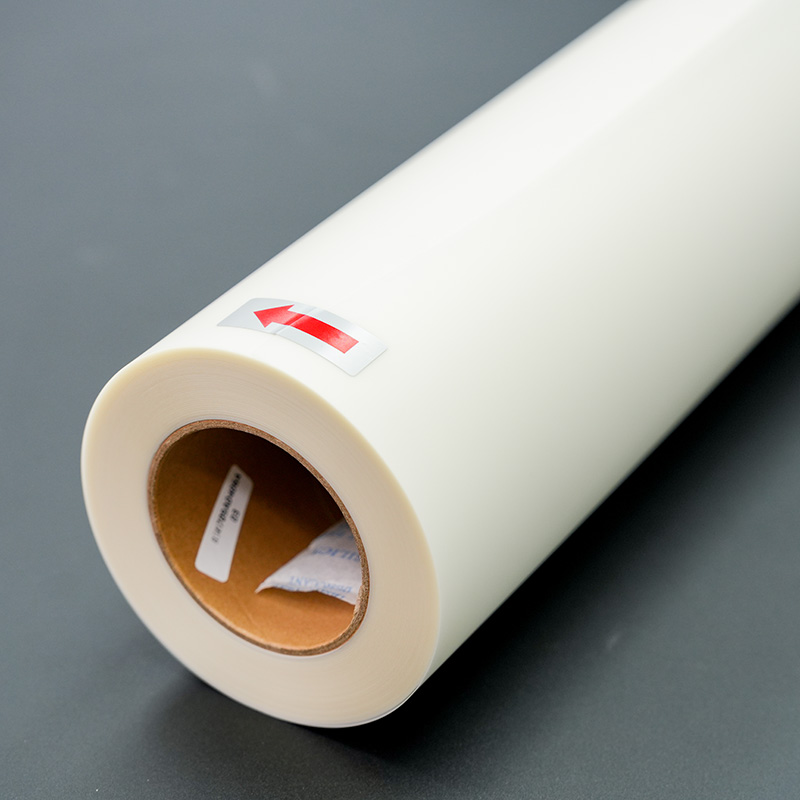
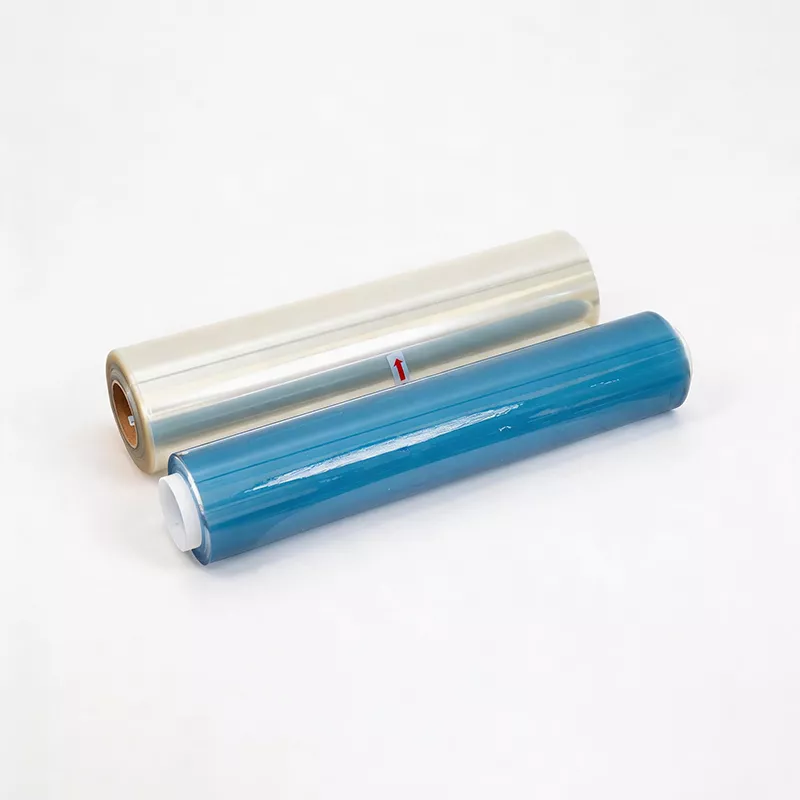
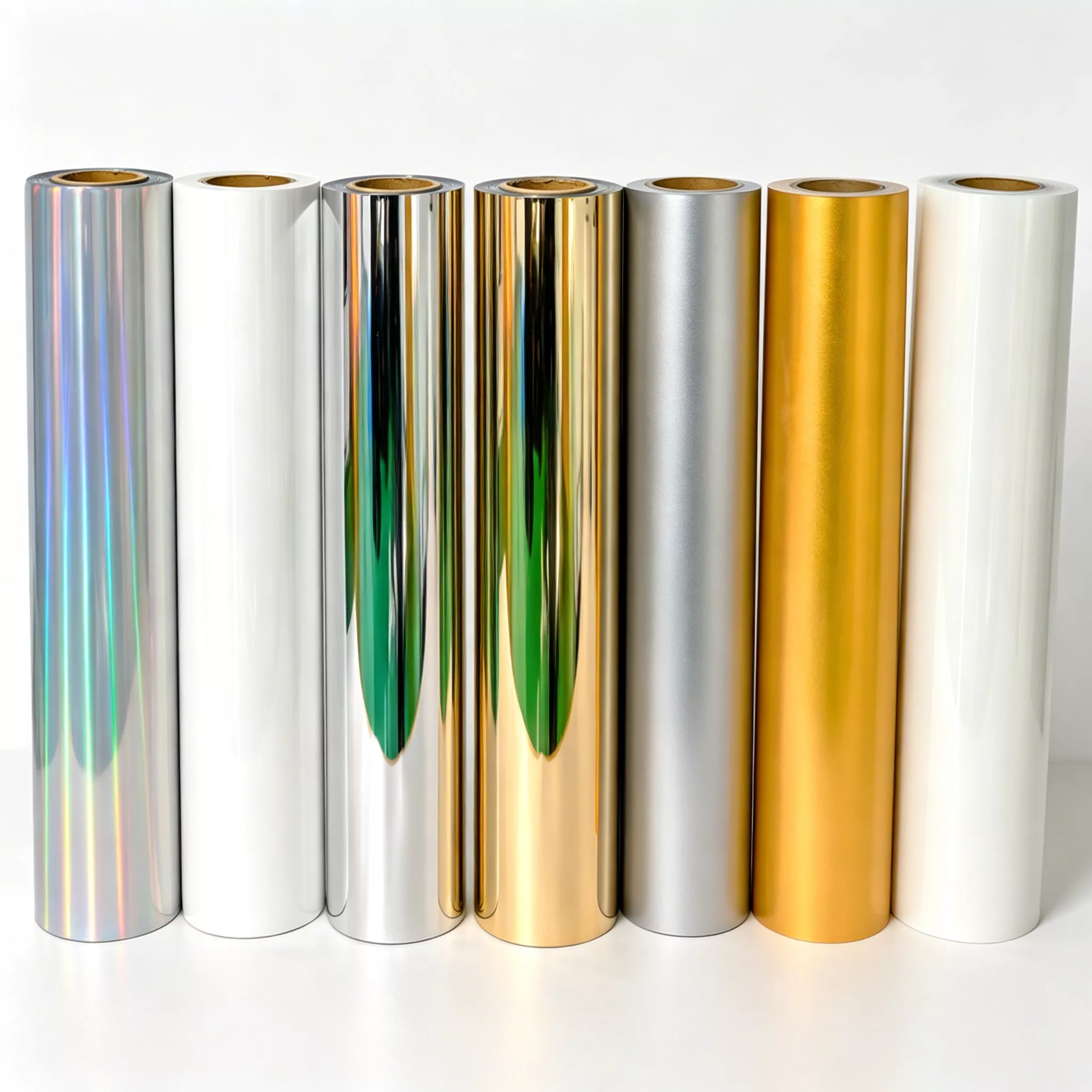
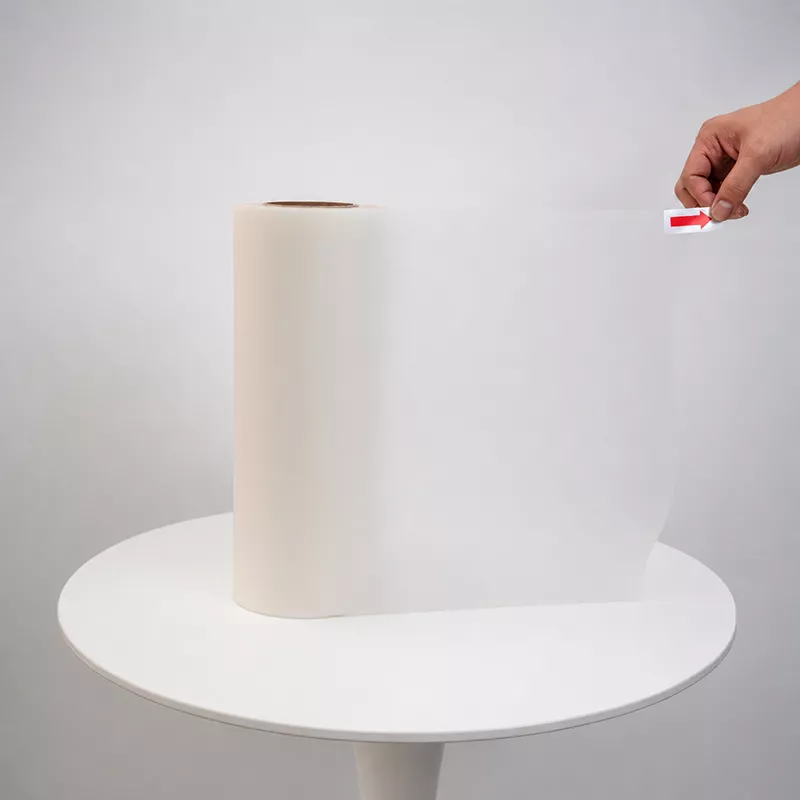
Can I Use DTF Transfer Sheets for Sublimation Hacks ?
The Short Answer
No. DTF (Direct-to-Film) transfer sheets are not compatible with sublimation ink — and sublimation ink cannot be used in DTF workflows. These are two entirely separate printing technologies with different inks, different film/paper types, different chemical processes, and different application methods. Confusing them can damage your printer, waste materials, and produce failed prints.
What Is DTF Printing?
DTF — Direct-to-Film — is a printing method where pigment-based ink is printed directly onto a special PET film. A hot-melt adhesive powder is then applied and cured. The finished transfer is heat-pressed onto the garment, where the adhesive bonds the ink layer permanently to the fabric fibers.
DTF works on virtually any fabric: cotton, polyester, nylon, denim, blends, dark or light colors. No pre-treatment required.
What Is Sublimation Printing?
Sublimation uses dye-sublimation inks that, under high heat (around 200°C / 390°F) and pressure, convert from a solid directly into a gas — bypassing the liquid stage entirely. This gas permeates the polyester fibers and re-solidifies inside them, creating a permanent, wash-resistant color bond.
Sublimation only works on polyester or polyester-coated hard substrates (mugs, phone cases, aluminum panels). It has zero adhesion on cotton or dark fabrics.
Why They Cannot Be Swapped?
DTF ink is pigment-based. It bonds to fabric through a hot melt adhesive powder (TPU) layer, creating a physical coating on top of the fibers. The PET film used in DTF is engineered to release this pigment-adhesive layer cleanly under heat.
Sublimation ink is dye-based. Under heat (around 200°C), the dye converts directly from solid to gas (sublimation) and permanently embeds into polyester fibers or polymer-coated surfaces. It becomes part of the material — there is no surface layer.
If you load sublimation ink into a DTF printer, the ink viscosity and chemistry are incompatible — print heads may clog immediately, and the PET film will not absorb or transfer the dye correctly. The result: a ruined printhead, wasted film, and no transfer.
Common Misconceptions Explained
Myth: "Both use heat and pressure, so they're similar." The heat serves entirely different purposes. In DTF, heat melts the adhesive to create a mechanical bond. In sublimation, heat causes a phase change in the dye molecule itself.
Myth: "I can run sublimation ink through a DTF printer." DTF printers require white ink channels and a specific RIP software pipeline. Sublimation inks loaded into a DTF printhead will clog the white channel, produce incorrect color profiles, and damage the print system.
Myth: "Sublimation is better because it's softer." Sublimation is limited to polyester and light substrates. DTF delivers comparable softness on modern transfers while supporting any fabric type, including 100% cotton.
Why DTF Wins for Apparel Decoration
Works on ANY fabric color — cotton, denim, dark blends, performance wear. No white polyester restriction.
No weeding, no cutting plotter required — the hot melt powder follows the ink boundary automatically. Complex designs are simple to produce.
Vibrant CMYK + White ink — built-in white under-base means full-color prints pop on dark garments with no color shift.
Gang-sheet printing — print multiple designs on one sheet, maximizing film usage and reducing per-unit cost for small batch orders.
Excellent wash fastness — TPU adhesive creates a durable bond rated for 50+ washes when applied correctly at the right temperature and pressure.



News & Events
learn more-
 Blog
Press Release May-25-2026
Blog
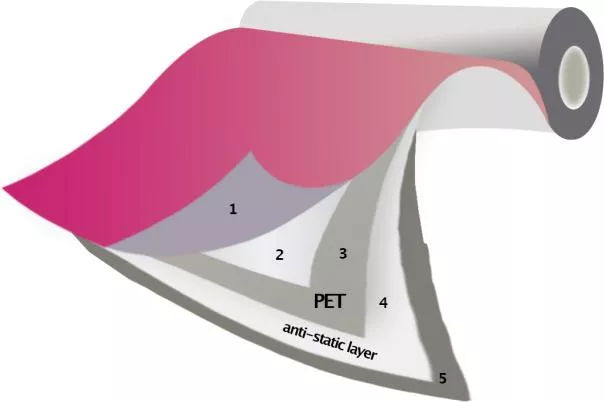
Press Release May-25-2026Premium vs Economic DTF Film: How to Choose the Right Grade
Understanding the differences can help you choose the right DTF transfer film and improve your printing efficiency. -
 Blog
Press Release May-25-2026
Blog
Press Release May-25-2026How to Avoid Static Problems in DTF Printing
Static electricity is one of the most common but easily overlooked problems in DTF printing. For many print shops, static issues may appear as powder sticking to the back of the film, unstable film feeding, dust attraction, ink mist, or poor transfer results. These problems not only reduce printing efficiency but also increase material waste and production costs. -
 Blog
Press Release May-25-2026
Blog
Press Release May-25-2026What Kind of Printing Process Can Fast-Dry Matte White PP Synthetic Paper Be Applied To?
To achieve the best results, it is important to choose the right printing process. Among the most suitable methods are flexo printing film and laser printing film, each offering distinct benefits for specific use cases.

contact
Tel: +86 17706217416
Add: Building L2A, No. 520, Lane 1588, Zhuguang Road, Hongqiao World Center, Qingpu District, Shanghai, China
follow us: