What Are DTF Film Cold Peel and Hot Peel Techniques and How to Choose?
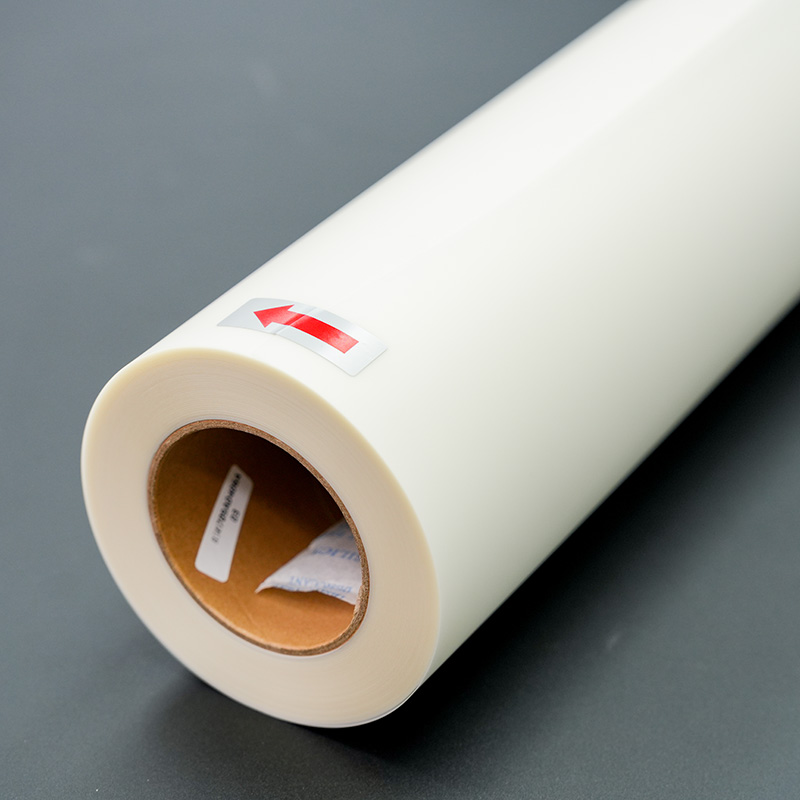
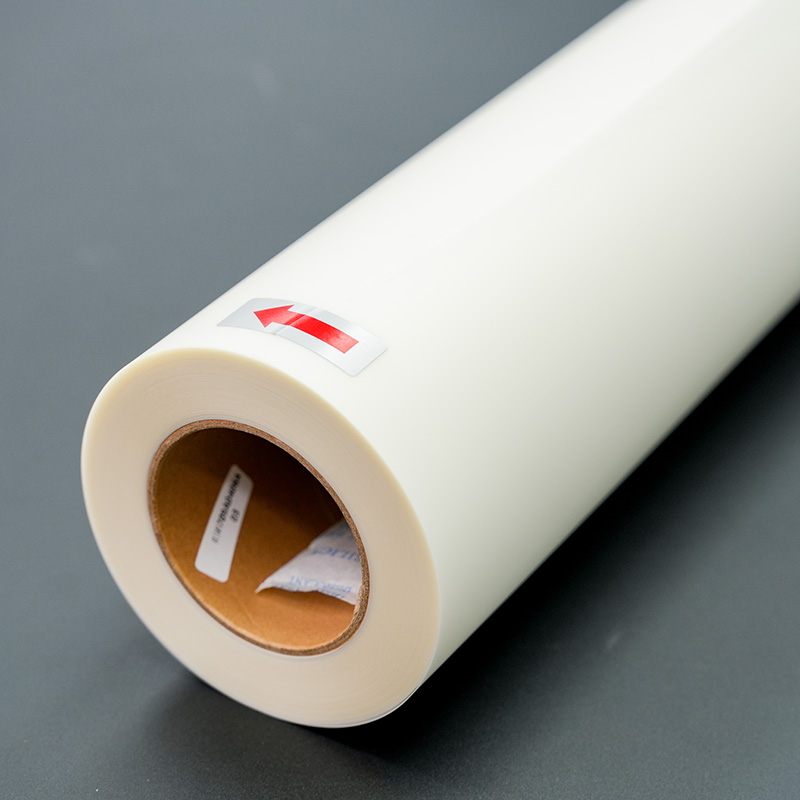
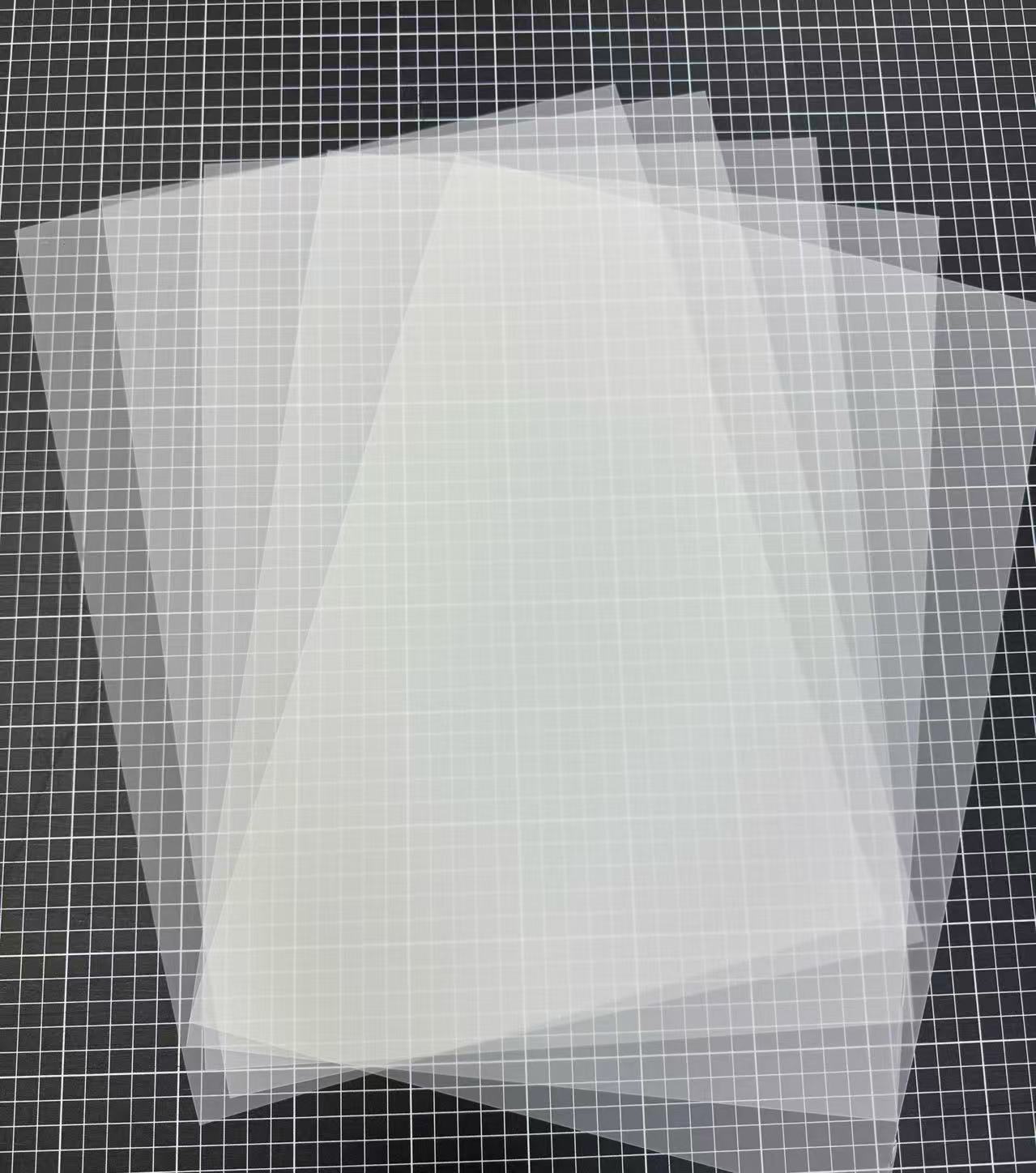
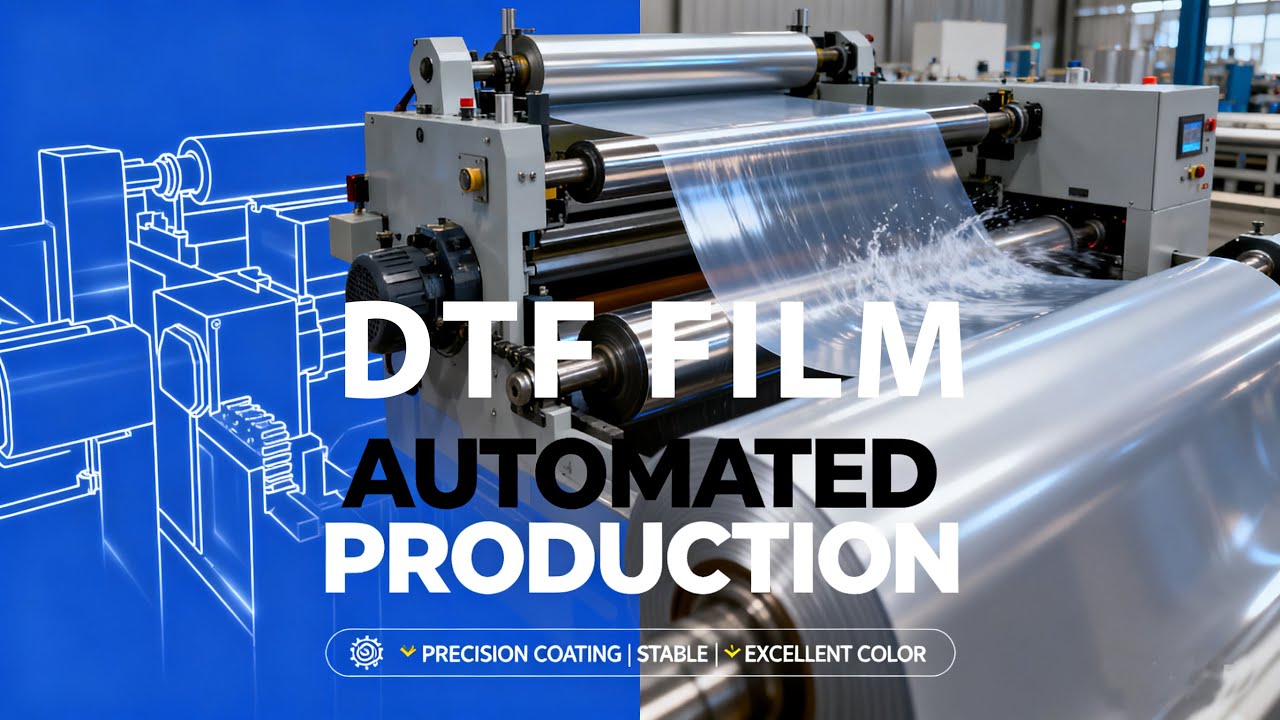
When exploring direct-to-film (DTF) printing, a common question arises: What is the difference between DTF film cold peel and hot peel? This choice significantly impacts your workflow efficiency and final print quality. DTF film is a specialized transfer film used to print vibrant, durable designs onto various textiles. The core distinction lies in the peeling method. Cold peel DTF film requires the printed and powdered transfer to cool completely to room temperature before the carrier film is removed. This method often yields a softer hand feel and excellent wash durability, making it ideal for high-end apparel. Conversely, hot peel DTF film is removed immediately after the powder melts and cures during the heat press cycle, while the transfer is still hot. This offers a faster production speed, suitable for high-volume orders, though it may require adjustments to achieve optimal softness. Understanding the properties of dtf film cold peel hot peel processes is crucial for any business. Your selection depends on your fabric type, desired print texture, production volume, and equipment. This guide will delve into the technical specifics, advantages, and ideal applications for each dtf film cold peel hot peel method, empowering you to make an informed decision that boosts your shop's productivity and product quality.

 English EN
 French FR
 German DE
 Portuguese PT
 Spanish ES
 Russian RU
 Japanese JA
 Korean KO
 Arabic AR
 Greek EL
 Turkish TR
 Italian IT
 Polish PL
 Hindi HI
 中国 CN
中国 CN







User Comments
Service Experience Sharing from Real Customers
Marcus
Graphic DesignerOkay, so I've been testing both the cold and hot peel DTF films for my custom apparel side hustle. The cold peel is a lifesaver for intricate designs – no more worrying about the film tearing on fine details. The hot peel version gives such a vibrant, slightly glossy finish that my clients love for bolder graphics. Took a couple of tries to get the temperature and timing perfect, but totally worth it. Half a star off because the carrier film on the hot peel can be a bit tricky to remove cleanly if you rush it.
Chloe
School Art TeacherAs a teacher on a budget, finding affordable materials that actually work is a win. I got a sample pack with both types to use for our club's fundraiser t-shirts. The kids found the cold peel way easier and less intimidating to handle (and safer!). The colors stayed super bright even after washing. The hot peel felt more professional, but we'll stick with cold for classroom use. Honestly, for the price and results, I'm thrilled. These films made our project look pro!
Raj
Small Business OwnerSwitched from another transfer method to these DTF films about 3 months ago. The cold peel is my go-to for most jobs – it's just reliable and the texture is great. The hot peel? That's my secret weapon for performance wear or items that'll get heavy wash cycles. The bond is incredible. Only reason it's not a full 5 stars is the learning curve. You really need to dial in your printer settings and curing process, but once you do, it's smooth sailing. Customer complaints about cracking designs have basically vanished.
Kiera
Hobbyist & Etsy SellerI'm just a hobbyist turning my doodles into stickers and totes, and wow, this stuff is fun! I started with the hot peel because a YouTube tutorial recommended it, and the peel is so satisfying when it comes off clean. Then I tried the cold peel for some watercolor-style designs, and the detail retention blew my mind. It feels less plasticky than other transfers I've used. My Etsy shop photos look way better now. No more 5-star reviews from me unless something is amazing, and this is.