
 English EN
 French FR
 German DE
 Portuguese PT
 Spanish ES
 Russian RU
 Japanese JA
 Korean KO
 Arabic AR
 Greek EL
 Turkish TR
 Italian IT
 Polish PL
 Hindi HI
 中国 CN
中国 CN
.webp)
Premium vs Economic DTF Film: How to Choose the Right Grade
Understanding the differences can help you choose ...
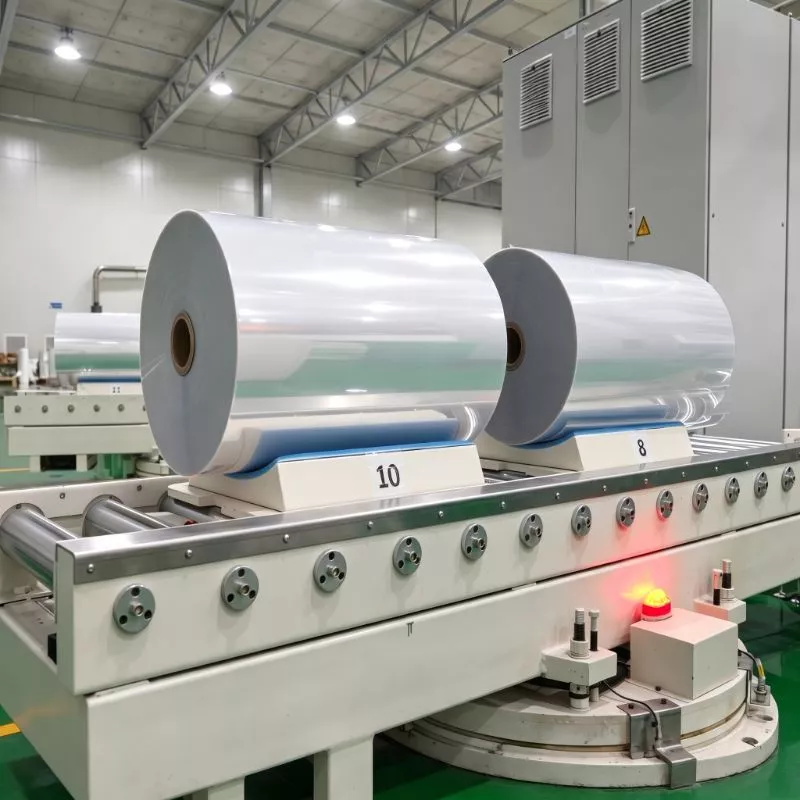
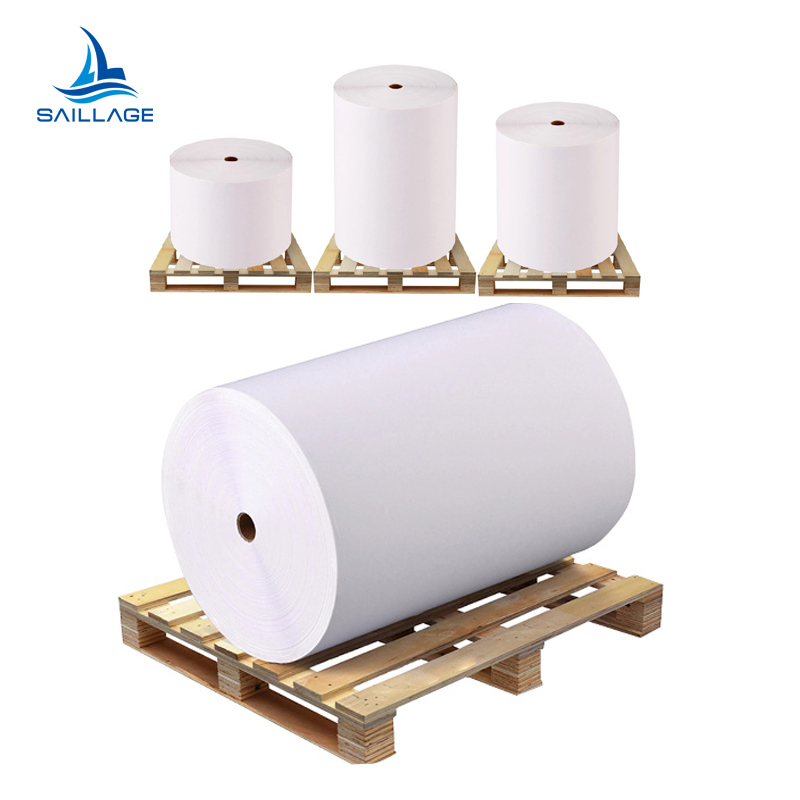
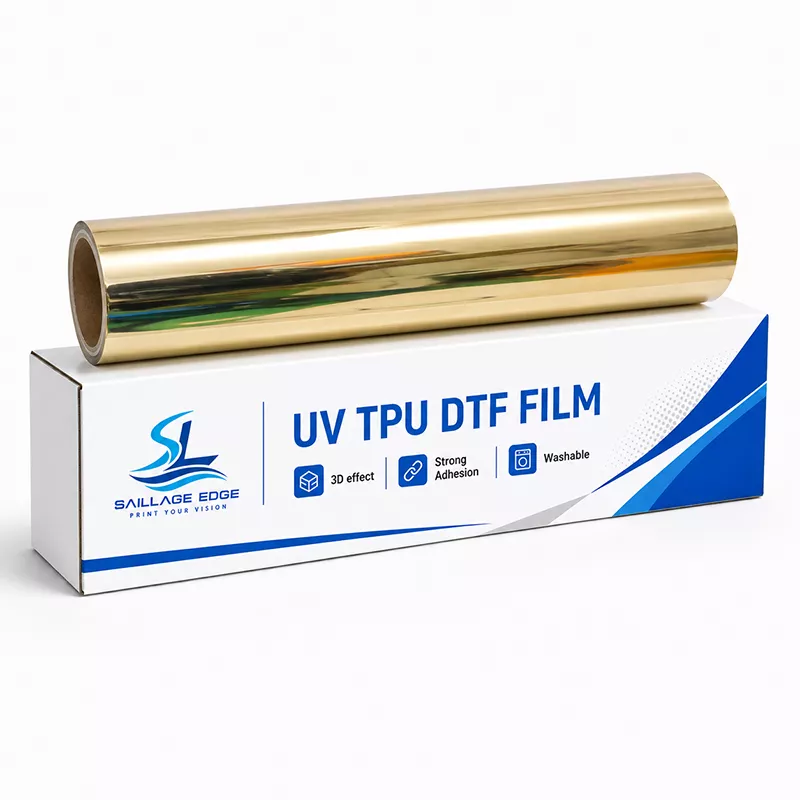
MoreWhat is DTF Film? It is a specially coated polyethylene terephthalate (PET) film.
This medium is essential for the Direct-to-Film process. Creators print their designs directly onto the dtf transfer film paper using specialized DTF inks. A heat press then applies heat and pressure, transferring the design from the film onto the fabric.
A creator's journey into DTF printing quickly leads to a fundamental decision: selecting between hot peel and cold peel film. This choice impacts workflow speed, the final look and feel of the garment, and the level of detail a design can achieve. Understanding the distinct characteristics of each type is crucial for producing high-quality results.
Hot peel film is engineered for speed and efficiency. Its name describes its function perfectly. A user peels the film away from the garment immediately after the heat press cycle finishes, while the transfer is still hot. This immediate release significantly accelerates production, making it a favorite for high-volume orders.
The film itself is a sophisticated multi-layered product.
The base is a high-grade Polyethylene Terephthalate (PET) material.
A special ink absorption layer, often containing Polyacrylic acid, provides excellent performance, especially for white ink.
The surface has a microporous structure for precise ink deposition. This feature maintains color vibrancy and prevents ink from bleeding.
A stable Statics Conducting Layer helps prevent small dust particles from clinging to the film.
This construction gives hot peel transfers a distinct matte finish and a soft feel that integrates well with the fabric. The quick release also reduces the risk of scorching the garment, as the heat is applied for a shorter duration.
Technical Snapshot: Hot peel film is typically a 75μm thick, transparent PET sheet. It is insoluble in water and has a high melting point of around 254°C (489°F), ensuring stability under the heat press.
Cold peel film prioritizes detail and durability. Unlike its hot peel counterpart, this film must cool down completely before a user can peel it from the fabric. This cooling process is a critical step.
Pro Tip: For optimal results, creators should allow the transfer to cool for a full 30 to 60 seconds. This period ensures the adhesive bond is fully set, preventing parts of the design from lifting during the peel.
This deliberate cooling process allows the adhesive to form an exceptionally strong bond with the garment's fibers. The result is a transfer known for its sharp, crisp edges and glossy or semi-gloss finish. This makes cold peel the superior choice for designs with fine lines, small text, or intricate details. The user experience is often more forgiving, as the firm bond reduces the risk of errors during peeling.
Selecting the right dtf transfer film paper depends entirely on the project's priorities. A creator must weigh the trade-offs between speed, detail, durability, and feel.
This is the most significant difference. Hot peel offers a much faster workflow, making it ideal for large orders with tight deadlines. The ability to peel immediately can dramatically increase the number of garments produced per hour. Cold peel, with its mandatory cooling period, slows down production but delivers unmatched precision.
| Feature | Hot Peel | Cold Peel |
|---|---|---|
| Best For | Solid colors, simpler graphics, high-volume production. | Fine lines, small text, intricate and photographic designs. |
| Application Speed | Faster production time due to immediate peeling. | Slower production time due to the required cooling period. |
| Fine Details | Can be challenging; details may lift or distort. | Excellent; provides sharp, precise edges. |
While both films offer good durability, cold peel transfers generally show better longevity. After numerous wash cycles, cold peel designs are less likely to crack and demonstrate superior color retention. This is because the adhesive forms a more flexible bond with the fabric. Hot peel transfers, while durable, can feel slightly more rigid over time.
The ideal film can also depend on the fabric. Different materials respond better to specific temperature and time settings.
| Fabric Type | Temperature | Time | Recommended Peel Type |
|---|---|---|---|
| Cotton | 315°F (157°C) | 15 seconds | Cold peel |
| Polyester & Blends | 290°F – 300°F (143°C – 150°C) | 12 – 15 seconds | Hot peel |
Ultimately, the choice is a strategic one. For a business focused on rapid fulfillment of simple logo wear, hot peel is the clear winner. For a brand that prides itself on intricate, high-detail art on premium garments, cold peel is the professional standard. Many print shops keep both types on hand to meet the diverse needs of their clients.
Beyond the peel type, the film's coating and finish are critical for both the printing process and the final aesthetic. The coating dictates how the film interacts with the printer and how the ink behaves, while the finish defines the design's final look on the garment.
The most common dtf transfer film paper features a matte finish, but it comes in two primary configurations: single-sided and double-sided. A single-sided film has the ink-receptive coating on just one side. A double-sided film, however, features a special coating on both sides. The print side absorbs the ink, while the reverse side has an anti-slip coating.
This dual-sided construction is engineered to solve common printer issues. The benefits of its advanced, multi-layer design include:
Enhanced Grip: An anti-slip coating on the back improves traction with printer rollers, preventing feeding errors and ensuring smooth movement.
Vibrant Colors: Dual ink-absorbing layers contribute to richer color saturation and a wider color gamut, often allowing for ink savings.
Consistent Quality: An anti-static layer helps repel dust, keeping prints clean and professional.
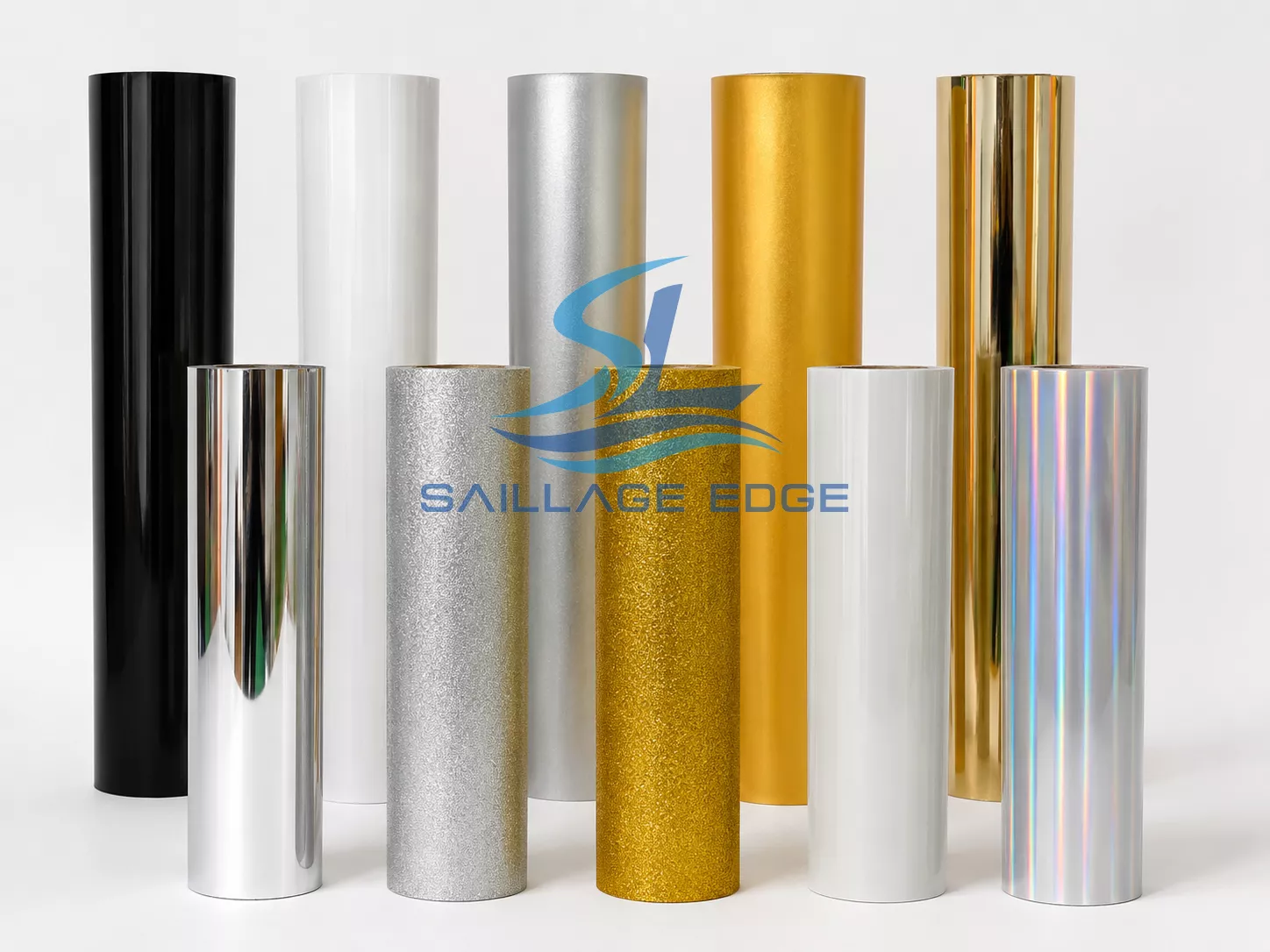
For creators looking to produce eye-catching apparel, specialty films offer exciting creative options. These films embed unique properties directly into the transfer.
Glitter DTF film is ideal for clients who desire a sparkling, new dimension in their apparel, offering a soft texture along with the desired shimmer.
This makes it a popular choice for specific markets that want to stand out. Common use cases include:
Dance companies
Cheer squads
"Football mom" apparel
Any client seeking extra sparkle
Other options include Luminous film, which glows in the dark after being charged with light, and Reflective film, which shines brightly when hit with a direct light source like a camera flash or headlights.
Selecting the right film is more than a simple supply purchase; it is a critical decision that directly influences print quality, production efficiency, and the durability of the final product. A creator must consider several technical factors to ensure the film works harmoniously with their equipment and meets their quality standards.
The synergy between the printer, ink, and film is the foundation of a successful DTF print. Mismatched components almost always lead to poor results and wasted materials.
Most DTF printers use specialized water-based pigment inks. These inks require a film with a coating specifically designed to manage them. The compatibility between the ink and the film's coating is essential for superior print quality. It ensures proper ink absorption, vibrant color output, and strong adhesion.
The science behind this involves the film's surface properties. High-quality films have coatings engineered to optimize the contact angle—the way an ink droplet interacts with the surface. A correct contact angle allows the ink to spread perfectly, creating sharp lines and excellent opacity, especially for the white ink layer.
Furthermore, the coating must be perfectly uniform across the entire film. Any variations in thickness can cause inconsistent ink absorption, leading to problems like banding or color shifts in the final print. Using a film that is certified for your ink type is the best way to prevent these issues and achieve consistent, professional results.
The physical dimensions of the film—its thickness and size—are practical considerations that affect both the printing process and purchasing decisions.
Film thickness is measured in microns (μm) and directly impacts how the film feeds through a printer. Thicker films are more rigid and stable, reducing the risk of jams, misalignments, or head strikes. Thinner films are more flexible but can be challenging for some printer roller systems to handle.
| Film Thickness (microns) | Characteristics & Printer Feeding Impact |
|---|---|
| 75μm - 90μm | This is the standard range. The film is rigid enough to feed easily through most printers, reducing jams and curling. It is an excellent choice for both beginners and professionals. |
| 100μm - 150μm | Very thick and rigid. This film offers maximum stability, making it ideal for high-speed industrial printers and large-format jobs where flatness is critical. |
| Under 75μm | Thinner and more flexible. This film can be prone to curling and may cause feeding issues in printers with less precise roller systems. It requires more careful handling. |
Film size depends on the printer model. Desktop printers typically use sheets, while larger, industrial machines use rolls for continuous printing.
| Type | Common Sizes | Best For |
|---|---|---|
| Sheet | A4 (8.3" x 11.7"), A3 (11.7" x 16.5") | Small desktop printers, low-volume production, beginners. |
| Roll | 13", 17", 24" widths | Converted desktop printers and mid-size commercial machines. |
| Roll | 24", 30", 51" widths | Large-format industrial printers for high-volume, continuous production. |
Choosing the correct size is straightforward: match the film width or sheet size to your printer's specifications to avoid waste and ensure a smooth workflow.
Distinguishing a premium dtf transfer film paper from a low-quality alternative is a key skill for any print professional. Using subpar film can lead to a host of problems, including ink smudging, poor powder adhesion, and designs that peel off after just a few washes. Inferior film may also stretch or shrink under the heat press, distorting the final image.
Here are several physical checks a user can perform to assess film quality:
Check Coating Uniformity: Hold the film at an angle to a light source. The surface should have a consistent, even matte finish with no visible scratches, bubbles, dirt, or gaps in the coating.
Inspect the Edges: The edges of the film roll or sheet should be neat and clean. Wavy or damaged edges can cause the film to catch or misalign in the printer.
Assess Film Thickness: Gently feel the film. It should feel consistent in thickness from edge to edge. Inconsistencies can cause uneven printing and curing.
Perform a Scrape Test: Lightly scrape the coated side with a fingernail. On a high-quality film, the coating will remain intact. If the coating flakes off and exposes the shiny PET base, it is a sign of poor quality.
Investing in premium film from a reputable supplier is always more cost-effective in the long run. It prevents failed prints, saves time, and ensures the final garments meet customer expectations for durability and appearance.
Navigating the market for DTF supplies can be daunting. This guide simplifies the buying process, helping creators choose the right film for their specific needs and avoid common purchasing pitfalls.
Newcomers to DTF printing should prioritize a user-friendly and forgiving workflow. Cold peel films are an excellent choice. Their stress-free peeling process allows more time to work and significantly reduces mistakes. Brands like Printomize Cold Peel Film offer a great balance of affordability and durability for hobbyists. For a more comprehensive start, many suppliers offer a DTF Starter Kit with film, powder, and solutions for around $259.00, providing a solid foundation.
| Feature | Cold Peel Films | Hot Peel Films |
|---|---|---|
| Ease of Use | Beginner-friendly | Requires skill & speed |
| Risk of Errors | Reduced | Higher |
High-volume shops require speed and consistency to meet demanding schedules. Hot peel films are the industry standard for accelerating production.
FilmKing UltraGloss DTF is a popular hot peel option that enables fast turnaround times.
STS DTF Film offers flexibility with both hot and cold peel compatibility. Experienced print shops favor it for consistent, professional-grade results on high-resolution jobs.
Choosing the right dtf transfer film paper ensures that production lines run smoothly and efficiently.
Purchasing from reputable manufacturers and suppliers is critical for quality. Companies like Procolored in the United States or Xpres in the U.K. are established sources. However, creators must exercise caution with marketplace sites like Alibaba or eBay. Buying from unverified sellers carries significant risks, including non-delivery of goods or receiving counterfeit products.
A wise philosophy for buying from unverified overseas sellers is this: never pay an amount more than you would be comfortable just setting on fire and watching it burn.
Protect your investment by purchasing from trusted vendors who guarantee their product quality.
A creator's journey starts with a choice between cold peel for detail and hot peel for speed. They must verify film compatibility with their printer to prevent errors. Investing in quality film is cost-effective, avoiding the faded prints and unhappy customers that come with cheap alternatives. Creators now have the knowledge to confidently select the perfect DTF film.
Film curls due to humidity. A creator should store it in a cool, dry place. Keeping film in its original packaging helps maintain flatness and print quality.
Users must store film in a climate-controlled environment, away from direct sunlight and moisture. This practice preserves the coating and prevents printing issues.
No, DTF film is a single-use product. The coating and design transfer to the garment during the heat press process, rendering the sheet unusable for another print.



Select the most popular foreign trade service products to meet your diverse needs
Select the most popular foreign trade service products to meet your diverse needs

Tel: +86 17706217416
Add: Building L2A, No. 520, Lane 1588, Zhuguang Road, Hongqiao World Center, Qingpu District, Shanghai, China






User Comments
Service Experience Sharing from Real Customers
Michael Rodriguez
Graphic DesignerThis DTF transfer film paper is a game-changer for our custom apparel shop. The colors come out incredibly vibrant and the transfer feels soft on fabric. It's now our go-to for all our t-shirt designs.
Sarah Chen
Small Business OwnerAs someone who runs a small merchandise business, I've tried many transfer papers. This DTF film offers excellent value. The adhesion is strong and durable after washing. One star off because the instructions could be clearer for beginners.
James Wilson
Production ManagerWe use this DTF transfer paper for bulk orders in our promotional products company. The consistency is outstanding—no clogging or misprints across long runs. It has significantly improved our production efficiency and quality.
Lisa Thompson
Art Teacher & EntrepreneurPerfect for my side business creating custom tote bags and hats. The detail reproduction on dark fabrics is impressive, and the transfers are flexible without cracking. My customers love the professional finish.