
 English EN
 French FR
 German DE
 Portuguese PT
 Spanish ES
 Russian RU
 Japanese JA
 Korean KO
 Arabic AR
 Greek EL
 Turkish TR
 Italian IT
 Polish PL
 Hindi HI
 中国 CN
中国 CN
.webp)
.webp)
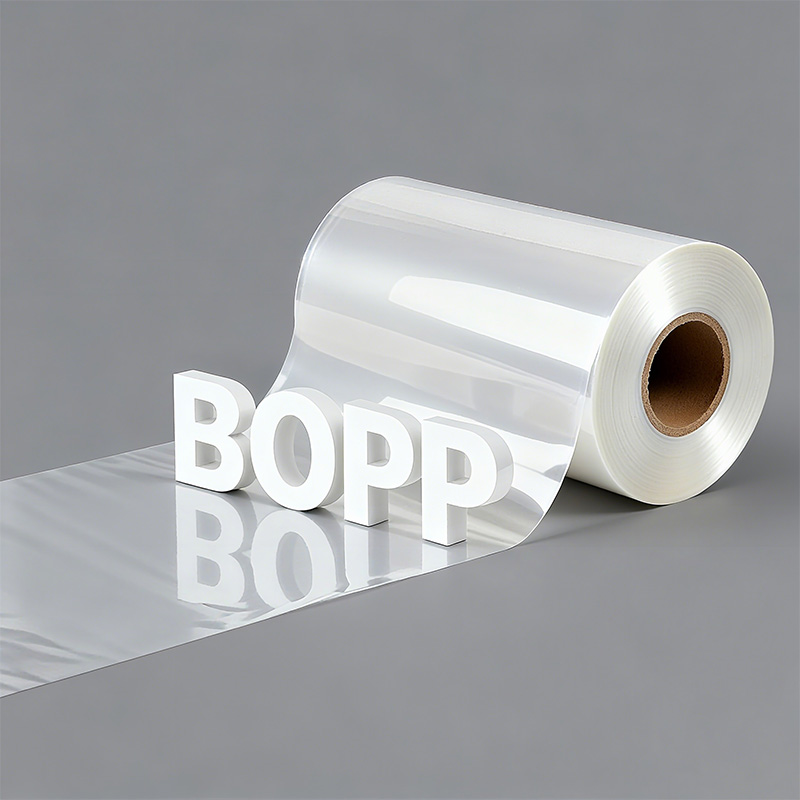
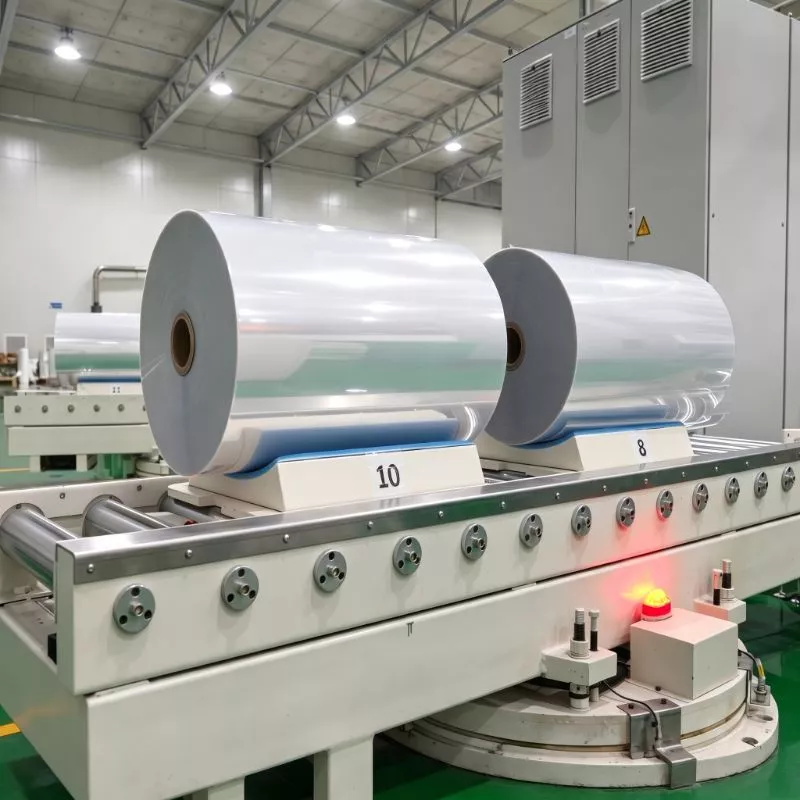
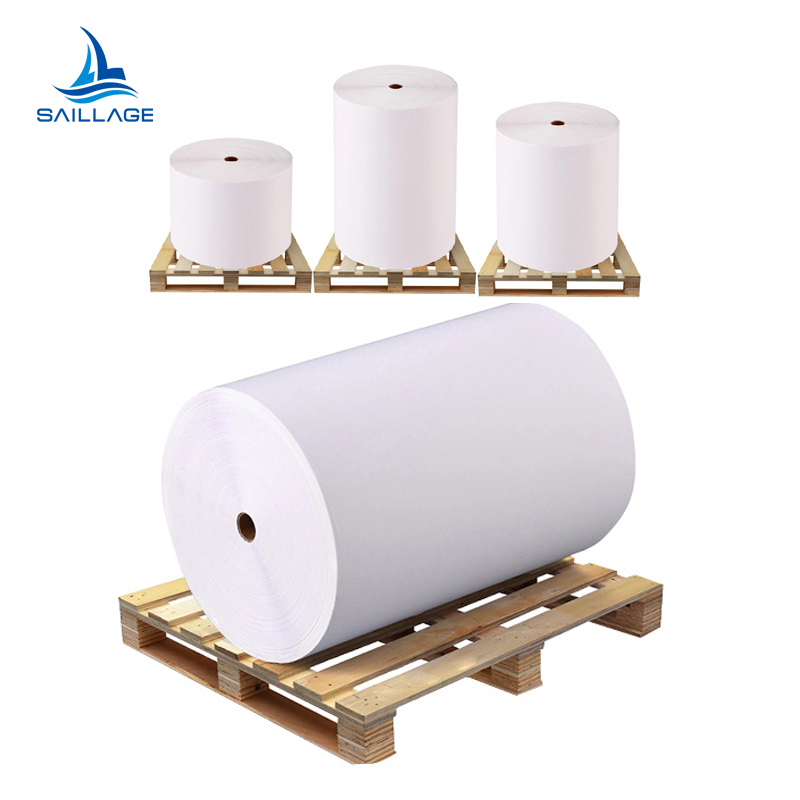
The features of substrate BOPP film for in-mold lable production
In-mold labeling (IML) is a highly efficient decor...
MoreDirect-to-film (DTF) technology now decorates an estimated 50% of all T-shirts produced globally. Printers face a critical decision with their film dtf: selecting between hot peel and cold peel.
The choice depends entirely on project priorities. Hot peel film serves fast production needs. Cold peel film ensures intricate designs and maximum longevity for premium results.

Understanding the fundamental distinctions between hot and cold peel films empowers printers to make informed decisions. These differences impact everything from the production line to the final product's look, feel, and lifespan.
The name says it all. Printers peel hot peel film immediately after heat pressing while the transfer is still hot. This process is quick and straightforward. Cold peel film, conversely, must cool completely to room temperature before the printer can remove the film. This cooling period allows the adhesive to fully set and bond with the fabric fibers.
The core difference lies in the adhesive layer's composition, which dictates the peeling temperature.
| Film Type | Adhesive Layer Composition |
|---|---|
| Hot Peel | Water-based back-coating technique |
| Cold Peel | Oil-based back-coating method |
This chemical distinction is the primary reason for their different application methods and final results.
Production speed is a major factor for any print shop. Hot peel film offers a significant advantage in this area. The immediate peel time eliminates waiting, allowing operators to move from one garment to the next without delay. This makes it the ideal choice for high-volume jobs with tight deadlines.
Note: Cold peel introduces a mandatory cooling step. An operator must set the garment aside for a minute or two before peeling. This pause slows down the overall workflow and can create bottlenecks in a busy production environment.
The choice of film directly influences the aesthetic and tactile qualities of the finished design. Each type produces a distinct look and feel.
Hot Peel Transfers: These typically result in a high gloss, shiny, and smooth finish. The design sits more on top of the fabric and feels initially softer due to a thinner adhesive layer. This vibrant finish makes colors pop.
Cold Peel Transfers: These offer a premium, soft, and matte finish. The design appears more integrated into the fabric. While the transfer may feel slightly thicker at first, it becomes more flexible after curing, moving naturally with the garment.
Durability is where cold peel film truly excels. The slow curing and peeling process creates a stronger, more permanent bond between the ink, adhesive, and fabric.
A properly applied cold peel transfer can withstand an impressive number of wash cycles. Industry tests show these prints can endure 50 to 60 washes, and sometimes more, without significant cracking, fading, or peeling. This longevity makes cold peel the superior choice for premium apparel and workwear.
Hot peel transfers are also durable, but their longevity is more dependent on a perfect application. Because the adhesive sets quickly, it can sometimes become rigid over time. This may lead to subtle cracking after many washes, especially on garments that stretch frequently. For maximum durability from any film dtf, a quality application is key.
Hot peel film is a powerful tool when used in the right scenarios. Printers choose it to prioritize speed and efficiency for specific types of jobs. Understanding its strengths helps shops maximize their output and meet demanding client needs.
Time is money in the printing business. Hot peel film is the undisputed champion for speed. The ability to peel the film immediately after pressing eliminates any cooling downtime. This creates a continuous, efficient workflow perfect for large-scale production.
Shops handling bulk orders for events, promotional campaigns, or staff uniforms benefit greatly. An operator can press a garment, peel the transfer, and move to the next item in a seamless cycle, drastically increasing units produced per hour.
This rapid process makes hot peel the go-to choice for jobs with tight deadlines where maximizing throughput is the primary objective.
Hot peel film performs best with designs that are bold and uncomplicated. The immediate peeling process does not allow the adhesive to fully set into the fabric's finest textures. This can cause very small text or intricate lines to appear less sharp or even blur. The weaker adhesion on delicate elements means tiny details might peel off after repeated washing.
This technical limitation makes the film dtf ideal for graphics with solid shapes and thick lines. Examples of suitable designs include:
Hometown Love: Bold town names or state outlines combined with simple fall art.
Old-Time Fair Feels: Vintage-style logos using blocky fonts, banners, and starbursts.
Team Logos: Simple, one or two-color logos with clear text and shapes.
For these applications, hot peel delivers a vibrant, glossy finish that makes bold colors pop without risking the loss of critical design details.
Cold peel film is the definitive choice for projects where quality, detail, and longevity are non-negotiable. Printers select this method to produce premium garments that stand the test of time and showcase intricate artwork flawlessly.
Cold peel film creates an exceptionally strong bond with fabric. The extended cooling period allows the adhesive to cure completely, embedding the design into the garment's fibers. This process results in a transfer that is highly resistant to cracking, peeling, and fading. The superior durability makes it the ideal film dtf for high-end retail apparel, workwear, and any item expected to endure frequent washing.
Customer feedback consistently praises its longevity:
One user noted the sustained vibrancy of colors even after numerous washes.
Another highlighted the durability, stating their shirt still looked new after more than 30 washes.
A third praised both the easy application and the excellent longevity of the transfers.
The slow, controlled peeling process of cold peel film is perfect for designs with fine lines and complex elements. The adhesive has ample time to set, ensuring that even the most delicate details transfer cleanly and adhere securely. This precision prevents small text or thin lines from lifting off with the film.
For best results, printers must follow specific design guidelines. The minimum recommended line thickness is 0.02 inches (0.5mm). Anything thinner risks poor ink coverage and weak powder adhesion, compromising the print's durability.
Design Tip: To ensure clarity and prevent blurring, lines should be at least 1mm thick, especially on dark fabrics. Maintain sufficient spacing between elements and make sure small text is large enough to be easily legible.
Matching the film type to the fabric is crucial for a successful application. The material's composition and texture directly influence how the adhesive bonds, making fabric choice a key factor in the final quality of your film dtf project.
Hot peel film excels on smooth, standard fabrics where speed is a priority. It performs reliably on 100% cotton and is particularly effective on cotton-polyester blends.
Popular blend ratios like 50/50 and 60/40 work very well.
DTF shows exceptional results with blends ranging from 50/50 to 75/25 polyester-cotton.
Hot peel adhesives also bond well with synthetic materials like polyester. The thermoplastic polymers in the adhesive soften with heat, allowing them to flow and grip the fabric's surface. As the material cools, the polymers solidify, creating a strong physical connection. This process works efficiently on polyester due to its high melting point and smooth surface.
Cold peel is the superior solution for difficult or textured fabrics. Its flexible application makes it ideal for materials where a standard hot peel might fail. Printers can achieve high-quality prints on surfaces like:
Canvas
Denim
Linen
Flannel
Pro Tip: For textured fabrics like canvas, pre-press the garment for about 5 seconds. This action flattens the surface, removes moisture, and eliminates factory coatings. After peeling, a second press fully embeds the design for a smoother feel.
On heavy materials like denim, operators should use firm pressure. This ensures the adhesive penetrates the fabric's deep texture and thick seams, creating a durable, long-lasting bond that can withstand heavy use.
For printers seeking a balance between the speed of hot peel and the quality of cold peel, warm peel films offer a compelling middle ground. This hybrid option combines features from both methods to create a versatile and efficient solution.
Warm peel films are designed with a specialized adhesive and release liner. The liner has a medium release value, which dictates the peeling process.
Printers peel the film approximately three to five seconds after the heat press opens. This brief cooling window allows the hot melt adhesive to partially re-solidify. The strength of the adhesive's bond to the fabric builds as it cools, creating enough force to oppose the liner's peel adhesion value for a clean release.
This controlled process is faster than a full cold peel but more deliberate than an immediate hot peel.
Warm peel film attempts to deliver the advantages of both hot and cold peel methods. It provides a significant speed increase over cold peel while offering a more premium finish than most hot peel films. However, there are trade-offs, particularly with fine details.
| Feature | Cold Peel Film | Warm Peel Film |
|---|---|---|
| Detail Retention | Excellent for fine lines and intricate patterns. | Struggles with tiny, intricate details; may lose elements. |
While warm peel offers a desirable matte finish, its detail retention is not as robust as cold peel. Printers may find that the finest lines or smallest text do not transfer as reliably.
Warm peel film is an excellent choice for shops that need a versatile, all-in-one solution. It suits printers who:
Frequently handle a mix of simple and moderately detailed designs.
Want to achieve a matte finish without the long cooling times of cold peel.
Need to streamline their inventory by stocking one type of film for most jobs.
This film is ideal for businesses that prioritize a balance of efficiency, quality, and flexibility in their daily operations.
Printers should select hot peel film for high-volume jobs where speed is the priority. Cold peel delivers superior quality and durability for premium, detailed work. For a versatile solution, warm peel provides a balance of both. Aligning the film choice with business goals—whether maximizing hourly output or delivering unmatched quality—is key to success.
Cold peel film is often better for beginners. Its delayed peeling process is more forgiving. This reduces the risk of errors and helps ensure a successful, high-quality transfer.
Printers should first verify their heat press settings. Incorrect temperature, pressure, or time are common causes of adhesion failure. Also, confirm the fabric is compatible with the chosen film.
Hot peel film performs best on smooth fabrics like cotton and polyester blends. For textured materials like canvas or denim, printers should use cold peel film for a stronger bond.



Select the most popular foreign trade service products to meet your diverse needs
Select the most popular foreign trade service products to meet your diverse needs

Tel: +86 17706217416
Add: Building L2A, No. 520, Lane 1588, Zhuguang Road, Hongqiao World Center, Qingpu District, Shanghai, China






User Comments
Service Experience Sharing from Real Customers
Michael Chen
Graphic DesignerThe film DTF transfers are exceptional! The colors are vibrant and the detail on complex designs is perfectly preserved. Washes beautifully without cracking. A game-changer for our custom apparel shop.
Sarah Johnson
Print Shop OwnerExcellent product for short runs and detailed artwork. The film is consistent and feeds through our DTF printer without issues. Slightly higher cost is justified by the quality and reduced waste.
David Rodriguez
Merchandise ProducerAs a producer for band merch, we need durability and vivid prints. This film DTF delivers on both. The hand feel is soft, and the prints survive countless tours. Highly recommended for any garment decoration business.
Jessica Williams
Small Business OwnerStarting a home-based t-shirt business was daunting, but this film DTF product made it so much easier. The results are professional-grade, and the process is straightforward. Customer compliments on print quality are non-stop!