
 English EN
 French FR
 German DE
 Portuguese PT
 Spanish ES
 Russian RU
 Japanese JA
 Korean KO
 Arabic AR
 Greek EL
 Turkish TR
 Italian IT
 Polish PL
 Hindi HI
 中国 CN
中国 CN
.webp)
Join Saillage at Impressions Expo Long Beach 2026 – Visit Us at Booth 681!
We are thrilled to announce that Saillage will be ...
MoreCrafters often question using a sublimation printer for Direct-to-Film (DTF) projects. A standard sublimation printer with its unique ink cannot produce professional DTF results. The core problem lies in ink incompatibility. Sublimation ink relies on a gassing process. The DTF method requires a specialized ink and adhesive powder. Some people experiment with sublimation ink on dtf film, but this technique has considerable limitations. For reliable and high-quality outcomes, a dedicated DTF printer and its specific supplies remain the superior path.
Understanding the core science behind each ink type reveals why they are not interchangeable. Each process relies on a unique chemical reaction and application method to create a final design. A crafter's success depends on using the correct ink for the intended decoration style.
Sublimation ink is a special dye. Heat and pressure trigger a unique chemical process. The solid ink on the transfer paper bypasses the liquid state and turns directly into a gas. This gas then permeates the fibers of polyester or polymer-coated materials.
The process follows these key steps:
The ink bonds permanently with the fabric fibers.
The design becomes a part of the substrate itself.
This results in a print with no texture or feel.
This method is limited to light-colored, high-polyester-count fabrics or specially coated hard surfaces.
Direct-to-Film (DTF) ink is a water-based pigment ink. It works very differently from sublimation dye. Crafters print the design onto a special film, creating a wet layer of ink. They then apply an adhesive powder to the wet ink, which is then melted to form a smooth, flexible adhesive layer. This entire design is then heat-pressed onto a garment. The ink sits on top of the fabric, creating a tangible layer similar to a screen print. This versatility allows DTF to work on cotton, polyester, blends, and various other materials of any color.
The chemical compositions of these inks are fundamentally incompatible. One cannot simply pour DTF ink into a sublimation printer or vice versa without significant issues.
Key Takeaway: Sublimation ink is a dye designed to become a gas. DTF ink is a pigment designed to sit on a surface and bind with an adhesive. They perform completely different physical functions.
Attempting to use the wrong ink can lead to poor results and potential printer damage. The viscosity and chemical properties are engineered for specific printheads. For example, using thick pigment-based DTF ink in a printer designed for thin sublimation dye can cause irreversible clogs in the printhead nozzles. Each system requires its dedicated ink to function correctly and produce durable, high-quality transfers.
Achieving professional, durable results with Direct-to-Film requires a specific, integrated system. Crafters cannot simply use a piece of DTF equipment in isolation. The printer, inks, powder, and curing process all work together. Success depends on using each component as intended.
A true DTF printer is engineered differently from a standard desktop or sublimation printer. The internal mechanics accommodate the unique properties of DTF inks. These printers often feature white ink circulation systems. This technology is crucial because the titanium dioxide pigments in white ink are heavy and can settle, leading to clogs. The printer constantly agitates or circulates the ink to maintain a consistent mixture.
The initial investment for a dedicated DTF system is significantly higher than for an entry-level sublimation setup. This cost reflects the specialized technology required for reliable production.
| Printing Method | Entry-Level Cost |
|---|---|
| DTF Printing | $3,000 and up |
| Sublimation | Under $500 |
The higher price point of a DTF printer provides access to a much wider range of applications, including printing on dark cotton, polyester, and blended fabrics.
The consumables are as critical as the hardware. DTF inks are water-based pigment inks formulated to adhere to the coating on the dtf film. The adhesive powder is a finely ground thermoplastic polyurethane (TPU). This powder sticks only to the wet ink, creating the bonding layer that will attach the design to a garment.
Handling these materials requires professional safety protocols. Their chemical composition makes proper handling essential for user safety.
⚠️ Safety First: Handling DTF Supplies
DTF inks and powders are generally low-hazard, but users must always prioritize safety. Following material safety data sheet (MSDS) guidelines is non-negotiable.
Always wear appropriate personal protective equipment (PPE). This includes gloves, safety glasses, and a respirator.
Ensure the work area has adequate ventilation to minimize inhaling fumes and airborne particles.
Avoid direct skin and eye contact with the ink and powder.
Store DTF supplies in a cool, dry place away from direct sunlight.
Keep all containers tightly closed when not in use.
Dispose of waste materials according to local hazardous waste regulations.
After an operator applies the adhesive powder, the ink and powder on the dtf film must be cured. Curing is the process of melting the TPU powder into a smooth, even sheet of adhesive over the printed ink. This is typically done with a heat press in a non-contact "hover" mode or in a dedicated curing oven. The temperature and time must be precise.
Proper curing is essential for a transfer that washes well and feels smooth. Visual indicators help a crafter determine if the cure was successful.
| Cure State | Visual Indicators | Result on Garment |
|---|---|---|
| Properly Cured | Clear, glossy, smooth film; feels like soft plastic | Strong bond, good washability, vibrant colors |
| Under-Cured | Tacky to the touch; visible grainy powder remains | Poor adhesion, design may peel after washing |
| Over-Cured | Ink colors appear yellowed or browned; film is brittle | Ink may crack, poor adhesion, discolored design |
Mastering this final step ensures the entire DTF transfer is stable and ready for application. It transforms the printed design into a durable, professional-grade embellishment.
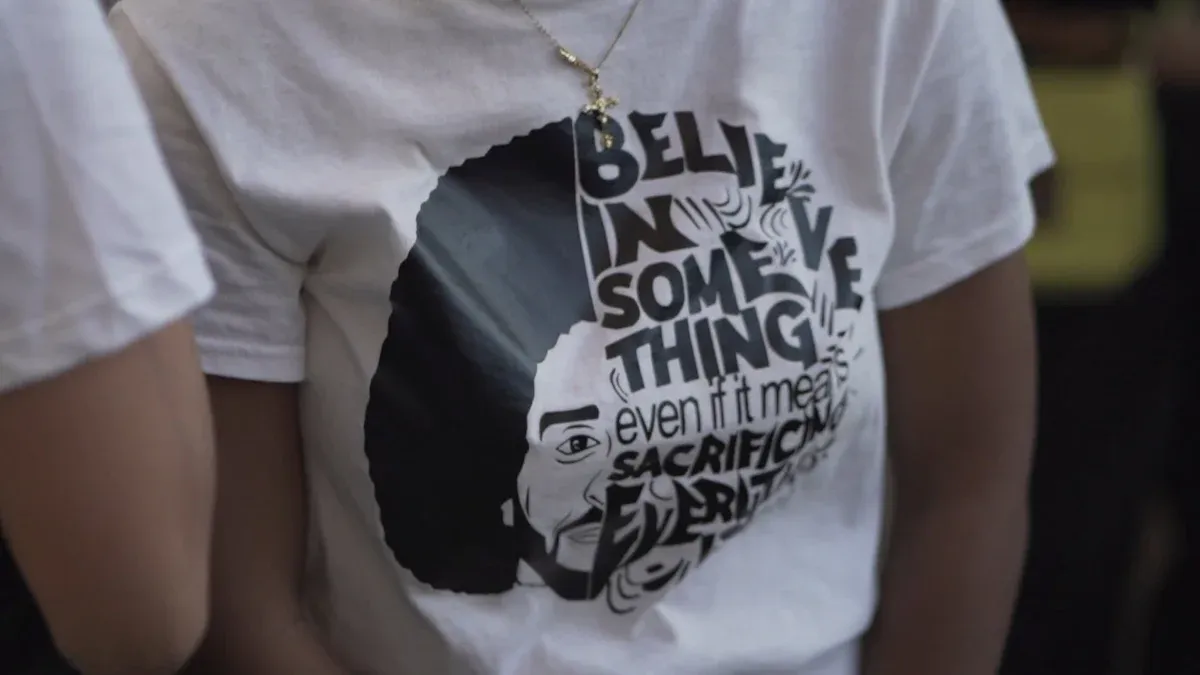
The crafting community often explores creative workarounds, leading to the "sublimation hack." This experimental method involves using a sublimation printer and its ink to create a transfer similar to DTF. While intriguing, this process deviates significantly from professional standards and produces results with major limitations. It is more of a science experiment than a reliable production technique.
Yes, a crafter can technically print a design with sublimation ink onto a sheet of dtf film. A sublimation printer will feed the film and deposit ink onto its surface just like it would with paper. The ink, however, does not absorb. It simply sits on top of the film's special coating as a wet layer.
The basic steps for this experimental process are:
A user prints their design onto the film using a sublimation printer and ink.
They immediately cover the wet ink with DTF adhesive powder.
The user then cures the powder over the ink using a heat source.
Finally, they press the completed transfer onto a garment.
This process mimics the DTF workflow but uses an ink that was never designed for this application.
The DTF adhesive powder is the single component that makes this hack possible. Sublimation ink is designed to turn into a gas under heat. If a user pressed a film with only sublimation ink onto a shirt, the ink would sublimate, but it would not create a durable, opaque design on the fabric surface.
The adhesive powder acts as a carrier and a bonding agent. It sticks to the wet sublimation ink, melts during the curing stage, and creates the adhesive layer that attaches the entire design to the garment. Without the powder, the "hack" completely fails.
The powder essentially traps the sublimation dye before it can fully turn into a gas. It encases the dye within a plastic-like layer that is then heat-pressed onto the fabric.
The primary drawbacks of this method relate to quality and durability. The bond created between sublimation ink and DTF powder is chemically weak. This results in a transfer that cannot withstand the rigors of regular use and washing. The final product is consistently inferior to transfers made with either a proper DTF or a proper sublimation system.
A comparison reveals the significant compromises a user makes with this hack.
| Feature | "Sublimation Hack" Method | Standard DTF Method |
|---|---|---|
| Vibrancy | Dull, low-density colors. No white ink for darks. | Bright, opaque colors with a white underbase. |
| Durability | Poor. Cracks and fades quickly after a few washes. | Excellent. Lasts for 50+ washes with proper care. |
| Feel (Hand) | Often feels thick, rough, or uneven. | Smooth, flexible, and soft to the touch. |
| Versatility | Can press on cotton, but colors are not vibrant. | Works on cotton, poly, blends of any color. |
| Reliability | Inconsistent results; high failure rate. | Consistent, repeatable professional results. |
Ultimately, the sublimation hack is a novelty. It may work for a one-time-use item or a personal project, but it does not produce a sellable, professional-quality garment. The ink fades, the adhesive bond breaks down, and the design quickly deteriorates.
Crafters often wonder if they can interchange other supplies between DTF and sublimation workflows. The simple answer is no. Each system's consumables are engineered to work together. Attempting to mix and match papers and powders leads to failed prints and wasted materials. The fundamental properties of these supplies make them incompatible.
A crafter cannot use sublimation paper as a substitute for DTF film. The two materials have opposite functions. DTF film has a special coating that prevents the ink from soaking in. This leaves a wet layer of pigment ink on the surface, ready for the adhesive powder. Sublimation paper, however, is designed to absorb the sublimation dye.
Key Difference: DTF film is non-absorbent to hold wet ink on its surface. Sublimation paper is absorbent to hold dye within its fibers.
If a user prints DTF ink onto sublimation paper, the ink will soak into the paper. There will be no wet ink layer on the surface for the DTF powder to stick to. The process fails at this critical step, making a transfer impossible.
Similarly, using DTF powder with a standard sublimation print on sublimation paper does not work. This experiment fails for several reasons. The process breaks down because the core materials are incompatible with the intended chemical reactions.
No Wet Ink: Sublimation paper absorbs the ink. The printed surface is essentially dry. The DTF powder has nothing to adhere to and will simply fall off the paper.
Incorrect Process: The powder is a thermoplastic adhesive. It is designed to melt and bond a pigment ink layer to a garment. Sublimation ink is a dye. It is designed to turn into a gas and bond directly with polyester fibers.
The powder cannot "trap" the sublimating gas. The two processes are chemically and physically distinct. Any attempt to combine them this way will result in a messy, incomplete, and non-durable design.
Achieving consistent, washable, and vibrant results with dtf film requires a dedicated printer, DTF-specific ink, and powder. While crafters can experiment with sublimation ink, the final product is consistently inferior and lacks durability. The two systems are not interchangeable.
A crafter's best strategy is to reserve their sublimation setup for polyester items. Investing in a separate DTF system opens up new markets. This investment often sees a fast return, with small operations potentially generating profits of $2,500 to $3,500 monthly.
Sublimation ink is a dye that turns into a gas. DTF ink is a pigment that requires an adhesive. The two inks perform completely different chemical functions. Using sublimation ink for a DTF-style process creates a weak bond and a non-durable, low-quality design.
No, a conversion is not feasible. Sublimation printers lack the white ink circulation system essential for DTF. Their printheads are also not built for the thicker DTF pigment inks. Attempting a conversion often leads to irreversible printer damage and clogs.
The "hack" creates a weak chemical bond between the sublimation dye and the DTF powder. This poor adhesion causes the design to crack, fade, and peel quickly after washing. The colors also appear dull because there is no white ink underbase for dark fabrics.
Neither material is better; they serve different functions. Sublimation paper is absorbent and releases dye into polyester fibers. DTF film is non-absorbent and holds wet ink on its surface for an adhesive application. A crafter must use the correct material for each specific printing method.



Select the most popular foreign trade service products to meet your diverse needs
Select the most popular foreign trade service products to meet your diverse needs

Tel: +86 17706217416
Add: Building L2A, No. 520, Lane 1588, Zhuguang Road, Hongqiao World Center, Qingpu District, Shanghai, China






User Comments
Service Experience Sharing from Real Customers
James Wilson
Print Shop OwnerI was skeptical but tried using DTF film in my sublimation printer as a test. The results on cotton t-shirts were fantastic! It's a game-changer for expanding my service offerings without a dedicated DTF printer.
Sarah Chen
Graphic DesignerAs a designer running a small merch business, this hack saved me money. The colors are vibrant and the print feels durable. Just ensure your printer can handle the film thickness. A great alternative for small batches!
Michael Rodriguez
Customization SpecialistExcellent workaround! Using DTF transfer film in my sublimation printer allowed me to fulfill an urgent order for cotton tote bags. The client loved the soft-hand feel and washability. Highly recommend for hybrid shops.
Emily Foster
Craft Business OwnerThis method works surprisingly well for my handmade baby clothes line. It bridges the gap between polyester and natural fabrics. The setup requires some calibration, but once dialed in, it produces professional, soft prints.