Application of Courier Bag Laminating Film
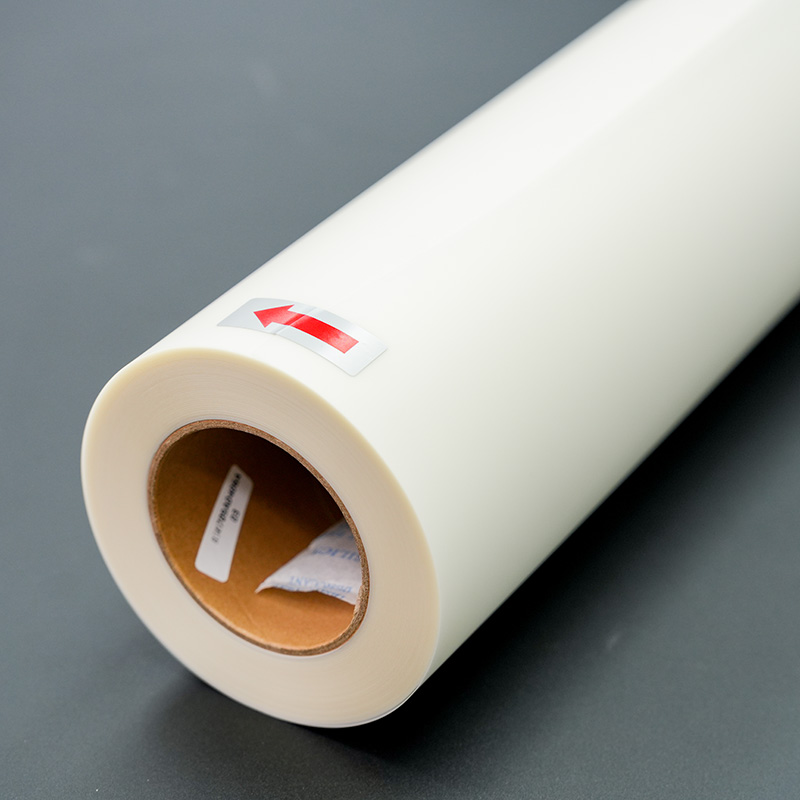
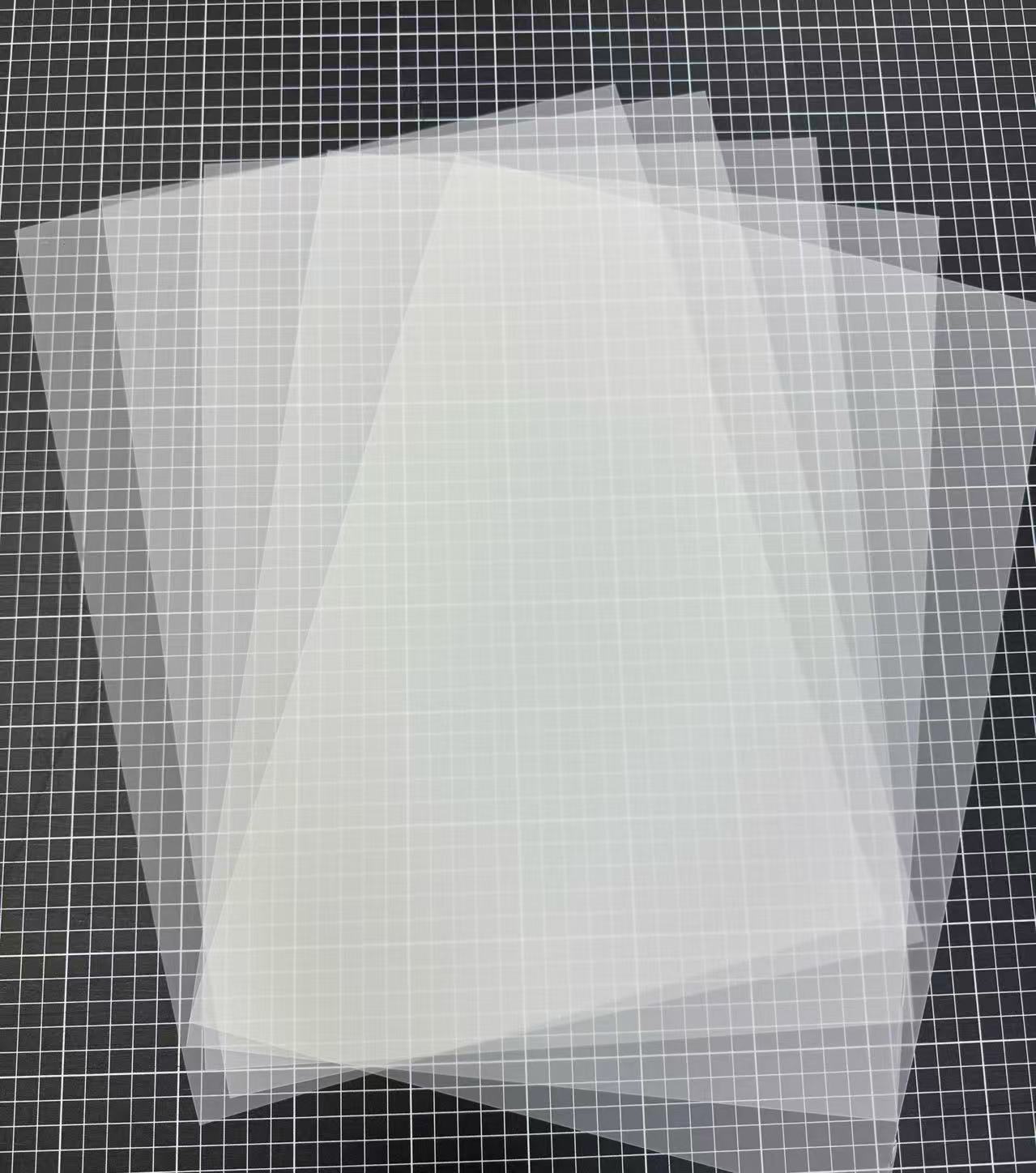
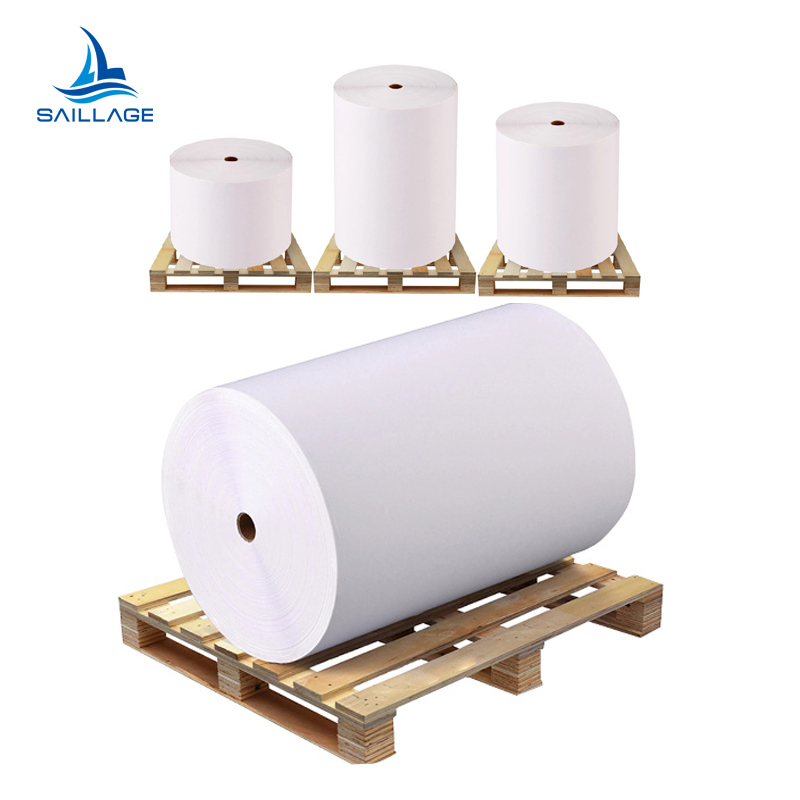
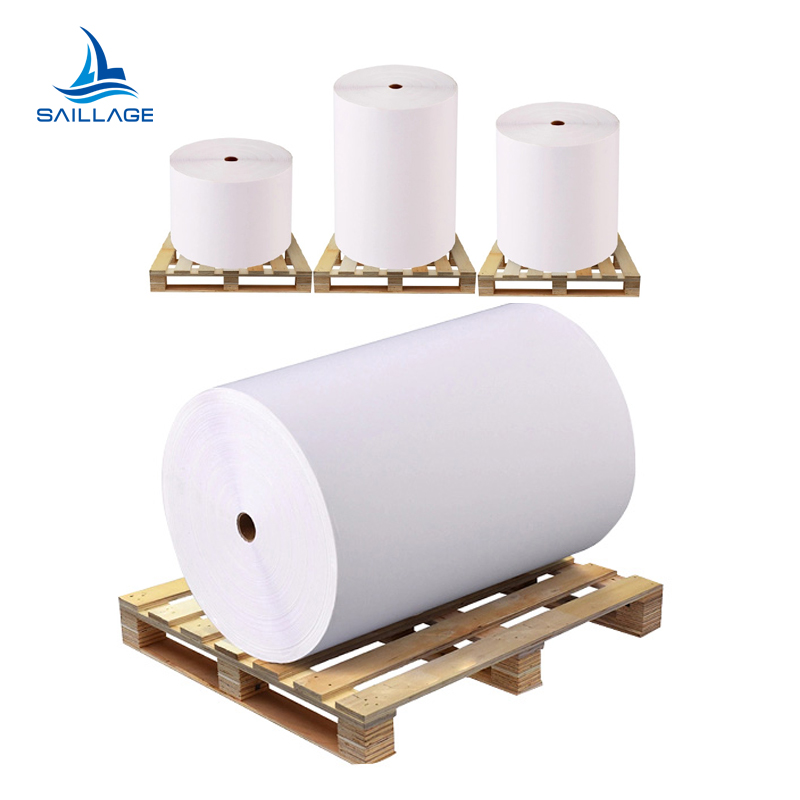
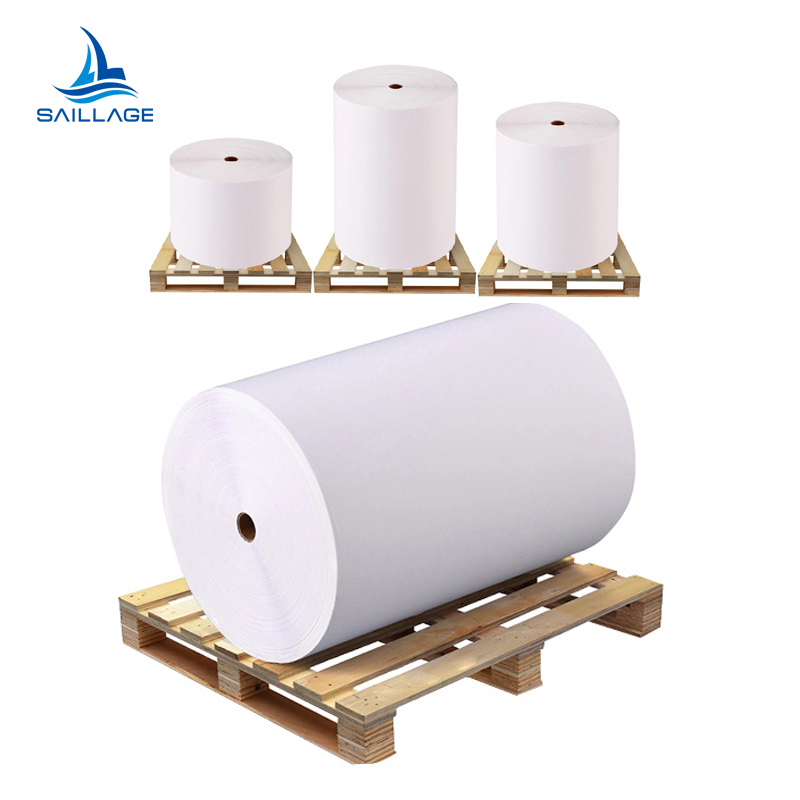
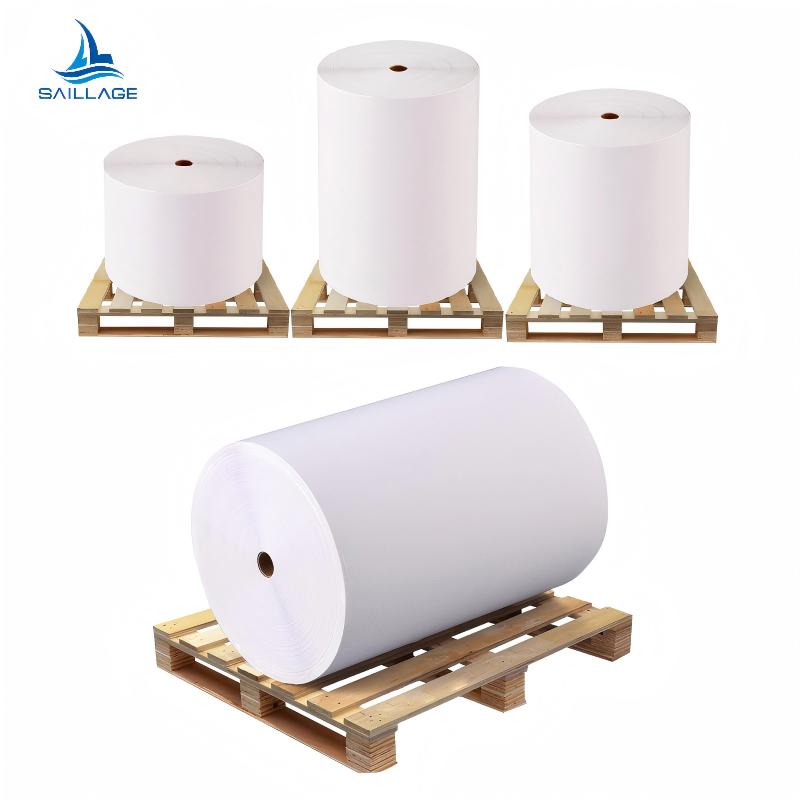
The application of courier bag laminating film primarily involves enhancing the durability, security, and branding of packaging used in logistics and e-commerce. This film is a thin layer, typically made from materials like polyethylene (PE) or polypropylene (PP), which is laminated onto courier bags to provide a protective coating. It is widely adopted by industries requiring robust packaging solutions to prevent damage during transit, such as in online retail, food delivery, and parcel services. The laminating process involves applying heat and pressure to bond the film to the bag's surface, resulting in improved resistance to water, tears, and abrasion. According to market research by Smithers, the global flexible packaging market, which includes laminated courier bags, was valued at approximately $248 billion in 2021 and is projected to grow at a CAGR of 4.2% through 2026, driven by e-commerce expansion. This growth underscores the increasing reliance on advanced materials like laminating films to meet consumer demands for secure and reliable packaging. In practice, courier bag laminating film is essential for ensuring that items remain intact and protected from environmental factors, thereby reducing return rates and enhancing customer satisfaction. Its application spans various bag types, including poly mailers and bubble mailers, making it a versatile solution in the logistics chain. By integrating this film, businesses can extend the lifespan of their packaging, minimize waste, and support sustainability efforts through reusable designs. Overall, the application of courier bag laminating film addresses critical needs in modern supply chains, offering a cost-effective way to upgrade standard packaging for better performance.
The benefits of using courier bag laminating film are substantial, contributing to improved product protection, brand visibility, and operational efficiency. Firstly, the film significantly enhances the durability of courier bags by adding a layer that resists moisture, punctures, and UV radiation. For instance, tests conducted by packaging manufacturers show that laminated bags can withstand water exposure for up to 24 hours without leakage, compared to non-laminated alternatives that may fail within hours. This is crucial for shipping items in humid or rainy conditions, as it prevents damage to contents like electronics or documents. Additionally, the film reduces the risk of tears during handling; data from logistics companies like DHL indicate that laminated bags have a tear resistance improvement of up to 50% over standard bags, leading to fewer in-transit incidents and lower insurance claims. Secondly, laminating films offer excellent printability, allowing businesses to incorporate high-quality graphics, logos, and promotional messages. This boosts brand recognition and marketing efforts, as vibrant designs remain intact despite rough handling. Industry reports from Flexographic Technical Association highlight that laminated surfaces retain ink adhesion better, with color fidelity lasting throughout the shipping process. Moreover, the film provides a glossy or matte finish that enhances aesthetic appeal, making packages stand out in competitive markets like e-commerce, where unboxing experiences influence customer loyalty. Thirdly, laminating films contribute to sustainability by enabling the use of thinner, lighter bags without compromising strength. This reduces material consumption and shipping costs; for example, Amazon reported a 15% reduction in packaging weight after adopting laminated solutions, resulting in lower carbon emissions per shipment. Furthermore, some laminating films are recyclable or made from bio-based materials, aligning with environmental regulations and consumer preferences for eco-friendly packaging. Overall, the benefits of courier bag laminating film translate into tangible advantages for businesses, including reduced losses, enhanced customer engagement, and compliance with green initiatives.
When selecting courier bag laminating film, it is important to consider factors such as material composition, thickness, and application methods to ensure optimal performance. Common materials include polyethylene (PE), polypropylene (PP), and polyester (PET), each offering distinct properties. PE films are known for their flexibility and moisture resistance, making them suitable for general-purpose courier bags in varying climates. PP films, on the other hand, provide higher tensile strength and clarity, ideal for bags requiring transparency or heavy-duty protection. According to industry standards from organizations like ASTM International, PE laminating films typically have a density range of 0.91-0.96 g/cm³, while PP films range from 0.89-0.91 g/cm³, affecting their weight and barrier capabilities. Thickness is another critical factor, measured in microns (μm); for courier bags, films between 15-30 μm are commonly used, balancing durability and cost. Thicker films, say 25-30 μm, offer superior puncture resistance but may increase material costs, whereas thinner films (15-20 μm) are more economical but best for lightweight items. Application methods, such as hot lamination or cold lamination, also influence choice. Hot lamination uses heat to bond the film, providing a stronger seal and better clarity, but it requires specialized equipment and can consume more energy. Cold lamination, which uses adhesive layers, is faster and more energy-efficient but may be less durable in extreme conditions. Data from packaging suppliers like Uline show that hot-laminated bags have a longer lifespan, withstanding up to 100+ shipping cycles, compared to 50-70 cycles for cold-laminated ones. Additionally, consider environmental certifications; films with labels like "recyclable" or "OK compost" meet growing regulatory demands, such as the EU's Packaging and Packaging Waste Directive. By evaluating these factors, businesses can choose a laminating film that aligns with their specific needs, ensuring reliability and cost-effectiveness in their packaging operations.
In summary, courier bag laminating film is a vital component in modern packaging, offering enhanced protection, branding opportunities, and environmental benefits. Its application reduces damage rates, supports marketing strategies, and promotes sustainability, making it a smart investment for logistics and e-commerce sectors. As the industry evolves, trends like smart packaging with integrated QR codes or anti-counterfeiting features are emerging, further expanding the film's utility.

 English EN
 French FR
 German DE
 Portuguese PT
 Spanish ES
 Russian RU
 Japanese JA
 Korean KO
 Arabic AR
 Greek EL
 Turkish TR
 Italian IT
 Polish PL
 Hindi HI
 中国 CN
中国 CN







User Comments
Service Experience Sharing from Real Customers
James Wilson
Delivery DriverThis laminating film for courier bags is incredibly durable and waterproof. It has significantly reduced wear and tear on our bags during rainy seasons. A game-changer for daily logistics!
Sarah Chen
E-commerce Operations ManagerThe laminating film provides excellent protection for our shipping bags. Our packages now arrive in perfect condition, and customer complaints about damaged outer packaging have dropped to zero. Highly recommend!
Michael Brown
Warehouse SupervisorGreat product for reinforcing courier bags. The film is easy to apply and adds a solid layer of protection. It has extended the lifespan of our reusable bags, saving us money on replacements.
Emily Davis
Postal Service ClerkThis laminating film is tough and reliable. It keeps the contents dry and secure even in harsh weather conditions. Our courier bags maintain their integrity throughout the delivery process. Excellent quality!