
 English EN
 French FR
 German DE
 Portuguese PT
 Spanish ES
 Russian RU
 Japanese JA
 Korean KO
 Arabic AR
 Greek EL
 Turkish TR
 Italian IT
 Polish PL
 Hindi HI
 中国 CN
中国 CN
.webp)
.webp)
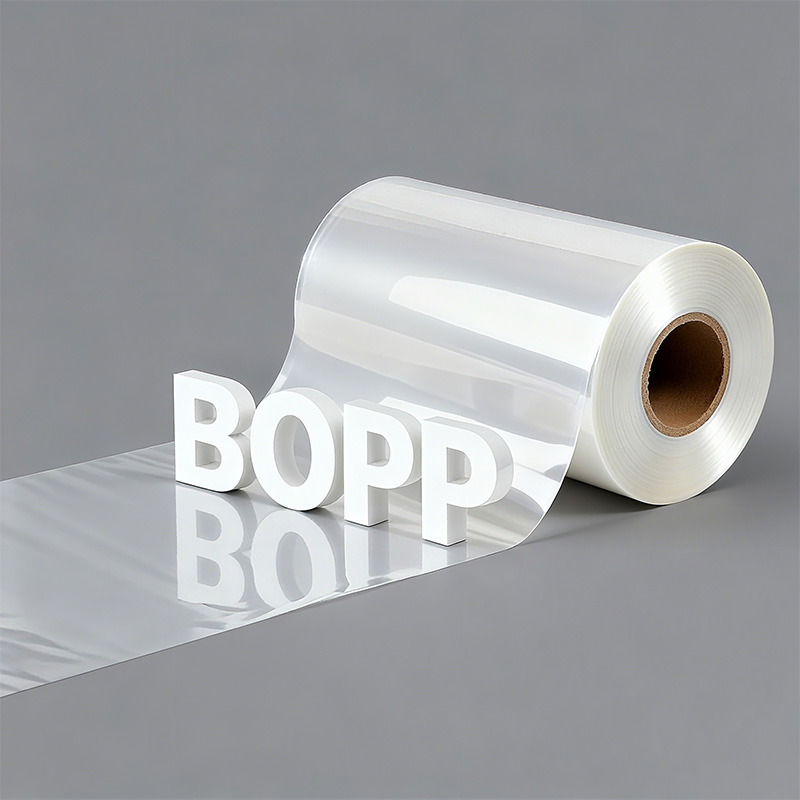
What are the advantages of BOPP film
Third, BOPP film offers great versatility and safe...
More
The definitive answer is no. DTF film is a single-use product.
Each sheet is engineered for one complete transfer. The heat and pressure process permanently alters the film's properties. This change makes a second use impossible for achieving a professional-quality result. Using a fresh sheet is essential.
DTF film is for one use only. You cannot use it again after the first print.
Used film loses its glue and gets damaged by heat. This makes new prints look bad or not stick at all.
Always use a new film sheet for each print. This helps you get good results and saves you from wasting time and materials.
Attempting to reuse a sheet of DTF film leads to guaranteed failure. The transfer process is a one-way street that fundamentally changes the film's chemical and physical structure. Understanding these changes reveals why a fresh sheet is non-negotiable for every new print.
The magic of a DTF transfer relies on a specialized adhesive powder. This powder melts during the heat press stage. It acts as the bonding agent that fuses the ink to the garment's fibers.
Initial State: A new sheet of dtf film holds an even layer of this unmelted adhesive powder.
During Transfer: Heat and pressure activate the adhesive, causing it to liquefy and bind with the ink.
Post-Transfer: The entire adhesive layer transfers from the film onto the fabric along with the design.
A used film simply has no adhesive left to give. Without this crucial bonding agent, a second print has nothing to secure it to the garment. The ink would have no way to adhere, resulting in a complete transfer failure.
A used film is never truly clean. Microscopic ink particles and fragments of the film's coating remain after the first press. These remnants create an uneven and contaminated surface that ruins any subsequent print attempt.
Leftover ink residues and degraded coatings reduce surface uniformity. The next print may appear faded, blurry, or uneven, especially for gradient or detailed designs.
Even if some adhesive were present, the contaminated surface would prevent a clean transfer. New ink cannot bond properly to a surface littered with old ink. This leads to color inaccuracies, loss of fine detail, and a blotchy, unprofessional appearance. The integrity of the dtf film is compromised after its first use.
The intense heat and pressure of the transfer process permanently warp and degrade the film itself. The material is designed to withstand this process exactly once.
| Property | Before First Use | After First Use |
|---|---|---|
| Surface | Smooth and uniform | Warped, wrinkled, or brittle |
| Coating | Intact release layer | Degraded or partially removed |
| Stability | Dimensionally stable | Prone to shrinking or stretching |
This physical transformation makes a second use impossible. A warped film cannot lie flat, leading to uneven pressure and heat distribution. The degraded release coating may fail to let go of the new design, or it might pull parts of the design off prematurely. The film loses its structural integrity, making any attempt at a second, high-quality transfer a futile effort.
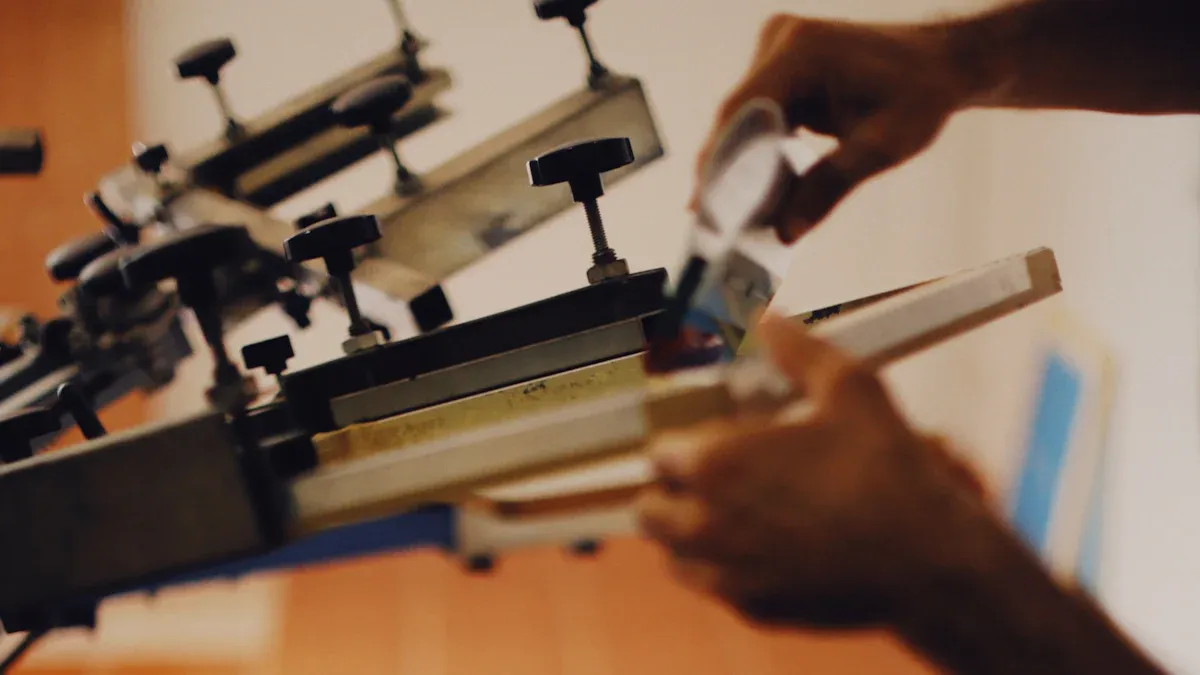
Since DTF film is a single-use product, maximizing its effectiveness on the first try is crucial for efficiency and profitability. Adopting professional best practices ensures every print is a success and minimizes material waste. Following a disciplined workflow is the key to consistent, high-quality results.
Proper care of your film before it ever reaches the printer is a critical first step. The film's coating is sensitive to environmental conditions, especially humidity and dust. Improper storage can ruin a sheet before you even print on it.
Exposure to open air can introduce moisture, causing bubbles to appear on the printed film.
Dust and other contaminants on the surface can lead to poor ink adhesion and an uneven final transfer.
High humidity can also cause poor ink absorption, resulting in ink flow or bleeding during printing.
Storing unused sheets in dry, sealed bags or containers protects them from these issues. This simple step maintains the stability of the ink and film layers, ensuring the dtf film is ready for a perfect print.
Wasted film often results from incorrect equipment settings. Before committing to a large production run, operators should take the time to dial in their printer and heat press configurations. Test prints on small film scraps can help verify temperature, pressure, and curing times. Each combination of ink, powder, and fabric may require slight adjustments. Perfecting these settings ensures the transfer works correctly on the first attempt, preventing the costly mistake of ruining a full sheet and a garment.
The most important practice is a mental one: treat every sheet of film as a single-use component. There are no shortcuts. Attempting to reuse a sheet is not a cost-saving measure; it is a guarantee of a failed product that wastes ink, time, and the garment itself.
A professional workflow accepts that one fresh sheet equals one perfect print. This commitment is the foundation of quality control in any DTF printing operation.
By internalizing this rule, printers avoid the temptation to cut corners and instead focus their efforts on perfecting their single-use technique.
In summary, dtf film is strictly a single-use component. Printers must use a fresh sheet for every print to guarantee professional and consistent results.
Focusing on proper technique with new film is the key. This approach avoids costly errors and ensures high-quality outcomes for every project.
Reusing film guarantees a failed transfer. The print will lack adhesive, appear blotchy, and have poor color quality. This happens because of ink residue and permanent film damage.
No. The entire film sheet undergoes intense heat and pressure. This process degrades the film's coating and stability, making even unprinted areas unsuitable for a new, quality transfer.
No. All current DTF films are engineered for single-use application. The technology relies on a one-time transfer of the adhesive and ink layers to the garment.



Select the most popular foreign trade service products to meet your diverse needs
Select the most popular foreign trade service products to meet your diverse needs

Tel: +86 17706217416
Add: Building L2A, No. 520, Lane 1588, Zhuguang Road, Hongqiao World Center, Qingpu District, Shanghai, China






User Comments
Service Experience Sharing from Real Customers
Megan
Graphic DesignerOkay, I was skeptical about the print quality at first, but this DTF film blew me away. The colors on my latest t-shirt batch are insanely vibrant, and the hand-feel is so soft. My clients keep asking how I got the detail so sharp. Game changer for my small shop!
Leo
Workshop TechnicianBeen using a different brand for years, but decided to give this a shot. The transfer process is noticeably easier – less curling and great adhesion on cotton-poly blends. Lost a star because the carrier sheet can be a bit tricky to peel on complex designs, but overall, super reliable.
Chloe
Art TeacherAs a total newbie to DTF, I was nervous. This film made my first project with the school club a success! The instructions were clear, and even our slightly messy student designs transferred perfectly onto tote bags. The kids were thrilled to see their art come out so professional.
Raj
Operations ManagerFrom a production standpoint, this film has cut down our waste. Consistent performance run after run, which saves us time and money. The durability on finished garments after multiple washes is impressive. We've standardized on it for most of our bulk orders now.