
 English EN
 French FR
 German DE
 Portuguese PT
 Spanish ES
 Russian RU
 Japanese JA
 Korean KO
 Arabic AR
 Greek EL
 Turkish TR
 Italian IT
 Polish PL
 Hindi HI
 中国 CN
中国 CN
.webp)
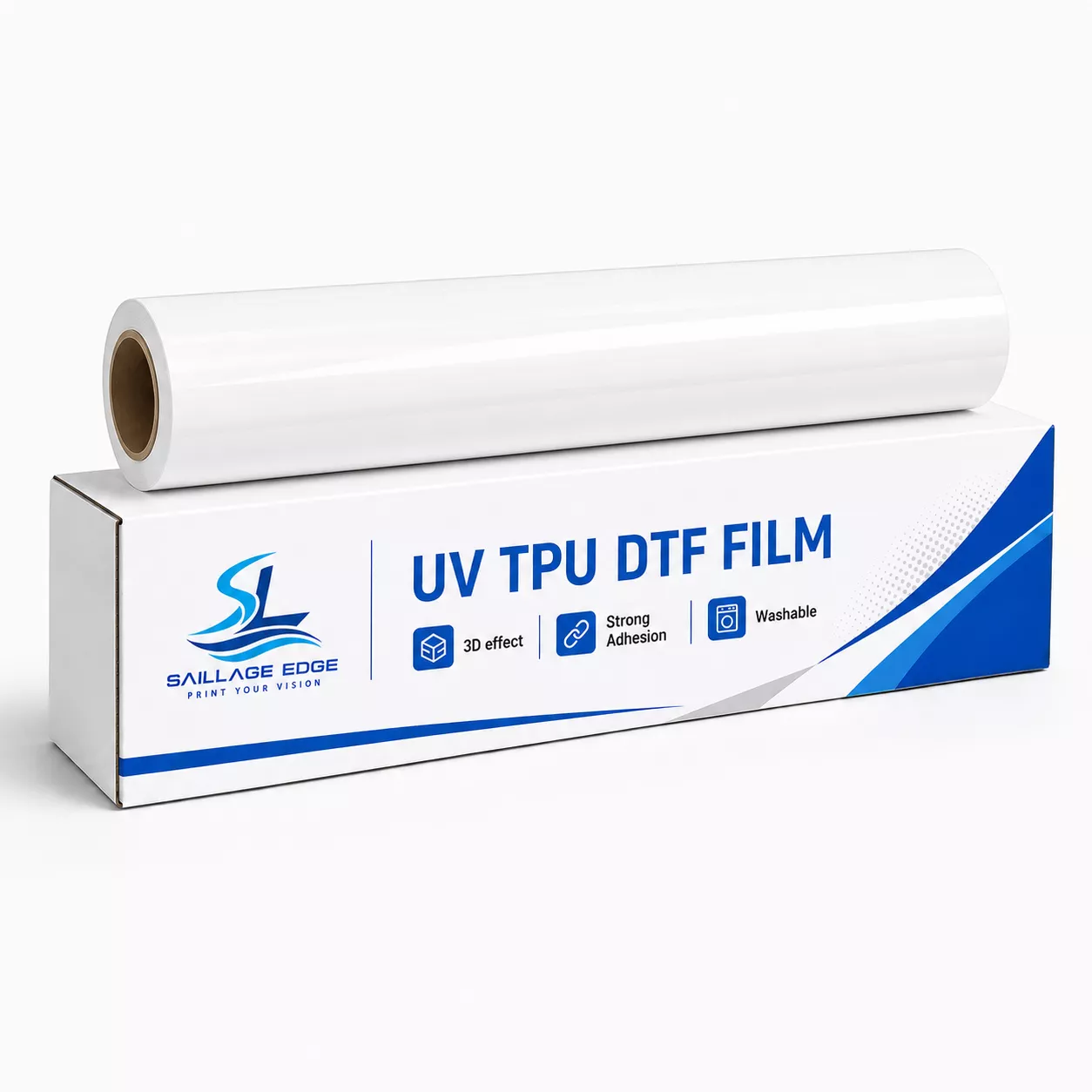
Direct-to-Film (DTF) Printing: By Size or Gang Sheet?
When diving into Direct-to-Film (DTF) printing, on...
MoreThe global DTF transfer film market will grow substantially, reaching a projected US$ 1340 million by 2031. This expansion highlights the importance of selecting the right materials. Businesses often choose Hot Peel film for high-volume jobs needing speed and a matte finish. Others select Cold Peel film for premium products requiring maximum durability and a vibrant, glossy appearance. The choice between various dtf transfer films for sale directly impacts production efficiency and final product quality.
Businesses select Hot Peel DTF film primarily for its significant advantages in production speed and specific aesthetic outcomes. This film type caters to high-volume operations where time is a critical factor.
Hot Peel film is the definitive choice for maximizing production throughput. Its main benefit is the elimination of cooling time. Operators can peel the film away immediately after the heat press cycle concludes. This process dramatically accelerates production, making it perfect for businesses handling bulk orders or requiring rapid turnarounds. Industries like promotional merchandise, custom apparel, and sportswear frequently rely on this efficiency.
Hot Peel Film is best for fast-paced, high-volume production where efficiency is the key. It is designed for quick operation, allowing the film to be peeled off within a short time after pressing, making it ideal for high-efficiency production environments.
The time savings are substantial when compared to other methods.
| Feature | Hot Peel DTF Transfer Paper | Cold Peel DTF Transfer Paper |
|---|---|---|
| Production Speed | Faster, suitable for bulk printing, eliminates cooling time | Slower, more precision-oriented, requires cooling before peeling |
Beyond speed, Hot Peel film delivers a distinct finish. It produces a soft, non-reflective matte look that many customers prefer for apparel. The ink embeds slightly more into the fabric's fibers during the transfer process. This results in a final product with a softer hand-feel, making the design feel more integrated with the garment rather than sitting on top of it. This quality is highly desirable for fashion and retail brands aiming for a premium, comfortable feel.
While excellent for speed, Hot Peel film has some limitations. The rapid peeling process can sometimes be less forgiving with extremely intricate or fine-lined designs, which may adhere better with a Cold Peel process. Additionally, the matte finish is not suitable for every project; clients seeking a vibrant, glossy appearance will find it lacking. Businesses must evaluate the various dtf transfer films for sale to ensure the material aligns with the specific design requirements and desired final look of each job.
Cold Peel DTF film is the go-to choice for businesses prioritizing quality and longevity over sheer production speed. It excels in applications where the final product's look and feel are paramount.
When a design must endure repeated wear and washing, Cold Peel film offers superior performance. The slower, controlled peeling process allows the adhesive to form a stronger bond with the fabric. High-quality DTF transfers can typically withstand 50 to 100 washes before showing significant wear. Wash and durability tests are crucial, as lower-quality materials may degrade quickly. Industry testing confirms that premium transfers maintain over 95% color retention and show no peeling or cracking after 50+ wash cycles, meeting standards like ISO 105-C06 for colorfastness. This resilience makes Cold Peel film ideal for workwear, team jerseys, and premium retail apparel.
Cold Peel film is unmatched for achieving brilliant colors and a striking glossy finish. During the cooling period, the ink and adhesive set completely on the surface of the garment rather than sinking into the fibers. This process results in several key benefits:
Enhanced Vibrancy: Colors appear brighter and more saturated.
Glossy Sheen: The finish provides a smooth, almost plastic-like feel that makes graphics pop.
Sharp Details: Fine lines and intricate details are preserved with exceptional clarity.
This finish is perfect for eye-catching logos, detailed graphic tees, and any product where visual impact is the primary goal.
The primary drawback of Cold Peel film is its slower production speed. The mandatory cooling period before peeling adds significant time to each press cycle, making it less suitable for high-volume, rapid-turnaround orders. Additionally, improper technique can lead to issues like "ghosting" or adhesive residue. Businesses can prevent these problems by following best practices:
Ensure Proper Cooling: Always wait for the garment to reach room temperature before peeling.
Use Quality Materials: Invest in reputable, unexpired dtf transfer films for sale and adhesive powders.
Apply Powder Evenly: A thin, uniform coating of adhesive powder is essential for a clean transfer.
By mastering the process, operators can mitigate these challenges and produce flawless, durable prints.
Choosing the right film requires a direct comparison of their core attributes. The best dtf transfer films for sale for one business may not suit another. This head-to-head look breaks down the key differences to help guide your purchasing decisions.
Production speed is the most significant differentiator between Hot and Cold Peel films.
Hot Peel Film: This film offers maximum efficiency. Operators peel the transfer immediately after pressing, eliminating any cooling downtime. This immediate action makes it the superior choice for high-volume orders and businesses that need rapid turnaround times. Hot peel transfers require this immediate peeling to ensure the design adheres correctly.
Cold Peel Film: This process is inherently slower. The garment must cool completely to room temperature before an operator can peel the film. This cooling period adds several minutes to each item's production cycle, making it less practical for bulk jobs with tight deadlines.
The final look and feel of the design are directly tied to the film type.
Hot Peel Film: It creates a soft, flexible design with a non-reflective matte finish. The ink integrates slightly into the fabric fibers, resulting in a "softer hand" that feels more like a part of the garment. This texture is ideal for fashion apparel and products where comfort is a priority.
Cold Peel Film: It delivers a smooth, glossy finish that sits on top of the fabric. This creates a vibrant, plastic-like feel that makes colors and details pop. Businesses often use this finish for promotional items, logos, and graphics designed for maximum visual impact.
A transfer's ability to withstand washing and wear is crucial for customer satisfaction. Cold Peel film generally has the advantage in this category. The slow cooling process allows the adhesive to cure and form a more robust bond with the fabric's surface. This results in a print that is highly resistant to cracking, peeling, and fading through dozens of wash cycles. While quality Hot Peel transfers are also durable, the Cold Peel method consistently produces a more resilient and long-lasting application.
The film type directly influences how colors appear on the final product. Cold Peel film is the champion for color brilliance. Because the ink layer sets completely on the surface before peeling, it retains its maximum saturation and brightness. This process yields sharp, vivid graphics. In contrast, Hot Peel film produces a more subdued color profile. The ink's partial absorption into the fabric creates the desirable matte look but can slightly mute the color intensity compared to a Cold Peel transfer.
Both films present a learning curve, but their challenges differ. Many find Cold Peel more forgiving for beginners. The slower, deliberate process provides more control and reduces the risk of errors with intricate designs.
Hot Peel film, while faster, demands precise technique. Operators must peel quickly and confidently at the right angle to avoid pulling up parts of the design. When evaluating dtf transfer films for sale, businesses should consider their team's experience level. For those using Hot Peel, manufacturers recommend specific settings for consistent results.
Tip: Typical Hot Peel SettingsFor cotton and poly-cotton blends, most major manufacturers suggest the following heat press settings:
Temperature: 300-315°F (149-157°C)
Pressing Time: 10-13 seconds with firm pressure
Peeling: Peel the film immediately after the press opens.
Mastering the correct temperature, time, and peeling technique is essential for success with either film type.
Hot Peel film prioritizes speed and a matte look. Cold Peel ensures durability with a vibrant, glossy finish. The best strategy often involves stocking both types. Successful shops demonstrate the benefits:
Eazy DTF reduced production time by 30% using peel film, improving both speed and design quality.
Limitless Transfers enhanced workflow efficiency and print quality, revitalizing its market reputation.
Ultimately, the right film aligns with specific product goals and workflow.
Most DTF films work on cotton, polyester, and blends. Businesses should test a film on a specific fabric first to confirm compatibility and ensure optimal results.
Cold Peel film generally offers better results for intricate designs. The cooling period allows fine lines and small details to adhere securely before an operator peels the film.
Yes, both film types typically use the same DTF adhesive powder. The primary difference is the film's coating and release properties, not the adhesive required for transfer.
Pro Tip: Always use high-quality adhesive powder to prevent transfer issues, regardless of the film type.
Essential Industrial Checkweighers: A Must-Have for Every Food Processing Plant
Comparing Leading Ampoule Filling Production Line Manufacturers: Who Comes Out on Top?
Achieving Optimal Performance: Steel Processing for Heat Exchange Applications Explained
TDC Residential Door Hinges: An In-Depth Review for Homeowners
Best Capsule Checkweighers for 2025: A Buyer's Guide to Top Picks



Select the most popular foreign trade service products to meet your diverse needs
Select the most popular foreign trade service products to meet your diverse needs

Tel: +86 17706217416
Add: Building L2A, No. 520, Lane 1588, Zhuguang Road, Hongqiao World Center, Qingpu District, Shanghai, China






User Comments
Service Experience Sharing from Real Customers
Michael Rodriguez
Print Shop ManagerThese DTF transfer films are exceptional! The color vibrancy and adhesion on cotton-poly blends are perfect for our custom apparel line. Consistent quality with every order.
Sarah Chen
Graphic DesignerGreat value for the price. The films are easy to weed and transfer cleanly. We use them for promotional merchandise and have received zero complaints from clients about durability after washing.
James Wilson
Small Business OwnerAs a startup in custom printing, finding reliable DTF films was crucial. These have been a game-changer—excellent opacity on dark fabrics and minimal film residue. Shipping was fast too.
Amanda Park
Production SupervisorOur textile manufacturing unit switched to these films six months ago. The consistency in roll quality and the low defect rate have significantly improved our efficiency. Highly recommended for bulk orders.