
 English EN
 French FR
 German DE
 Portuguese PT
 Spanish ES
 Russian RU
 Japanese JA
 Korean KO
 Arabic AR
 Greek EL
 Turkish TR
 Italian IT
 Polish PL
 Hindi HI
 中国 CN
中国 CN
.webp)
BOPP Film Corona Treatment: Why It Matters for Ink Adhesion and Lamination
Biaxially Oriented Polypropylene (BOPP) film is wi...
MoreDirect-to-Film (DTF) printing is a dominant force in the custom apparel industry. The market's expansion highlights its significance.
| Attribute | Details |
|---|---|
| Market Size Value in 2025 | USD 2.93 billion |
| Growth Rate (2025-2030) | CAGR of 6.0% |
| Revenue Forecast in 2030 | USD 3.92 billion |
This process relies on three components working in harmony: specialized ink, a PET transfer film, and a hot-melt adhesive powder. The ink creates the design, the film carries it, and the powder binds it to fabric. Understanding the interaction between dtf ink film and powder is the key to creating durable, professional-quality garments.
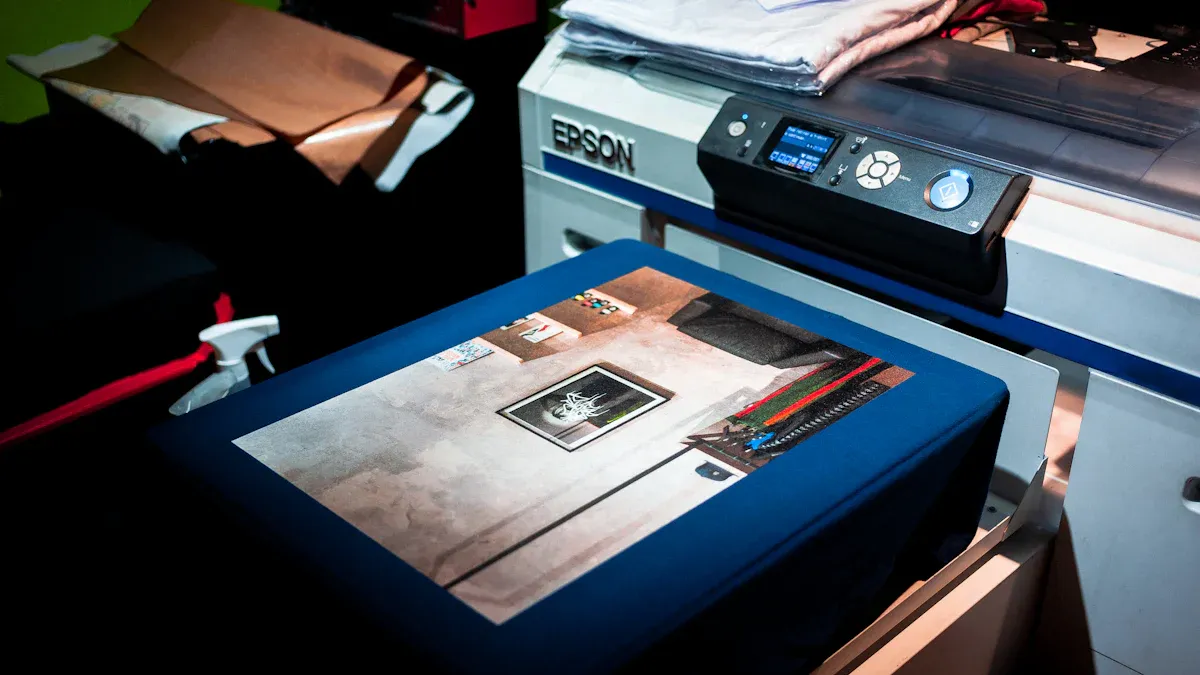
A successful DTF print depends on the quality and compatibility of its three core materials. The synergy between the dtf ink film and powder creates the final, durable design. Each component has a specific job. Understanding these individual roles is the first step toward mastering the entire process.
DTF ink is a specially formulated, water-based pigment ink. It is designed to print on DTF film, not directly onto fabric. This ink offers excellent color vibrancy, wash resistance, and flexibility after transfer. The ink set typically includes five colors.
| Ink Type | Primary Function | Key Characteristics |
|---|---|---|
| CMYK | Cyan, Magenta, Yellow, Black | These inks create the full-color spectrum of the design. They are printed first onto the film. |
| White | Base Layer & Highlights | This opaque ink serves as a crucial underbase for colors on dark garments. It also produces any white areas in the design. |
The white ink's high viscosity prevents it from mixing with the CMYK colors. This separation is vital for achieving crisp, vibrant images on any color of fabric.
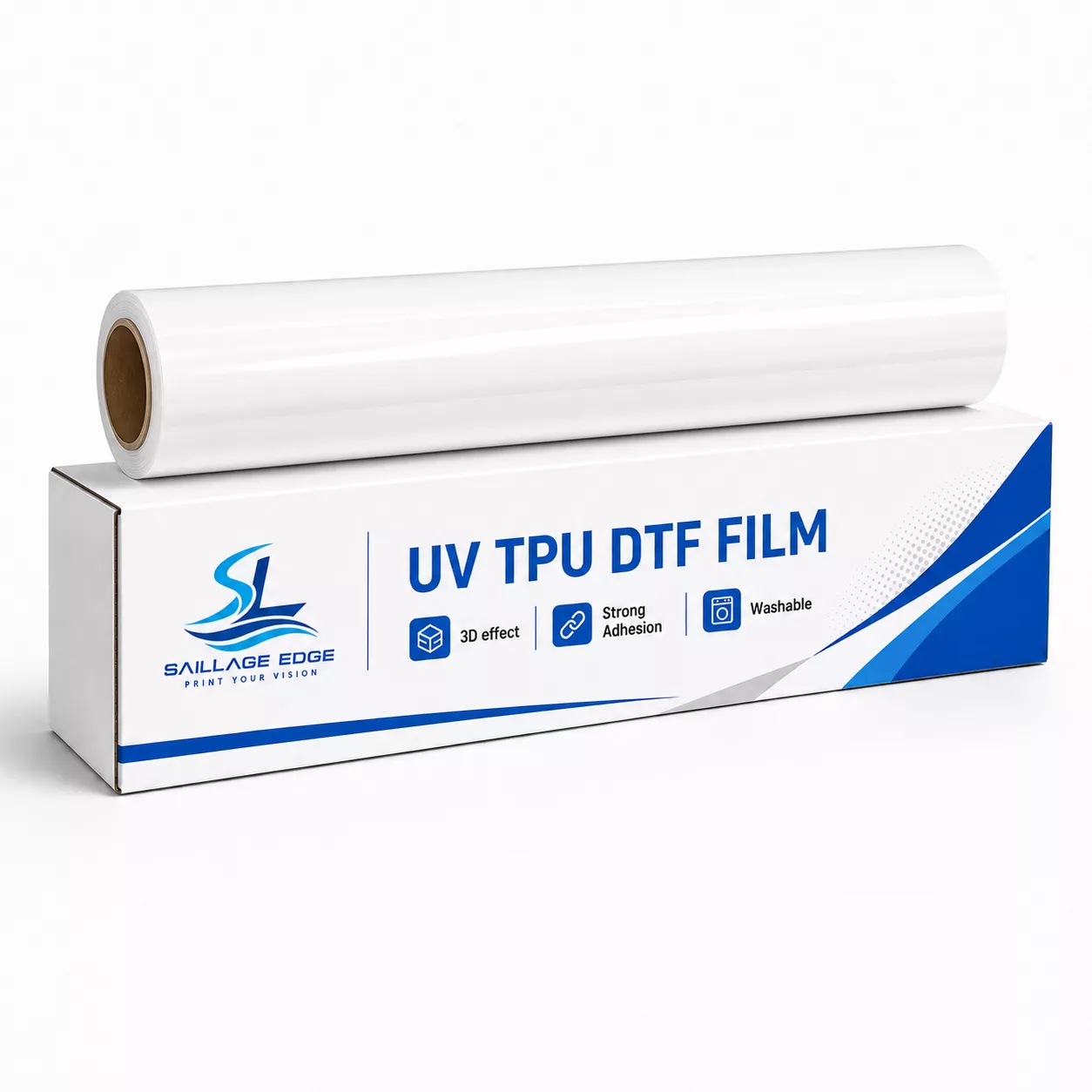
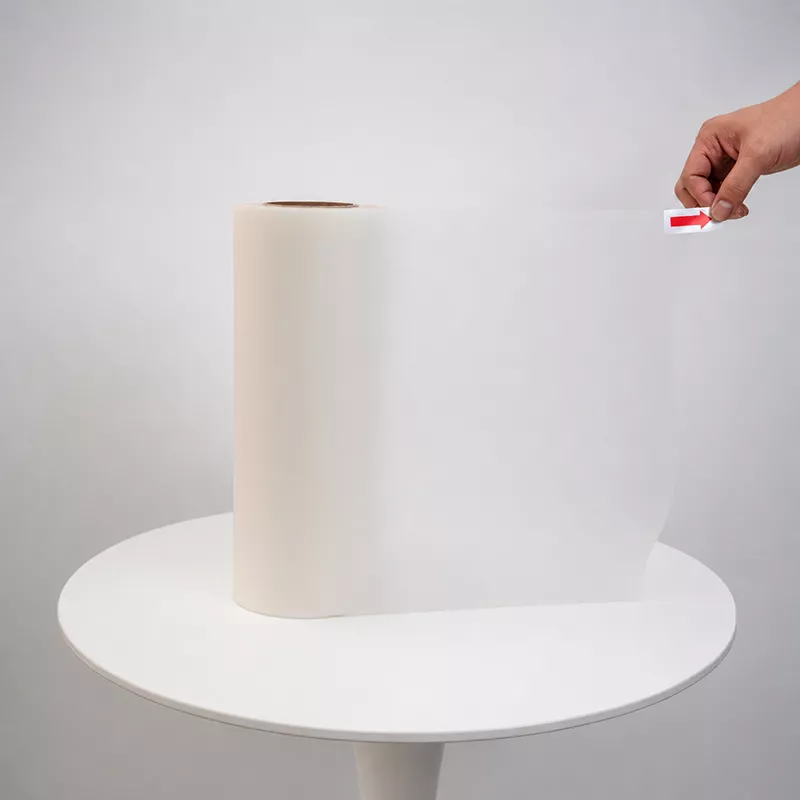
DTF film is the carrier medium for the ink and powder. These are not just simple plastic sheets. They are specialized PET (polyethylene terephthalate) films, usually around 75-100 microns thick. The film has several important characteristics.
Coated Surface: One side of the film has a special coating. This layer absorbs the ink, keeping the droplets in place for sharp detail. It releases the ink completely during the heat press stage.
Heat Stability: The film must remain flat and stable during the curing and heat-pressing processes. It will not shrink or melt under high temperatures.
Peel Type: Films are categorized as hot peel, warm peel, or cold peel. This describes the ideal temperature at which the printer should remove the film from the garment after pressing. Cold peel films are often preferred by beginners for their forgiving nature.
Choosing the right film ensures a clean release and a perfect transfer of the design from the film to the fabric.
DTF powder is the unsung hero of the process. It is a finely ground hot-melt adhesive, typically made from thermoplastic polyurethane (TPU). This powder acts as the glue that binds the printed design to the garment's fibers.
Pro Tip: Think of the powder as the bridge between the ink and the fabric. Without it, the ink has no way to permanently adhere to the textile, and the design would wash away.
The powder is engineered to stick only to the wet ink on the film. Any excess powder is easily shaken off, leaving a clean background. During the curing stage, the powder melts and forms a uniform adhesive layer over the entire design. This layer is what makes DTF transfers incredibly durable and stretchy. Powders come in different granular sizes (e.g., fine, medium, coarse) to suit various design complexities and fabric types.
The magic of DTF printing happens in a precise, multi-stage process. Each step builds upon the last, requiring the ink, film, and powder to interact perfectly. A failure at any stage can compromise the final product. Understanding this workflow is essential for any print shop aiming for consistent, high-quality results. The process transforms a digital design into a durable, wearable graphic.
The process begins at the DTF printer. The machine loads a sheet or roll of DTF film and prepares to print the design. A critical detail is that the printer outputs the image in reverse, like a mirror image. This ensures the design faces the correct way after it is transferred to the garment.
The printer first applies the CMYK (Cyan, Magenta, Yellow, Black) color inks to the film's coated side. Immediately after, it prints a layer of opaque white ink directly on top of the CMYK layer. This white ink serves two functions: it acts as a base that makes the colors pop on dark fabrics, and it forms any white parts of the design itself.
Note: The quality of the print at this stage depends heavily on the Raster Image Processor (RIP) software settings. Proper configuration is not optional; it is fundamental to a professional outcome.
Operators must optimize several key settings in the RIP software for ideal results.
Ink Density: They adjust the white ink settings to achieve full opacity without causing the ink to bleed or smudge. Too little ink creates a dull print, while too much can ruin fine details.
Color Profile Selection: Using the correct ICC profile, such as one designed for DTG printing, can significantly enhance the depth and vibrancy of the colors.
Resolution: A minimum resolution of 1440x720 dpi is recommended to capture intricate details and produce sharp, clean lines.
Print Speed: A slower print speed allows for more precise ink deposition. This improves the ink's adhesion to the film and prevents printing errors.
Once the design is printed, the film emerges from the printer with the ink still wet. This is a crucial moment where the adhesive is introduced. The operator takes the printed film and applies the hot-melt adhesive powder evenly across the entire surface. The powder is extremely fine and sticks only to the wet ink, not to the dry, uncoated parts of the film.
For small-scale operations, an operator can perform this step manually by shaking the powder over the print in a shallow tray. After coating, they gently flick the back of the film to shake off any excess powder.
For larger, commercial workflows, automated powder shaker machines streamline this entire step. These machines provide consistent and even powder application, which is vital for uniform adhesion. They automate the process, reducing waste and minimizing the manual labor involved. This automation ensures every part of the design receives the right amount of adhesive for a strong, long-lasting print.
After removing the excess powder, the print is ready for curing. This step solidifies the relationship between the dtf ink film and powder. The operator places the film in a curing oven or under a heat press set to hover mode (not touching the print). The goal is to melt the powder without fully curing the ink.
The heat, typically between 250-350°F (120-175°C), melts the TPU powder. It transforms from a fine dust into a smooth, uniform sheet of adhesive that covers the entire ink layer. This process also "gels" the ink, partially drying it so it becomes a stable, single layer with the adhesive. This stage typically takes two to four minutes.
Proper curing is a delicate balance. Incorrect temperature or timing can ruin the transfer.
Under-cured Film: If the powder is not melted completely, the transfer may look dull and feel sticky. It will have poor wash fastness and may not adhere properly to the garment, causing it to peel off easily.
Over-cured Film: Too much heat can make the transfer appear cracked or brittle. The design may feel rough and stiff. Like under-curing, this also leads to poor wash durability and can cause adhesion failure.
Once cured, the transfer is a stable, ready-to-use graphic. It can be stored for months or immediately pressed onto a garment.
This final stage is where the digital design becomes a tangible, wearable graphic. The operator takes the cured DTF transfer and permanently bonds it to the garment using a heat press. Precision in this step ensures the design's longevity and professional finish. The process involves several key actions for a flawless application.
First, the operator prepares the garment. They place it on the heat press platen and pre-press it for 5-10 seconds. This initial press is critical for two reasons: it removes any wrinkles from the fabric, creating a smooth surface, and it evaporates any residual moisture. Moisture in the fabric can interfere with the adhesive, leading to a failed transfer.
Next comes the alignment. The operator carefully positions the cured DTF film onto the garment, with the adhesive side facing down. They ensure the design is straight and centered according to the job specifications. Once placed, the transfer is ready for the main press. The operator covers the transfer with a protective sheet, such as a Teflon sheet or parchment paper, to prevent direct contact between the heat platen and the film.
The heat press applies a specific combination of temperature, time, and pressure to activate the adhesive. These settings are vital for a successful bond.
| Parameter | Typical Range | Function |
|---|---|---|
| Temperature | 300-330°F (150-165°C) | Melts the TPU adhesive, allowing it to flow into the fabric's fibers. |
| Time (Dwell) | 10-15 seconds | Provides sufficient time for the heat to penetrate and the adhesive to bond. |
| Pressure | Medium to Firm | Ensures even contact and forces the melted adhesive deep into the textile weave. |
During this press, the heat reactivates the cured TPU adhesive. The firm pressure forces the now-liquid adhesive into the weave of the fabric. The ink layer bonds securely with this adhesive, creating a single, integrated graphic that is fused to the garment.
After the press cycle finishes, the operator opens the press and removes the garment. The final action is peeling the PET film away from the design. This step depends on the film type (hot, warm, or cold peel).
Hot Peel: The operator removes the film immediately while it is still very hot. This method is fast and efficient for high-volume production.
Warm Peel: The operator waits a few seconds for the transfer to cool slightly before peeling.
Cold Peel: The operator lets the garment cool down completely to room temperature before removing the film. This is the most forgiving method and often results in a smooth, matte finish.
Finishing Touch: For maximum durability and a softer hand-feel, many professionals perform a quick 5-second post-press after peeling the film. They cover the exposed design with a finishing sheet and press again. This action helps embed the design further into the fabric, improving wash resistance and giving it a more screen-printed look.
Once the film is removed, the process is complete. The result is a vibrant, stretchable, and durable design permanently affixed to the garment.
The success of DTF printing stems from a series of precise chemical and physical reactions. These interactions ensure a design is not just placed on a garment but becomes a part of it. The process transforms a liquid design into a solid, durable graphic through controlled application of materials and heat. Understanding these core principles is vital for troubleshooting and achieving consistent quality.
The white ink layer is the foundation of every high-quality DTF print, especially on colored fabrics. It performs two critical functions. First, its high opacity creates a solid white underbase. This base layer blocks the garment's color from showing through, allowing the CMYK colors printed on top to appear bright and true to the original design. Without it, colors would look dull and muted on dark textiles. Second, the white ink acts as a binding agent, holding the CMYK color layer together and providing a receptive surface for the adhesive powder.
The selective adhesion of the powder is a simple yet brilliant part of the process. The hot-melt powder is a thermoplastic polymer with a natural electrostatic attraction to moisture. The DTF ink is water-based, so the printed areas of the film remain wet for a short period.
The Science in Action: The fine powder particles cling only to the moist, inked sections of the design. The surrounding, unprinted areas of the PET film are dry and non-porous, so the powder does not stick to them. This allows an operator to easily shake off the excess, leaving a clean and precise layer of adhesive only where it is needed.
This targeted adhesion is fundamental to creating sharp, residue-free transfers without complex weeding.
Heat activates the final bonding stages in two distinct phases. The synergy between the dtf ink film and powder is solidified through this thermal process.
Curing (Melting the Powder): During the curing phase, heat melts the adhesive powder, transforming it from a dust-like coating into a smooth, rubbery sheet. This process, known as gelling, fuses the powder to the ink layer beneath it. The result is a single, stable transfer sheet that is ready for application.
Pressing (Bonding to Fabric): The heat press introduces higher temperatures and firm pressure. This heat reactivates the cured adhesive, causing it to liquefy again. The pressure forces this liquid adhesive deep into the garment's fibers. As it cools, the adhesive solidifies, creating a permanent mechanical bond that locks the ink design securely to the textile.
The DTF process demonstrates a powerful synergy. Ink provides the visual design, the film acts as a precise carrier, and the powder serves as the essential adhesive. A project's success hinges on the quality and compatibility of the dtf ink film and powder. Operators who master this relationship can consistently produce vibrant and durable garment decorations. This understanding ensures professional, high-quality results for every print job.
No. Operators must use specialized DTF pigment inks. Standard desktop inks lack the properties to adhere to the film's coating and will not bond with the powder. Using incorrect ink leads to immediate print failure and potential printhead damage.
Peeling typically results from improper application. The most common causes include:
Incorrect heat press temperature or pressure.
Insufficient press time.
Moisture in the garment during pressing.
Under-cured adhesive powder.
Verifying each step ensures a durable bond.
A cured DTF transfer remains viable for over six months when stored correctly. Operators should keep the transfers in a sealed, low-humidity container away from direct sunlight. This practice protects the adhesive layer from degradation and ensures it is ready for future application.
The term describes when to remove the film after heat pressing.
Hot Peel: The operator removes the film immediately while the garment is still hot. This method is faster for production.Cold Peel: The operator waits for the garment to cool completely. This process is more forgiving and often yields a matte finish.



Select the most popular foreign trade service products to meet your diverse needs
Select the most popular foreign trade service products to meet your diverse needs

Tel: +86 17706217416
Add: Building L2A, No. 520, Lane 1588, Zhuguang Road, Hongqiao World Center, Qingpu District, Shanghai, China






User Comments
Service Experience Sharing from Real Customers
Michael Rodriguez
Print Shop ManagerThe DTF ink film and powder combo has revolutionized our custom apparel production. The colors are incredibly vibrant and the transfer durability is outstanding, even after multiple washes. A game-changer for high-volume orders.
Sarah Chen
Graphic DesignerAs a designer, color accuracy is everything. This DTF film captures the finest details and gradients perfectly. The powder adheres cleanly with minimal residue. My only minor note is to be precise with powder application, but the results are professional-grade.
James Wilson
Production SupervisorWe've significantly reduced our waste and increased production speed since switching to this system. The ink film is consistent roll to roll, and the powder melts evenly for a soft, durable finish on various fabrics. Highly reliable for meeting tight deadlines.
Lisa Thompson
Small Business OwnerStarting my own t-shirt line was daunting, but this DTF solution made it possible. The setup is straightforward, and the quality rivals big brands. Customers love the soft hand feel and vivid prints. Excellent product for entrepreneurs.