
 English EN
 French FR
 German DE
 Portuguese PT
 Spanish ES
 Russian RU
 Japanese JA
 Korean KO
 Arabic AR
 Greek EL
 Turkish TR
 Italian IT
 Polish PL
 Hindi HI
 中国 CN
中国 CN
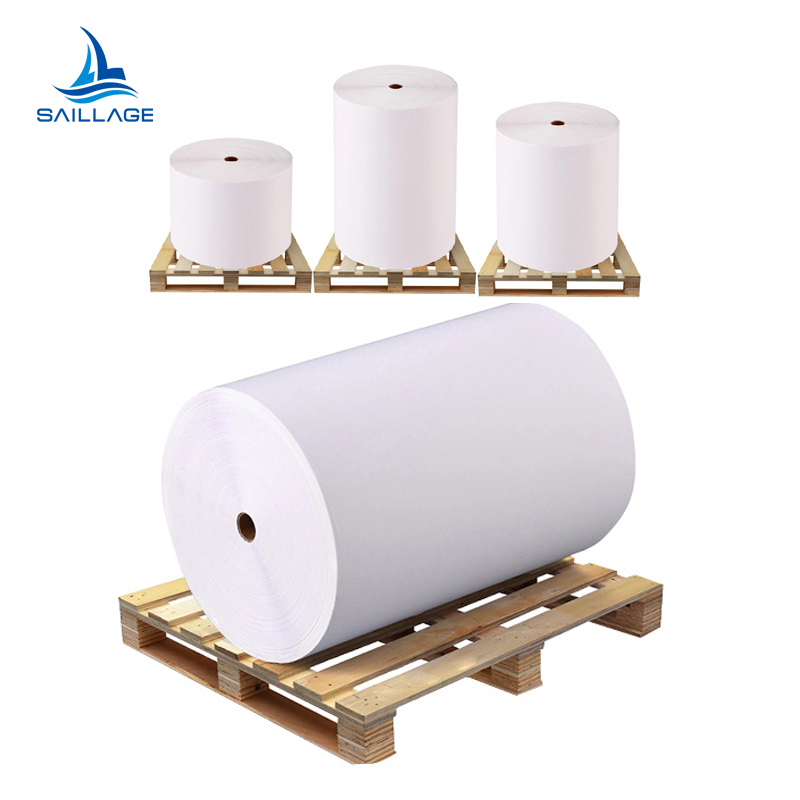
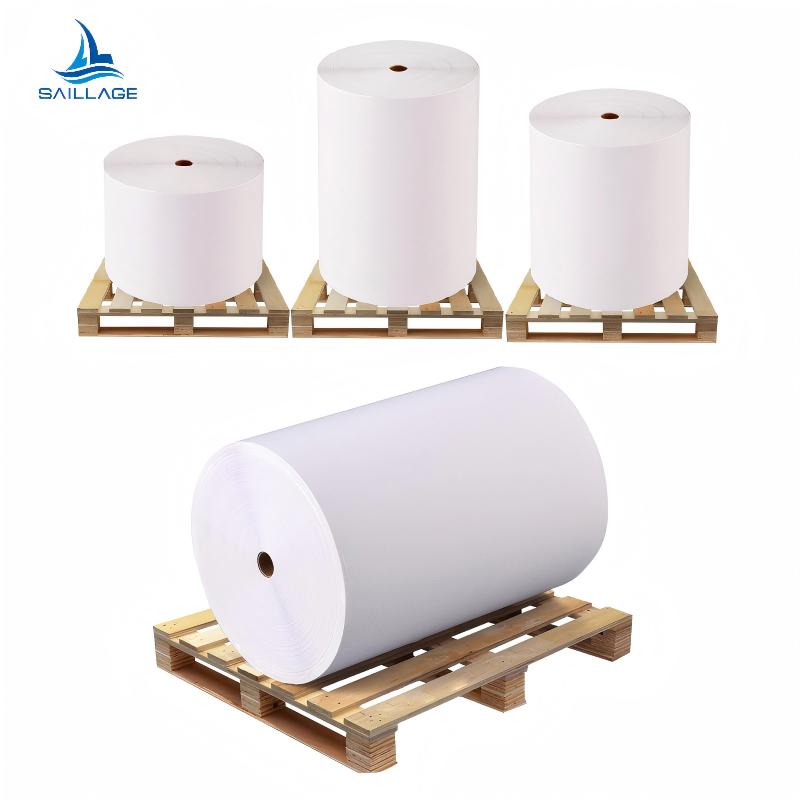
DTF FILM Holiday Sales Strategy 101: Can You Turn 1 Customer Into 5?
The holiday season brings a flood of new customers...
More
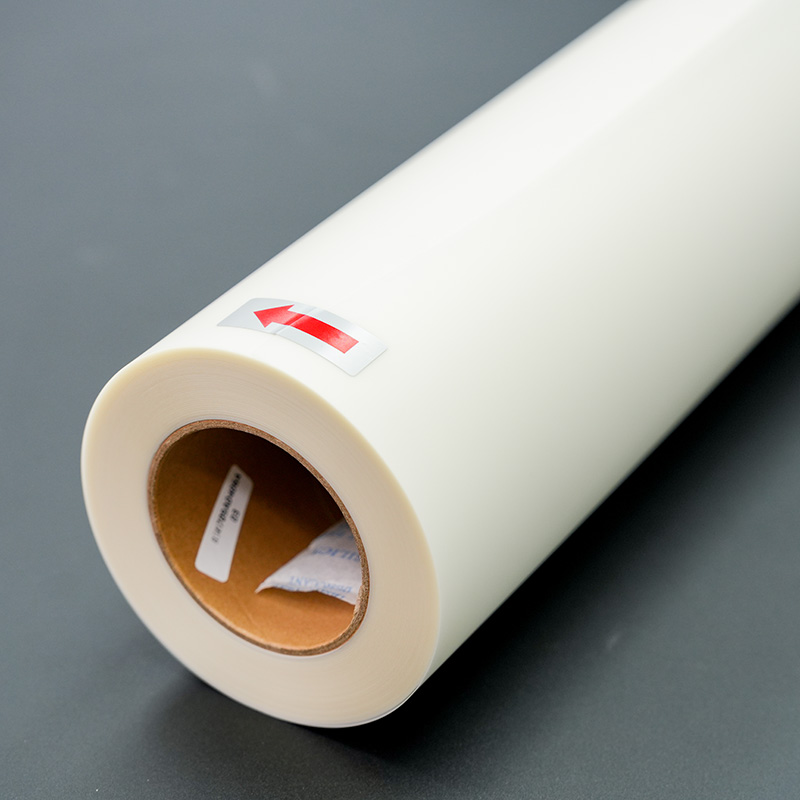
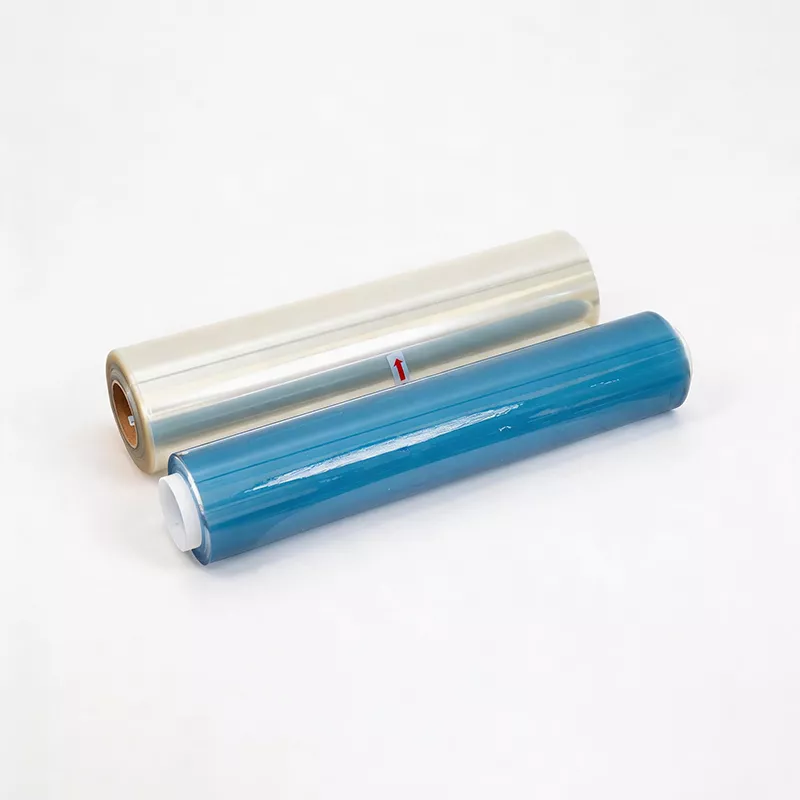
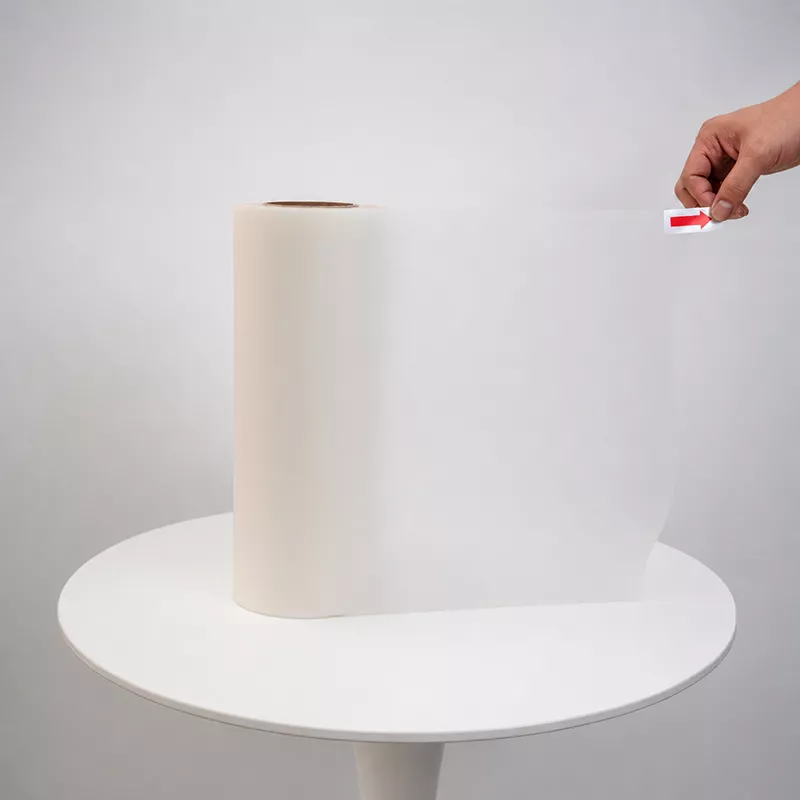
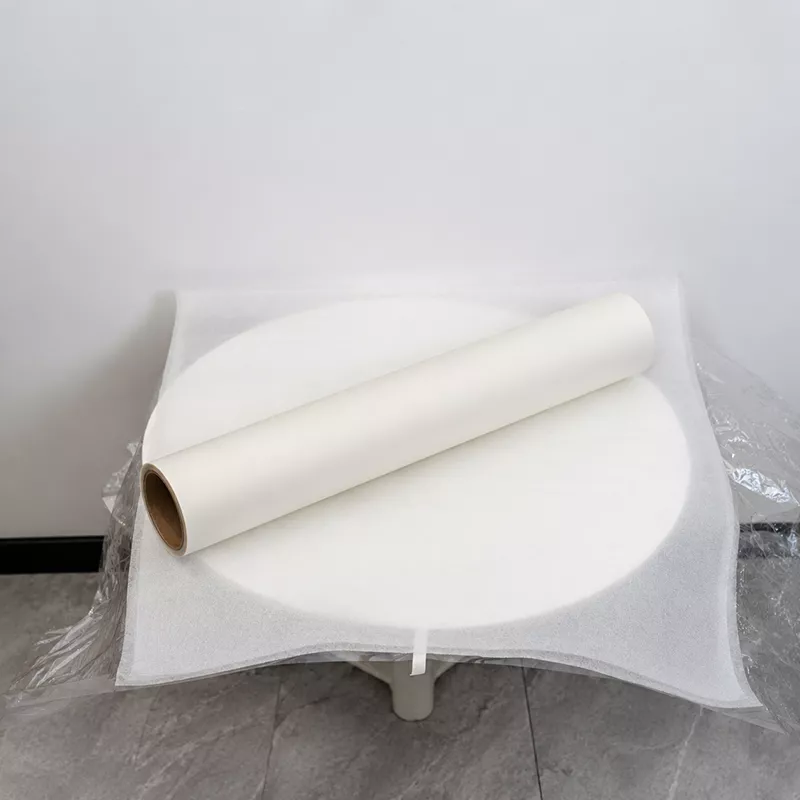
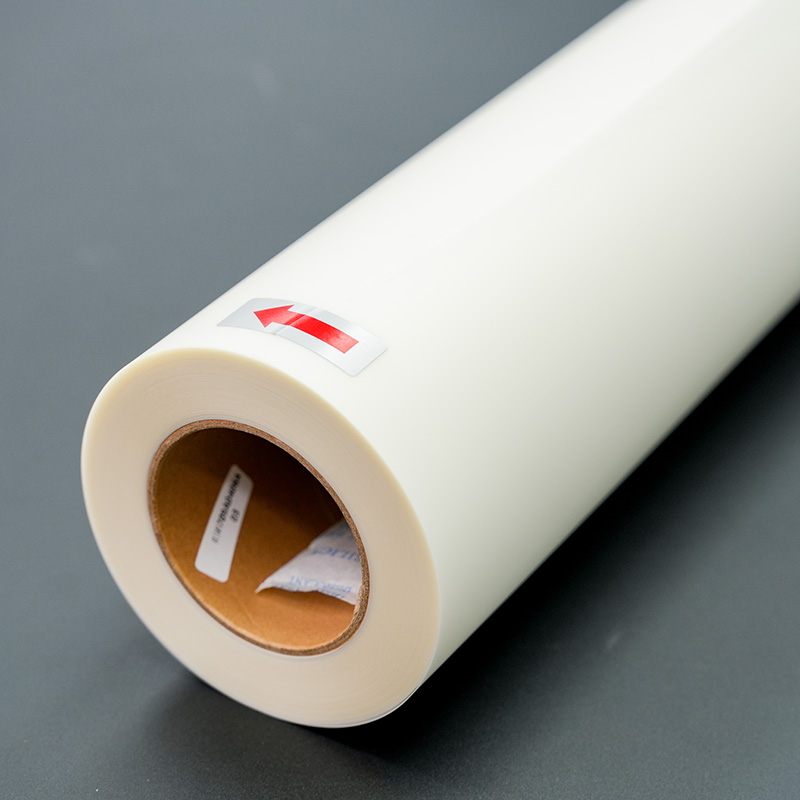
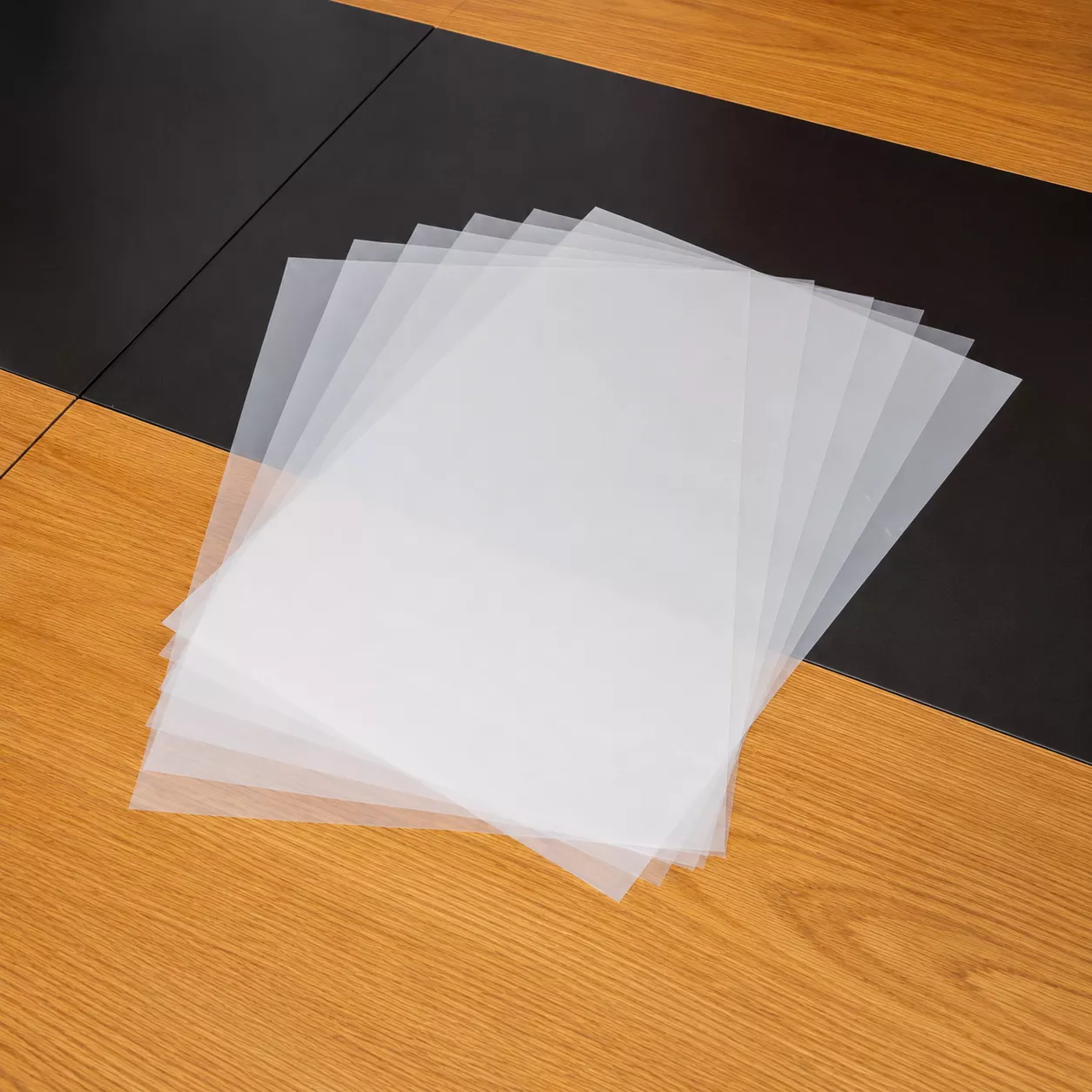
Selecting the best dtf film for inkjet printer is a critical decision. The choice primarily depends on the desired outcome for the final product. This decision often comes down to two primary film types.
Professionals choose hot peel film for speed and a glossy finish. They select cold peel film for maximum durability and a matte finish.
Choose hot peel film for fast printing and a shiny look, especially for many items.
Select cold peel film for strong, long-lasting designs with a soft, matte finish.
Always test different films with your printer and fabric to find the best match.
The choice between hot peel and cold peel film directly impacts workflow, final product appearance, and performance. Each film type possesses distinct characteristics. Professionals select the appropriate film by understanding these fundamental differences.
The most immediate difference between the two films is the peeling step. This single variation creates a significant impact on production speed and workshop efficiency. Hot peel film is designed for speed. Cold peel film requires patience for a perfect transfer.
Hot Peel DTF: The user peels the film away immediately after the heat press opens, while the garment is still hot.
Cold Peel DTF: The user must wait for the transfer and garment to cool down completely to room temperature. This cooling period often takes 5 minutes or more before peeling.
Note: A fast-paced shop benefits greatly from hot peel film. The immediate peeling process allows an operator to move directly to the next item, maximizing throughput. A workflow using cold peel must account for the cooling time, requiring space for pressed garments to rest.
The film type dictates the final look and feel of the design on the garment. This aesthetic quality is a primary factor in matching a product to customer expectations. Hot peel creates a shiny, prominent finish, while cold peel delivers a subtle, integrated look.
| Feature | Hot Peel Film | Cold Peel Film |
|---|---|---|
| Finish | Glossy / Semi-Gloss | Matte / Flat |
| Texture | Smoother, sits on top of the fabric | Softer, feels integrated into the fabric |
| Vibrancy | Colors appear very bright and saturated | Colors appear rich and deep |
| Best For | Promotional items, bold graphics | Premium apparel, retail-quality goods |
A design's ability to withstand repeated washing is crucial for customer satisfaction. Cold peel film generally offers superior durability. The extended cooling period allows the ink and adhesive to cure and bond more deeply with the fabric's fibers. This creates a robust transfer that holds up exceptionally well to stretching and washing.
Hot peel transfers still provide good commercial-grade durability. They are suitable for most standard apparel. However, for workwear or items expected to undergo harsh, frequent laundering, cold peel provides a more resilient and long-lasting result.
The level of detail in a design often determines which film is the only viable option. Cold peel films are highly valued for their ability to render intricate designs with exceptional clarity.
The cooling process is key to this precision. It enables the ink to fully set and bond with the substrate before the film is removed. This stable process ensures small fonts and fine lines remain crisp and intact. Cold peel films feature a release layer designed to securely hold the transfer until it has completely cooled. This controlled release makes cold peel the optimal choice for designs with:
Extremely fine lines
Tiny, legible text
Intricate patterns
Hot peel film, by contrast, is better suited for bolder graphics. The immediate peeling action can sometimes cause very fine details to lift or break. For successful transfers using hot peel film, artwork line thicknesses should be 0.018 inches or thicker. Smaller lines may not transfer cleanly, leading to an incomplete or flawed design.
Professionals select hot peel film when specific production goals like speed, efficiency, and a particular aesthetic are paramount. Its unique properties make it the ideal choice for certain applications and business models. Understanding these scenarios helps a print shop optimize its workflow and deliver products that meet client expectations.
Hot peel film is the undisputed champion for high-volume orders. The immediate peel process eliminates the cooling downtime associated with cold peel film. This allows an operator to maintain a continuous, efficient workflow, pressing one garment right after another. This efficiency is critical in commercial settings where maximizing output per hour directly impacts profitability. Print-on-demand businesses, for instance, often rely on this speed to manage a high number of individual orders and scale their operations without risk.
Designers choose hot peel film when they want a design to pop. The transfer process leaves a distinct glossy or semi-gloss finish that sits on top of the fabric. This creates several key visual effects:
Colors appear exceptionally bright and saturated.
The design has a smooth, plastic-like texture.
Graphics stand out boldly against the garment.
This shiny finish is highly effective for promotional apparel, concert merchandise, and any design intended to grab attention. It gives graphics a vibrant, high-energy look that is popular for branded items and event wear.
Speed is a significant competitive advantage in the custom apparel industry. Hot peel film enables shops to offer rapid fulfillment services. Companies like Pro Goodie Promotion leverage hot peel DTF to provide same-day turnaround on bulk orders, a service made possible by eliminating the cooling step. Similarly, services like FlashShip achieve fast 2-to-5-day delivery windows by integrating efficient hot peel transfers into their process. For any project with a tight deadline, hot peel film is the most practical and reliable option.
Professionals turn to cold peel film when the final product's quality, detail, and longevity are more important than production speed. Its methodical process yields superior results for high-value applications.
Cold peel film creates the most durable and long-lasting DTF transfers. The cooling period allows the adhesive to bond deeply with the fabric fibers, resulting in a transfer that resists cracking and peeling. This enhanced resilience makes it the top choice for garments subjected to harsh conditions or frequent washing. Industries that benefit most from this longevity include:
Heavy-duty workwear and commercial laundry applications
Sports uniforms requiring stretch and wash resistance
Premium brand-name garments, especially synthetics like nylon
Designers rely on cold peel film for its unmatched precision with complex artwork. The transfer stabilizes on the garment as it cools, ensuring that every element remains perfectly in place before the film is peeled. This controlled process prevents fine lines or small text from lifting, which can be a risk with hot peel films.
For retail-quality apparel featuring intricate logos, small fonts, or detailed patterns, cold peel is the only method that guarantees a flawless, crisp transfer every time.
Cold peel film delivers a sophisticated, non-reflective matte finish. This look is highly sought after in the fashion and retail industries for its modern and high-end appeal. Unlike the glossy surface of a hot peel transfer, a cold peel design feels softer and appears more integrated with the fabric itself. This premium aesthetic elevates the perceived value of the garment, making it the perfect choice for creating retail-ready products with a professional, elegant finish. (sparkle emoji, indicating premium apparel)
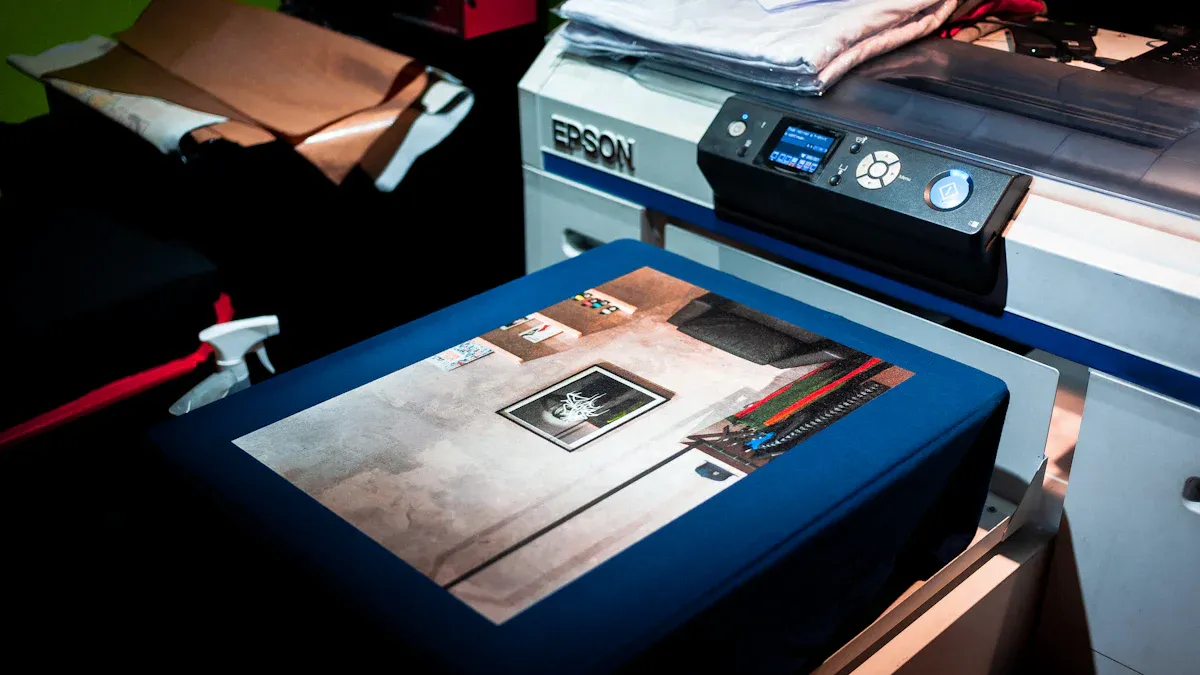
Identifying the best dtf film for inkjet printer involves more than just choosing between hot and cold peel. Professionals must consider the fabric, the hardware, and the importance of testing. A systematic approach ensures consistent, high-quality results for every project.
Different fabrics interact uniquely with DTF films and adhesives. Matching the film to the material is a critical step for a successful transfer. While most DTF films work on a wide range of materials, certain fabrics have specific requirements. Understanding these characteristics helps prevent common issues like poor adhesion or fabric damage.
| Fabric Type | Advantages | Limitations |
|---|---|---|
| 100% Cotton | Excellent ink absorption for vibrant colors. | Can shrink; requires proper curing to prevent peeling. |
| 100% Polyester | Durable and resists shrinking; great for activewear. | Heat sensitive; may require lower press temperatures. |
| Poly-Cotton Blends | Offers a balance of comfort and durability. | Blend ratio can affect heat settings and shrinkage. |
| Tri-blends | Very soft and stretchy for premium fashion. | Requires careful curing to ensure proper adhesion. |
| Nylon | Good for jackets and bags. | Needs specialized adhesives and low heat to avoid melting. |
Note: Heavily textured or waterproof coated fabrics are generally unsuitable for DTF transfers. The coating or uneven surface prevents the adhesive from bonding correctly.
The best dtf film for inkjet printer is one that works seamlessly with a specific equipment setup. Not all films are compatible with every inkjet printer or ink set. Users should always check the manufacturer's recommendations for their printer model. Using an incompatible film can lead to printing errors, poor ink adhesion to the film, or inconsistent transfers. Verifying that the film, ink, and printer are designed to work together is a fundamental step toward achieving reliable output.
Ultimately, testing is the only way to guarantee perfect results. Professionals always test new materials. Ordering sample packs of different films allows a shop to conduct small-scale trials. This process helps determine the best dtf film for inkjet printer by evaluating it with specific inks and fabrics. Testing reveals the ideal heat press settings, confirms color accuracy, and verifies wash durability before committing to a large production run. This small investment of time and resources prevents costly mistakes and ensures client satisfaction.
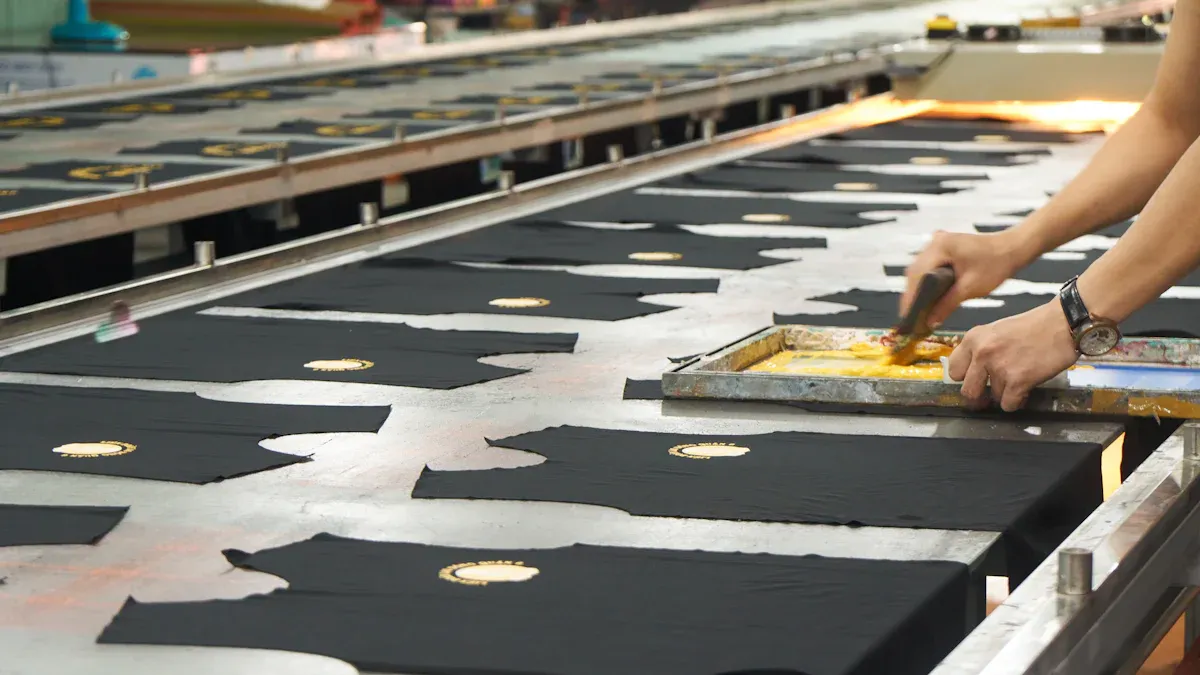
Achieving a perfect DTF transfer requires more than just the right materials. Professionals understand that precise application techniques are essential for success. The pressing method varies significantly between hot peel and cold peel films, and mastering each process guarantees optimal results.
The hot peel process values speed and confidence. Operators must peel the film immediately after the heat press opens, while the garment and transfer are still hot. Hesitation can compromise the transfer quality. A swift, decisive motion is key to a clean release.
Pro Tip: Professionals perform the peel with a smooth, continuous motion at a low angle. This technique prevents the design from lifting or stretching and ensures all ink remains on the garment.
This method requires a fluid workflow. The operator presses the garment, opens the press, and peels the film in one seamless sequence before moving to the next item.
The cold peel technique demands patience for a superior outcome. Unlike the immediate action of hot peel, this process requires a complete cooling period to ensure the ink and adhesive fully bond to the fabric. This methodical approach protects the integrity of detailed designs. For a perfect result, operators follow two critical steps:
Cooling Time: After pressing, they allow the transfer and garment to cool down completely to room temperature. This crucial pause typically takes a few minutes.
Peeling Method: Once the transfer is entirely cool, they gently peel the film away from the fabric. The peel should begin from one corner, pulling back slowly and consistently to prevent any damage to the design.
This careful process yields a durable, matte finish ideal for premium apparel. (sparkle emoji, indicating premium apparel)
Professionals select hot peel film for speed and glossy results in high-volume settings. Cold peel film is superior for projects demanding durability and a modern matte finish.
Ultimately, users find the best dtf film for inkjet printer by testing both types with their specific hardware, inks, and fabrics. (check mark emoji, indicating confirmation)
Yes. Most modern DTF inkjet printers support both film types. Users should always verify compatibility with their specific printer model and ink set to ensure optimal performance.
Professionals often recommend hot peel film for beginners. The immediate peel provides instant feedback, helping new users quickly learn the pressing technique and build an efficient workflow.
No, a second press is not necessary. Operators simply need a dedicated cooling station. This space allows for continuous production while the cold peel transfers cool to room temperature.



Select the most popular foreign trade service products to meet your diverse needs
Select the most popular foreign trade service products to meet your diverse needs

Tel: +86 17706217416
Add: Building L2A, No. 520, Lane 1588, Zhuguang Road, Hongqiao World Center, Qingpu District, Shanghai, China






User Comments
Service Experience Sharing from Real Customers
Michael Rodriguez
Print Shop OwnerAfter testing five different brands, this DTF film is by far the best for our Epson inkjet printers. The transfer quality is incredibly sharp, and the film doesn't curl or jam. A game-changer for our custom apparel business.
Sarah Chen
Graphic DesignerAs a designer, color accuracy is everything. This film produces the most vibrant and true-to-design prints I've seen. It's extremely consistent and has become the only film we use in our studio. Highly recommended for professional results.
James Wilson
Production ManagerExcellent film for high-volume production. It feeds through our Ricoh printers smoothly with zero issues. The adhesive is strong and washes well. We've significantly reduced our waste rate since switching to this film. One star off only because I wish the sheets were available in larger bulk packs.
Lisa Thompson
Small Business OwnerI run a small home-based t-shirt business, and this film made a huge difference. It's very user-friendly, even for beginners. The transfers are soft, durable, and my customers love the quality. It works perfectly with my entry-level Canon inkjet. Fantastic product!