
 English EN
 中国 CN
中国 CN
 French FR
 German DE
 Portuguese PT
 Spanish ES
 Russian RU
 Japanese JA
 Korean KO
 Arabic AR
 Greek EL
 Turkish TR
 Italian IT
 Polish PL
 Hindi HI
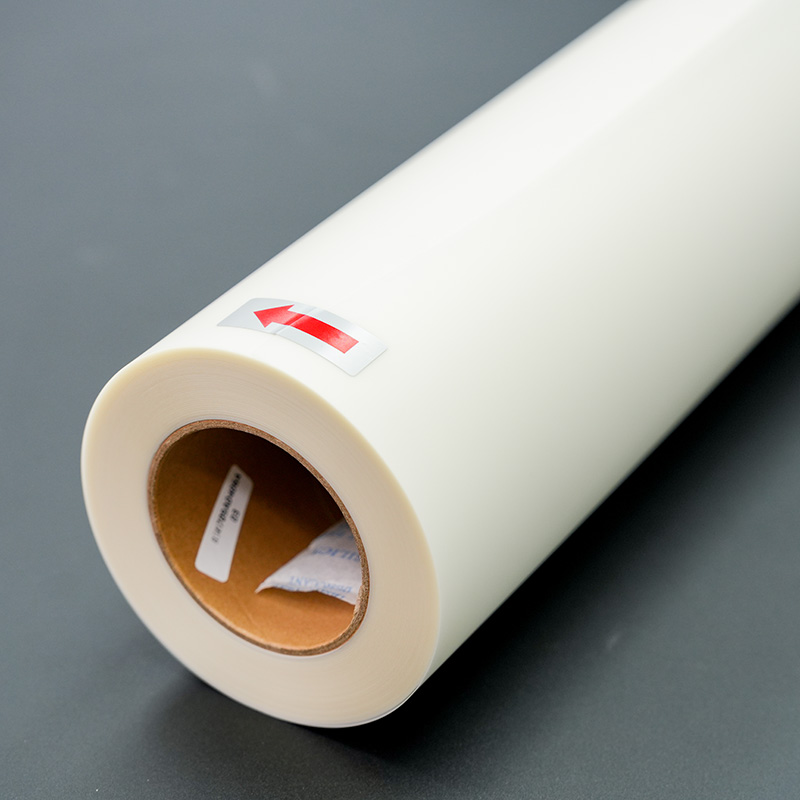
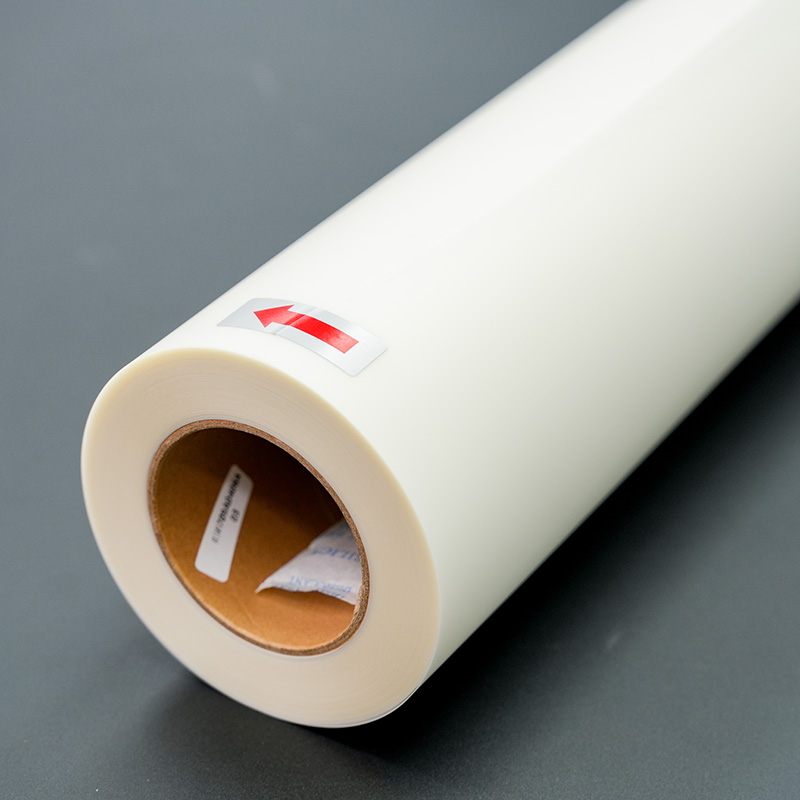
Could You Recommend Top Leading Reliable One-Stop DTF Transfer Product Suppliers?
The global heat transfer film market has experienc...
More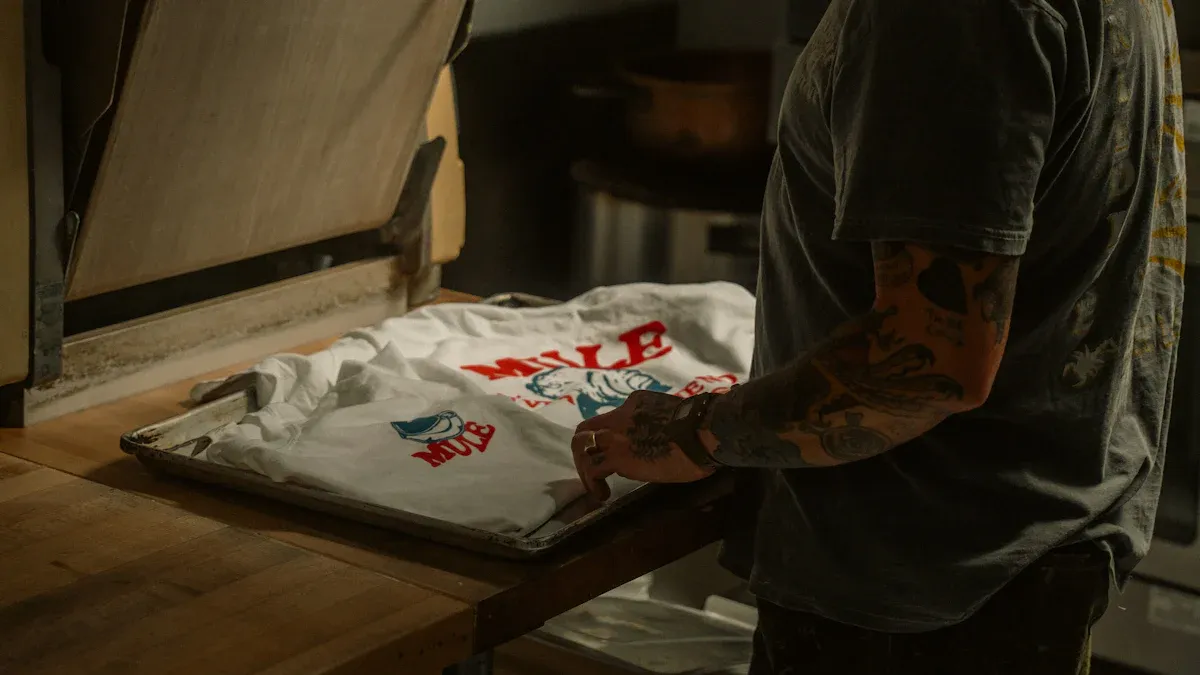
Answering this question requires understanding the nuances of different printing methods. The custom apparel printing market is experiencing significant growth, highlighting the demand for versatile decoration techniques.
| Metric | Value |
|---|---|
| 2024 Market Size | USD 5.16 Billion |
| 2030 Projected Market Size | USD 9.82 Billion |
| CAGR (2025-2030) | 11.5% |
Printers can use sublimation ink on dtf film. This specific "hack" has significant limitations. It is not a true replacement for standard DTF printing. The method works best on light-colored 100% cotton garments. This process uses the sublimation ink as a pigment. DTF adhesive holds the pigment rather than creating a true sublimation gas transfer.
You can use sublimation ink on DTF film, but it is a special trick, not a normal way to print. It works best on light-colored cotton shirts.
This method is good for fun projects or testing, but it does not last long. It is not for businesses that need strong, long-lasting prints.
For the best results, use regular DTF printing for cotton clothes and sublimation printing for polyester clothes.
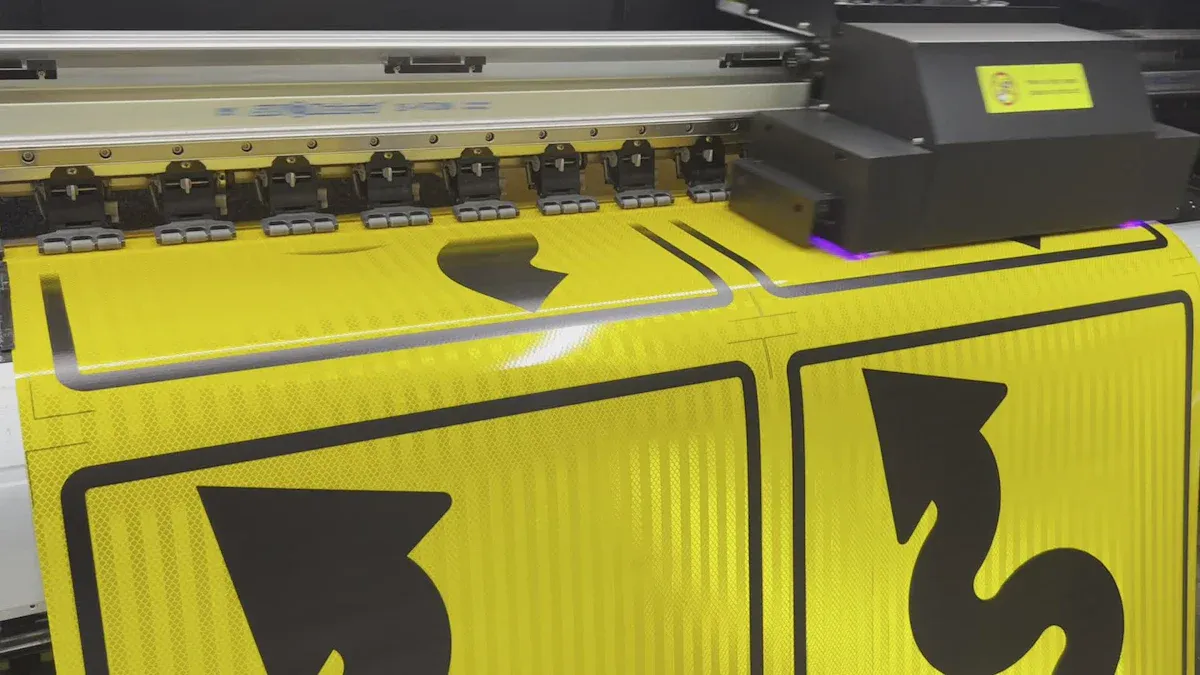
This method repurposes a sublimation setup to create transfers for cotton. It is important to understand that the process does not involve true sublimation. Instead, it uses the DTF adhesive powder to bind the sublimation ink to the fabric surface. The ink acts as a simple colorant rather than a gas that dyes the fibers.
Printers with a sublimation setup can follow a modified DTF workflow. The process is straightforward but requires careful execution at each stage.
Design and Print: Create your design in graphic software. Mirror the image before printing, just as you would for standard sublimation. Print the design using sublimation ink onto the matte side of a cold-peel dtf film.
Apply Adhesive Powder: Immediately after printing, cover the wet ink with DTF adhesive powder. Ensure an even, generous coating across the entire design. Gently shake off the excess powder.
Cure the Transfer: Melt the adhesive powder onto the print. You can do this using a heat press by hovering the heat platen 1-2 inches above the film. Alternatively, a dedicated curing oven provides more consistent results. The powder will melt and take on a glossy, orange-peel texture.
Safety First ⚠️ Curing DTF powder releases fumes. Health and safety protocols recommend using a curing oven equipped with an air filter or ensuring the workspace is extremely well-ventilated to avoid inhalation.
Press the Design: Preheat your garment to remove moisture. Place the cured transfer on the garment and press it according to the film and powder manufacturer's instructions, typically around 300-325°F (150-163°C) for 15-20 seconds.
Cool and Peel: Let the transfer cool completely to room temperature. Once cold, carefully peel the dtf film away from the garment to reveal the final design.
The Subli-DTF hack has significant drawbacks regarding fabric compatibility and longevity. These limitations stem from the fundamental differences between sublimation ink and DTF pigment ink.
| Feature | DTF Pigment Ink | Sublimation Ink |
|---|---|---|
| Colorant Type | Pigment | Disperse Dye |
| Binding | Relies on resins and adhesives to bind | Bonds directly with fiber molecules |
| Affinity | No inherent affinity for coloring objects | Has affinity for textiles |
| Stability | Relatively less stable | Generally more stable |
The primary limitation is fabric color. This method only works on white or very light-colored 100% cotton garments.
Sublimation ink sets do not include white ink. Standard DTF printing relies on a white ink base layer to make colors appear vibrant on dark fabrics.
Without a white base, the transparent sublimation inks will look dull and muted on any dark-colored shirt. The shirt's color will show through the design, altering its appearance.
Durability is another major concern. The sublimation ink does not chemically bond with the cotton fibers. It is merely held in place by the DTF adhesive. This results in significantly lower wash-fastness compared to standard DTF. While a high-quality DTF transfer can last for 50-100 washes, a Subli-DTF transfer may begin to fade, crack, or peel much sooner, often showing wear in fewer than 10-15 washes. Its durability is generally lower than even standard Heat Transfer Vinyl (HTV), which is rated for 20-50 washes.
Despite its limitations, the Subli-DTF hack serves a niche purpose. It is a viable option for:
Hobbyists and Crafters: Individuals who want to print on light-colored cotton shirts for personal use or gifts without buying new equipment.
Testing Cotton Decoration: Sublimation business owners can use this method to experiment with cotton garments before committing to a full DTF investment.
One-Off Projects: It is suitable for creating novelty items or apparel for single events where long-term durability is not a priority.
This method is not a solution for professional apparel businesses. The initial setup cost for a true DTF system is high, with printers and curing equipment ranging from several thousand to over $15,000. However, that investment provides the versatility, durability, and quality needed for commercial production. The Subli-DTF hack cannot deliver the consistent, vibrant, and washable results that professional clients expect.
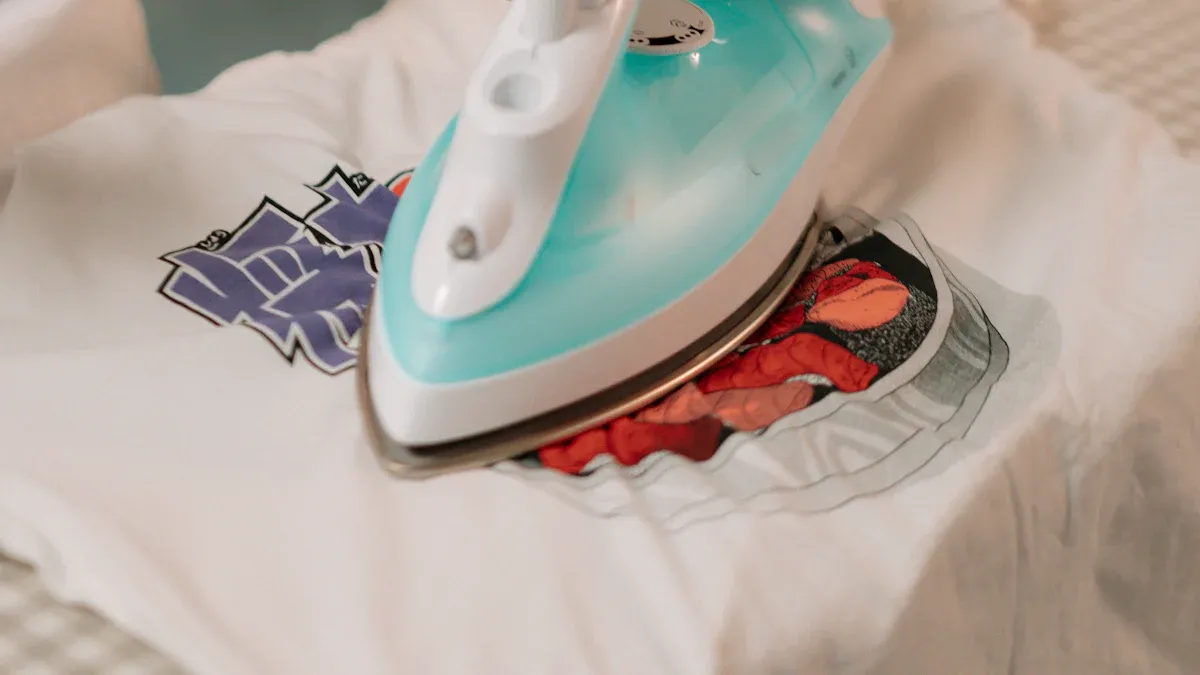
Choosing the right decoration method requires a clear comparison of their capabilities. Each process—the Subli-DTF hack, standard DTF, and traditional sublimation—offers a distinct balance of versatility, durability, and cost. Understanding these differences helps printers align their equipment with their business goals.
A method's value often depends on the range of products it can decorate. Fabric and color compatibility are the most significant differentiators between these three techniques.
Subli-DTF Hack: This method has the most restrictions. It works almost exclusively on white or light-colored 100% cotton garments. The absence of white ink means designs become dull or invisible on dark fabrics.
Standard DTF: This process provides maximum versatility. A white ink base layer allows for vibrant, opaque prints on fabrics of any color, including black. Its compatibility extends across a wide array of materials. Solid choices for DTF transfers include:
100% Cotton
100% Polyester
Cotton-Polyester Blends (50/50)
Tri-Blends
Nylon (with proper testing)
Traditional Sublimation: This technique is chemically specific. Traditional sublimation printing is primarily compatible with polyester fabrics or materials that have a polyester coating. The process requires light-colored substrates because the ink is transparent and dyes the fibers directly.
The longevity of a print directly impacts customer satisfaction and a brand's reputation. The way ink binds to the fabric determines its ability to withstand washing and wear.
The Subli-DTF hack offers the lowest durability. The ink is held on the fabric surface by an adhesive layer, not bonded to the fibers. This makes it prone to cracking and fading in as few as 10-15 washes. In contrast, a standard DTF print offers excellent longevity. A quality transfer can endure 50 or more wash cycles before showing significant wear. Traditional sublimation provides the highest level of permanence, as the ink becomes part of the polyester fiber itself, making the design impervious to fading or cracking for the life of the garment.
| Print Method | Typical Wash Life | Binding Mechanism |
|---|---|---|
| Standard DTF | 50+ washes | Ink binds to adhesive layer |
| Subli-DTF Hack | 10-15 washes | Ink sits within adhesive layer |
| Sublimation | Lifetime of garment | Ink infuses into polyester fibers |
The initial investment is a critical factor for any business or hobbyist. The costs vary dramatically, from a simple workaround to a full commercial production setup.
Note: The Subli-DTF hack is not a standalone process. It assumes the user already owns a sublimation printer and is using dtf film and powder as an add-on.
Subli-DTF Hack: This is the lowest-cost entry point for decorating cotton, assuming a sublimation setup is already in place. The only additional costs are for dtf film and adhesive powder.
Required Gear: Sublimation Printer, Sublimation Ink, DTF Film, DTF Powder, Heat Press.
Standard DTF: This represents a significant professional investment. A complete starter package can cost around $7,995.00, which typically includes the printer, specialized RIP software, an automatic powder shaker and curing unit, inks, powder, and a roll of dtf film. This cost provides a robust solution for high-volume, versatile production.
Required Gear: DTF Printer, DTF Inks (CMYK+White), RIP Software, DTF Film, DTF Powder, Curing Oven/Shaker, Heat Press.
Traditional Sublimation: This falls in a middle ground. A dedicated sublimation printer and supplies are more expensive than a basic craft cutter but significantly less than a full DTF system.
Required Gear: Sublimation Printer, Sublimation Ink, Sublimation Paper, Heat Press.
Printers can use sublimation ink on DTF film, but this method is a limited workaround. The technique is best for hobbyists decorating light-colored cotton items where durability is not a primary concern. It cannot replace professional garment decoration methods that offer superior versatility and washability.
For optimal results, professionals should always match the process to the material: use standard DTF for cotton and traditional sublimation for polyester.
A home iron does not provide the consistent temperature and pressure needed for this process. Printers must use a quality heat press to properly cure the adhesive and apply the transfer.
Sublimation ink is transparent and does not include a white ink layer. The design will appear dull or invisible on dark fabrics without a white base to provide opacity.
No, they are different. The Subli-DTF hack uses sublimation ink as a colorant held by adhesive. Standard DTF uses specialized pigment inks that create a more durable, flexible transfer.
Pro Tip 💡 Always use the correct ink for the job. Standard DTF ink provides superior results for cotton, while sublimation ink excels on polyester.



Select the most popular foreign trade service products to meet your diverse needs
Select the most popular foreign trade service products to meet your diverse needs

Tel: +86 17706217416
Add: Building L2A, No. 520, Lane 1588, Zhuguang Road, Hongqiao World Center, Qingpu District, Shanghai, China






User Comments
Service Experience Sharing from Real Customers
Michael Rodriguez
Custom Apparel DesignerAbsolutely game-changing! I was skeptical about sublimating on DTF film, but the results are vibrant and the process is seamless. Perfect for my small batch custom designs.
Sarah Chen
Print Shop ManagerGreat product for expanding our service offerings. Sublimation on this DTF film works well for detailed graphics on polyester blends. Slightly longer press time needed, but excellent color payoff.
David Miller
Home Business OwnerAs a hobbyist turning pro, this solved my material limitation. I can now sublimate my designs onto DTF film and apply them to almost any fabric. The versatility is incredible and quality is top-notch.
Jessica Williams
Sports Team MerchandiserThis has revolutionized how we produce team jerseys. Sublimating on DTF film allows for durable, wash-resistant, and full-color logos without the feel of traditional transfers. Highly recommend for athletic wear.