
 English EN
 中国 CN
中国 CN
 French FR
 German DE
 Portuguese PT
 Spanish ES
 Russian RU
 Japanese JA
 Korean KO
 Arabic AR
 Greek EL
 Turkish TR
 Italian IT
 Polish PL
 Hindi HI
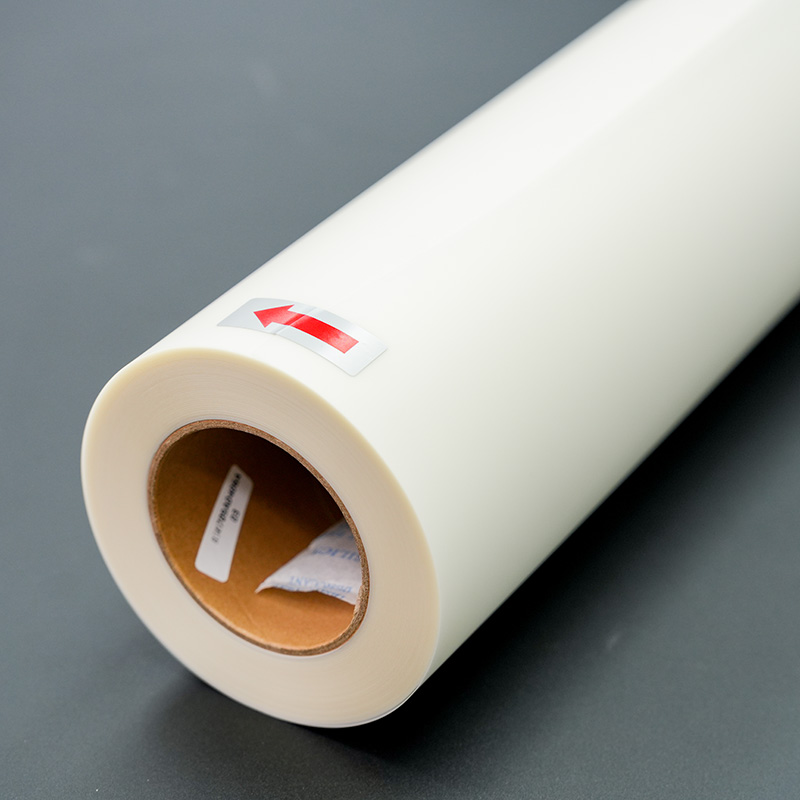
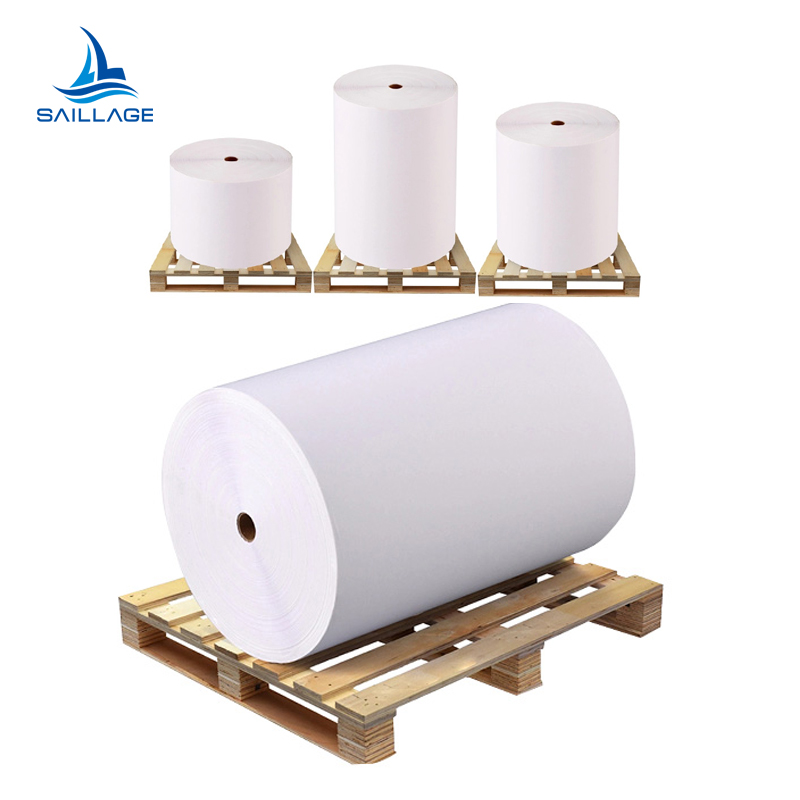
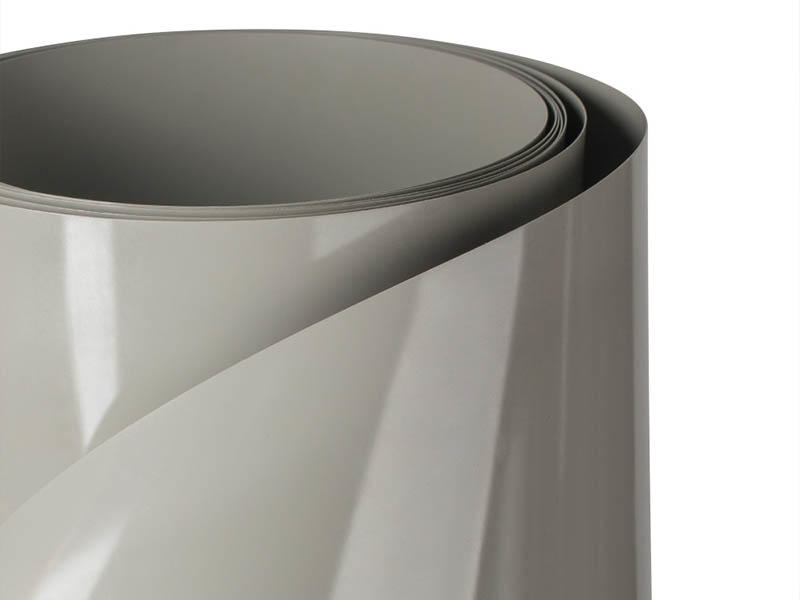
What are the advantages of BOPP film
Third, BOPP film offers great versatility and safe...
MoreA standard home or office inkjet printer cannot create DTF transfers. The incompatibility stems from fundamental differences in ink, printer mechanics, and process. The Direct-to-Film industry shows significant growth, highlighting its popularity.
| Metric | Value |
|---|---|
| Market Size in 2023 | USD 5.66 Billion |
| Projected Market Size by 2032 | USD 14.81 Billion |
| Compound Annual Growth Rate (CAGR) from 2023 to 2032 | 11.27% |
This expansion drives interest in the technology. However, achieving professional results requires a specialized or converted printer setup designed specifically for dtf film.
The appeal of using an existing office printer for a new, profitable venture is understandable. However, a standard inkjet printer fails at three critical junctures: the ink it uses, its mechanical design, and the absence of process-specific components. These incompatibilities make it fundamentally unsuitable for producing professional-grade DTF transfers.
The most significant barrier is the ink itself. Standard inkjet printers use dye or pigment-based inks designed for paper. DTF printing requires a specialized textile ink with entirely different properties. The chemical makeup of standard ink cannot withstand the demands of garment decoration.
Flexibility and Stretch: DTF ink is engineered to be stretchable, allowing it to move with the fabric without breaking. Regular ink is brittle and will crack or peel when the garment is stretched.
Adhesion: Specialized DTF ink is formulated to bond with an adhesive powder, which then melts into the fabric. Standard ink lacks this property and will not adhere properly to textiles.
Wash Durability: Transfers made with DTF ink are highly durable and can endure numerous wash cycles. Regular ink fades quickly or washes out completely, leading to a poor-quality, short-lived product.
Heat Resistance: The DTF process involves high-temperature curing and pressing. DTF ink can withstand this heat, while standard ink may burn, discolor, or degrade, ruining the transfer.
Furthermore, a critical component for vibrant designs on colored garments is a white ink underbase. Standard CMYK (Cyan, Magenta, Yellow, Black) office printers do not have a channel for white ink. Without it, colors will appear dull and transparent on any fabric that is not white.
Standard inkjet printers are engineered to handle porous paper. The internal mechanics are not designed for the unique properties of dtf film.
Alert: The rollers in a typical inkjet printer, often called "pizza wheels," are designed to grip paper. When they roll over the slick surface of a dtf film covered in wet, thick textile ink, they will almost certainly leave track marks and smudge the design, rendering the transfer useless.
Users often encounter other mechanical failures. The printer's sensors may fail to detect the transparent or semi-transparent film, leading to feeding errors. The film's smooth surface can also cause it to slip or jam in a feed path designed for the texture of paper. A standard printer lacks the robust, consistent feeding mechanism required for professional output.
Printing is only the first step in the DTF workflow. A standard printer offers no support for the essential stages that follow. After an image is printed onto the film, it requires two more crucial steps:
Powder Application: The wet ink must be coated evenly with a thermoplastic adhesive powder. This powder sticks only to the ink, forming the adhesive layer that will bond the design to the garment. There is no component in a home printer to perform this task.
Curing: The powder-coated film must be heated to melt the adhesive and cure the ink. This cannot be done inside the printer. It requires an external heat source, like a dedicated curing oven or a heat press used in a specific way. Attempting to use an inadequate heat source will result in poor adhesion and a failed transfer.
The required curing parameters demonstrate the need for specialized equipment.
| Curing Method | Temperature (Celsius) | Temperature (Fahrenheit) | Time |
|---|---|---|---|
| Dedicated Oven | 100-110°C | 212-230°F | 2-3 minutes |
| Heat Press (Hover) | 110-120°C | 230-250°F | 60-90 seconds |
A standard inkjet printer is simply a document printer; it is not one part of an integrated manufacturing system.
Since standard printers are unsuitable, creators must turn to specialized equipment. The two primary pathways are converting an existing inkjet printer or purchasing a purpose-built DTF machine. Each route presents a distinct balance of cost, convenience, and reliability.
A DIY conversion involves modifying a compatible inkjet printer, like certain Epson models, to handle DTF inks and film. A purpose-built DTF printer is an out-of-the-box solution designed specifically for this process. The initial investment is a major differentiator.
| Setup Type | Initial Cost |
|---|---|
| DIY Conversion | $300–$600 |
| Professional DTF Printer | $1,000–$3,000 |
However, the lower upfront cost of a DIY setup comes with significant risks. Modifying a printer voids its warranty. Users receive no technical support for troubleshooting or repairs. In contrast, professional DTF printers come with manufacturer support, ensuring help is available for technical issues.
| Setup Type | Support |
|---|---|
| DIY Conversion | None |
| Professional DTF Printer | Full after-sales support |
A successful DTF workflow requires more than just a printer. It is a multi-stage system where each component plays a vital role. A complete setup includes:
A DTF Printer: This can be a converted inkjet or a purpose-built machine capable of handling textile inks and dtf film.
Specialized DTF Inks: These must include Cyan, Magenta, Yellow, Black, and White channels for vibrant prints on all fabric colors.
DTF Film and Adhesive Powder: The image is printed on the dtf film, which is then coated with a thermoplastic powder that acts as the glue.
Raster Image Processor (RIP) Software: Standard printer drivers cannot manage the complexities of DTF. RIP software is essential for:
Controlling the white ink underbase and color ink layers.
Ensuring accurate color reproduction with ICC profiles.
Managing ink density to prevent bleeding.
Curing Equipment: After powdering, the film must be heated. An automatic powder shaker and dryer streamlines this step with features like:
Auto powder application and shaking.
An integrated tunnel dryer for consistent curing.
An automatic film take-up system for roll-to-roll production.
Embarking on a DIY conversion project seems like a cost-effective entry into the DTF market. However, this path is filled with technical hurdles and hidden expenses. Success requires significant technical skill, patience, and a clear understanding of the risks involved.
Converting a standard inkjet printer for DTF use is a complex mechanical and software overhaul. It is not as simple as swapping ink cartridges. One of the first modifications involves removing the internal star-wheel rollers, often called "pizza wheels." These rollers, designed to grip paper, will leave track marks on wet DTF film. Their removal is a delicate process that requires compensating for their paper-handling functions.
Even with a mechanically sound printer, users face numerous potential points of failure. These issues can ruin prints, waste materials, and cause significant frustration.
Print Quality Issues: Common problems include ink smudging, image blurring, color inconsistencies, and printhead blockages.
Film Handling Errors: The printer may struggle with film wrinkling or improper feeding, leading to distorted transfers.
Adhesion and Durability Problems: Designs might fail to transfer completely or peel after washing due to poor ink adhesion or curing.
Creators often choose specific Epson models for these projects due to their printhead technology and modification potential.
| Model | Reason for DTF Conversion |
|---|---|
| Epson L1800 | Versatile and exceptional print quality |
| Epson P600 | High-quality prints, larger ink cartridges |
| Epson L805 | Vibrant colors and accurate details |
| Epson P400 | Precise color reproduction and resolution |
Note: Each conversion is unique. Success with one model does not guarantee an easy process, as each printer presents its own set of challenges.
The initial low price of a donor printer is deceptive. A true cost analysis must include inks, film, powder, RIP software, and maintenance supplies. Wasted materials from failed prints during the learning phase also add to the overall expense. The financial commitment extends far beyond the initial purchase.
A comparison reveals the long-term financial reality. While owning a printer offers a lower cost-per-print for materials, the initial investment and maintenance costs are substantial.
| Category | Buying DTF Prints | Owning DIY DTF Printer |
|---|---|---|
| Initial Investment | None | ~$2,500 (incl. conversion) |
| Monthly Materials | N/A | $60+ |
| Monthly Maintenance | N/A | $100+ |
| 12-Month Total | $3,576 | $4,420 |
A DIY setup becomes more cost-effective only after reaching a certain production volume, often around 174 prints per month. For small-scale producers or beginners, outsourcing transfers to a professional service is frequently the more economical and reliable option.
A standard inkjet printer is fundamentally unsuitable for the DTF process. Its limitations in ink, hardware, and workflow prevent professional results. For reliable, high-quality transfers, creators have two primary options.
Invest in a dedicated DTF system for in-house production.
Use a professional DTF transfer service for outsourcing.
Individuals should evaluate their production volume and technical comfort level. This analysis helps determine the smartest and most cost-effective path forward for their business needs.
Direct-to-Film (DTF) prints designs onto a special film for heat transfer. Direct-to-Garment (DTG) applies ink directly onto the textile. DTF offers greater versatility, working on a wider range of fabrics like polyester and cotton blends.
Not all Epson printers are suitable for conversion. Specific models, like the L1800 or P600, are popular choices. Their printhead technology and modifiable chassis make them better candidates for handling viscous DTF inks and film.
Raster Image Processor (RIP) software gives users precise control over the printing process. It manages the white ink underbase and color layers. Standard printer drivers lack this crucial functionality for creating opaque transfers on colored garments.
Professionally produced DTF transfers exhibit excellent durability. They can withstand over 50 wash cycles without significant cracking or fading. Proper application and curing are critical for achieving this longevity and a soft feel on the garment.
Select the most popular foreign trade service products to meet your diverse needs
Select the most popular foreign trade service products to meet your diverse needs

Tel: +86 17706217416
Add: Building L2A, No. 520, Lane 1588, Zhuguang Road, Hongqiao World Center, Qingpu District, Shanghai, China






User Comments
Service Experience Sharing from Real Customers
Sarah Chen
Graphic DesignerI was skeptical at first, but this DTF film works perfectly with my Epson EcoTank inkjet printer! The colors are vibrant and the transfer to fabric is incredibly durable after curing. A game-changer for my small custom apparel business.
Marcus Johnson
Print Shop OwnerExcellent product for expanding our services without investing in a dedicated DTF printer. Using our existing inkjet printer with this film is cost-effective. The white layer is opaque and adhesion is strong. One star off for the learning curve with temperature settings.
Elena Rodriguez
Art TeacherThis has opened up so many creative projects for my students! We can now print detailed, full-color designs from our school's standard inkjet printer and transfer them to tote bags and t-shirts. The film is easy to use and the results are professional.
David Kim
Small Business OwnerAs a startup making promotional merchandise, this DTF film for inkjet printers has been a lifesaver. The quality rivals professional transfers at a fraction of the cost. Customer feedback on the print clarity and soft hand feel has been outstanding. Highly recommended!