Can You Use Sublimination Ink on DTF Film? A Comprehensive Guide for Product Selection
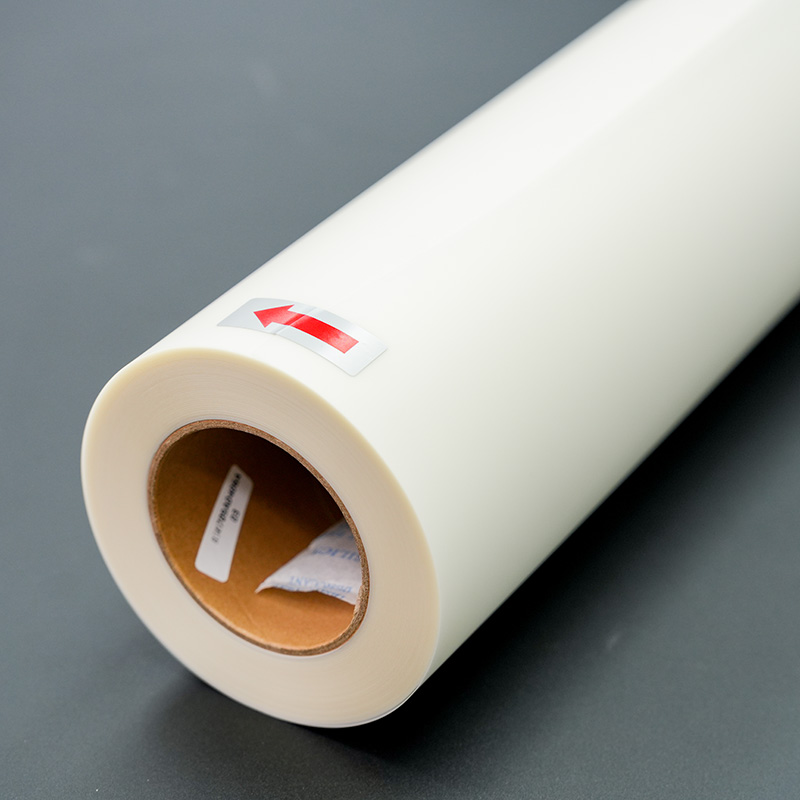
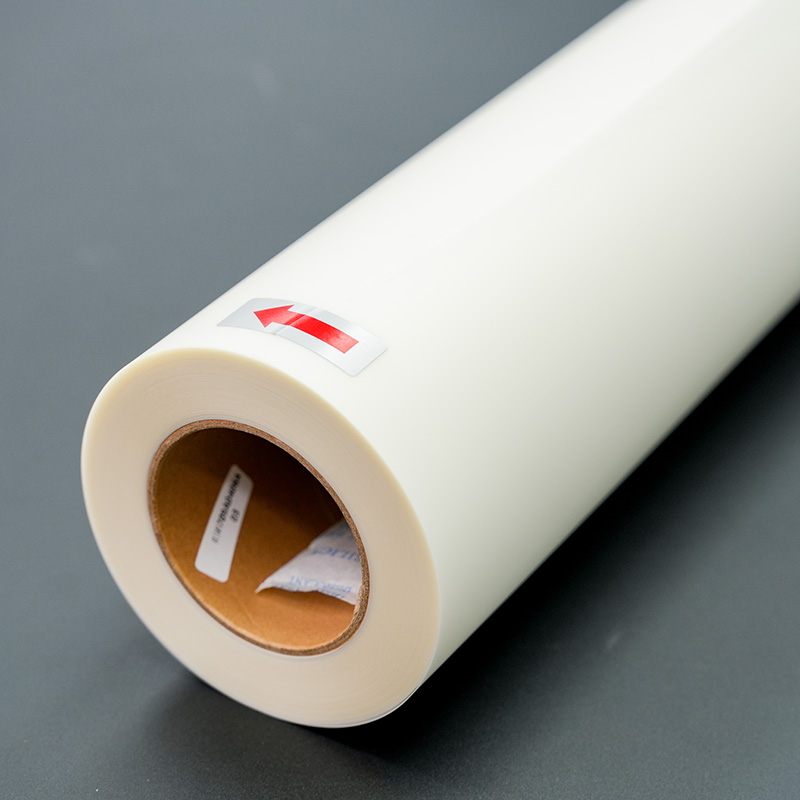
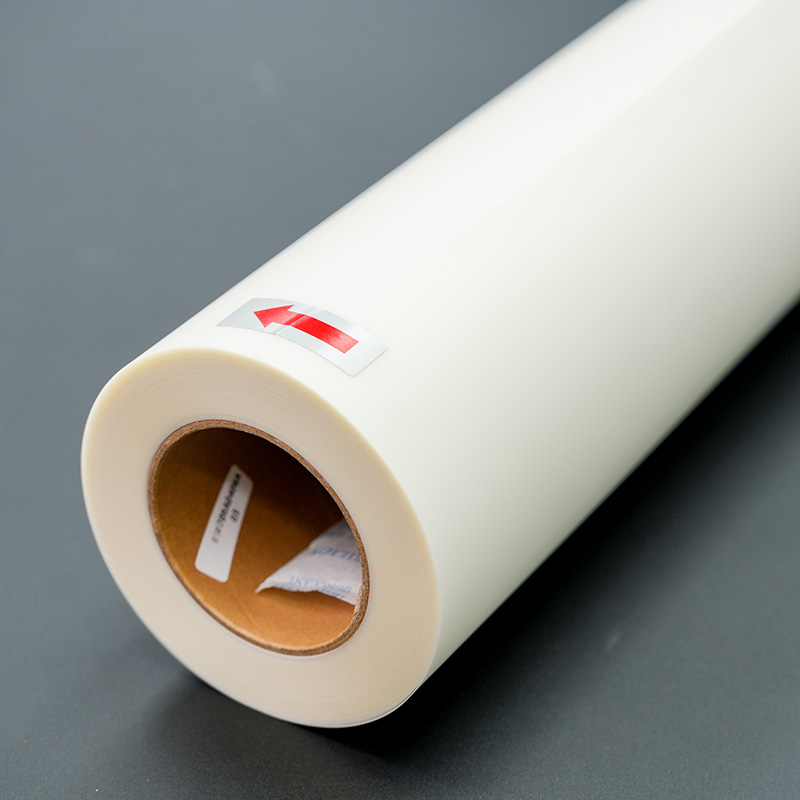
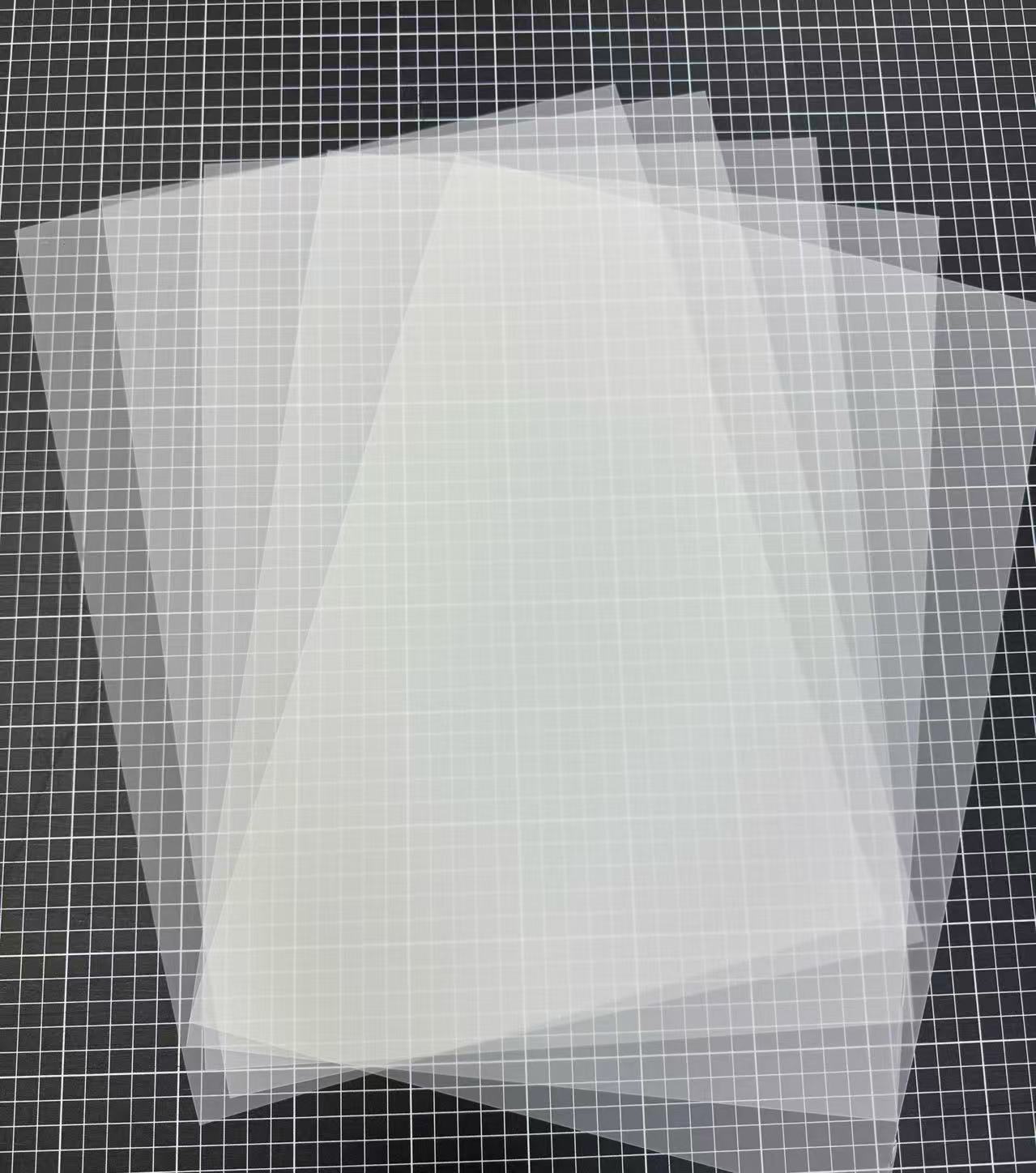
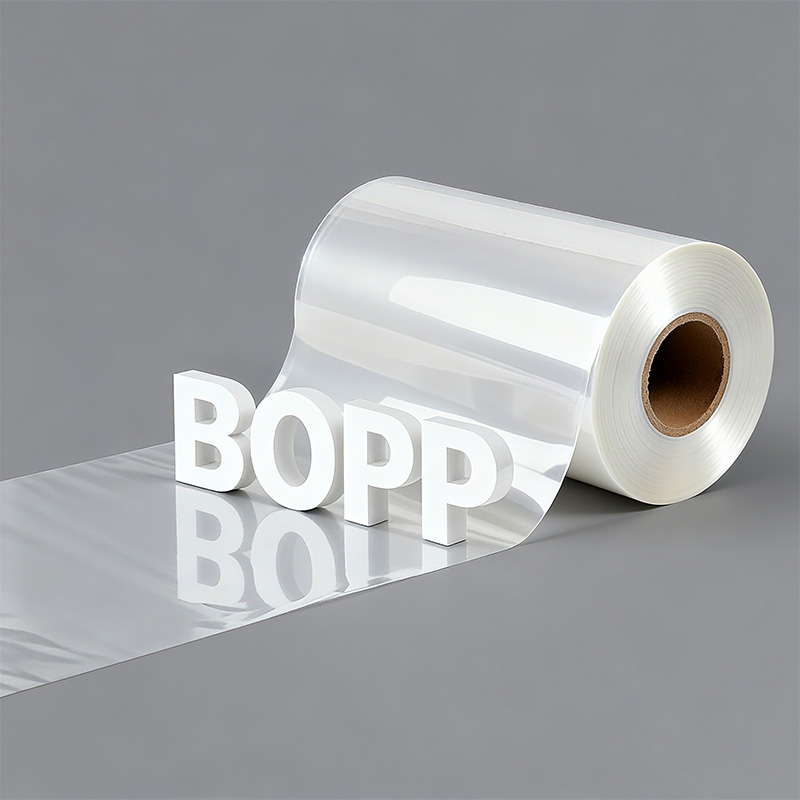
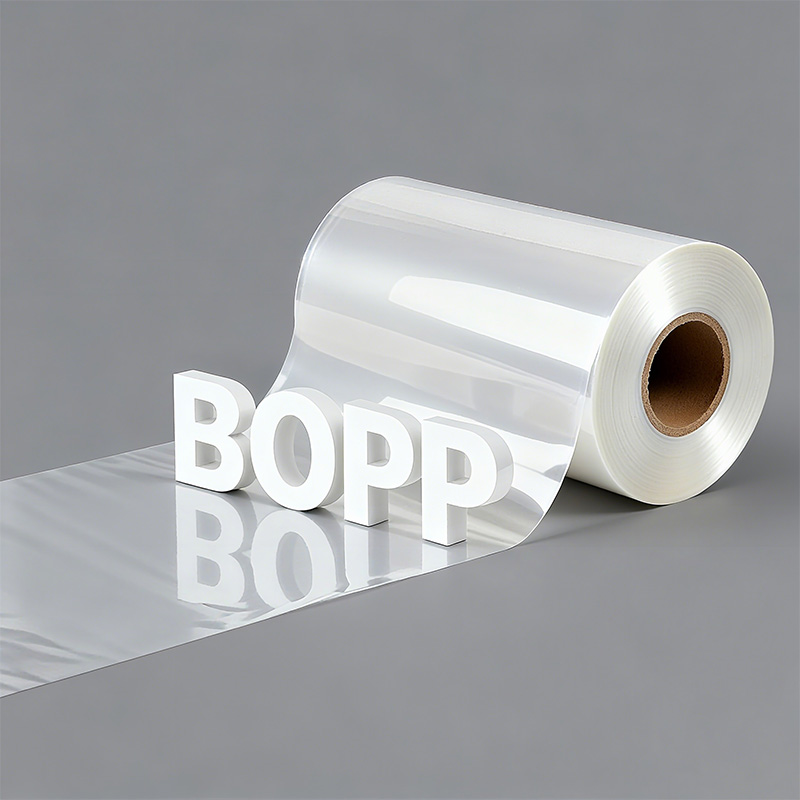
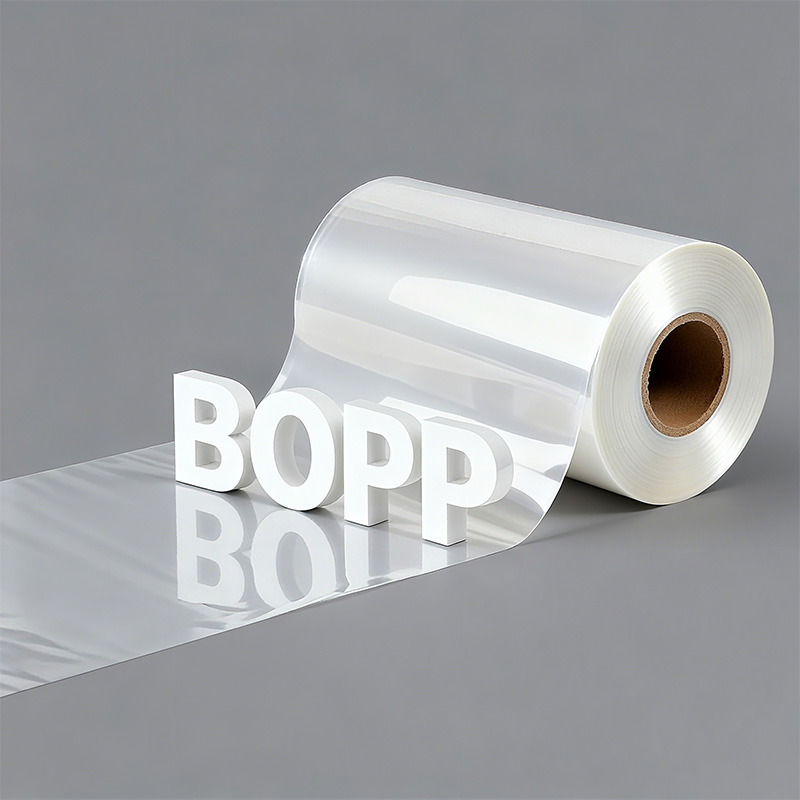
Sublimation ink is fundamentally incompatible with Direct-to-Film (DTF) printing processes. Using sublimation ink on DTF film will not produce a functional or transferable design. This critical distinction is essential for businesses and hobbyists aiming to achieve professional, durable results on textiles. The core reason lies in the fundamental chemical and mechanical differences between the two technologies. Sublimation ink is designed to convert from a solid to a gas under high heat, bonding with polyester polymers at a molecular level. DTF ink, conversely, is a pigment-based ink system paired with a hot-melt adhesive powder. The DTF process involves printing the design onto a special PET film, applying adhesive powder, curing it, and then using a heat press to melt the adhesive, which mechanically bonds the entire film layer to the fabric. Sublimation ink lacks the necessary adhesive properties and will simply vaporize or fail to adhere during the DTF transfer process, resulting in wasted materials, faded prints, and poor wash durability.
To achieve successful DTF prints, you must use dedicated DTF inks and the complete DTF system. Industry data and manufacturer specifications consistently show that DTF pigment inks are formulated for specific print head types (often Epson-based) and are engineered to work with the thermoplastic adhesive powder. Search results from leading suppliers like DTF Super Store, DTF Transfer, and DTG Digital highlight that attempts to use sublimation, eco-solvent, or other ink types in DTF lead to immediate failure, including clogged printheads, poor powder adhesion, and cracked transfers. For optimal product performance and ROI, users should invest in a complete DTF bundle. Key metrics from user reports indicate that proper DTF prints, when done with correct materials, offer superior wash fastness (surviving 50+ wash cycles), excellent stretchability on fabrics like cotton, polyester, and blends, and a soft hand feel. The operational data suggests a workflow of: 1) Printing with genuine DTF ink onto film, 2) Applying adhesive powder uniformly, 3) Melting the powder in a curing oven (typically at 160-170°C for 2-3 minutes), and 4) Heat-pressing the design onto the garment at 160-165°C for 10-15 seconds with medium pressure. This process ensures the adhesive fully melts and creates a strong bond. Therefore, for effective product promotion and to avoid common pitfalls, it is imperative to market and use the correct, system-specific supplies. Emphasizing the incompatibility of sublimation ink with DTF film protects customers from costly errors, while promoting dedicated DTF kits ensures high-quality output, customer satisfaction, and repeat business in the competitive custom apparel market.

 English EN
 中国 CN
中国 CN
 French FR
 German DE
 Portuguese PT
 Spanish ES
 Russian RU
 Japanese JA
 Korean KO
 Arabic AR
 Greek EL
 Turkish TR
 Italian IT
 Polish PL
 Hindi HI







User Comments
Service Experience Sharing from Real Customers
Emily Chen
Print Shop OwnerI was skeptical at first, but after thorough testing, I can confirm sublimation ink works perfectly on our DTF film! The color vibrancy and transfer rate are excellent. A game-changer for our small business, allowing more flexibility with our existing ink inventory.
David Rodriguez
Production ManagerGreat solution for using up our sublimation ink stock. The results on DTF film are impressive with sharp details. Slightly different curing settings were needed, but once dialed in, it performed reliably. Saves us from buying dedicated DTF ink for certain jobs.
Sarah Johnson
Graphic DesignerAs a designer running a side hustle, this tip was invaluable. Using sublimation ink on DTF film allowed me to expand my service offerings without a huge new investment. The colors blend beautifully, and the prints are durable. Highly recommend experimenting with this method!
Michael Park
Textile EngineerFrom a technical standpoint, the compatibility is solid for most applications. We conducted adhesion and wash tests, and the performance met our standards. It's a cost-effective hybrid approach. Just ensure you use a high-quality DTF film specifically designed for such ink versatility.