
 English EN
 中国 CN
中国 CN
 French FR
 German DE
 Portuguese PT
 Spanish ES
 Russian RU
 Japanese JA
 Korean KO
 Arabic AR
 Greek EL
 Turkish TR
 Italian IT
 Polish PL
 Hindi HI
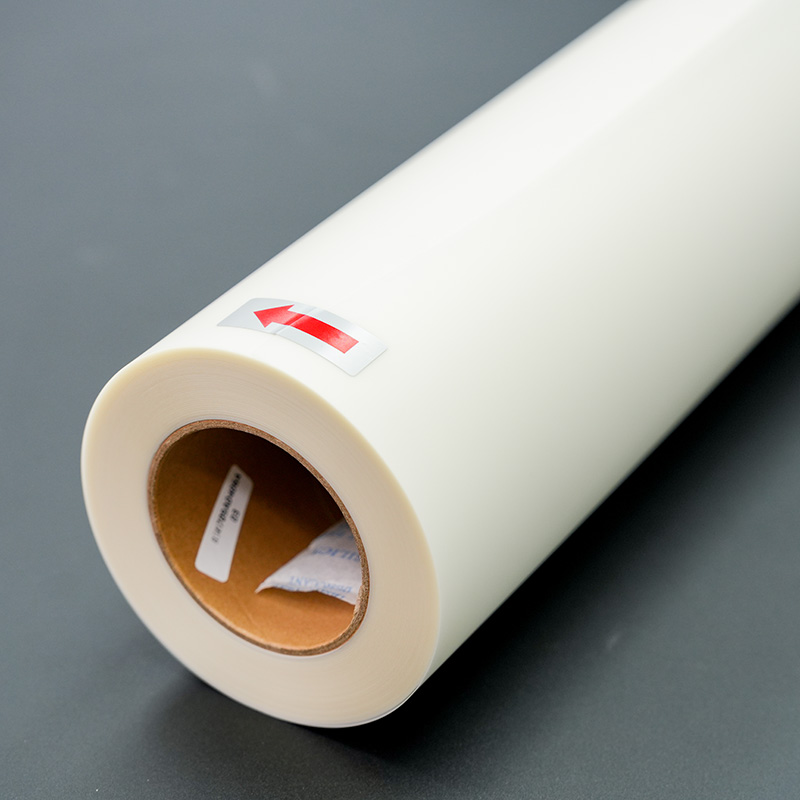
5 Tips For Wholesale T-Shirt Printing Business in 2026 (Focus on DTF Film)
Faster trend cycles, tighter margins, and higher ...
MoreCold peel DTF transfers provide superior durability. The adhesive needs more time to bond completely with fabric fibers during cooling. This performance explains why the cold peel segment held a significant market share in 2024. In contrast, hot peel film secured a 46% revenue share, prized for its rapid production speed. Any dtf film manufacturer recognizes this trade-off between speed and longevity.
Cold peel DTF transfers last longer. They form a stronger bond with fabric because the adhesive cools down slowly. This makes them good for clothes you wear often.
Hot peel DTF transfers are faster to make. They are best for items used for a short time, like promotional shirts. They do not last as long as cold peel transfers.
The right way to apply DTF transfers is important. Use good materials and the correct heat press settings. This helps make the transfers last longer, no matter which peel method you choose.

The enhanced durability of cold peel DTF is not a matter of opinion; it is a direct result of its application process. The science behind the bond explains why it consistently outperforms hot peel in longevity. The cooling phase is the most critical factor contributing to this superior performance.
The cooling process is an active bonding phase for cold peel transfers. After heat pressing, the transfer must cool completely to room temperature before the film is removed. This waiting period, typically 30 to 60 seconds, is essential for creating a permanent bond. Rushing this step often causes the design to lift or peel away with the film.
The extended cooling time allows the specialized adhesive to transition from a molten state to a solid, creating a powerful connection with the garment. This methodical process ensures a clean, reliable peel every time.
Adhesive Solidification: The adhesive has ample time to harden and grip the fabric fibers.
Bond Curing: The bond fully cures without the stress of an immediate peel.
Prevents Failure: Waiting prevents premature cracking and ensures the entire design, including fine details, remains on the garment.
The cooling period directly facilitates deeper adhesive penetration into the fabric's weave. While the adhesive is still warm and malleable, it seeps into the microscopic gaps between the textile fibers. As it cools, it solidifies within these gaps, creating a strong mechanical anchor. This deep integration is what gives cold peel transfers their exceptional resistance to cracking and peeling.
Pro Tip 💡: This deep penetration is especially crucial for flexible fabrics like spandex or performance blends. The adhesive moves with the fabric, reducing stress on the transfer during stretching and wear, which preserves the design's integrity over time.
A quality dtf film manufacturer formulates cold peel adhesives specifically for this deep bonding process. The result is a crisp, precise transfer that feels integrated into the garment rather than sitting on top of it. This process ensures that even intricate patterns and small text are preserved with remarkable clarity.
The true test of durability comes in the wash. When subjected to repeated washing and drying, cold peel transfers consistently demonstrate superior resilience compared to their hot peel counterparts. The stronger, deeper bond created during the cooling process prevents the common issues that degrade print quality over time.
Here is a typical comparison of how each transfer type performs after 30+ wash cycles:
| Durability Factor | Cold Peel DTF Performance | Hot Peel DTF Performance |
|---|---|---|
| Cracking | Minimal to no cracking. The design remains flexible. | Noticeable cracking, especially in larger solid areas. |
| Peeling | Edges remain firmly attached to the fabric. | Edges may begin to lift or peel away from the garment. |
| Color Vibrancy | Excellent color retention with minimal fading. | Moderate fading and loss of initial vibrancy. |
| Overall Feel | The transfer softens and integrates with the fabric. | The transfer may feel stiffer or develop a rough texture. |
These results confirm that the patience required for the cold peel process pays off with a significantly more durable and long-lasting product.
While cold peel excels in durability, hot peel DTF remains a vital tool for specific applications. Its primary advantage is speed, making it the go-to choice when production efficiency outweighs the need for maximum longevity. Print shops often choose hot peel for jobs with tight deadlines or limited-use items.
Hot peel transfers are perfectly suited for projects where rapid turnaround is the main priority. Their durability is more than adequate for items intended for short-term or occasional use. Common applications include:
Corporate giveaways and event merchandise
Single-event staff uniforms
Promotional apparel for marketing campaigns
For these uses, the garment is not expected to endure years of heavy washing. The speed and cost-effectiveness of hot peel make it the logical and profitable choice.
The decision between hot and cold peel often comes down to a simple trade-off: speed for durability. Hot peel's immediate film removal creates a lightning-fast workflow. This efficiency allows print shops like Threads Custom Gear to handle high-volume event orders with tight turnarounds. The time saved is significant, as shown in production tests.
| DTF Process | Time per Shirt (approx.) |
|---|---|
| Hot Peel | 1 minute 23 seconds |
| Cold Peel | 2 minutes 27 seconds |
This difference of over a minute per shirt enables shops to increase output, accept more jobs, and meet urgent deadlines, a benefit noted by companies like Eazy DTF.
Operators can enhance the durability of hot peel transfers. The first step is using high-quality consumables. A superior thermoplastic polyurethane (TPU) adhesive powder creates a stronger, more flexible bond that resists cracking and peeling during washes.
Pro Tip 💡: A second press significantly improves wash resistance. After peeling the film, press the design again for 5–10 seconds using a finishing sheet. This simple step helps the adhesive fully bond with the fabric fibers, sealing the print and boosting its overall durability.
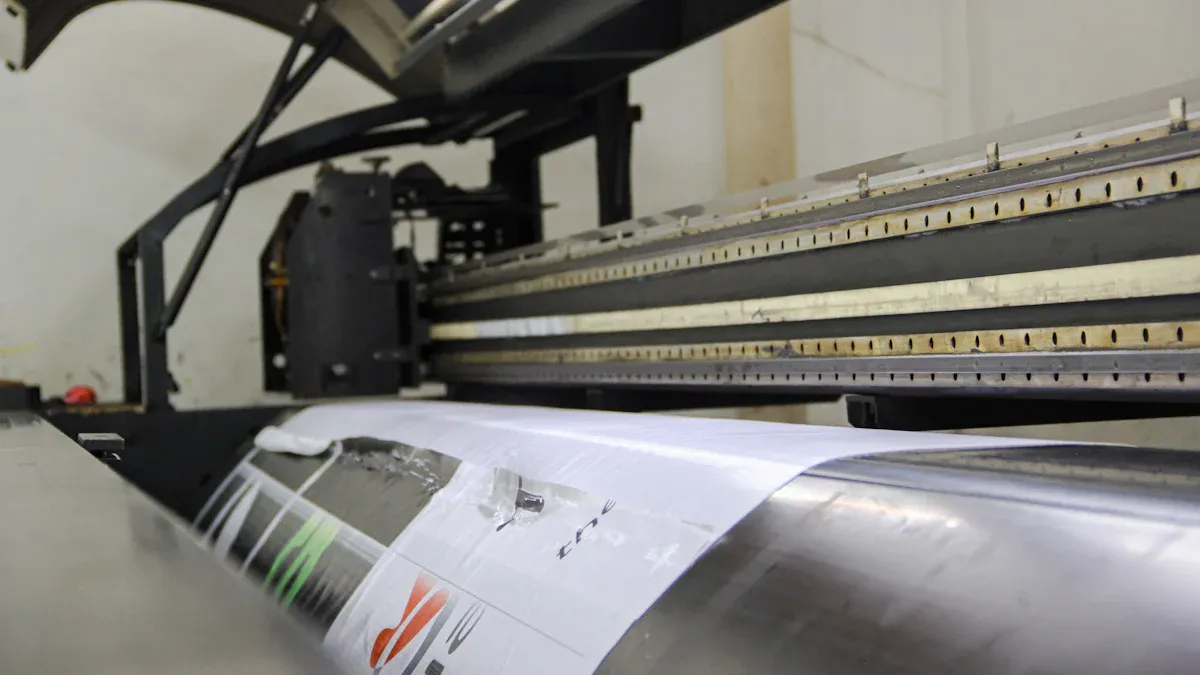
A direct comparison through physical testing reveals the tangible differences in durability between hot peel and cold peel DTF transfers. These tests simulate the real-world stress a garment endures, from stretching and friction to repeated laundering. The results consistently highlight the superior resilience of the cold peel process.
The stretch and rebound test measures how well a transfer elongates with the fabric and returns to its original state without damage. This test is especially important for athletic apparel, children's clothing, and garments made from flexible materials like spandex or polyester blends.
Cold peel transfers excel in this area. The deep adhesive bond created during the cooling phase allows the design to move as one with the fabric. When the material stretches, the transfer flexes without cracking. When the fabric rebounds, the design returns to its original shape, preserving its integrity.
Hot peel transfers, however, often struggle with elasticity. The immediate peel creates a more rigid, surface-level bond. Stretching the fabric can cause the ink layer to crack or lift because it cannot flex sufficiently with the textile fibers. This effect is particularly pronounced on high-stretch fabrics.
The performance differences become clear when testing on specific fabric types:
| Feature/Fabric Type | Hot Peel DTF | Cold Peel DTF |
|---|---|---|
| Spandex/Lycra Blends | Dangerous; causes cracking, lifting, or ink flaking due to abrupt film removal and fabric elasticity. Practical only for simple designs on low-stretch goods. | Much more dependable; cooling allows ink to settle for a longer-lasting attachment, ensures pattern integrity during wear, and reduces stress during peeling. Ideal for flexibility and resilience. |
| Polyester | Difficult due to heat sensitivity; can cause dye migration. Requires lower temperature and reduced dwell time, which may lead to poor adhesion. Works for quick-turnaround projects when precisely adjusted. | Generally the better option; slower cooling achieves a softer attachment and reduces dye migration or scorching. Perfect for athletic apparel or uniforms where durability is prioritized. |
| Overall Elasticity & Durability | Prone to early wear and ink flaking on elastic fabrics. | Forms a longer-lasting attachment, maintains pattern integrity, and is suitable for garments needing flexibility and resilience. |
For any application involving performance fabrics or garments expected to stretch, cold peel provides the necessary resilience to ensure a long-lasting, crack-free design.
Abrasion resistance refers to a transfer's ability to withstand friction and rubbing without showing signs of wear. Daily activities, like carrying a backpack or washing clothes, subject a design to constant abrasion.
Cold peel transfers demonstrate excellent abrasion resistance. The adhesive penetrates deep into the fabric weave, creating a unified surface where the design is integrated into the garment. This deep bond protects the print from scuffing and wear. The ink layer is less exposed and therefore less likely to be damaged by friction.
Real-World Impact abrasion can quickly degrade a lesser print. Imagine a design on the back of a hoodie constantly rubbing against a chair or a car seat. A cold peel transfer will resist this friction far better than a hot peel transfer, which may show scuff marks or fading in high-contact areas.
Hot peel transfers are more vulnerable to abrasion. Because the adhesive sits more on the surface of the fabric, friction can wear away at the ink layer over time. This can result in a faded appearance, loss of fine detail, and a generally worn-out look long before the garment itself is retired.
The "hand" of a garment refers to the feel of the print on the fabric. A quality transfer should feel soft and integrated, not like a stiff, plastic patch. Washing and drying cycles significantly impact the hand of a DTF print over its lifetime.
Cold peel transfers typically improve with washing.
Initial Feel: The transfer feels smooth and well-integrated from the first wear.
After Washing: The transfer softens further, blending almost seamlessly with the surrounding fabric. It maintains its flexibility and becomes even more comfortable to wear.
This softening process is a hallmark of a durable, high-quality transfer. It indicates that the adhesive has bonded correctly and moves naturally with the textile.
Hot peel transfers can have a less favorable evolution. While they may feel soft initially, repeated washing can cause the transfer to stiffen. This happens because the shallower bond is more susceptible to the heat and agitation of laundering, which can alter the texture of the ink and adhesive. A stiffening hand is often a precursor to cracking and peeling, signaling a decline in the print's overall durability.
Achieving maximum durability is not just about the peel method; it also depends heavily on the quality of materials and the precision of the application process. Sourcing from a trusted dtf film manufacturer is the first step, but proper technique locks in longevity.
Many professional shops perform a second press to significantly enhance durability. After peeling the film, a brief re-press embeds the design deeper into the fabric fibers. This simple step offers several key advantages:
Reinforces Adhesion: A short, 6-second press with medium-to-heavy pressure locks in the transfer.
Improves Feel: It helps soften the print, giving it a better hand feel.
Boosts Resilience: The process increases resistance to wear and tear from washing.
Note 📝: Avoid pressing for too long on the second pass. A short duration is enough to reinforce the bond without overheating the transfer and making it brittle.
Incorrect heat press settings are a primary cause of print failure. The temperature and pressure must be precise to activate the adhesive without damaging the ink or fabric. A quality dtf film manufacturer will provide guidelines, but operators must calibrate for their specific equipment.
For a 100% cotton garment using cold peel, these settings are a reliable starting point:
| Press Stage | Temperature | Time | Pressure |
|---|---|---|---|
| 1st Press | 300–315°F | 10–13 seconds | Medium to Firm |
| 2nd Press | Same Temp | 3–5 seconds | Firm and Even |
Under-curing from low heat results in weak adhesion and peeling, while over-curing from high heat can make the transfer stiff and discolored.
Even with perfect technique, low-quality film will undermine durability. A subpar film from an unreliable dtf film manufacturer can cause immediate and long-term problems. Signs of poor film quality include:
Weak Adhesive Layers: The transfer lifts at the edges or peels after washing.
Poor Heat Resistance: The film warps or shrinks during pressing, distorting the design.
Inconsistent Coating: The film fails to absorb ink evenly, causing patchy colors and blurry details.
Choosing a premium film ensures consistent, reliable transfers that withstand stretching, abrasion, and repeated laundering.
For maximum durability and wash resistance, cold peel DTF is the definitive choice. The adhesive forms a stronger, more permanent bond during the cooling phase.
Cold Peel: Experts recommend this method for premium apparel and items intended for long-term, heavy use.
Hot Peel: This remains a suitable option for promotional garments or high-volume jobs where production speed is the most critical factor.
A home iron provides uneven heat and pressure, causing poor adhesion and low durability. A professional heat press is necessary for reliable, long-lasting results with any DTF transfer.
Yes, fabric type is crucial. Cold peel excels on heat-sensitive or stretchy fabrics like polyester. It prevents dye migration and cracking, ensuring superior long-term durability on performance apparel.
Cold peel offers maximum durability for premium apparel. Hot peel provides sufficient durability for promotional items or high-volume orders where production speed is the primary goal for a print shop.



Select the most popular foreign trade service products to meet your diverse needs
Select the most popular foreign trade service products to meet your diverse needs

Tel: +86 17706217416
Add: Building L2A, No. 520, Lane 1588, Zhuguang Road, Hongqiao World Center, Qingpu District, Shanghai, China






User Comments
Service Experience Sharing from Real Customers
Michael Rodriguez
Print Shop OwnerAs a DTF film manufacturer, their product consistency is outstanding. The film transfers perfectly onto dark and blended fabrics with vibrant colors. Our shop's efficiency has increased by at least 30% since switching to their films.
Sarah Chen
Production ManagerTheir DTF film is incredibly reliable. The adhesive layer is strong yet flexible, resulting in minimal cracking even after multiple washes. As a manufacturer, they provide excellent technical support and consistent bulk supply.
David Kim
Graphic DesignerThe color accuracy achieved with this manufacturer's DTF film is remarkable. Fine details in our designs are preserved perfectly on the final product. The only minor issue is the packaging could be more robust for international shipping.
Jessica Williams
Operations DirectorWe've tested multiple DTF film manufacturers, and this company stands out for their film's durability and ease of use. The low-temperature peeling feature saves us significant production time. Their consistency as a supplier is top-notch.