
 English EN
 中国 CN
中国 CN
 French FR
 German DE
 Portuguese PT
 Spanish ES
 Russian RU
 Japanese JA
 Korean KO
 Arabic AR
 Greek EL
 Turkish TR
 Italian IT
 Polish PL
 Hindi HI
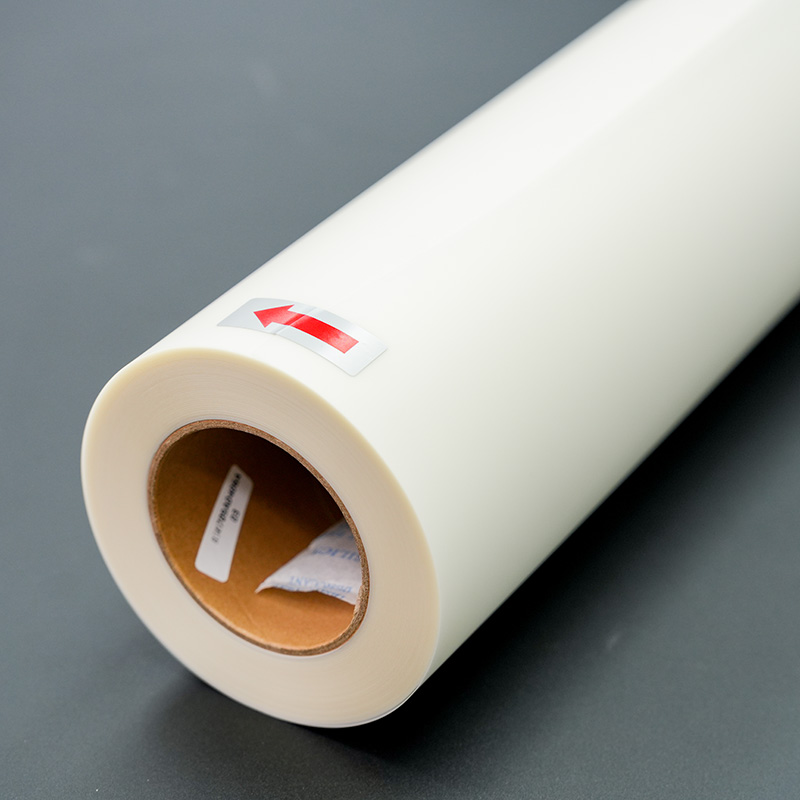
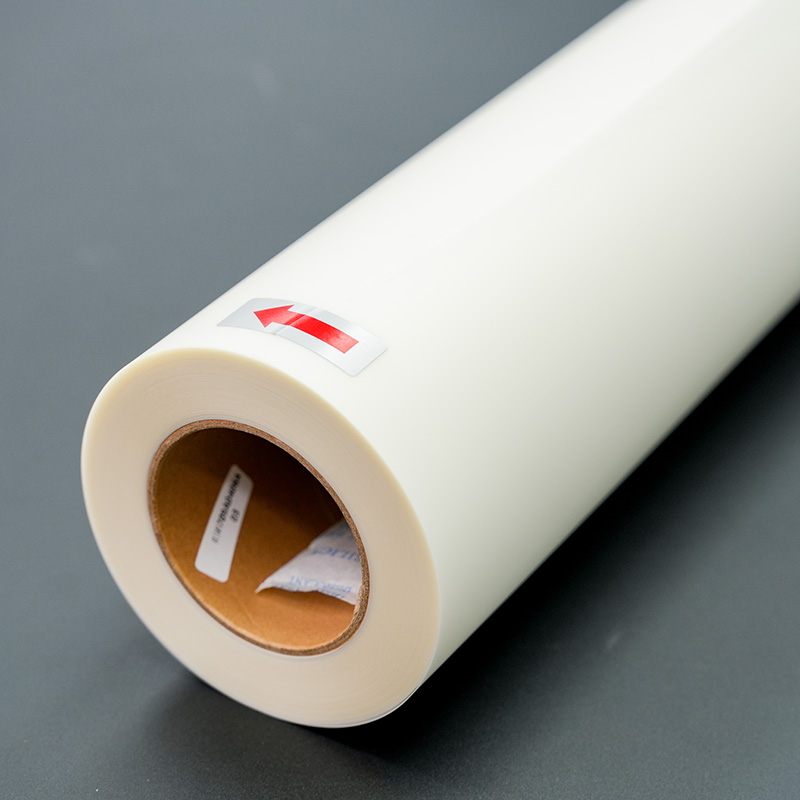
Saillage DTF: How to Boost Profit with Wholesale T-Shirt Printing in 2026
For small print shops and creators, 2026 is shapin...
More
The DTF printing market is expanding rapidly, with projections reaching USD 14.81 billion by 2032. However, common errors with a dtf heat transfer often cause poor results and project delays.
Note: Professionals can achieve vibrant, durable outcomes by correcting simple mistakes, which significantly improves project quality and efficiency.
Always use high-quality artwork with clear backgrounds and the right colors for the best print.
Match your transfer to the fabric and use the correct heat press settings for a strong, lasting design.
Prepare your garment, follow supplier rules, and test your transfers to avoid mistakes and save money.
The quality of the final print begins with the quality of the source file. Submitting poorly prepared artwork is a primary cause of unsatisfactory results, but creators can easily avoid this error. Excellent artwork is the foundation for a professional product.
Designers must submit artwork with a resolution of at least 300 Dots Per Inch (DPI). Files with a lower resolution, such as 72 DPI images saved from the web, lack the necessary data for a crisp print. Using low-resolution images leads to several undesirable outcomes:
Muddy or inaccurate colors
Loss of detail in complex designs
A high-resolution file ensures every detail is sharp and clear.
DTF printers print all the data in a file, including solid backgrounds. If a design is on a white background and intended for a colored shirt, the printer will produce a white box around the design. Creators should always remove unwanted backgrounds before submission. Saving the final artwork as a PNG file with a transparent background is the best practice to ensure only the intended design is printed.
While DTF printers use CMYK (Cyan, Magenta, Yellow, Black) inks, designers should submit artwork in the RGB (Red, Green, Blue) color mode. RGB offers a wider color gamut, allowing for more vibrant colors. Professional DTF print shops use specialized Raster Image Processor (RIP) software to convert RGB files to the printer's specific CMYK profile. This ensures the final dtf heat transfer is vibrant and accurate.
Note: Direct conversion from RGB to a standard CMYK profile in design software can cause color shifts, leading to dull reds and unnatural tones. Trusting the supplier's RIP software with an RGB file yields superior results.
Not all fabrics are created equal, and a successful dtf heat transfer depends on choosing the right material. Matching the transfer to the garment's fabric composition is essential for ensuring adhesion and long-term durability.
DTF transfers are remarkably versatile. They adhere exceptionally well to a wide range of materials, giving creators immense flexibility. The most reliable options include:
Cotton and Cotton Blends: These are ideal choices, offering excellent adhesion for vibrant, high-quality prints.
Polyester and Poly-Blends: Perfect for sportswear, these fabrics produce bright, durable results.
Denim and Canvas: These sturdy materials are great for custom jackets, jeans, and accessories like tote bags.
Treated Leather and Silk: DTF even works on specialty items, allowing for unique, high-end applications.
Certain fabrics resist adhesion due to their surface properties or chemical treatments. Creators should avoid materials with special coatings, as these create a barrier that prevents the transfer's adhesive from bonding. Incompatible fabrics include:
Flame-retardant materials
Garments with stain-repelling coatings
Additionally, fabrics with highly textured surfaces, like some velvets or corduroys, can prevent the adhesive from making full contact, leading to poor transfer quality.
Polyester fabrics present a unique challenge called dye migration, where the fabric's dye bleeds into the transfer, discoloring the design. This is especially common with red, blue, and other dark-colored polyester garments.
Pro Tip: Professionals prevent dye migration by using a lower heat press temperature, typically around 275–280°F. This temperature is high enough to cure the transfer but low enough to keep the polyester dyes from activating. Every DTF transfer also includes a white ink underbase that acts as a physical blocker against migrating dyes.

Dialing in the correct heat press settings is crucial for a successful application. Even with perfect artwork and the right fabric, incorrect settings can ruin the final product. Professionals achieve consistency by mastering the core variables of heat application.
Temperature, time, and pressure form the three pillars of a successful press. Each variable must be precise to ensure the transfer adheres correctly without damaging the garment or the design. Using incorrect settings for your dtf heat transfer leads to predictable failures. Improper pressure, for example, can prevent an even transfer and compromise the print's durability.
| Setting | Incorrect Use | Negative Effect |
|---|---|---|
| Temperature | Too low | Weak adhesion, causing peeling |
| Temperature | Too high | Scorching of the design or fabric |
| Time | Too short | Incomplete transfer and poor adhesion |
| Time | Too long | Over-curing, leading to cracks or fading |
| Pressure | Too little | Uneven adhesion with peeling edges |
| Pressure | Too much | A flattened print with a ruined texture |
Supplier recommendations provide an excellent starting point, but they are not universal laws. Environmental factors and machine calibration require operators to make adjustments.
Note: High humidity can introduce moisture that interferes with adhesion, while cooler ambient temperatures may require a slightly higher heat setting to compensate.
Professionals verify their equipment regularly. They use an infrared thermometer to check for hot spots on the platen and perform pressure tests to ensure evenness. Always press a test piece before starting a production run.
DTF transfers come in two main types: hot peel and cold peel. Following the correct peeling method is non-negotiable for a clean result.
Hot Peel transfers require the user to peel the film away immediately after pressing.
Cold Peel transfers must cool completely to room temperature before the film is removed.
Peeling a cold peel transfer while it is still warm will result in an incomplete transfer and a ruined garment. Each type offers distinct advantages depending on the project's needs.
| Consideration | Cold Peel Transfers | Hot Peel Transfers |
|---|---|---|
| Peeling Process | Requires complete cooling | Requires immediate peeling |
| Application Speed | Slower due to cooling time | Faster for high-volume work |
| Print Quality | Often produces sharper prints | Demands precise, quick execution |
| Ease of Use | More forgiving for beginners | Requires more skill and timing |
A pristine garment surface is non-negotiable for a flawless transfer. Many creators skip garment preparation to save time, but this mistake often leads to failed applications and wasted materials. Proper preparation ensures the transfer has a clean, dry, and smooth surface for optimal adhesion. Professionals understand that these simple steps are essential for achieving a high-quality, durable print and minimizing errors.
Every garment holds a surprising amount of invisible moisture from the air. Applying heat to a damp shirt creates steam, which prevents the transfer's adhesive from bonding correctly to the fabric fibers. Pre-pressing the garment is a critical step that eliminates both moisture and wrinkles. A wrinkled surface prevents even pressure, leading to poor adhesion and an unprofessional finish.
Pro Tip: Professionals pre-press every garment for 2–5 seconds at the application temperature. This quick step removes hidden moisture and creates a perfectly flat surface, guaranteeing a stronger bond and a more durable design.
Even a brand-new garment straight from the box is not truly clean. The surface is often covered with microscopic debris that can ruin a transfer. These particles create a barrier between the adhesive and the fabric, compromising the integrity of the print. Running a lint roller over the application area is a quick and effective way to remove these contaminants.
Dust and dirt
Stray fabric fibers
Pet hair or other environmental debris
Failing to clean the surface can result in tiny bumps under the design or weak spots where the transfer peels away after washing.
Every DTF supplier provides specific instructions for their products. Ignoring these guidelines is a frequent and costly error. Professionals know that these instructions are not mere suggestions; they are precise parameters developed for a specific product. Following them is essential for achieving optimal results and protecting the investment in materials and garments.
Suppliers include instructions with their transfers for a reason. These guidelines cover critical details like temperature, time, pressure, and peeling method. Disregarding them often leads to predictable failures and subpar outcomes. Creators who skip this step risk encountering several problems:
Suboptimal print quality with poor color or detail
Reduced durability, causing the design to crack or fade prematurely
Poor adhesion that results in peeling edges
Issues arising from incorrect heat press settings
Difficulties caused by using incompatible fabrics
Taking a moment to find and read the supplier's instructions is a simple action that prevents wasted time and materials.
Specifications differ between suppliers because their materials are not identical. Key components like the adhesive powder and transfer film have unique properties. For instance, the adhesive powder's particle size—fine, medium, or coarse—affects the transfer's durability and feel. The film's characteristics also play a major role. Film thickness, often around an optimal 0.75mm, influences ink coverage and drying time. Different film types, such as hot peel or cold peel, require distinct application processes. These variations in chemical composition and physical properties mean that the settings for one brand will not work for another.
Jumping directly into a full production run without testing is a gamble that rarely pays off. This oversight is a leading cause of wasted inventory and project delays. Professionals understand that a few minutes spent on testing saves hours of rework and significant expense. A preliminary test is a fundamental quality control measure that ensures every subsequent press is successful.
Operators should always press a single transfer before starting a large batch. This initial test provides a complete preview of the final result. It allows creators to check alignment, confirm the peel process, and evaluate the finished look and feel on the specific fabric. Using a scrap piece of the same material or a less-visible area of a test garment is an effective, low-risk strategy.
Note: A single successful test builds confidence in the setup. It validates that the equipment, materials, and operator technique are all working together correctly before committing valuable resources.
A test press is the ultimate confirmation of the entire setup. It verifies that the heat press settings are perfectly dialed in for the specific transfer and garment combination. This simple check prevents catastrophic errors that can ruin an entire order. A successful test confirms several critical variables:
The temperature is correct for proper adhesion without scorching.
The press time is sufficient for a complete transfer.
The pressure is even across the entire design.
The peeling method (hot or cold) works as expected.
This step transforms assumptions into certainties, preventing costly mistakes and guaranteeing a consistent, high-quality outcome for the entire production run.
The usability of a DTF transfer does not end after printing; it extends to how it is stored before application. Many creators overlook storage, leading to wasted inventory when transfers fail to adhere properly. The adhesive powder on a transfer is sensitive to environmental conditions. Proper storage is a simple but critical step that preserves the quality and viability of the transfers, protecting the initial investment.
DTF transfers require a controlled environment to maintain their integrity. The ideal storage location is a cool, dry place away from direct sunlight and extreme temperature fluctuations. Heat can prematurely activate the adhesive, while UV light from the sun can cause the vibrant inks to fade before they ever reach a garment.
Pro Tip: Professionals store their transfers in a climate-controlled room. Maintaining a consistent temperature and low humidity ensures every dtf heat transfer remains in perfect condition, ready for application at any time.
Humidity is the primary enemy of stored DTF transfers. Moisture in the air can degrade the adhesive powder, causing it to clump and lose its bonding capability. This results in poor adhesion and peeling after pressing. Dust and debris are also problematic, as they can settle on the adhesive and create imperfections in the final print.
Store transfers flat in resealable poly bags or airtight plastic containers.
Add silica gel packets to storage containers to absorb excess moisture.
Avoid stacking heavy objects on top of the transfers to prevent damage.
These simple precautions keep transfers clean, dry, and ready for a flawless application, ensuring they perform as expected when needed.
Professionals achieve superior results by avoiding seven preventable mistakes. Correct artwork, proper fabric matching, and precise heat press settings guarantee quality. Following supplier guidelines, testing first, and correctly storing each dtf heat transfer protects the investment. Creators can apply these tips now for flawless outcomes on future projects.
DTF excels with intricate, full-color designs on diverse fabrics without setup fees. Screen printing is cost-effective for large runs of simple graphics. DTF provides superior versatility for smaller orders.
Professionals avoid home irons. They lack the consistent temperature and even pressure needed for durable adhesion. A heat press guarantees a high-quality, long-lasting bond for every dtf heat transfer.
Users should wash garments inside out with cold water and a mild detergent. They must avoid bleach. Tumble drying on low or hang drying preserves the print's quality and longevity.



Select the most popular foreign trade service products to meet your diverse needs
Select the most popular foreign trade service products to meet your diverse needs

Tel: +86 17706217416
Add: Building L2A, No. 520, Lane 1588, Zhuguang Road, Hongqiao World Center, Qingpu District, Shanghai, China






User Comments
Service Experience Sharing from Real Customers
Michael Chen
Production ManagerThe DTF heat transfer film from this supplier is exceptional. The color vibrancy and detail retention after washing are far superior to others we've tried. It has significantly reduced our waste rate.
Sarah Johnson
Graphic DesignerAs a designer, I need transfers that accurately reproduce my artwork. This DTF film delivers excellent color gamut and fine line resolution. The heat transfer process is consistent and reliable for our small boutique orders.
David Rodriguez
Print Shop OwnerThese DTF transfers are a game-changer for our business. The adhesion to various fabrics, including cotton and polyester blends, is outstanding. Customer feedback on the soft hand feel has been incredibly positive. Highly recommended.
Jessica Williams
Merchandise CoordinatorWe use these DTF heat transfers for our team sports uniforms. They withstand repeated washing and intense physical activity without cracking or fading. The turnaround time and consistency have made our inventory management much easier.