
 English EN
 中国 CN
中国 CN
 French FR
 German DE
 Portuguese PT
 Spanish ES
 Russian RU
 Japanese JA
 Korean KO
 Arabic AR
 Greek EL
 Turkish TR
 Italian IT
 Polish PL
 Hindi HI
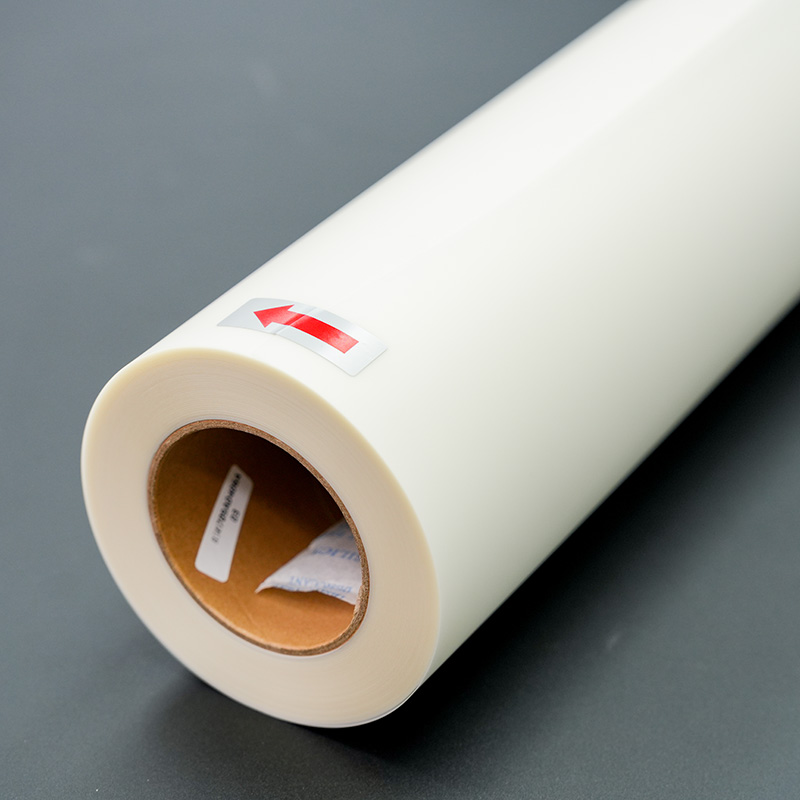
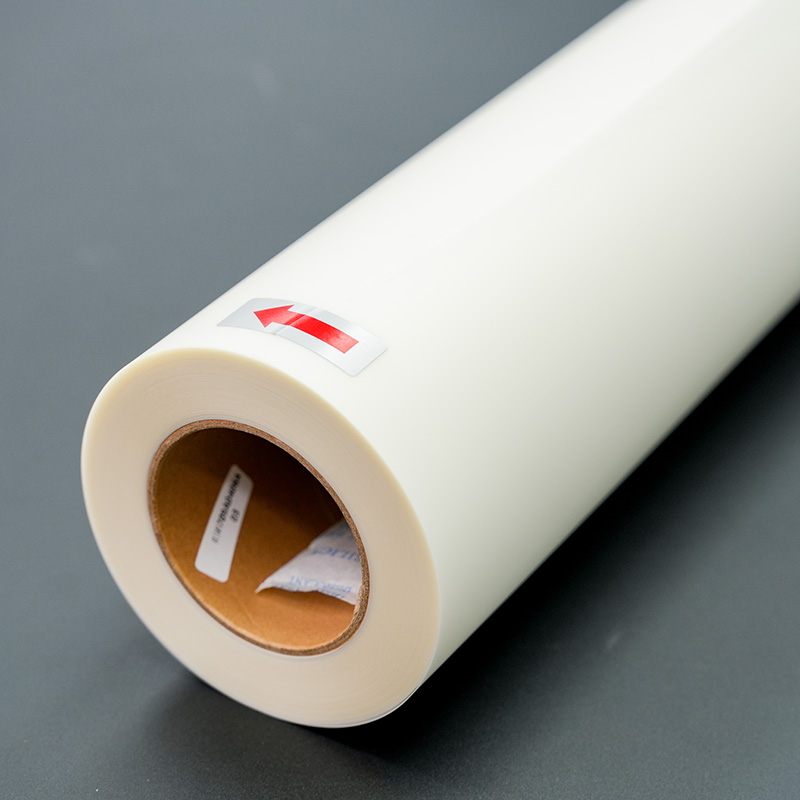
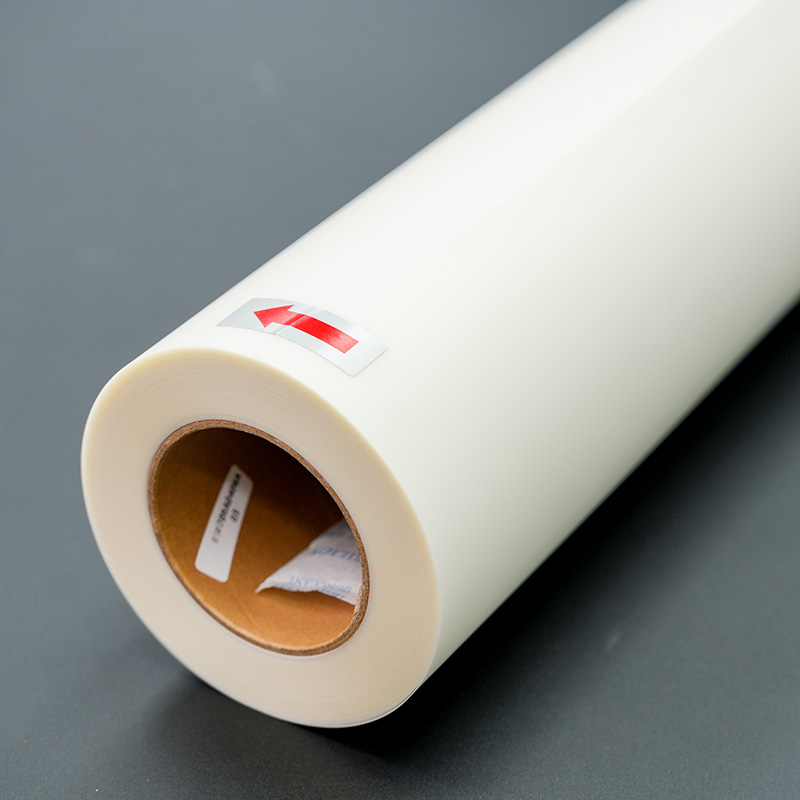
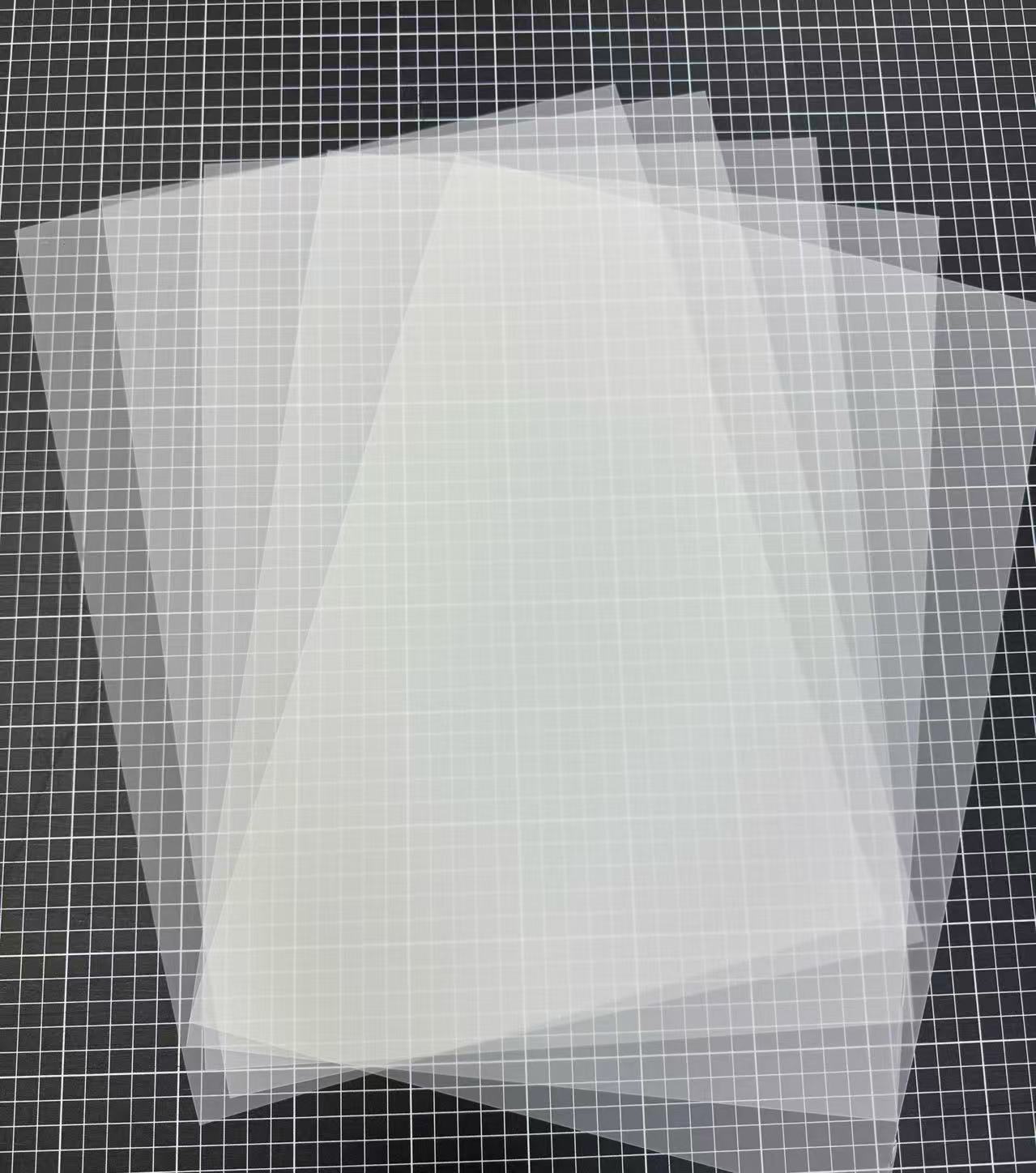
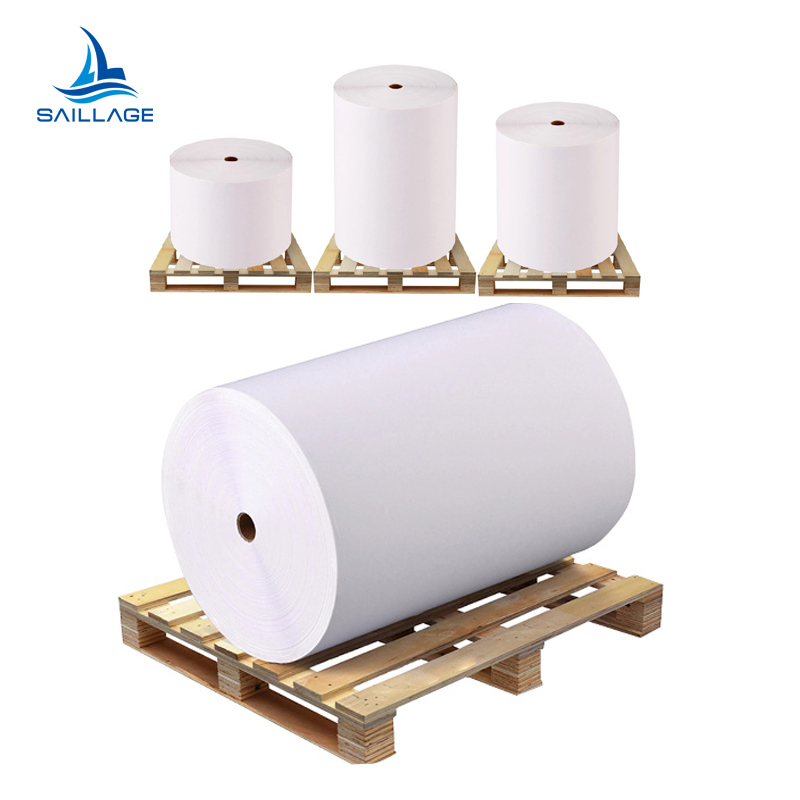
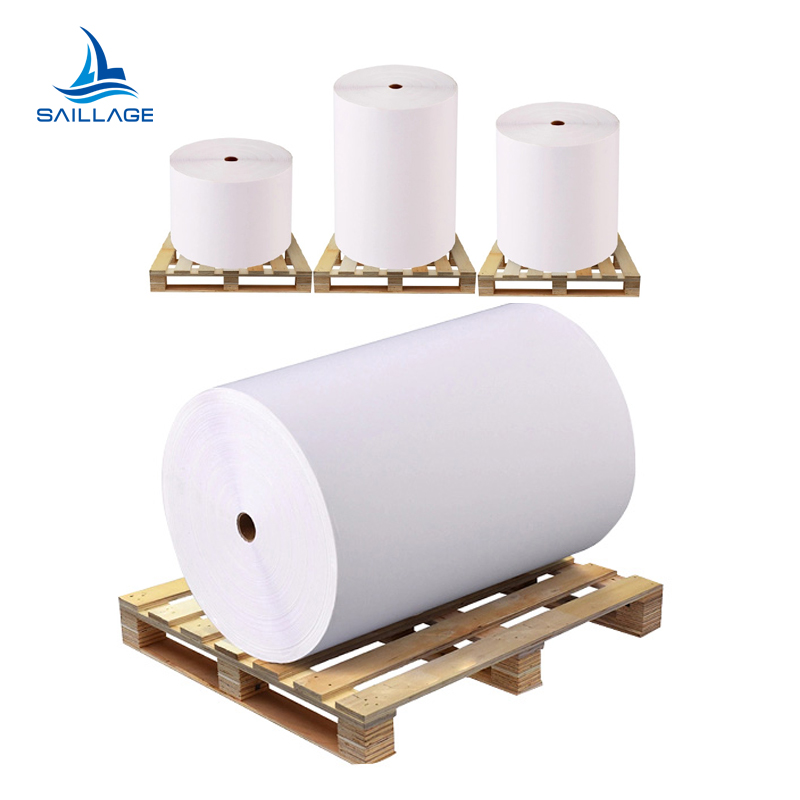
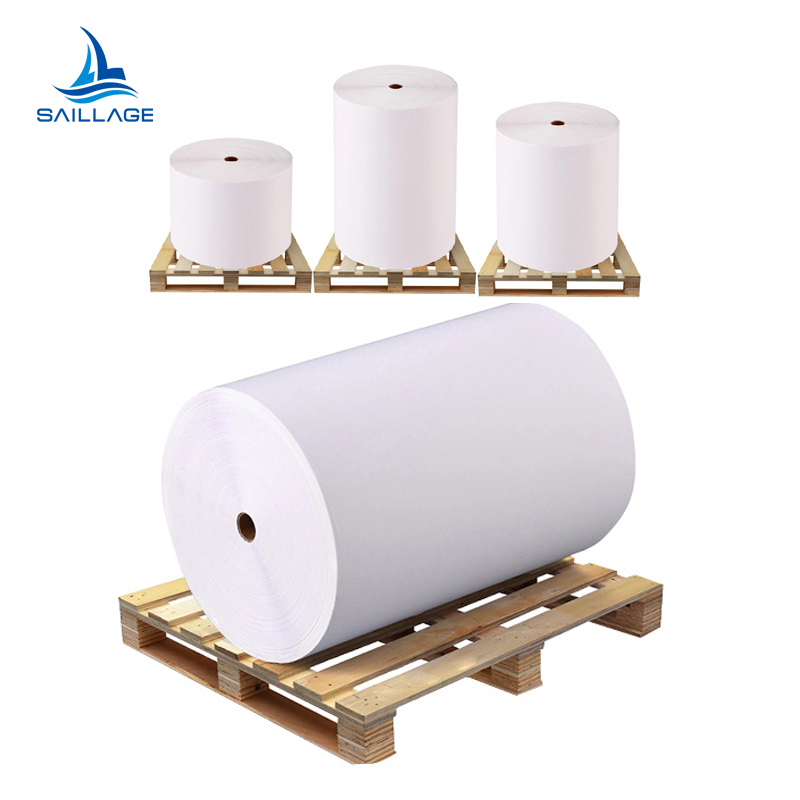
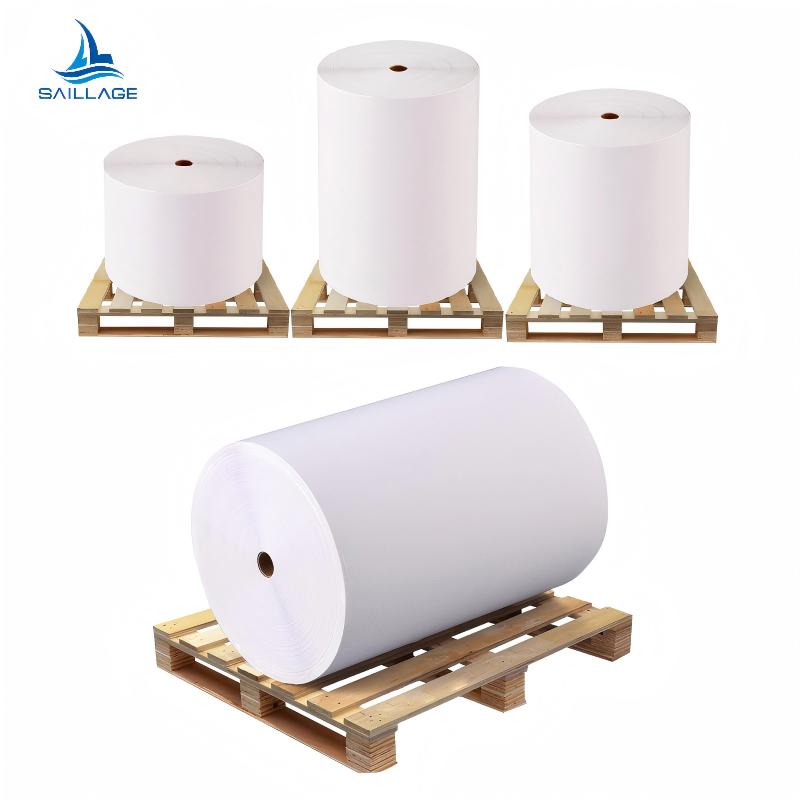
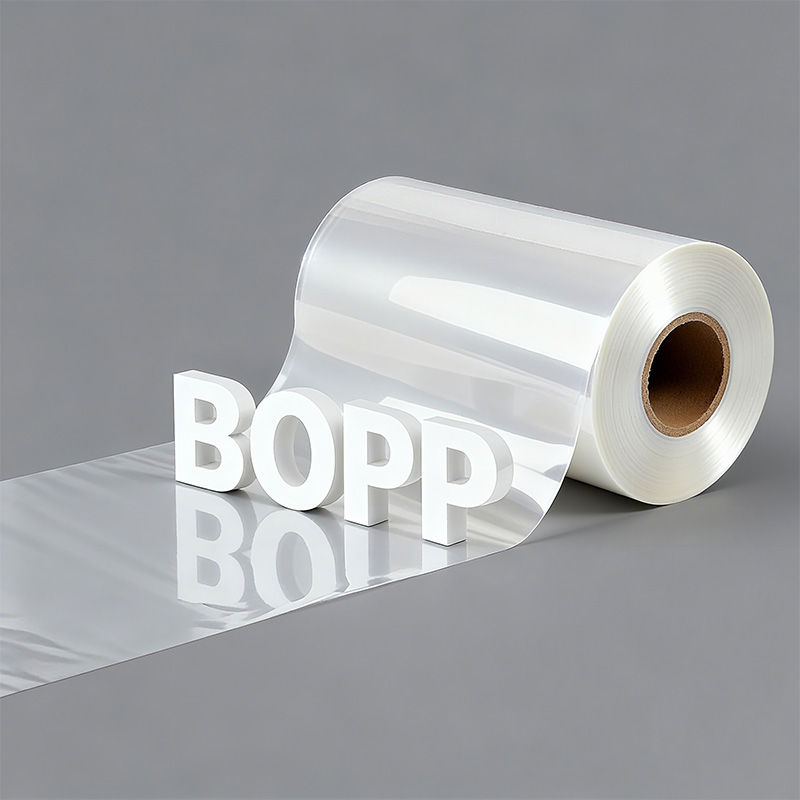
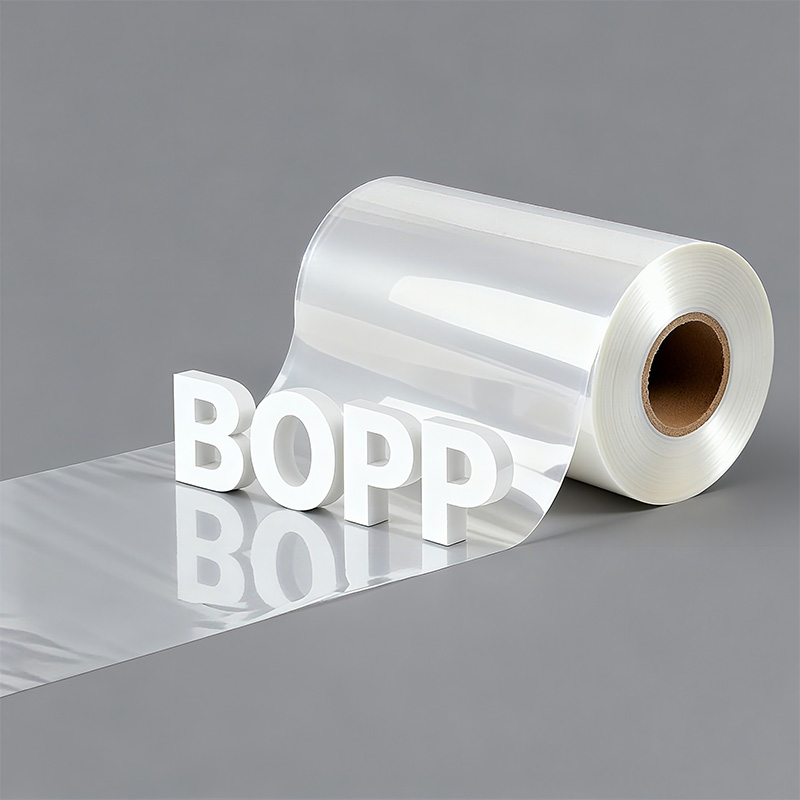
What are the advantages of BOPP film
Third, BOPP film offers great versatility and safe...
MoreAchieving professional results with dtf transfer film a4 demands precision. Creators often encounter preventable issues that compromise transfer quality and durability. Common errors include incorrect heat press settings, improper material handling, and skipping critical steps. These oversights lead to poor outcomes and wasted materials, undermining an otherwise effective process.
Incorrect heat press settings are a primary source of transfer failure. The combination of temperature, pressure, and time creates the perfect environment for a durable bond. A misstep in any one of these three areas can ruin an otherwise perfect print. Achieving professional results requires dialing in each setting with precision.
Temperature is the most critical factor for melting the DTF adhesive powder. An incorrect temperature prevents the adhesive from properly bonding to the garment's fibers. Temperatures that are too low result in transfers that peel off after washing. Excessively high heat can scorch the fabric or cause dye migration, where fabric color bleeds into the design.
💡 Pro Tip: Always start with the film manufacturer's recommended settings. Use an infrared temperature gun to verify your heat press platen is heating evenly and accurately.
| Fabric Type | Recommended Temperature Range |
|---|---|
| 100% Cotton | 300-320°F (150-160°C) |
| Polyester Blends | 285-300°F (140-150°C) |
| 100% Polyester | 265-285°F (130-140°C) |
Proper pressure ensures the melted adhesive makes complete contact with the fabric. Most A4 DTF transfers require medium to firm pressure. Insufficient pressure creates a weak bond, leading to cracking or peeling. Too much pressure can push the ink deep into the fabric, thinning the design and causing a "pizza wheel" effect around the edges. Users should adjust their press to feel firm when locked down, without requiring excessive force to close.
Dwell time is the duration the transfer is exposed to heat and pressure. This setting works directly with temperature to finalize the bond. A press time that is too short will not give the adhesive enough time to cure, resulting in a failed transfer. A press that is too long can damage sensitive fabrics or cause the transfer to feel overly thick and stiff. Most A4 DTF films require a press time between 10 to 15 seconds for the initial press.
Many creators overlook the simple yet vital step of pre-pressing their garments. This quick action takes only a few seconds but is fundamental to preventing transfer failures. Skipping it allows two major culprits—moisture and wrinkles—to ruin an otherwise perfect application. A pre-press ensures the fabric is in optimal condition to receive the DTF transfer.
All fabrics naturally absorb and hold moisture from the surrounding air. When a heat press applies intense heat, this trapped moisture instantly turns into steam. The steam creates an invisible barrier, preventing the DTF adhesive from making a direct, strong bond with the fabric fibers. This interference often results in transfers that bubble, lift at the edges, or peel off entirely after the first wash.
A quick pre-press of just 5 seconds effectively removes this hidden moisture. This step is especially crucial in humid environments where garments hold more water. Eliminating moisture beforehand clears the way for the adhesive to melt and cure directly onto the fabric.
💡 Did You Know? Even a garment that feels completely dry to the touch can hold enough residual moisture to compromise a DTF transfer. The pre-press is non-negotiable for a durable finish.
Beyond removing moisture, pre-pressing also irons out any wrinkles, folds, or creases in the garment. Applying a transfer over an uneven surface is a recipe for disaster. Wrinkles prevent the film from lying flat, creating gaps where the heat and pressure cannot reach the adhesive. This results in an incomplete transfer with visible flaws and weak points.
The pre-press flattens the fabric, creating a perfectly smooth canvas. This ensures the entire design receives uniform heat and pressure, leading to a flawless and secure bond. Taking a moment to pre-press guarantees:
A moisture-free surface for optimal adhesion.
A wrinkle-free area for complete contact.
A professional, long-lasting final product.
The final step of peeling the film away from the garment is deceptively simple. However, using the wrong technique can instantly ruin a transfer, undoing all previous work. The type of film dictates the peeling method. A failure to follow the correct procedure often results in parts of the design lifting off the fabric or leaving behind a sticky residue.
DTF transfer films are categorized as either hot peel or cold peel. Each type requires a specific peeling temperature for the adhesive to release correctly.
Hot Peel: Creators peel this film immediately after the heat press opens, while the transfer is still extremely hot. The adhesive is formulated to release from the film at high temperatures.
Cold Peel: This film requires the garment and transfer to cool down completely to room temperature before peeling. The adhesive bonds to the fabric as it cools, and a premature peel will pull the design off.
Attempting to cold peel a hot peel film can cause the design to stick to the film. Trying to hot peel a cold peel film will almost certainly result in a failed transfer, as the adhesive has not yet set.
⚠️ Important: Always check the manufacturer's specifications for your A4 DTF film. The product description will explicitly state whether it is a hot peel, cold peel, or sometimes a warm peel film.
The physical motion of peeling is just as important as the timing. A successful peel requires a steady and controlled technique. Creators should not rip the film off quickly like a bandage. Instead, they should find a corner of the film and begin peeling it back slowly. The best method is to keep the film low and roll it back over itself at a sharp angle. This motion helps the design release cleanly from the carrier sheet without stretching or distorting the ink. A smooth, consistent pull ensures the entire design remains perfectly intact on the garment.
The quality of a DTF transfer is only as good as the source file. Even with a perfect press, a poor-quality image will always produce a poor-quality result. Creators often underestimate the importance of artwork resolution, leading to transfers that look unprofessional and blurry. A crisp, high-resolution design is the foundation of a stunning final garment.
Print quality is measured in Dots Per Inch (DPI). For professional digital printing, 300 DPI is the industry standard. This resolution ensures that the human eye perceives the print as sharp and clear, without any visible dots or blurriness. Designing with a lower resolution results in fuzzy images and noticeable pixelation on the final product. Conversely, using a resolution higher than 300 DPI provides no visible benefit. It only increases the file size, making the artwork more difficult to upload and process.
💡 Pro Tip: Always verify your artwork is set to 300 DPI before you start designing. Scaling up a low-resolution image later will not restore lost quality.
Pixelation occurs when a low-resolution image is enlarged, causing its individual pixels to become visible as jagged squares. The DTF printing process faithfully reproduces every detail of the source file—including its flaws. If an image looks blurry or blocky on the screen, it will look even worse when transferred onto fabric.
Pixelation ruins prints in several ways:
Soft, Blurry Edges: Clean lines and sharp text become fuzzy.
Loss of Detail: Intricate parts of the design merge together.
Unprofessional Finish: The final garment looks amateurish and cheap.
To avoid this, creators must start with high-quality vector files or raster images built at the correct size and resolution. This simple check guarantees the design's integrity from screen to shirt.
Proper storage is a simple but frequently neglected aspect of the DTF process. Both the film and the adhesive powder are highly sensitive to their environment. Incorrect storage exposes these materials to humidity and temperature fluctuations, which can degrade their quality and lead to failed prints. Protecting your investment in dtf transfer film a4 starts with how you store it.
The printable coating on dtf transfer film a4 is hygroscopic, meaning it readily absorbs moisture from the air. When the film becomes saturated with humidity, it can cause the ink to bleed or mottle during printing. This results in fuzzy edges and a loss of sharp detail in the final design. High humidity can also make the film curl, leading to printer head strikes and feeding issues. Proper care ensures the film remains flat and ready for a flawless print.
💡 Storage Tip: Always keep your dtf transfer film a4 in its original resealable packaging. For extra protection in humid climates, add a silica gel desiccant packet to the bag to absorb any excess moisture.
DTF adhesive powder is just as vulnerable to moisture as the film. When exposed to humid air, the fine powder granules absorb water and stick together, forming hard clumps. Clumped powder cannot be applied evenly, creating voids in the adhesive layer. This results in parts of the transfer failing to adhere to the garment. The primary causes of powder clumping are preventable.
Improper Humidity Control: Storing the powder in a high-humidity environment is the main reason it clumps.
Failure to Use Airtight Containers: Leaving containers unsealed exposes the powder directly to ambient air and moisture.
Lack of Cool and Dry Storage: Heat can also degrade the powder, so keeping it away from sunlight and heat sources is essential.
A consistent storage routine for your dtf transfer film a4 and powder prevents waste and ensures reliable results.
One of the greatest strengths of DTF technology is its versatility across various textiles. However, creators sometimes assume it works on everything, leading to failed applications. The chemical makeup and surface texture of a fabric directly impact how well the DTF adhesive can bond. Choosing an incompatible material results in poor adhesion, a distorted appearance, and a transfer that will not survive its first wash.
DTF transfers perform exceptionally well on a wide range of materials. Polyester is often preferred for its smooth surface, which yields vivid and sharp prints. Cotton is another popular choice, valued for its excellent adhesion and breathability. The optimal choice depends on the desired aesthetic and final use of the garment. For best results, creators should select from proven fabrics.
Cotton: Produces vibrant prints with strong adhesion.
Polyester: Delivers exceptionally sharp and vivid results.
Cotton-Polyester Blends: Combine the benefits of both fabrics.
Denim: A sturdy and reliable option for DTF.
Silk: Suitable for delicate, high-end applications.
Treated Leather: Allows for unique, customized leather goods.
Nylon: Works well but may require adjusted heat settings.
Certain materials are simply not suited for DTF transfers. Fabrics with waterproof coatings or repellent finishes prevent the adhesive from bonding. The chemical barrier blocks the adhesive from reaching the fibers. Heavily textured materials, like wide-ribbed knits or coarse canvas, also pose a problem. The uneven surface prevents the uniform contact needed for a successful press.
Not all fabrics respond the same way to DTF printing. Some synthetics or heavily textured fabrics can cause the DTF print not sticking.
To prevent wasted materials and time, creators should avoid applying transfers to fabrics with special coatings or extremely uneven surfaces. This includes waterproof jackets, certain performance wear with moisture-wicking treatments, and any material where the transfer cannot lie completely flat.
Many creators believe their work is done after peeling the film. They skip the final press, a critical error that compromises the transfer's longevity and finish. This quick, final step is not optional. It is essential for embedding the design into the fabric, ensuring it withstands repeated washing and wear. A post-press transforms a good transfer into a great one.
The initial press primarily bonds the adhesive to the garment. The final post-press serves a different purpose. It melts the ink layer slightly, allowing it to fuse with the fabric's fibers. This process significantly enhances the transfer's elasticity and washability. It also removes the glossy, plastic-like sheen, giving the design a softer feel and a professional matte finish.
A proper final press provides several key benefits:
Increases wash resistance and prevents cracking.
Improves the stretchability of the design.
Creates a softer, more integrated feel.
Gives the transfer a high-end, matte appearance.
Executing the final press is simple. After peeling the carrier film, creators should cover the design with a protective sheet. A Teflon sheet, parchment paper, or finishing sheet works perfectly. They then press the garment again using the same temperature as the initial press. The duration is much shorter, typically lasting only 5 to 7 seconds. This brief exposure to heat is all that is needed to lock the design in place.
💡 Pro Tip: Never perform a final press without a protective sheet. Direct contact with the heat platen can melt the ink, smearing the design and leaving a residue on your press.
This final step ensures the dtf transfer film a4 design is not just on the shirt but becomes part of it.
Creators achieve professional results with dtf transfer film a4 by avoiding these seven common mistakes. A consistent process, from artwork preparation to the final press, eliminates errors. Mastering these steps saves time and materials, ensuring the production of durable, high-quality garments that build a strong reputation.
A home iron lacks the consistent temperature and even pressure required for a durable bond. Professionals must use a quality heat press to achieve reliable, long-lasting results with DTF transfers.
Cracking often results from incorrect heat press settings or skipping the final post-press. Both steps are essential for ensuring the transfer's elasticity and long-term durability through many wash cycles.
A properly applied DTF transfer can last for 50 washes or more. Its longevity depends on correct application, including proper heat settings, a final press, and following garment care instructions.



Select the most popular foreign trade service products to meet your diverse needs
Select the most popular foreign trade service products to meet your diverse needs

Tel: +86 17706217416
Add: Building L2A, No. 520, Lane 1588, Zhuguang Road, Hongqiao World Center, Qingpu District, Shanghai, China






User Comments
Service Experience Sharing from Real Customers
Michael Rodriguez
Graphic DesignerThe DTF A4 transfer film is a game-changer for my small custom apparel business. The color vibrancy and detail retention are exceptional, and the A4 size is perfect for my desktop printer and smaller projects. Highly recommended!
Sarah Chen
Art TeacherAs a teacher running craft workshops, these A4 DTF films are incredibly user-friendly and reliable. They allow my students to easily transfer their digital designs onto tote bags and t-shirts with professional-looking results. Great product for education and hobbyists.
David Miller
Print Shop OwnerWe've integrated these A4 DTF transfer films into our service offerings for small-batch orders. The film's consistency, adhesion quality, and ease of weeding have impressed both us and our clients. It's a top-tier consumable that delivers every time.
Jessica Williams
E-commerce EntrepreneurRunning an online store for personalized gifts, the print quality and durability of transfers made with this film have significantly reduced my return rates. The A4 sheets are cost-effective for my order volume and the results are always vibrant and long-lasting. Excellent product.