
 English EN
 中国 CN
中国 CN
 French FR
 German DE
 Portuguese PT
 Spanish ES
 Russian RU
 Japanese JA
 Korean KO
 Arabic AR
 Greek EL
 Turkish TR
 Italian IT
 Polish PL
 Hindi HI
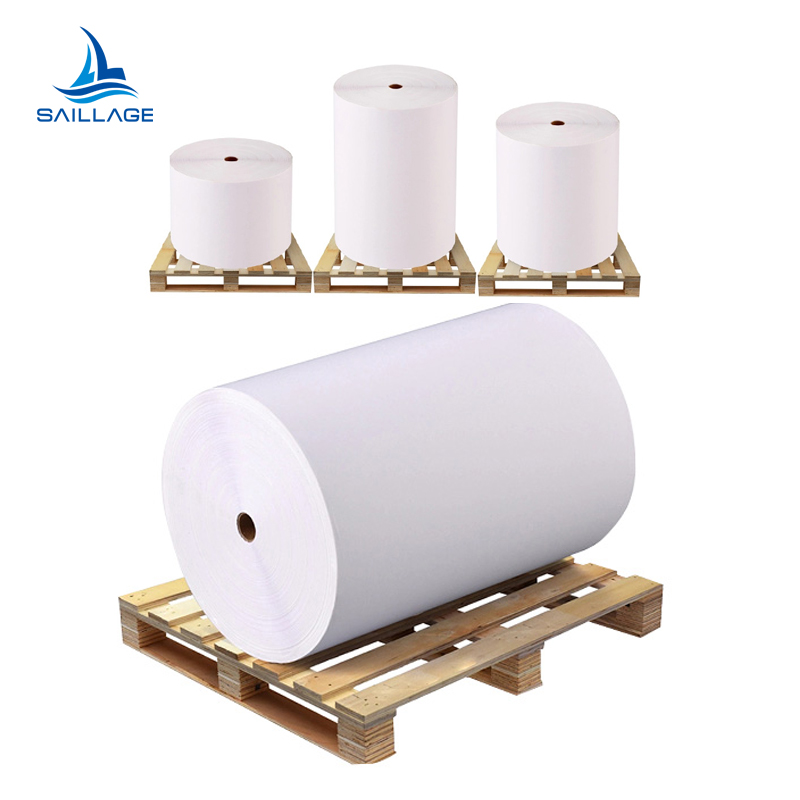
Mastering DTF Transfer Success: Perfecting Heat and Press Duration
Why Heat and Press Time Are Inseparable for DTF Transfers
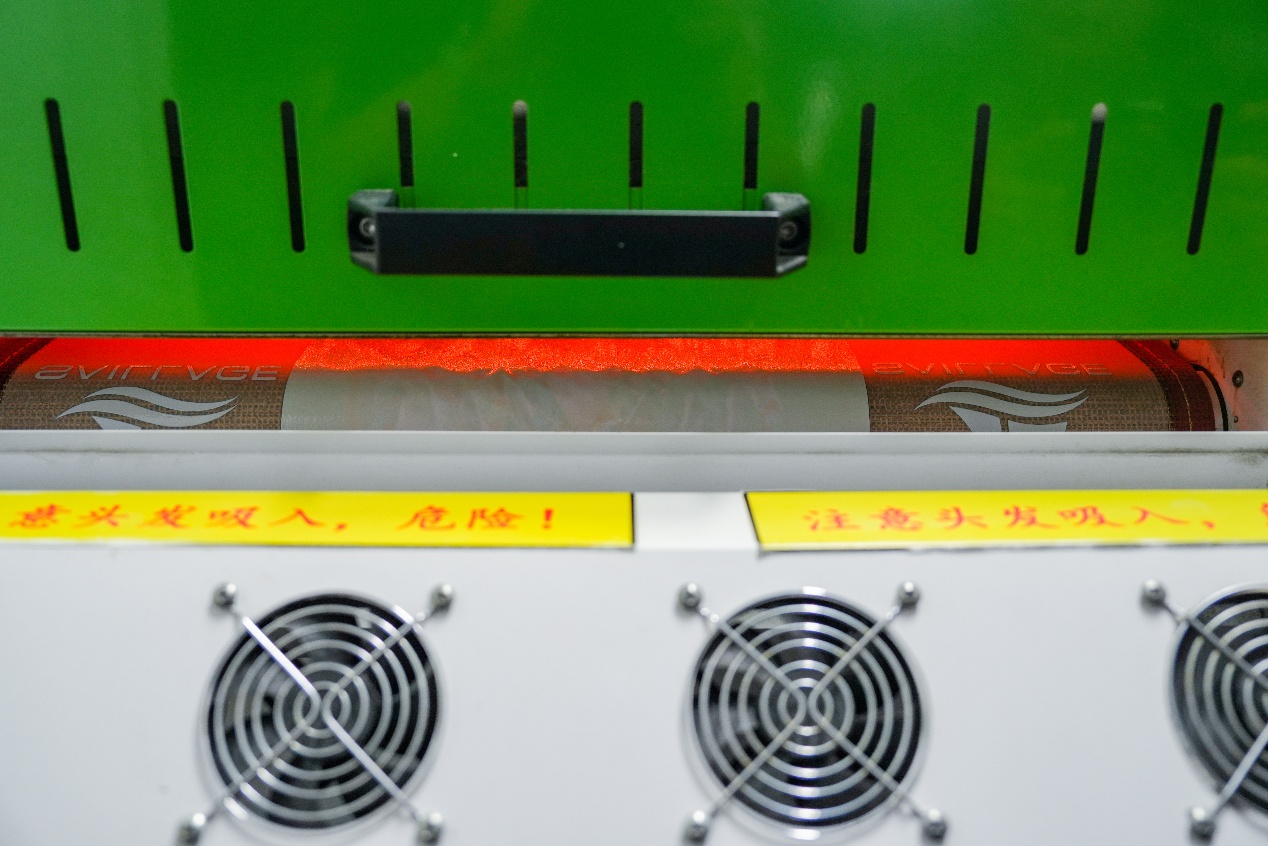
Heat and press duration are two core factors that work in tandem for DTF (Direct to Film) transfers—tweaking one will always change the effect of the other. Heat triggers the adhesive on the transfer film, while the length of time you press controls how deeply and uniformly the adhesive attaches to the fabric fibers. Getting either factor wrong—whether too high, too low, too long, or too short—will hurt the transfer's stickiness and how well it holds up over time.
Insufficient heat or press time results in weak adhesion that won't last. On the flip side, too much heat or prolonged pressing can overwork the adhesive, damage the film layer, or lead to future cracking. This balance is even more vital for fragile or specialty fabrics, which is why guides for DTF application on organic materials prioritize controlled pressing over cranking up the heat to maximum levels.
What Goes Wrong When DTF Heat Is Too Low?
Low heat fails to fully activate the adhesive on the transfer film. While the design might look intact right after pressing, its edges will start to lift, peel off during wear, or come apart entirely after the first wash.
How Does Over-Pressing Harm DTF Transfers?
Pressing for longer than needed can over-cure both the adhesive and ink layers. This often makes the printed design stiff, raises the chance of cracking, or warps the film when you peel it away from the fabric.
How DTF Press Settings Impact Adhesion Quality
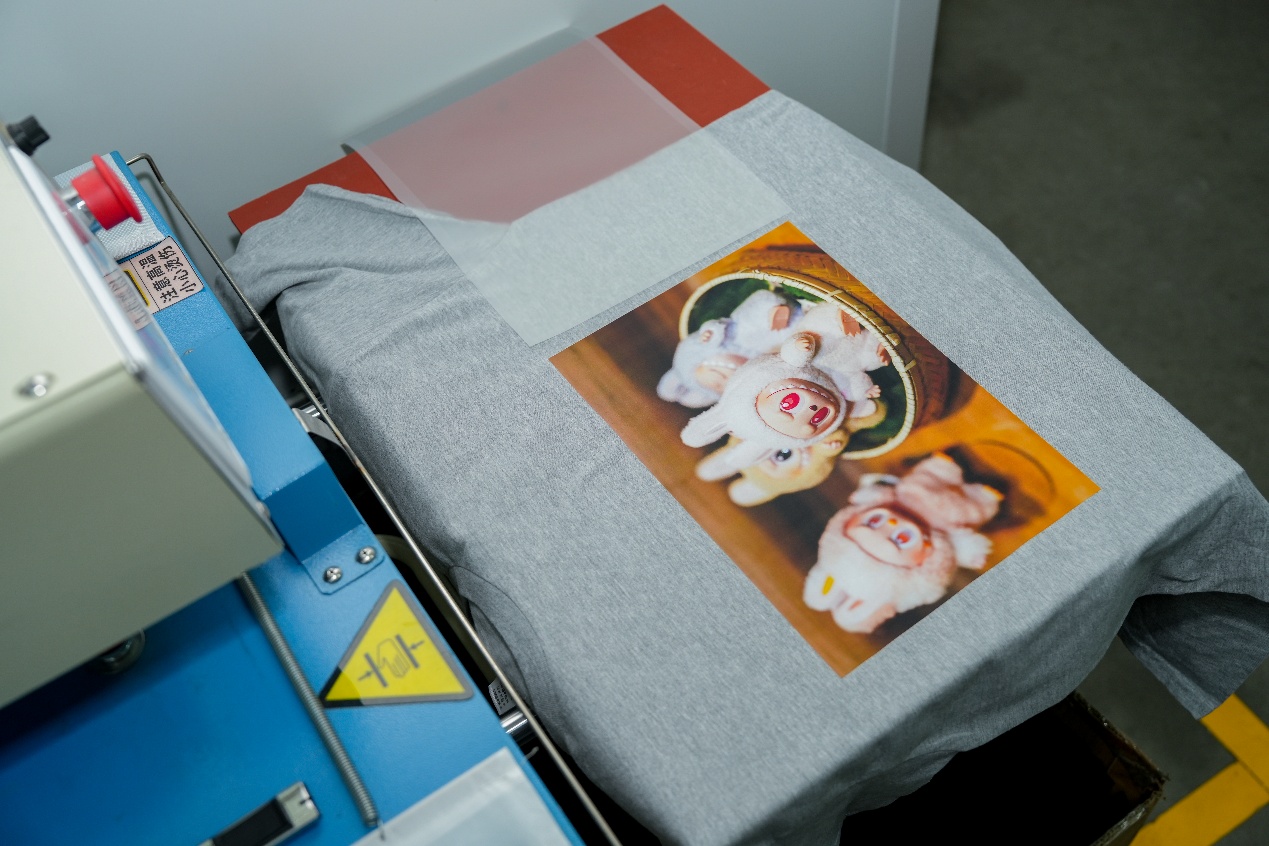
Optimal DTF press settings create a strong, seamless bond between the adhesive and fabric fibers. When heat and time are balanced, the transfer's edges lie flat, the design stretches naturally with the garment, and the finished print maintains a smooth texture.
Poorly adjusted settings lead to partial bonding, which causes peeling, bubbling, or an uneven surface. Familiarizing yourself with how different transfer styles perform helps avoid these issues—especially when following a guide to Jiffy transfer variants.
Why Do Wrong DTF Settings Cause Peeling?
Peeling occurs when the adhesive doesn't form a complete bond with the fabric. This is most often due to inadequate heat, too little press time, uneven pressure, or peeling the film off before the adhesive has had time to set properly.
The Role of Pressure in Strong DTF Adhesion
Pressure ensures the transfer film makes full contact with the fabric surface. Even if heat and time are set correctly, uneven or insufficient pressure will leave gaps where the adhesive can't attach, ruining the transfer.
Adjusting DTF Heat for Different Fabric Types
Fabric type dictates how heat interacts with the material during pressing. Cotton is durable and forgiving, polyester is heat-sensitive, and blends or performance fabrics fall somewhere in between—all requiring test runs before full-scale production.
Cotton can easily handle standard DTF heat and time settings. Polyester needs lower heat to prevent scorching and dye bleeding. Performance fabrics often have special coatings that limit how much heat can be applied without damage.
Heavier materials like denim have unique properties too, so referencing guides for DTF application on denim and other heavy fabrics is key when adjusting heat and press duration.
Why Does Polyester React Differently to DTF Heat?
Polyester fibers soften rapidly when exposed to heat. Excess temperature can cause the fabric to shine, shrink, or release dye (dye migration)—all of which interfere with the adhesive's ability to bond.
How Fabric Blends Alter DTF Heat and Time Needs
Blended fabrics combine traits from multiple fibers. Even a small percentage of polyester in a blend can lower the safe heat range, making precise temperature control more important than extending press time.
How Heat and Time Affect DTF Print Longevity
A transfer's durability starts with proper pressing. The right heat and time allow the adhesive to bond evenly, boosting wash resistance, flexibility, and overall wearability. An unbalanced heat-time ratio often leads to cracking, peeling, or lifting after repeated washes.
Can Bad Heat-Time Settings Shorten Wash Life?
Absolutely. Weak initial bonding will almost always manifest as peeling or cracking after the garment is washed.
Why Do Some DTF Prints Crack After Washing?
Cracking typically stems from over-curing or uneven adhesive bonding, which makes the print too rigid to stretch with the garment during wear and washing.
Balancing DTF Settings Without Overheating
Overheating is one of the quickest ways to ruin a DTF transfer. High temperatures increase the risk of fabric scorching, dye migration, and damage to the carrier film or adhesive layer.
Balancing heat and time means resisting the temptation to just turn up the heat. More heat does not equal better adhesion—it often has the opposite effect.
Signs of Overheating During DTF Pressing
Common red flags include stiff or rubbery prints, warped film, bubbling, visible burn marks, or color bleeding from the garment onto the transfer.
How Excess Heat Weakens Adhesive Layers
Too much heat overactivates the adhesive, causing it to become brittle once cooled. This reduces flexibility and makes the print more prone to cracking over time.
Peel Methods and Cooling Time: Their Link to DTF Heat
Peel type (hot or cold) and cooling time are directly tied to heat and press duration. Hot peeling requires precise timing and balanced heat, while cold peeling relies on the adhesive stabilizing as it cools before the film is removed.
If heat or time is off, peeling results will suffer. Too much heat paired with early peeling often causes lifting, while too little heat and delayed peeling can leave the adhesive uneven.
Why Early Peeling Hurts DTF Results
Peeling the film too soon interrupts the adhesive bonding process before it stabilizes, leading to lifted edges or incomplete transfers.
How Cooling Time Improves Clean Peels
Cooling allows the adhesive to harden and lock into the fabric fibers, resulting in cleaner, sharper edges and a stronger, longer-lasting bond.
Testing DTF Heat and Time Before Production
Testing is critical to avoid wasting blank garments and redoing work. A test press reveals whether heat, time, and pressure are working together effectively before starting a full production run.
Instead of guessing, evaluate the transfer's appearance, texture, and flexibility once it has fully cooled.
What to Check After a DTF Test Press
Inspect edge adhesion (do edges stay down?), surface smoothness, flexibility when gently stretched, and overall appearance after cooling.
How to Know When DTF Settings Are Balanced
Settings are balanced when the transfer bonds completely, edges lie flat, the print stretches naturally with the fabric, and no peeling or cracking occurs after cooling.
How Proper DTF Settings Improve Garment Care
Correct pressing makes caring for the garment easier and more consistent. Well-bonded transfers hold up better to washing and wear, maintaining their appearance for longer.
Poor press settings often require stricter care instructions (like cold washes or gentle cycles) because the adhesive bond is already weak.
Do Bad DTF Settings Impact Care Instructions?
Yes. Weak adhesion may require gentler washing methods and can shorten the garment's overall lifespan.
Why Do Some DTF Garments Fail After Washing?
Most post-wash failures trace back to improper heat, time, or pressure during pressing—not the washing process itself.
FAQ
1. What's the ideal heat and press time for DTF transfers?
It varies by transfer type and fabric, but balanced heat and controlled press duration are more important than maximum settings.
2. How do DTF press settings affect durability?
Proper settings enhance adhesion, flexibility, and resistance to washing.
3. Why is my DTF transfer peeling right after pressing?
Peeling usually comes from insufficient heat, too little press time, uneven pressure, or peeling too early.
4. Can wrong heat or time cause DTF prints to crack?
Yes. Over-curing makes prints stiff, increasing the likelihood of cracking after washing.
5. How to balance heat for DTF transfers on polyester?
Use lower, controlled heat and focus on proper press time instead of raising the temperature.
6. Do cotton shirts need different DTF settings?
Yes. Cotton is more heat-resistant and easier to work with than polyester.
7. How to test DTF settings before full production?
Run a test press, then check edge adhesion, flexibility, and appearance once cooled.



News & Events
learn more-
 Blog
Press Release Jan-20-2026
Blog
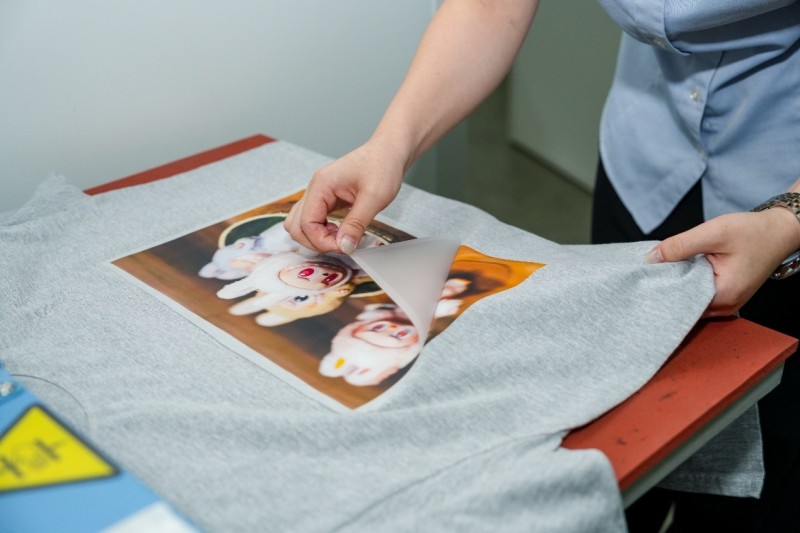
Press Release Jan-20-20265 Tips For Wholesale T-Shirt Printing Business in 2026 (Focus on DTF Film)
Faster trend cycles, tighter margins, and higher customer expectations mean small businesses need to streamline operations around high-performance solutions rather than spreading resources thin. These five tips center on actionable strategies that integrate Saillage DTF Film to drive consistency, repeat orders, and sustainable growth. -
 Blog
Press Release Jan-20-2026
Blog
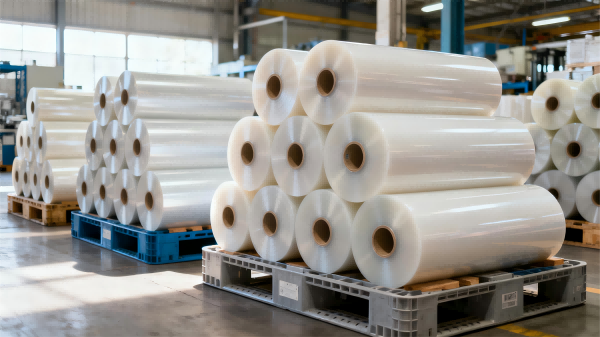
Press Release Jan-20-2026How to Choose Good Quality Plain BOPP Film for Outdoor Graphic Art Application
Among available options, Coex BOPP films are often recommended for their balanced structure and reliability. -
 Blog
Press Release Jan-20-2026
Blog
Press Release Jan-20-2026Join Saillage at Impressions Expo Long Beach 2026 – Visit Us at Booth 681!
We are thrilled to announce that Saillage will be exhibiting at the premier event for the decorated apparel and textile industry: Impressions Expo Long Beach 2026!

contact
Tel: +86 17706217416
Add: Building L2A, No. 520, Lane 1588, Zhuguang Road, Hongqiao World Center, Qingpu District, Shanghai, China
follow us: