
 English EN
 中国 CN
中国 CN
 French FR
 German DE
 Portuguese PT
 Spanish ES
 Russian RU
 Japanese JA
 Korean KO
 Arabic AR
 Greek EL
 Turkish TR
 Italian IT
 Polish PL
 Hindi HI
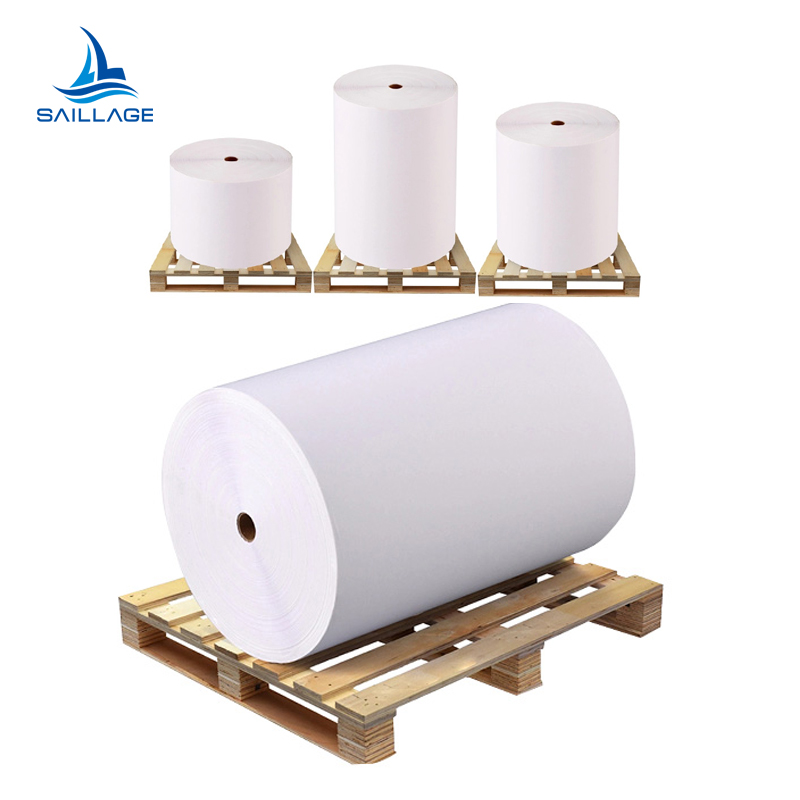
Could You Recommend Top Leading Reliable One-Stop DTF Transfer Product Suppliers?
The global heat transfer film market has experienc...
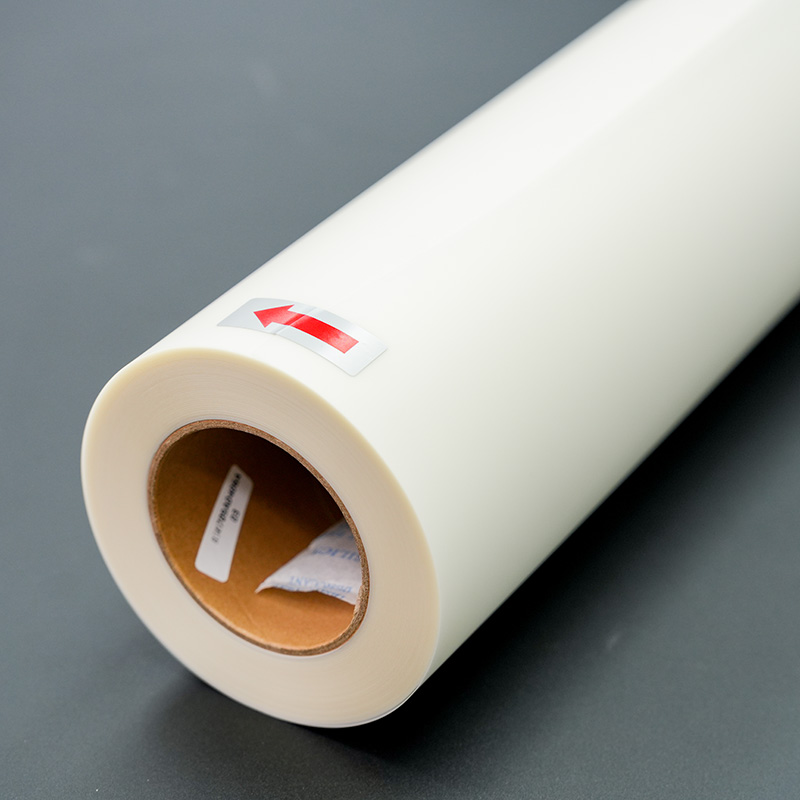
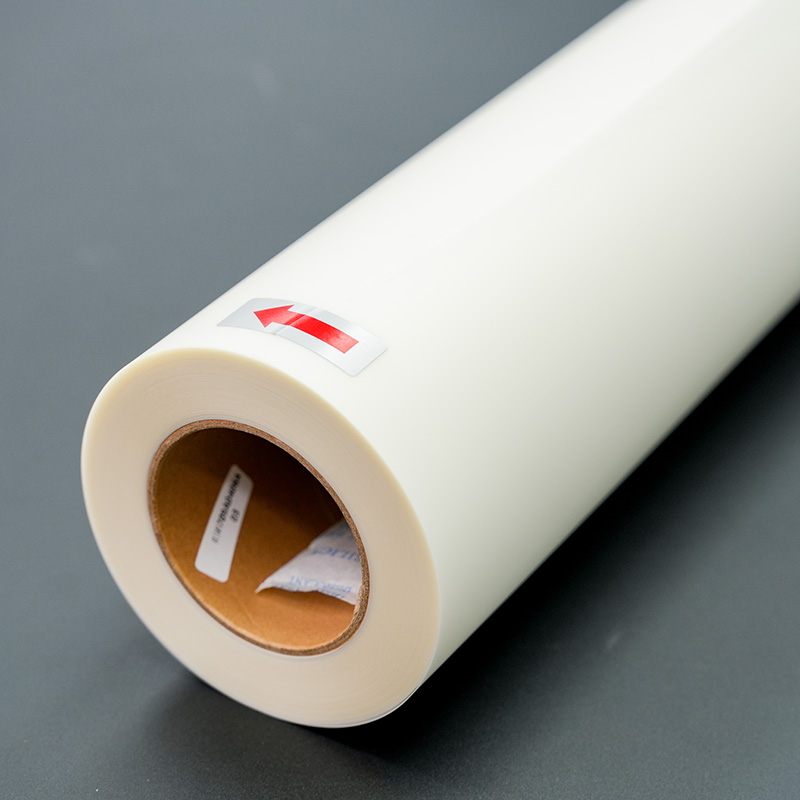
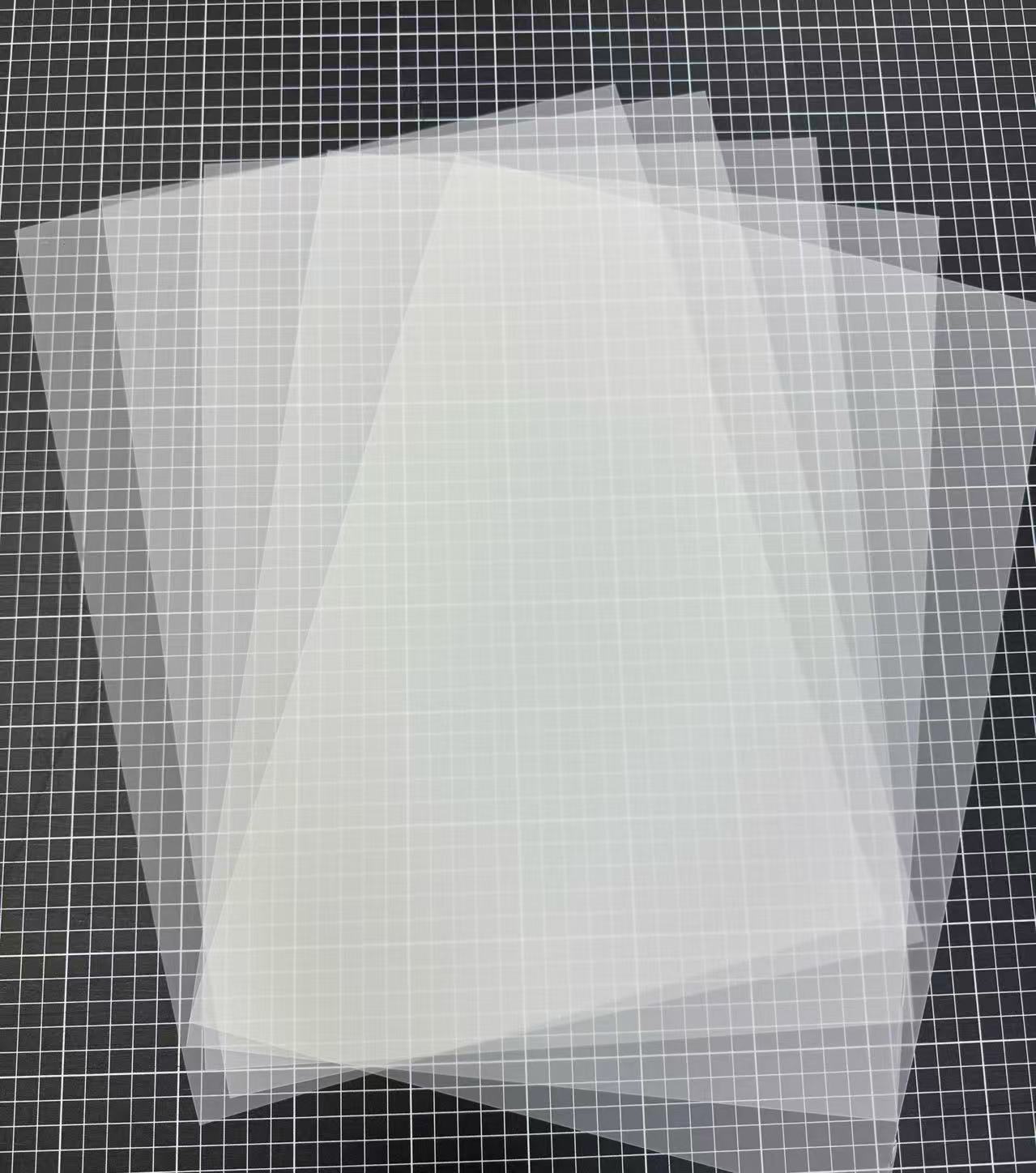
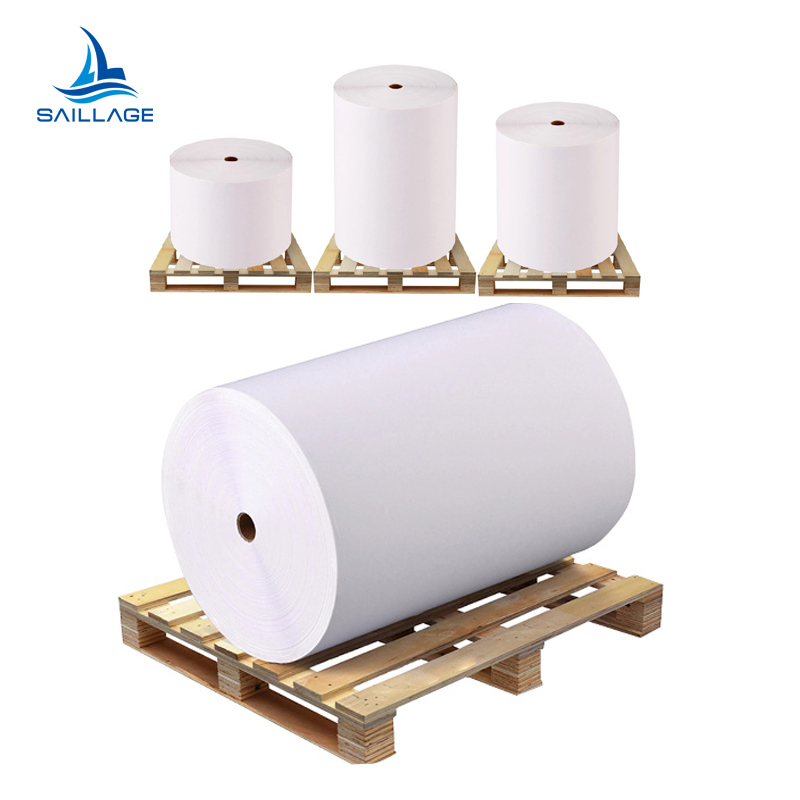
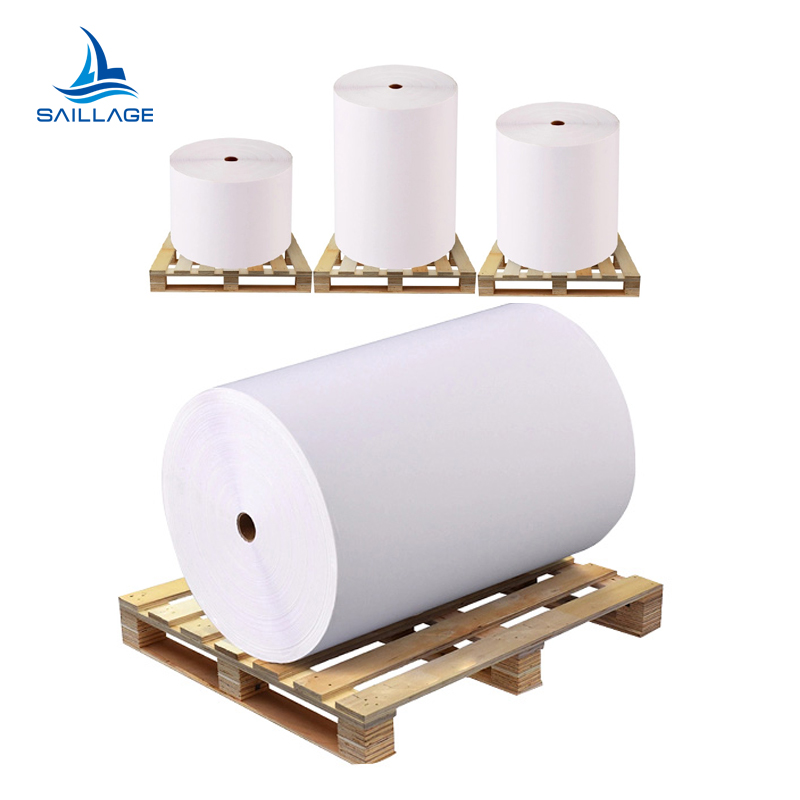
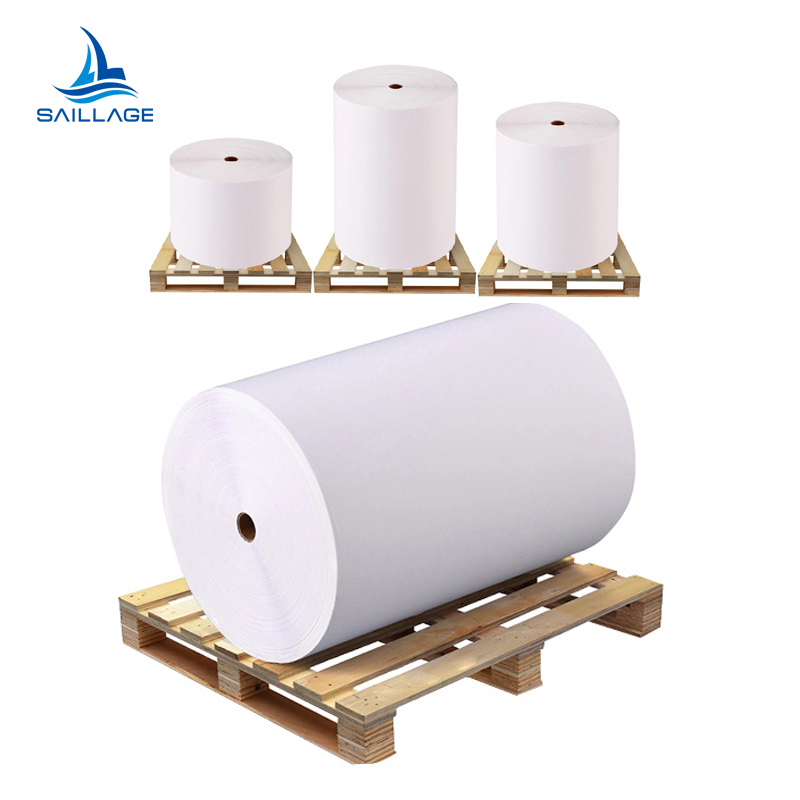
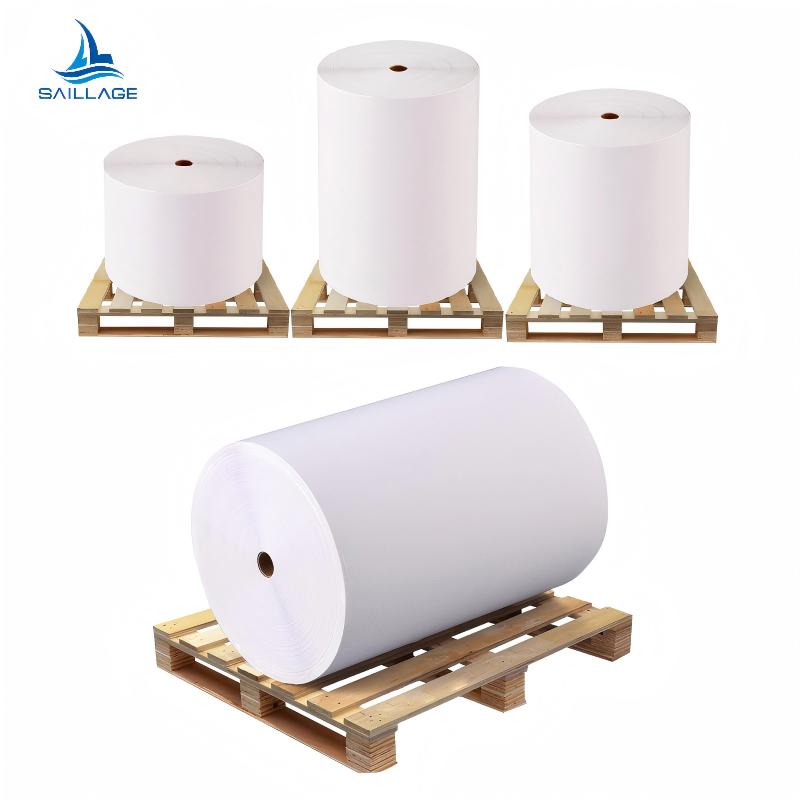
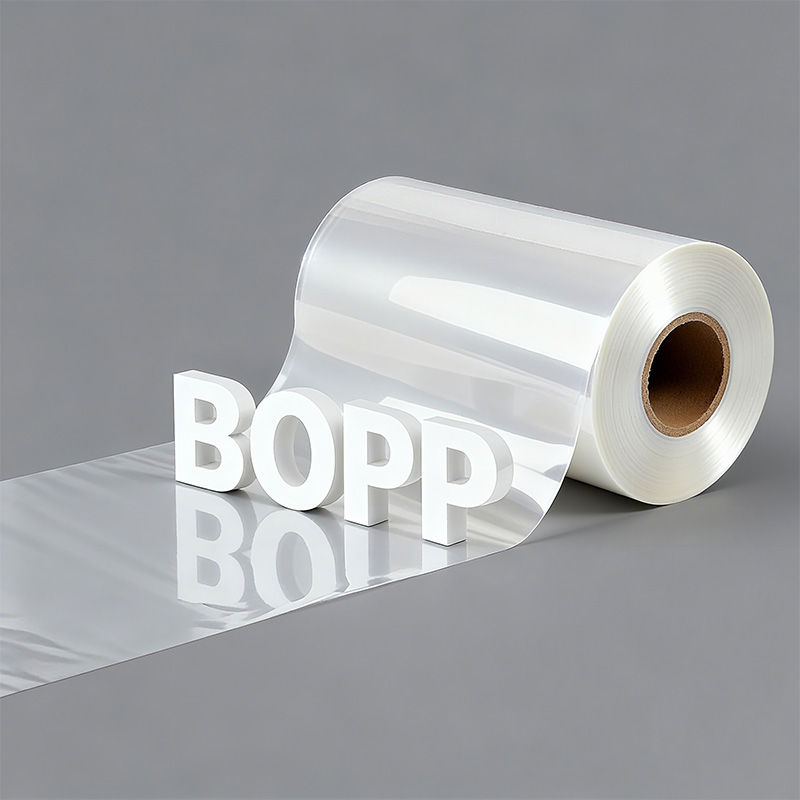
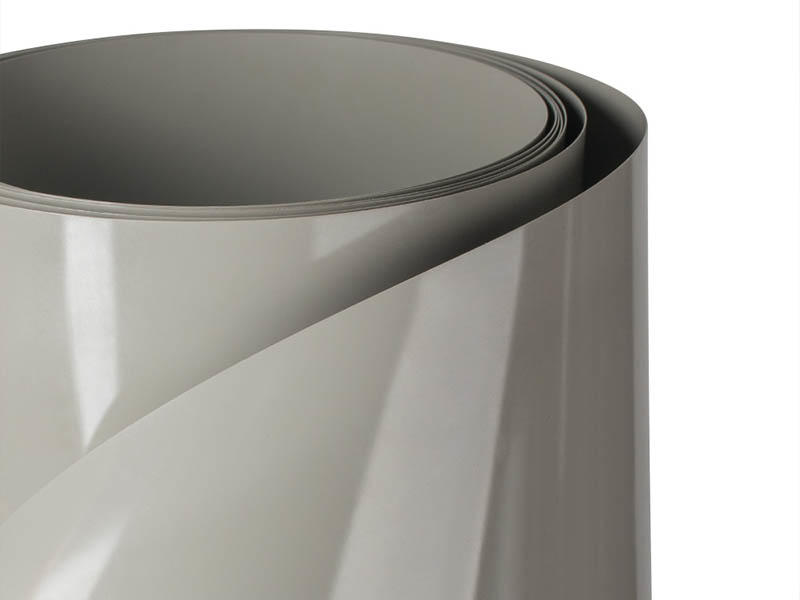
MoreDirect-to-Film (DTF) printing relies on a critical component: the pet film dtf. This specially coated sheet acts as the carrier for ink and adhesive. Its primary function is to receive a printed design and then transfer that complete image onto a garment using a heat press. The global DTF market's projected growth towards USD 4 billion by 2030 underscores this technology's expanding importance.
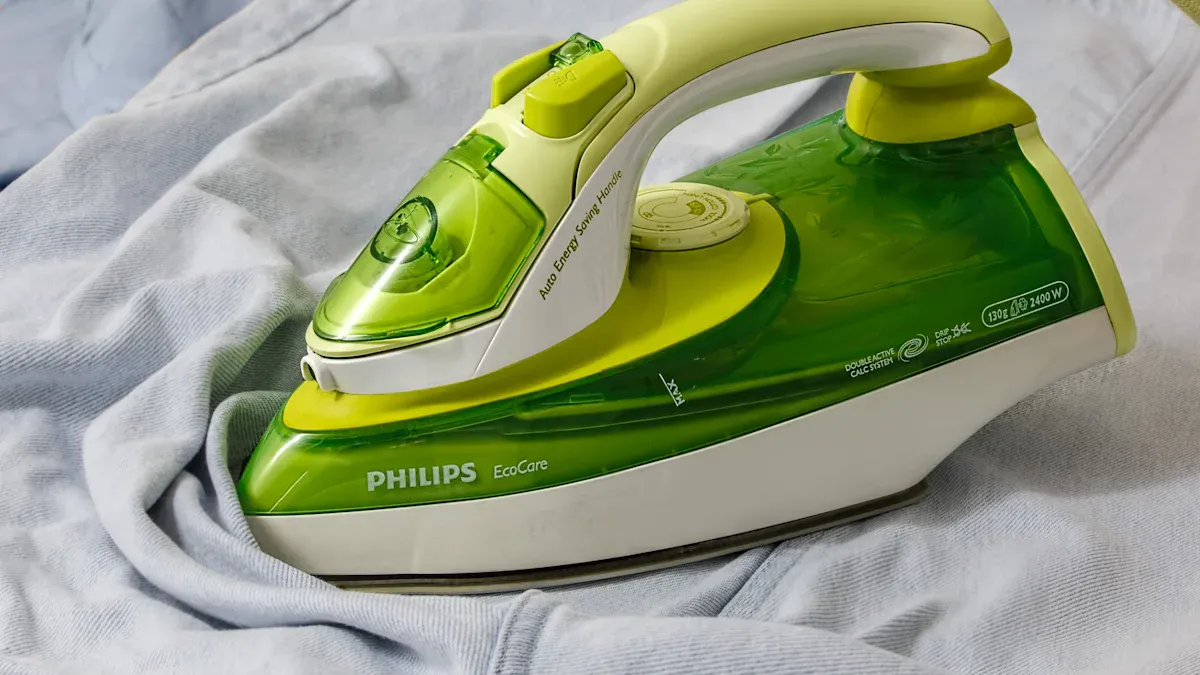
The Direct-to-Film process transforms a digital design into a wearable graphic through a precise, multi-step workflow. Each stage, from printing to peeling, relies on the unique properties of the pet film dtf to achieve a high-quality and durable result.
The process begins with a specialized DTF printer. The operator prints the design directly onto the coated side of the PET film. This is done in a specific sequence: the printer first lays down the colored inks (CMYK) and then prints a layer of white ink on top. This white layer serves as the opaque base that makes the design vibrant on any color fabric.
Achieving optimal color requires careful management of printer settings. Using Raster Image Processor (RIP) software is essential for this, as it provides granular control over color profiles, ink density, and resolution.
Note: Best Practices for Ink Settings 🖨️
Ink Quality: Always use fresh, high-grade pigment inks formulated for DTF.
Resolution: Set the printer to a high resolution, such as 1440x720 dpi or higher, for crisp details.
Ink Density: Adjust white ink density for proper opacity. Too much ink causes smudging, while too little results in a dull print.
ICC Profiles: Calibrate and use the correct ICC profiles to ensure accurate color reproduction.
A wide range of printers can handle this process, from compact desktop units to large industrial machines. The choice of printer depends entirely on production needs, from small-scale startups to high-volume operations.
| Printer Model | Size | Target User | Key Feature |
|---|---|---|---|
| A4 DTF Printer | A4 | Startups/Small Batch | Compact and entry-level |
| A3L(1390) DTF Printer | A3 | Medium Production | Reliable R1390 motherboard |
| A3 Pro DTF Printer | A3 | High-Volume Production | Dual XP600 print heads |
| A1(I3200) DTF Printer | A1 | Premium Industrial | Dual I3200 heads for maximum productivity |
Immediately after printing, while the ink is still wet, the operator applies a special adhesive powder to the pet film dtf. This powder is a hot-melt adhesive, typically made from thermoplastic polyurethane (TPU) or other polymer blends. It sticks only to the inked areas of the design.
| Adhesive Type | Primary Composition | Common Melting Point |
|---|---|---|
| Polyurethane (TPU) | Thermoplastic Polyurethane | 90–110°C (194–230°F) |
| Ethylene-Based | Ethylene–vinyl acetate (EVA) | 100–130°C (212–266°F) |
Proper application is crucial for the final transfer's quality and feel.
Pro Tip: Applying Adhesive PowderUse a gentle rocking motion to spread the powder evenly across the entire printed design. Afterward, flick the film to shake off all loose powder. Only the ink should hold the adhesive. An automated shaker can streamline this step for larger production runs, ensuring consistency and minimizing waste.
Next, the operator cures the powdered film. This involves heating the film to melt the adhesive powder, which bonds with the ink to form a single, solid layer. This can be done in a dedicated curing oven or with a heat press hovering just above the film without making contact. The temperature and time must be precise to avoid damaging the film.
| Curing Method | Temperature Range (°C) | Temperature Range (°F) |
|---|---|---|
| Dedicated Curing Oven | 100-110°C | 212-230°F |
| Heat Press (Hover) | 110-120°C | 230-250°F |
The curing duration typically ranges from 2 to 5 minutes in an oven or around 2 minutes using a heat press. The goal is to achieve a fully melted, slightly rubbery texture that looks similar to orange peel.
With the transfer cured, it is ready to be applied to the final product, such as a t-shirt. The operator places the garment on a heat press and positions the cured film on top, with the design facing down. A protective sheet, like parchment paper, is often placed over the film. The heat press then applies heat and pressure, which activates the adhesive and bonds the design permanently to the fabric fibers.
For 100% cotton, a common setting is a temperature between 300-320°F (149-160°C) with medium pressure applied for approximately 12-15 seconds.
The final step is to remove the film carrier sheet, leaving the design on the garment. This step depends on the type of film used: hot peel or cold peel. Hot peel films are designed for speed and efficiency, allowing an operator to peel the film away immediately after the heat press opens. This makes them ideal for high-volume orders.
Cold peel films, conversely, must cool down completely before the operator can peel them. While this slows down the workflow, it often results in a softer, matte finish and is more forgiving for intricate designs. The choice between them depends on the desired finish, production speed, and operator preference.
| Feature | Hot Peel Film | Cold Peel Film |
|---|---|---|
| Peeling | Peel immediately while hot | Must cool down completely before peeling |
| Finish | Glossier, slightly firmer feel | Matte, softer fabric-like feel |
| Speed | Faster process, no waiting time | Slower process due to cooling |
| User Experience | Requires more practice and precision | More user-friendly, especially for beginners |
| Best For | High-volume production where speed is key | Intricate designs and a premium, soft feel |
| Durability | Excellent wash durability | Very good wash durability |
| Stretchability | Can be less flexible | Often offers better stretch and rebound |
After peeling, some operators perform a quick post-press for a few seconds with a protective sheet to further enhance durability and improve the feel of the print.
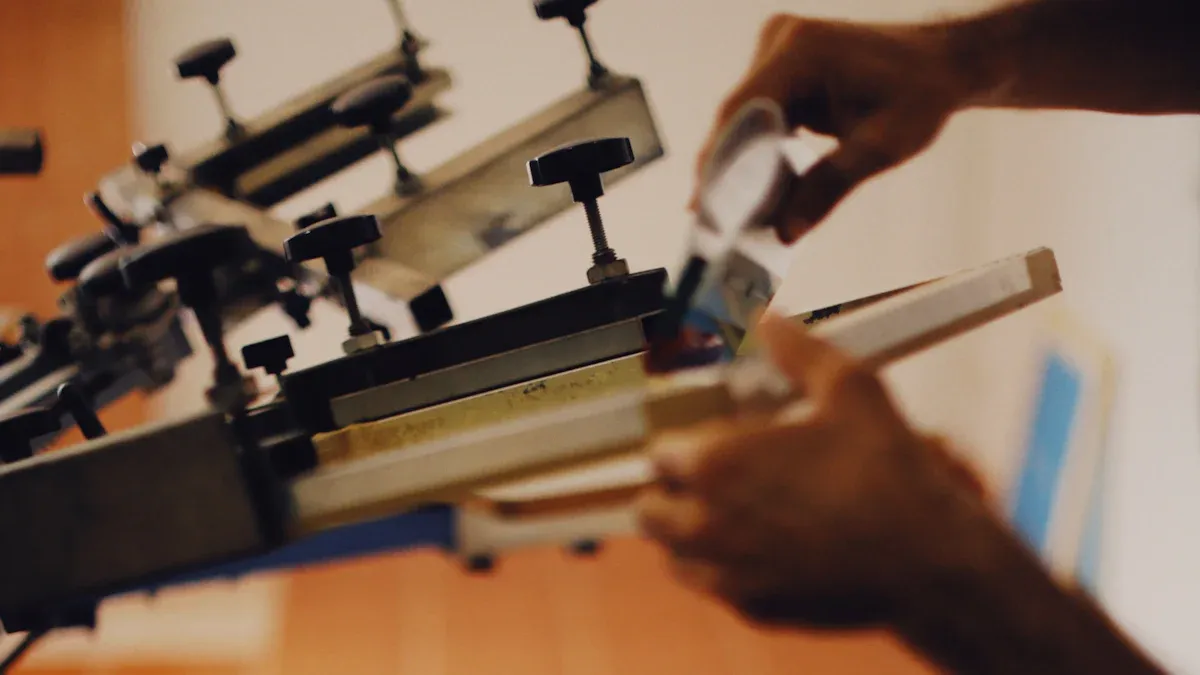
The Direct-to-Film process, centered around the pet film dtf, offers significant benefits over traditional printing methods. These advantages make it a compelling choice for businesses ranging from small startups to large-scale production facilities. Its unique properties deliver versatility, durability, and efficiency that are hard to match.
One of the most significant advantages of DTF printing is its ability to work with an extensive range of materials. Unlike Direct-to-Garment (DTG) printing, which is primarily limited to pre-treated cotton or cotton-rich blends, DTF transfers adhere to a much broader spectrum of fabrics. This versatility opens up new product possibilities for decorators.
Operators can apply DTF designs to cotton, polyester, silk, denim, fleece, and even leather. The process works equally well on light and dark-colored garments without any change in workflow. This is a clear advantage over other methods that require different inks or processes for different materials.
| Printing Method | Suitable Fabrics |
|---|---|
| DTF Printing | Untreated cotton, polyester, silk, denim, fleece, leather, spandex, 50/50 blends |
| DTG Printing | Pre-treated cotton, pre-treated cotton/poly blends, some pre-treated polyester |
The hot-melt adhesive powder bonds effectively to both natural and synthetic fibers. This allows for high-quality prints on materials that are typically challenging for other digital printing techniques.
| Fabric Type | DTF Compatibility | Notes |
|---|---|---|
| 100% Cotton | ✅ Excellent | Produces rich color and offers great durability. |
| 100% Polyester | ✅ Excellent | Avoids dye migration and maintains flexibility. |
| Cotton/Poly Blends | ✅ Very Good | Ideal for retail apparel, balancing comfort and strength. |
| Denim / Twill / Canvas | ✅ Good | Bonds well to coarse surfaces with firm pressure. |
| Spandex / Lycra | ⚠️ Moderate | Requires special flexible ink and powder to prevent cracking. |
| Nylon | ⚠️ Difficult | Needs a low-temperature adhesive and careful application. |
DTF prints are known for their impressive durability and resilience. The combination of specialized pigment ink and thermoplastic adhesive creates a bond that can withstand repeated washing and stretching. With a quality pet film dtf and proper application, a finished garment can typically endure around 50 wash cycles before showing significant signs of wear. Some tests show prints remaining vibrant with no cracking or peeling after more than 20 washes.
Flexibility is another key performance indicator, especially for sportswear and performance apparel.
Stretchability Matters 🤸 Standard DTF transfers may crack when applied to highly elastic fabrics like spandex. For these materials, operators must use a high-stretch DTF powder. This advanced adhesive creates a rubber-like bond that stretches and rebounds with the fabric, keeping the design intact.
When compared to screen printing, DTF offers a different set of trade-offs. While screen printing often feels softer because the ink soaks into the fabric, DTF transfers sit on top of the material. This gives DTF prints a slightly thicker, more rubbery feel but also contributes to their excellent durability.
| Feature | DTF Prints | Screen Printing |
|---|---|---|
| Durability | Very durable, often lasting 50+ washes. | Extremely durable, can outlast the garment itself. |
| Feel | Slightly thicker, sits on top of the fabric. | Softer feel, as ink is pushed into the fabric. |
| Best Use Case | Small to medium batches with complex, multi-color designs. | Large orders with simpler, limited-color designs. |
DTF printing excels at producing bright, vivid, and opaque designs, particularly on dark-colored garments. This is achieved through the strategic use of a white ink underbase. The printer first lays down the color (CMYK) layer and then prints a solid white layer on top. When transferred, this white ink becomes the base, preventing the garment's color from showing through.
The ink and adhesive layer sits on the surface of the fabric rather than soaking into the fibers. This surface application ensures that colors remain bright and do not become muted by the underlying material. The pigment inks used in DTF also have excellent lightfastness, with a typical color fastness rating of 4.5 or higher, meaning they resist fading from both washing and sun exposure.
However, operators should be aware of the limitations of a standard CMYK+W ink set.
Note on Color Matching 🎨 A CMYK+W ink configuration has a specific color gamut. It cannot reproduce every visible color perfectly. Certain vibrant shades of blue, purple, and green may fall outside its achievable range. RIP software helps simulate these colors, but exact Pantone matching can be challenging.
A major operational advantage of DTF printing is the elimination of the pre-treatment step. Methods like DTG require operators to spray a chemical pre-treatment solution onto garments, especially dark ones, and then heat-press them before printing. This adds time, cost, and complexity to the workflow.
DTF printing bypasses this entire stage. The design is printed on the film, powdered, cured, and then transferred. This streamlined process offers several benefits:
Reduced Costs: Businesses save money by not having to purchase pre-treatment solution and application equipment.
Faster Production: Eliminating a step significantly shortens the time required to produce each item.
Lower Learning Curve: The workflow is more straightforward, making it easier for new operators to learn.
Modern DTF systems further simplify operations with automated features.
Pro Tip: Automation Simplifies EverythingMany new DTF printers integrate automated film feeding, powder application, and curing systems. Some even use AI for real-time error correction. These advancements reduce manual intervention, minimize waste, and make the entire process more accessible for users with limited technical experience.
This simplified, efficient workflow makes DTF an attractive technology for businesses looking to produce high-quality custom apparel with minimal operational hurdles.
The pet film dtf is the cornerstone of the Direct-to-Film printing revolution. It provides the essential foundation for creating high-quality, custom apparel and products.
By acting as the perfect carrier for ink and adhesive, the film enables the transfer of vibrant, durable designs onto an extensive range of materials.
This critical function makes it an indispensable component for any modern printing operation.
Operators cannot reuse DTF PET film. The film's special coating transfers with the design during the heat press process. Each print requires a new sheet for a quality result.
Businesses should store unused film in a cool, dry environment. Keep it away from direct sunlight and high humidity to preserve the coating and prevent the film from curling.



Select the most popular foreign trade service products to meet your diverse needs
Select the most popular foreign trade service products to meet your diverse needs

Tel: +86 17706217416
Add: Building L2A, No. 520, Lane 1588, Zhuguang Road, Hongqiao World Center, Qingpu District, Shanghai, China






User Comments
Service Experience Sharing from Real Customers
Michael Chen
Print Shop OwnerThis PET film for DTF is exceptional. The transfer is crisp, the colors are vibrant, and it peels cleanly every time. It has significantly improved the quality and speed of our custom apparel production.
Sarah Johnson
Production ManagerVery reliable film. We've run thousands of transfers with minimal issues like cracking or sticking. It's a consistent performer that gives our clients great results on various fabrics.
David Rodriguez
Graphic Designer & PrinterAs a designer, the detail this film captures is impressive. Fine lines and small text come out perfectly. It's now my go-to film for all my high-detail DTF projects. Highly recommended!
Lisa Wang
Small Business OwnerThis PET film has been a game-changer for my small online store. The prints are durable, wash well, and the ease of use has allowed me to fulfill orders faster. Customer satisfaction has definitely gone up.