
 English EN
 中国 CN
中国 CN
 French FR
 German DE
 Portuguese PT
 Spanish ES
 Russian RU
 Japanese JA
 Korean KO
 Arabic AR
 Greek EL
 Turkish TR
 Italian IT
 Polish PL
 Hindi HI
How to Prep for Your Busiest Printing Season (Without Worn Out)
Get ahead of the holiday rush with this actionable...
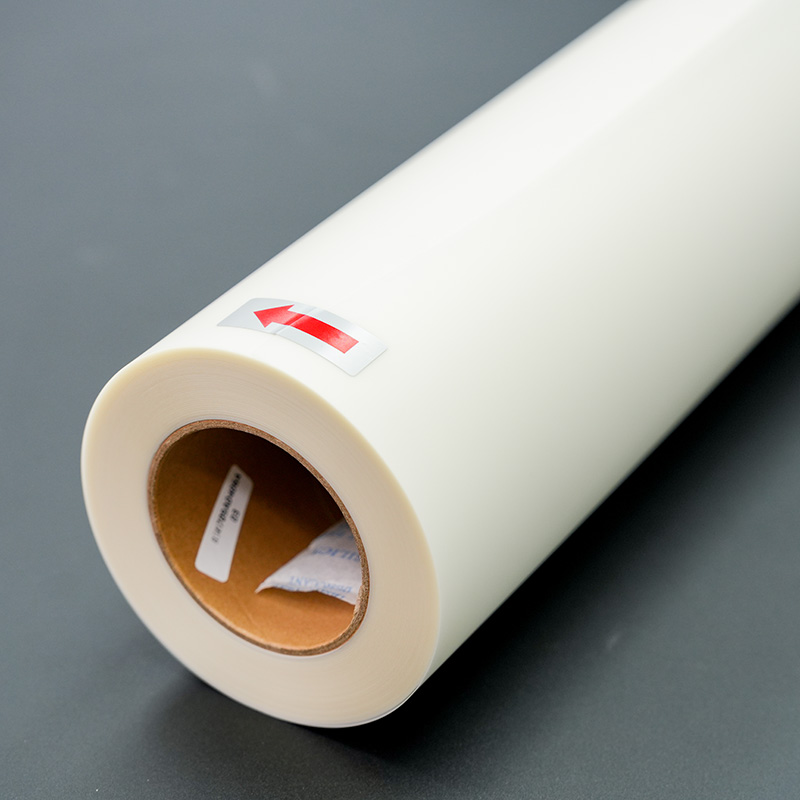
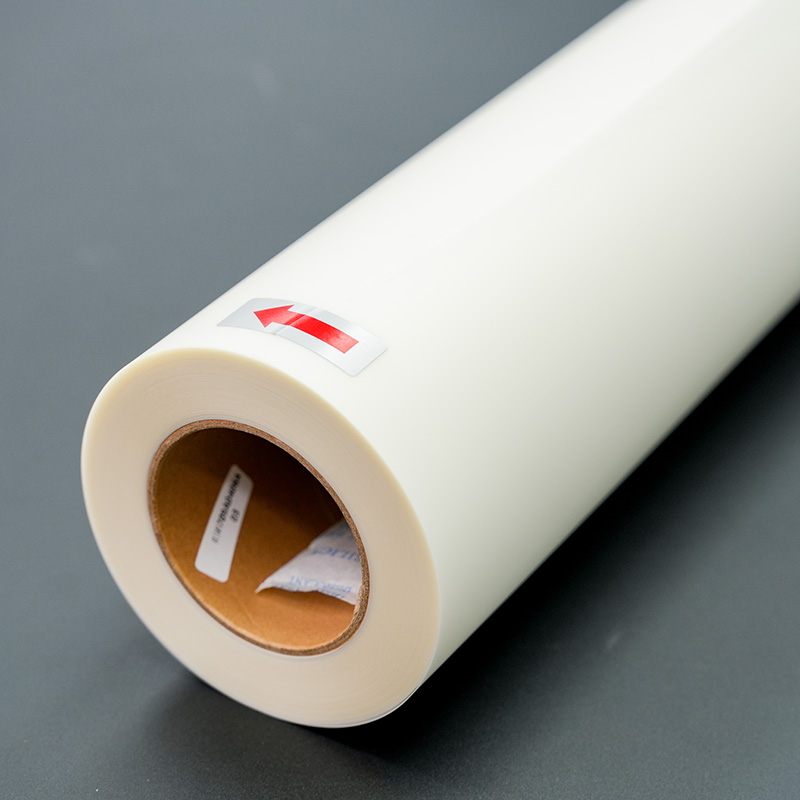
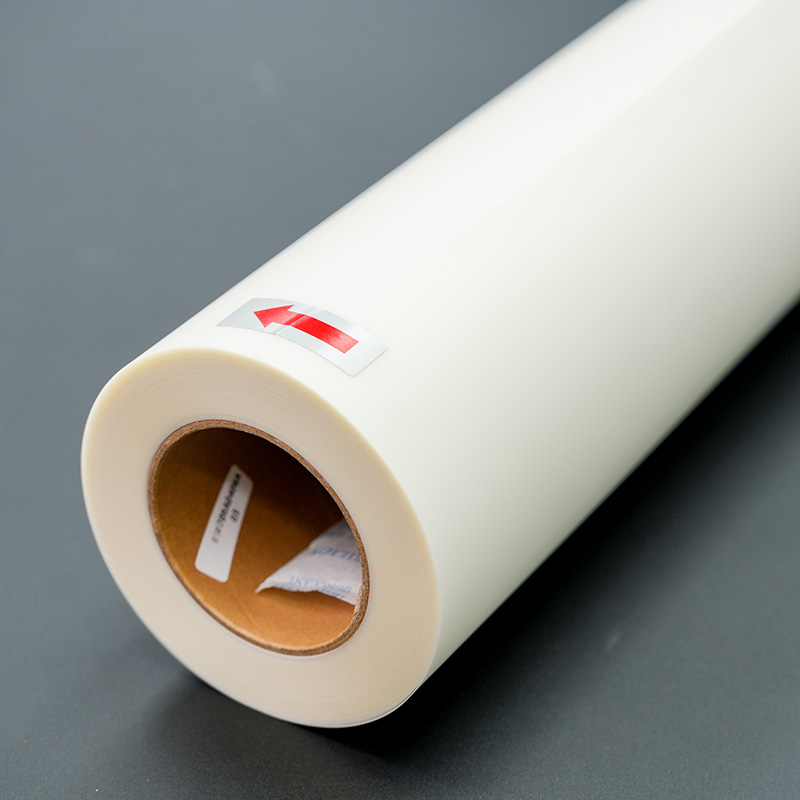
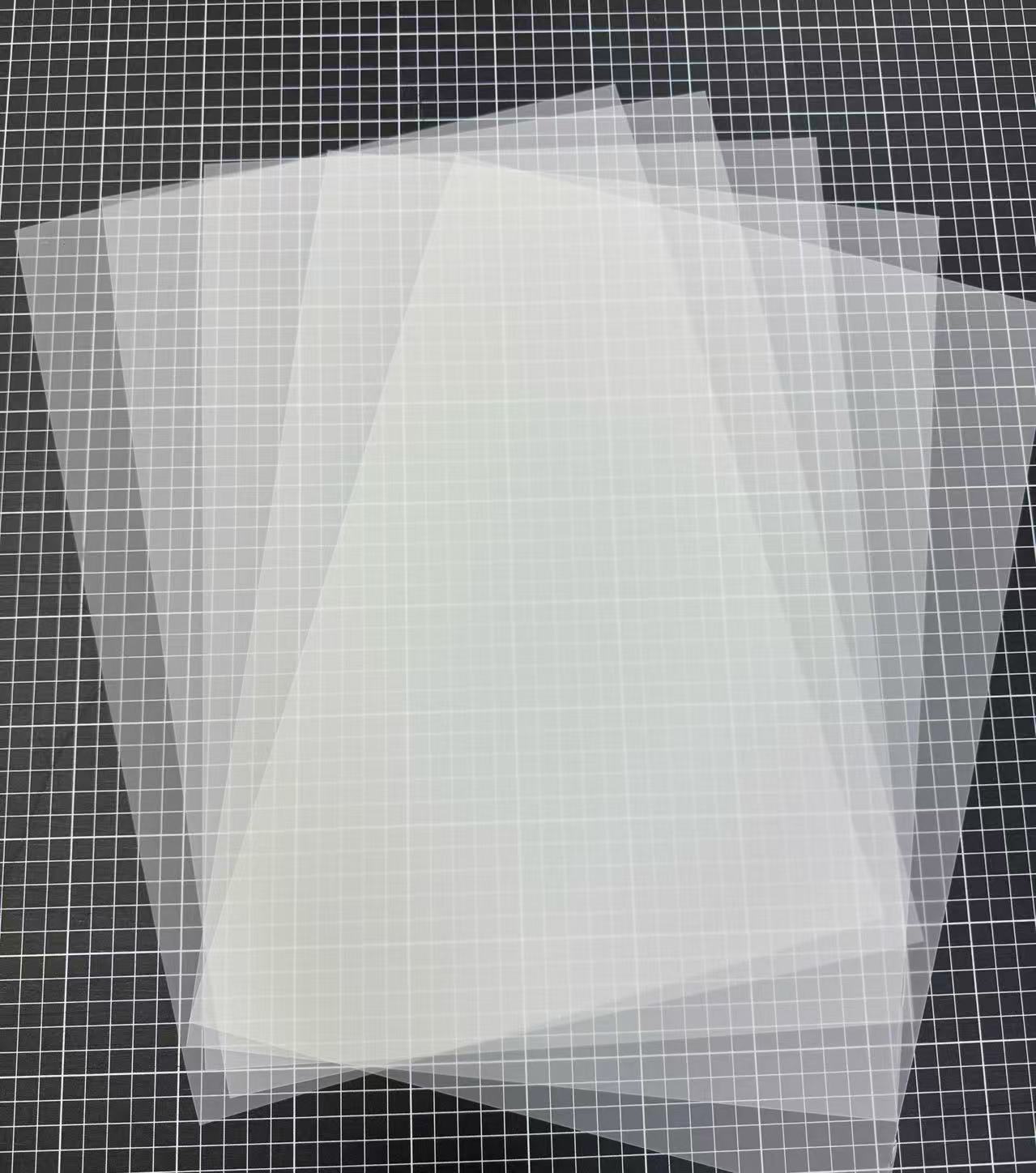
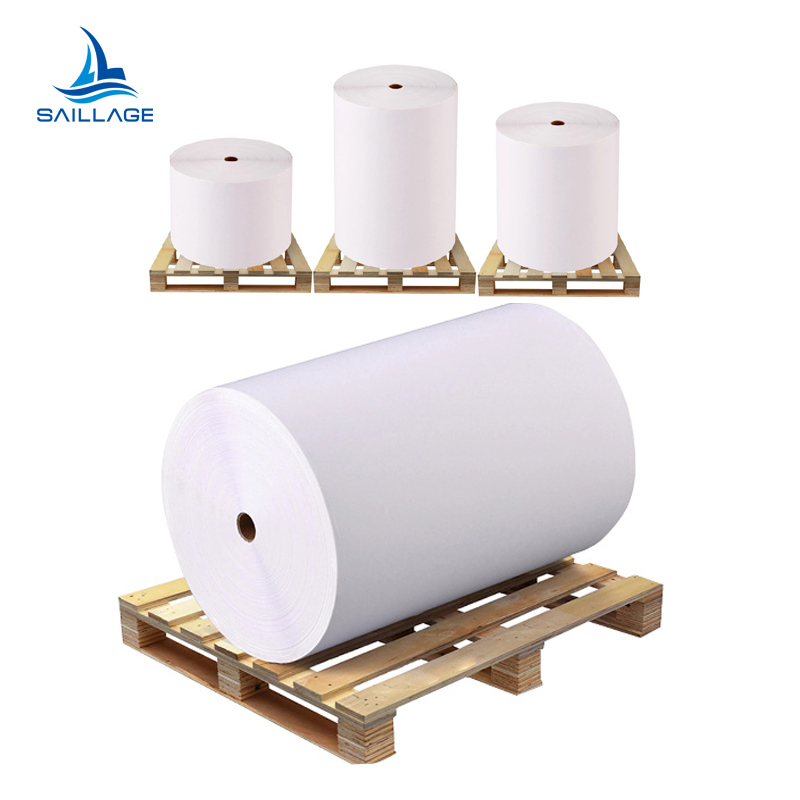
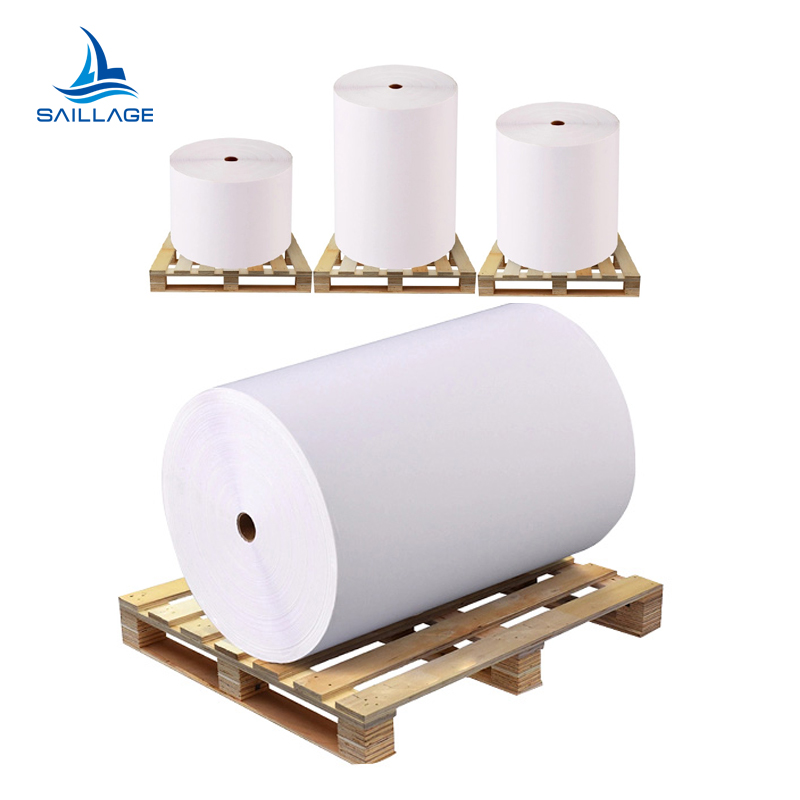
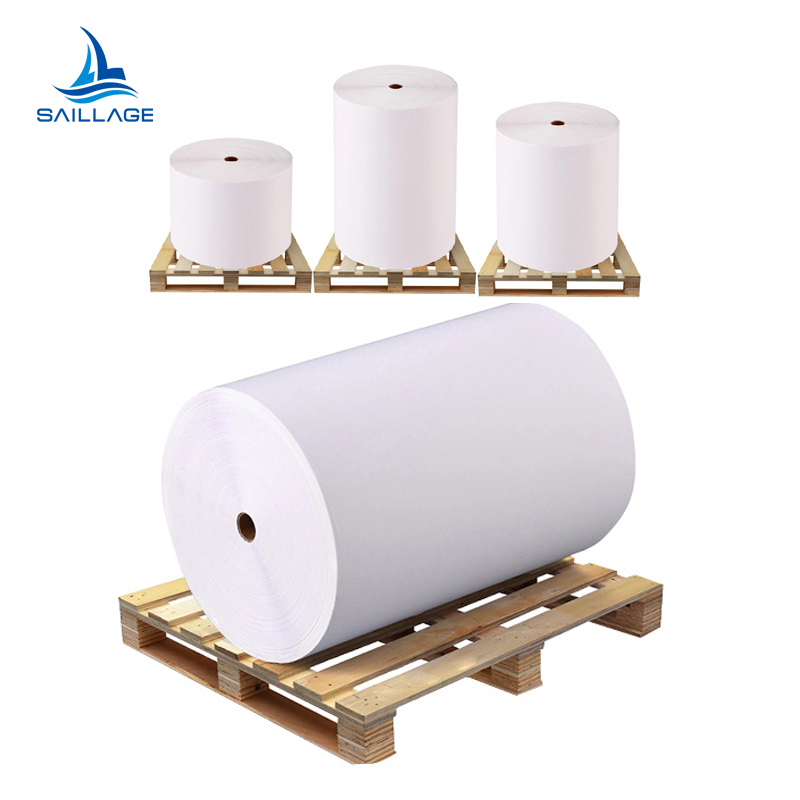
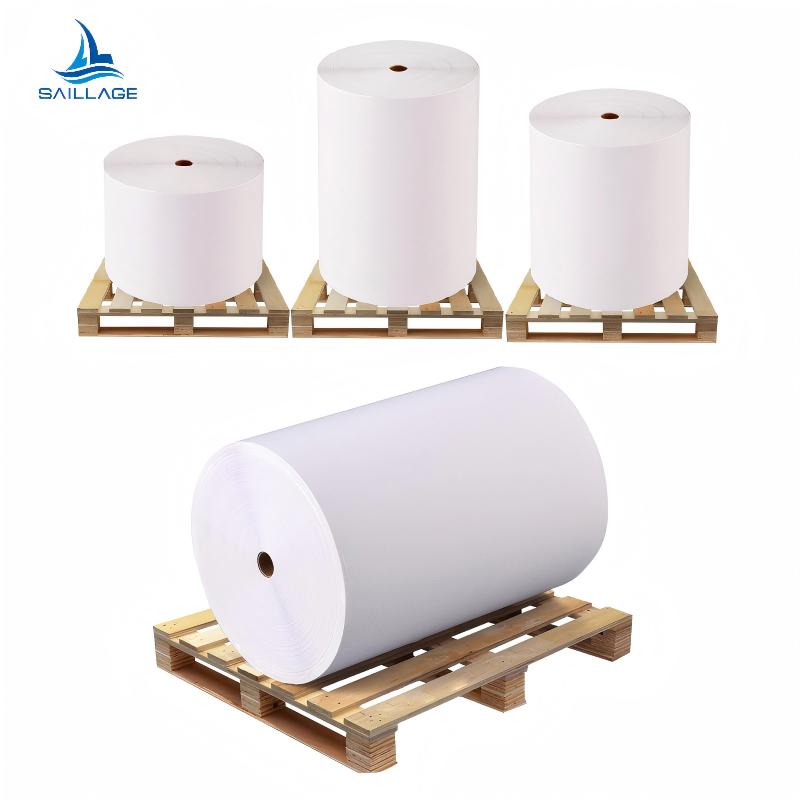
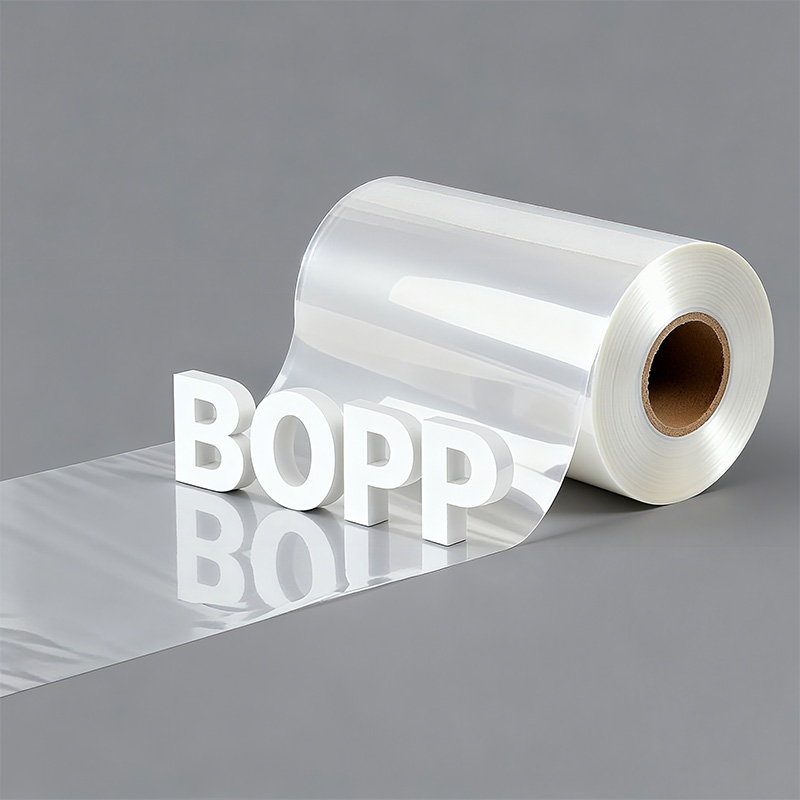
MoreThe global Direct-to-Film printing market is projected to grow at a compound annual growth rate of approximately six percent, accelerating towards nearly USD 4 billion by 2030. A quality pet film roll for dtf is the most critical component for success. This film carries the design, ink, and adhesive. The wrong film choice often leads to poor transfers and a stiff, plastic-like feel on the final garment.
The "peel type" of a DTF film is one of its most defining characteristics. It dictates whether a printer removes the film from the garment immediately after heat pressing (hot peel) or after the transfer has completely cooled (cold peel). This choice fundamentally impacts production speed, the level of detail achievable, and the final print's durability.
The peel temperature is determined by the chemical composition of the film's release layer. This microscopic coating is engineered to detach the ink and adhesive from the film at a specific temperature. Hot peel films have a release layer that facilitates detachment while the transfer is still hot. In contrast, cold peel films possess a release layer that holds the transfer securely until it has fully cooled.
Hot peel film is the go-to choice for high-volume production environments where efficiency is paramount. The operator can peel the film away from the garment seconds after the heat press opens, dramatically shortening the time required for each item.
This speed is possible due to the film's specific chemistry.
Hot peel films utilize fast-setting adhesives.
Their release layers are optimized for immediate peeling after pressing.
The adhesive layer often has a water-based back-coating. If not removed promptly, the cooled glue can stick to the garment, making removal difficult.
While excellent for rapid production of simpler designs like logos and block text, this method requires precise execution. For best results, printers should adhere to specific press settings.
| Fabric Type | Temperature (°F) | Time (seconds) | Pressure |
|---|---|---|---|
| Cotton & Cotton/Poly Blends | 300–315°F | 10–13 sec | Firm, even |
| Polyester & Synthetic Blends | 290–300°F | 12–15 sec | Light to medium |
💡 Professional Tip: Hot peel film is ideal for maximizing output on large orders. Its immediate peel process streamlines the workflow, allowing a single operator to produce more garments in less time.
Cold peel film prioritizes quality, detail, and durability over speed. After heat pressing, the garment must be set aside to cool completely to room temperature before the film is removed. This cooling period is critical, as it allows the design to achieve maximum adhesion and sharpness.
The chemistry of cold peel film is engineered for this deliberate process. It employs stronger, slower-setting adhesives and a more neutral release coat. This combination ensures the film releases cleanly only after it has cooled. Many cold peel films also use an oil-based back-coating for the adhesive layer, which contributes to superior washing fastness.
This method offers two significant advantages: detail and durability.
Unmatched Detail Retention: The cooling period allows the adhesive to fully bond with the fabric's fibers. This secure bond prevents fine lines, small text, and intricate parts of a design from lifting during the peel. The result is a transfer with exceptionally sharp edges and crisp details that hot peel methods can struggle to replicate.
Superior Durability: Cold peel transfers are widely recognized for their longevity and resilience. The stronger bond created during the cooling process leads to better performance through repeated wash cycles.
| Peel Type | Durability & Adhesion |
|---|---|
| Hot Peel | Excellent, but the aggressive bond can sometimes lead to cracking over time. |
| Cold Peel | Stronger overall adhesion, offering greater flexibility and resistance to cracking. Ideal for heavy-wash garments. |
💡 Professional Tip: Cold peel film is the superior choice for artistic prints, complex graphics with fine lines, and any garment that requires maximum wash durability, such as workwear or premium apparel.
The film's finish is another critical decision that directly influences a print's final look and feel. The choice between a matte or glossy surface affects everything from color vibrancy to the tactile sensation of the design on the garment. Each finish serves a distinct purpose, catering to different design aesthetics and fabric types.
Matte finish film produces a non-reflective, subtle surface. This finish creates a modern, professional look with a very soft hand-feel. The colors on a matte transfer appear more subdued and muted, emphasizing mood over intensity. Because the final print feels more integrated with the fabric, it is an excellent choice for comfortable apparel.
Matte film is the preferred choice for specific applications:
Minimalist or subtle branding
Company uniforms requiring a clean aesthetic
Trendy, understated T-shirt designs
Prints on natural fabrics like cotton for a natural look
This finish enhances wearer comfort, making it ideal for everyday garments like t-shirts and hoodies.
Glossy films deliver maximum visual impact. They are engineered to enhance color saturation and contrast, making designs appear exceptionally bright and sharp. This finish is perfect for graphics that need to grab attention. While glossy transfers can feel slightly firmer on the garment, their visual pop is unmatched. They are generally recommended for synthetic fabrics like polyester.
A direct comparison highlights the differences in color presentation.
| Feature | Glossy Finish | Matte Finish |
|---|---|---|
| Color Vibrancy | Very vibrant; enhances saturation & contrast | More subdued; colors appear softer & less intense |
| Color Intensity | Offers more intensity | Colors tend to appear more muted |
💡 Professional Tip: Use a glossy finish for promotional items, sportswear, and any design where vibrant, eye-catching color is the primary goal.
Beyond peel type and finish, technical specifications like film thickness and coating type determine how a pet film roll for dtf interacts with the printer. These details directly influence print reliability, ease of use, and the prevention of costly equipment damage.
Film thickness, measured in microns (µm), affects both durability and printability. DTF PET films typically range from 75 to 120 microns. This specification involves a critical trade-off. Thicker films offer greater structural integrity and durability during handling. Thinner films, however, often provide better transfer efficiency and conform more easily to the printer's path. It is crucial to use only DTF-specific film, as standard transparency sheets lack the necessary coating to hold ink and will not function correctly.
The coating on a film determines its grip inside the printer. This choice is vital for preventing printing errors.
Single-Sided Film: This film has a coating on just one side—the printable surface. Users can easily identify the printable side, as it is the non-glossy, matte-textured surface designed for ink adhesion. The other side is a smooth, uncoated PET base.
Double-Sided Film: This film features a printable coating on the front and a special matte coating on the back. The rear coating is a key feature that increases friction with the printer's rollers.
⚙️ Technical Insight: The back coating on a double-sided pet film roll for dtf is engineered to prevent slippage. This stability helps avoid print head damage from film wrinkling or shifting, making the printing process significantly more reliable, especially during long print runs.
Achieving a perfect print requires a harmonious relationship between your film, printer, and inks. Mismatched components can lead to frustrating errors, wasted materials, and subpar results. Ensuring compatibility is a foundational step for any successful DTF operation.
Different DTF printers have unique media feeding systems. The film must work seamlessly with your specific machine. Roll-to-roll printers, for example, rely on consistent tension and grip to feed the film smoothly. A double-sided film provides the necessary friction to prevent slippage, ensuring the print head aligns correctly throughout the job.
Desktop or sheet-fed printers may handle single-sided films, but they still benefit from the stability of a double-sided coating. Using an incompatible film can cause it to buckle or shift during printing. This movement often leads to head strikes, which can permanently damage your printer.
⚙️ Technical Tip: Always consult your printer manufacturer's recommendations for film specifications. Using a double-sided film is generally the safest and most reliable option for preventing feed-related errors across most printer models.
The chemical interaction between the ink and the film's coating is just as critical as the mechanical one. The film's receptive layer is engineered to absorb and hold a specific type of ink. An incompatibility between the two can ruin a print before it even reaches the heat press.
Signs of poor ink and film compatibility are often immediately visible.
Ink bleeding or smudging appears as feathered colors, non-crisp edges, or a smeared look.
Poor adhesion occurs when the design fails to stick to the garment or starts peeling after a few washes.
To avoid these issues, many professionals purchase their film and inks from the same trusted supplier. This practice ensures the components are designed to work together. If mixing brands, always perform a small test print to confirm compatibility.
Choosing the right film can feel complex with so many variables at play. This guide simplifies the decision-making process by matching film characteristics to specific project needs. Printers can achieve optimal results by aligning their film choice with the design, fabric, and production volume.
Efficiency is the top priority for high-volume t-shirt production. Every second saved per garment translates into significant gains in output and profitability. The film selection must support a rapid, streamlined workflow without compromising quality on simpler designs.
For these scenarios, the ideal film combination prioritizes speed and reliability.
Peel Type: Hot peel film is the clear winner. It allows operators to remove the film immediately after heat pressing. This instant peel saves valuable production time, making it perfect for bulk printing and high-efficiency work.
Finish: A glossy finish generally works well for most high-volume applications. It delivers vibrant colors that make logos and text pop, which is often the goal for promotional t-shirts.
💡 Workflow Tip: Pairing a hot peel film with an automated heat press allows a single operator to manage a continuous production cycle. As one shirt cools, the next is already being pressed, maximizing throughput for large orders.
Artistic prints with fine lines, complex gradients, or small text demand absolute precision. The film must act as a perfect carrier, releasing every intricate detail onto the garment without smudging or distortion. Quality and sharpness take precedence over production speed.
Cold peel films are the superior choice for this type of work. The cooling period allows the adhesive to bond fully with the fabric fibers. This strong bond ensures that even the most delicate parts of the design remain intact during the peel.
Unmatched Detail: Cold peel film prevents fine lines from lifting and keeps small text legible. The final transfer has exceptionally crisp edges.
Superior Finish: A matte finish is highly recommended for artistic designs. It creates a soft, non-reflective surface that reduces glare and gives the print a high-end, integrated feel.
Certain advanced films are engineered specifically for detail. For example, Nano DTF Film includes an anti-static layer that prevents powder from clumping in tight spaces. Other options, like 'Single Matte Smart Peel' films, offer superior ink absorption for reproducing gradients smoothly.
Printing on bright or dark polyester presents a unique chemical challenge: dye migration. The heat from the press can cause the fabric's dye to turn into a gas (sublimate) and bleed into the white ink layer of the transfer. This process stains the design, often turning a crisp white print into a dull pink or gray.
Preventing dye migration requires a specialized system of film, ink, and powder.
Use Anti-Sublimation Powder: Standard adhesive powders are not enough. Printers must use dye-blocking powders. These are often charcoal or black in color and act as a barrier, stopping the fabric dye from migrating through the print.
Select High-Stretch Inks and Powders: Sportswear requires flexibility. Using elastic TPU powders and stretch-friendly inks ensures the design moves with the fabric instead of cracking.
Choose a Reliable Film: While the powder does the heavy lifting, the film must still perform. A high-quality cold peel pet film roll for dtf provides a stable base for the specialized ink and powder layers, ensuring a durable and clean transfer.
| Component | Recommendation for Polyester | Purpose |
|---|---|---|
| Adhesive Powder | Black or Charcoal Anti-Sublimation Powder | Blocks dye migration from the fabric. |
| Ink | High-Elasticity DTF Ink | Provides stretch and prevents cracking. |
| Film | Cold Peel Film | Ensures a strong bond and durability. |
Newcomers to DTF printing need a forgiving setup that minimizes frustration and builds confidence. The ideal film for a beginner is one that reduces the most common printing errors, such as film slippage, powder clumping, and inconsistent transfers.
A double-sided, cold peel, matte film is the most recommended starting point.
Double-Sided Coating: This is the most critical feature for a beginner. The coating on the back of the film grips the printer's rollers, preventing the film from slipping or wrinkling. This stability helps avoid catastrophic print head strikes.
Cold Peel: While it requires patience, the cold peel process is more forgiving. It gives the adhesive ample time to bond, resulting in a more consistent and successful transfer, which helps a beginner learn the process correctly.
Matte Finish: Matte films often have a slightly porous surface that holds ink and powder well, reducing the chances of smudging.
Many manufacturers offer beginner-friendly products. For instance, the Jinlong DTF film series is known for consistent, mess-free transfers that help newcomers focus on their designs. Starter matte sheets are also affordable and provide a smooth finish that is easy to work with on basic cotton or blend fabrics.
Properly managing DTF film is essential for protecting your investment and ensuring consistent print quality. The film's integrity directly impacts its performance in the printer and during the heat transfer process. Following best practices for storage, handling, and testing prevents costly errors and material waste.
The environment where film is stored significantly affects its stability. Exposure to incorrect conditions can cause curling, brittleness, or moisture damage, leading to poor ink adhesion.
Temperature: 18–24°C (65–75°F)
Relative Humidity: 40–60%
Maintaining this climate-controlled range is crucial. It keeps the film’s adhesive and PET layers stable, preventing bubbling and warping. Operators should always store rolls flat or upright in their original packaging to protect them from light and dust.
DTF film is sensitive to contaminants. Oils from hands, dust, and static electricity can all compromise print quality. Mishandling often leads to smudging, poor ink adhesion, or surface defects.
Printers should always handle film with clean, lint-free gloves to avoid leaving fingerprints or residue on the printable surface. Allowing the film to acclimate to the print room's temperature before use also reduces the risk of static buildup. Careful loading prevents creases or scratches that can interfere with media feeding and potentially cause damaging head strikes.
Test prints are a non-negotiable step before any production run. They allow operators to assess print quality and make adjustments without wasting an entire garment. A small test helps verify several key parameters.
Image Clarity: The test confirms the design is sharp and fine details are clear.
Ink Absorption: It shows if the ink is spreading evenly across the film.
Transfer Success: The test ensures the design transfers cleanly and peels smoothly from the fabric.
This simple check validates that the film, ink, and printer settings are working together correctly, guaranteeing a professional result.
A printer's choice of pet film roll for dtf directly dictates final print quality. Beginners often achieve professional results using a double-sided, cold peel matte film. Matching the film to specific project needs ensures every print is a success, a strategy used by successful studios.
Achieved 40% faster turnarounds for bulk orders.
Created bright, durable graphics for performance sportswear.
Printers cannot reuse DTF film. The heat transfer process consumes the film's special coating. Reusing it results in failed prints and potential equipment damage.
Film wrinkling often indicates low-quality film or incorrect printer settings. Using a double-sided film provides better grip and stability, which helps prevent this common issue.
Printing on the wrong side causes ink to bead up and smudge. The uncoated surface cannot absorb the ink, leading to a messy, unusable print.
Leading Precoating Materials: Enhancing Filtration System Performance for 2025
Automatic UV Coaters: Indispensable for Achieving Rapid, High-Quality Printing Results
Tablet Sampler Machines: A Comprehensive Guide for Optimal Laboratory Selection
Frame Plate Kits: An Introductory Guide for Vehicle Reinforcement Enthusiasts
Versatile Nozzle Solutions: Catering to Gardeners, Bioprinters, and Lubrication Specialists



Select the most popular foreign trade service products to meet your diverse needs
Select the most popular foreign trade service products to meet your diverse needs

Tel: +86 17706217416
Add: Building L2A, No. 520, Lane 1588, Zhuguang Road, Hongqiao World Center, Qingpu District, Shanghai, China






User Comments
Service Experience Sharing from Real Customers
Michael Rodriguez
Print Shop OwnerThis PET film roll for DTF is exceptional. The release is consistent and clean, leaving vibrant, crack-resistant transfers on our garments. It has significantly reduced our waste compared to other brands.
Sarah Chen
Production ManagerAs a professional in custom apparel, I demand reliability. This PET film delivers perfect results every time. The transparency makes alignment easy, and the film doesn't curl, which streamlines our workflow. Highly recommended!
David Kim
DTF OperatorVery good quality film for daily DTF printing. The ink adhesion is excellent and it feeds through our printer without jamming. One star off because the core isn't as sturdy as some premium options, but the film performance itself is top-notch.
Jessica Williams
Small Business OwnerThis film roll is a game-changer for my home-based DTF business. The prints come out sharp and professional. The roll length offers great value, and the quality is consistent from the first to the last sheet. Will be ordering again!