Self Adhesive Shipping Labels: The Ultimate Guide for Efficient and Professional Packaging
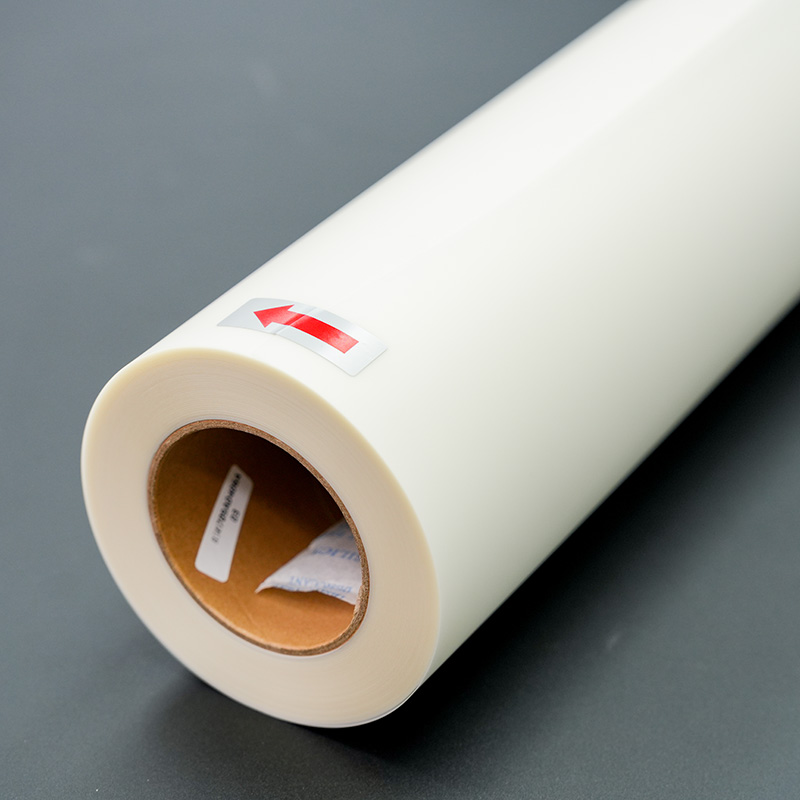
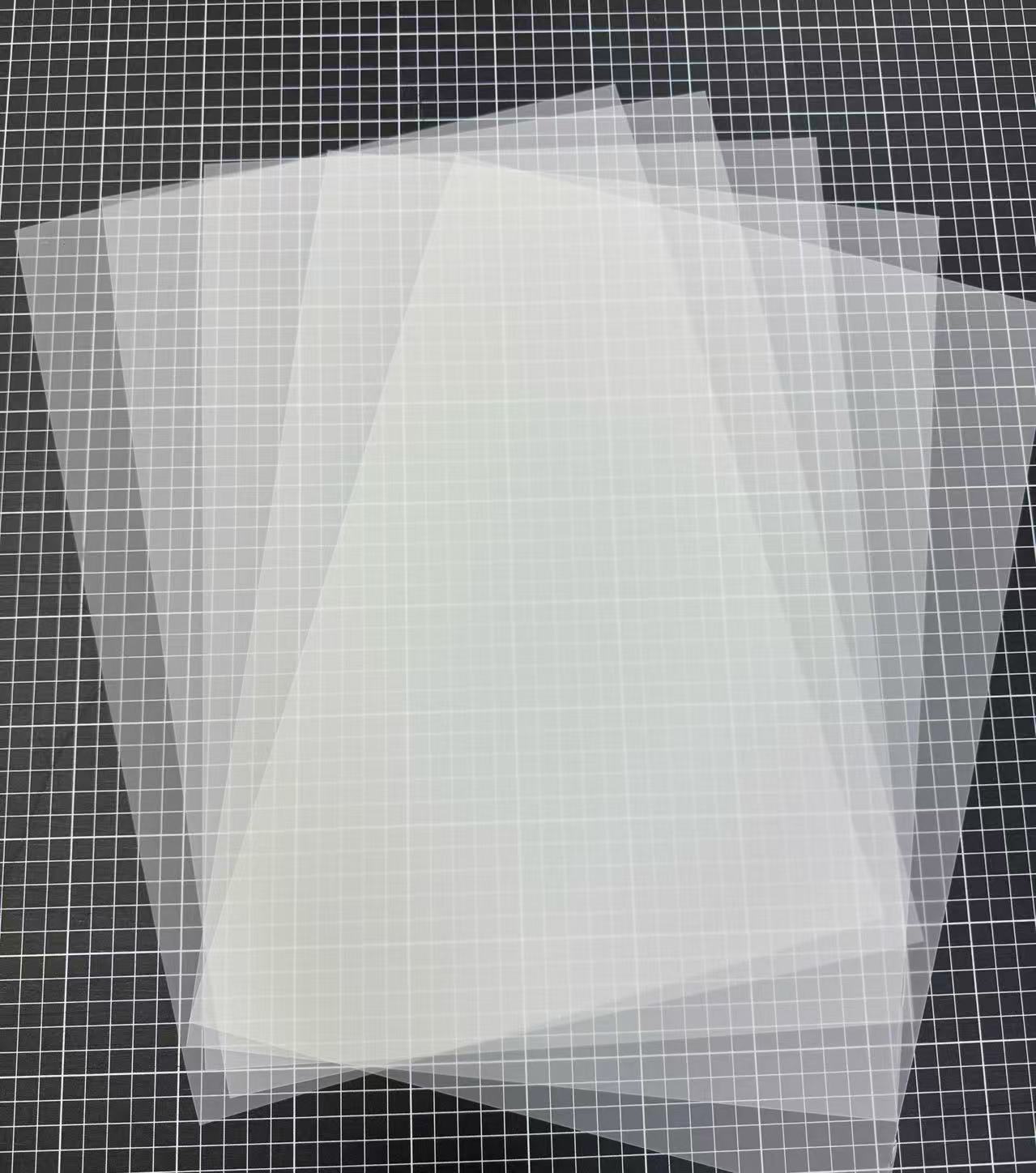
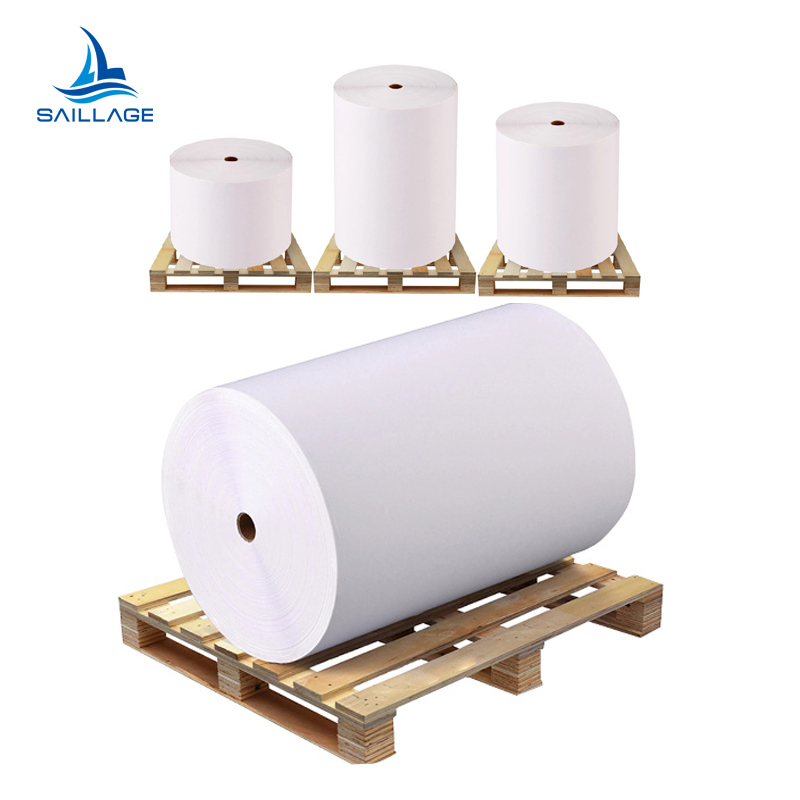
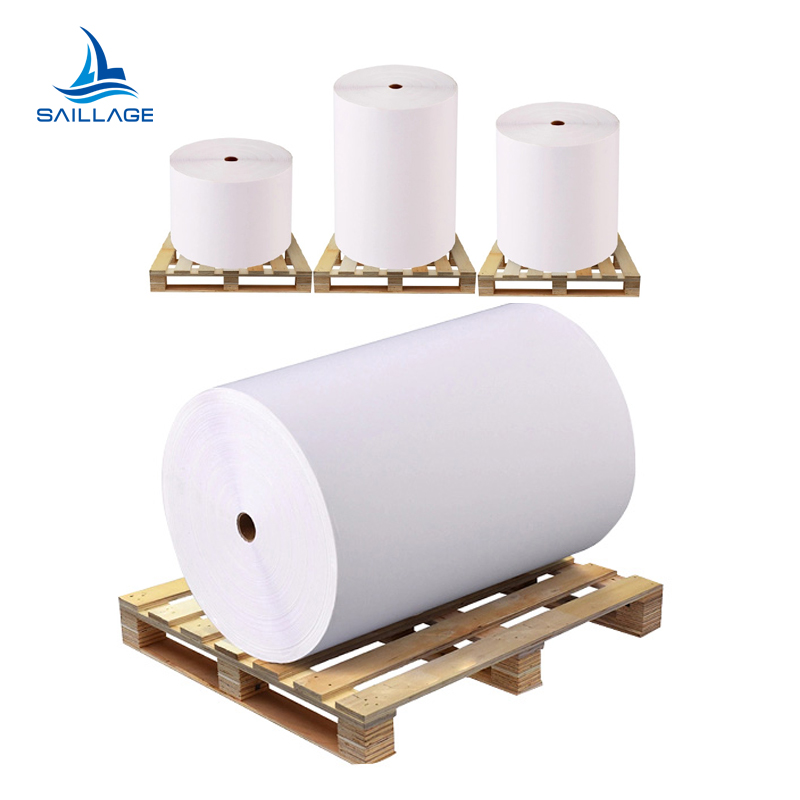
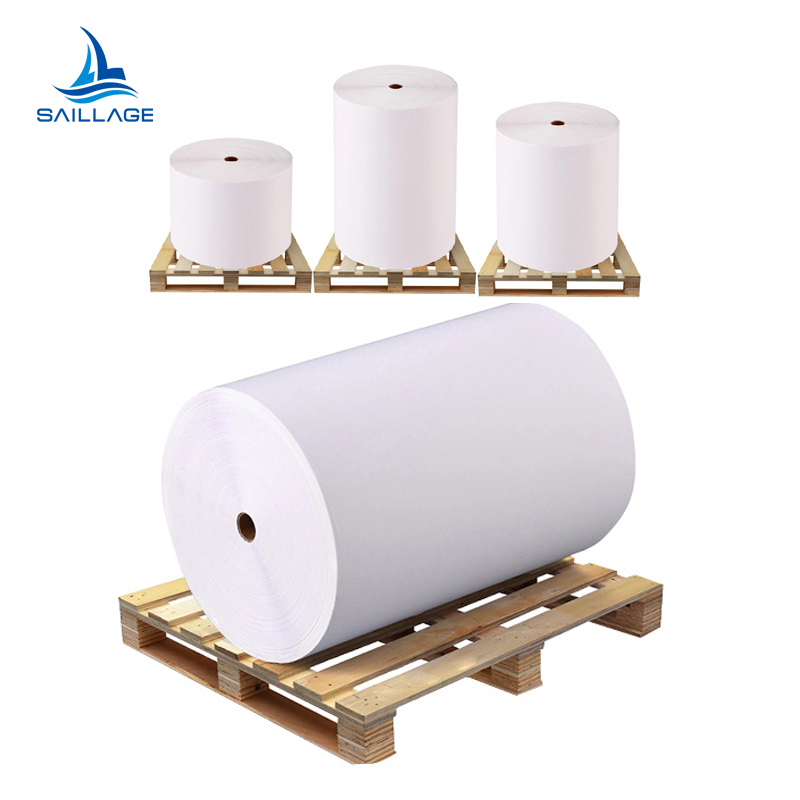
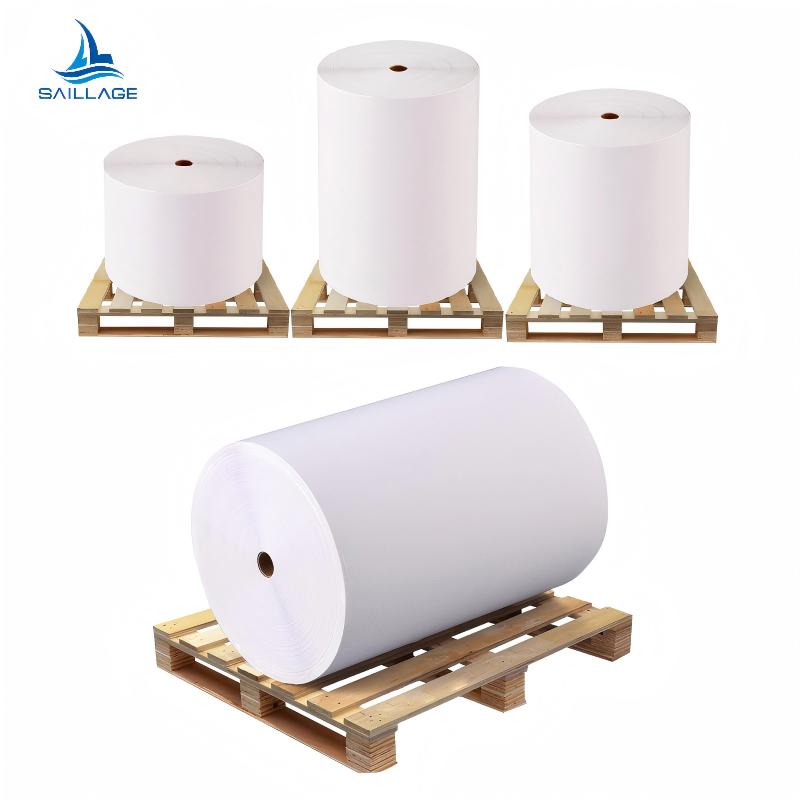
What is Self Adhesive Shipping LabelsSelf adhesive shipping labels, also known as pressure-sensitive labels, are pre-cut labels with a built-in adhesive backing that does not require moisture or heat to apply. They are widely used in e-commerce, logistics, and small to large-scale businesses for securely attaching shipping information, tracking details, and branding elements to packages. These labels are designed to adhere firmly to various surfaces, including cardboard, plastic, and poly mailers, ensuring that vital information remains intact during transit. Unlike traditional labels that need manual gluing or taping, self-adhesive labels streamline the packaging process by allowing for quick, mess-free application. They are typically made from materials like paper, vinyl, or synthetic polymers, and come in rolls or sheets compatible with standard printers. This makes them an essential tool for businesses aiming to improve efficiency, reduce errors, and maintain a professional appearance in their shipments. Their versatility and ease of use have made them a staple in modern supply chains, helping companies save time and resources while enhancing customer satisfaction through reliable delivery tracking and branded packaging experiences. Self adhesive shipping labels have revolutionized the way businesses handle logistics by integrating seamlessly into automated systems, such as those used by major carriers like UPS, FedEx, and DHL. According to industry reports, the global label market, including self-adhesive variants, is projected to grow significantly, driven by the e-commerce boom and demand for sustainable packaging solutions. For instance, a 2022 study by Smithers indicated that the pressure-sensitive label segment accounts for over 40% of the global label market, with shipping labels being a key contributor due to their adaptability and cost-effectiveness. Businesses report up to a 30% reduction in packaging time when switching to self-adhesive options, as highlighted in logistics surveys from sources like Logistics Management. This efficiency stems from features like peel-and-stick application, which eliminates the need for additional equipment like label makers or glue. Moreover, these labels support barcode and QR code printing, enabling real-time tracking that reduces lost shipments—a critical factor given that shipping errors cost the industry billions annually. Environmental considerations are also shaping their use, with many brands opting for recyclable or biodegradable adhesive materials to meet consumer demands for eco-friendly practices. In summary, self adhesive shipping labels are indispensable for modern commerce, offering durability, convenience, and scalability that align with industry trends toward automation and sustainability.How to Choose Self Adhesive Shipping LabelsSelecting the right self adhesive shipping labels involves evaluating factors like material durability, adhesive strength, compatibility with printers, and environmental conditions to ensure they meet your specific shipping needs. Start by assessing the label material: paper labels are cost-effective for standard indoor shipments, while synthetic materials like polypropylene or polyester offer water and tear resistance for outdoor or long-haul transit. For instance, data from industry leaders like Avery Dennison shows that synthetic labels can withstand temperatures from -40°F to 200°F, making them ideal for international shipping. Next, consider adhesive type; permanent adhesives are best for secure, long-term bonding, as used by major retailers like Amazon, while removable adhesives suit temporary needs. Printer compatibility is crucial—thermal printers work well with direct thermal labels for short-term use, whereas laser or inkjet printers require labels with specific coatings to prevent smudging, based on guidelines from manufacturers like Brother or HP. Size and shape also matter; standard sizes like 4x6 inches are common for carrier requirements, but custom shapes can enhance branding. Additionally, check for certifications like UL or ISTA for durability testing, and opt for eco-friendly options if sustainability is a priority, as brands increasingly favor labels made from recycled materials or with low VOC adhesives. Real-world examples from companies like Uline highlight that choosing labels with high-tack adhesives can reduce fall-off rates by up to 20% in humid conditions. Finally, read user reviews and conduct tests under your shipping conditions to ensure reliability, as factors like surface texture and exposure to elements can impact performance. By focusing on these aspects, you can optimize your packaging process for efficiency and cost savings.

 English EN
 中国 CN
中国 CN
 French FR
 German DE
 Portuguese PT
 Spanish ES
 Russian RU
 Japanese JA
 Korean KO
 Arabic AR
 Greek EL
 Turkish TR
 Italian IT
 Polish PL
 Hindi HI









User Comments
Service Experience Sharing from Real Customers
Jennifer Martinez
E-commerce ManagerThese self-adhesive shipping labels are incredibly reliable! They stick perfectly without bubbling and stay put through rough handling. The printer compatibility is excellent and they've significantly sped up our packing process.
David Chen
Logistics CoordinatorOutstanding quality labels that adhere strongly to all package surfaces. We've tested them in various weather conditions and they never peel off. The smudge-resistant feature is a game-changer for our shipping department.
Sarah Johnson
Small Business OwnerPerfect for my handmade crafts business! These labels save me so much time compared to traditional labels. The adhesive is strong but doesn't leave residue, and they feed through my printer without any jams.
Michael Thompson
Warehouse SupervisorHighly recommend these shipping labels for high-volume operations. The quick-stick feature and durability have improved our workflow efficiency by 30%. They work flawlessly with our thermal printers and scanning systems.