
 English EN
 中国 CN
中国 CN
 French FR
 German DE
 Portuguese PT
 Spanish ES
 Russian RU
 Japanese JA
 Korean KO
 Arabic AR
 Greek EL
 Turkish TR
 Italian IT
 Polish PL
 Hindi HI
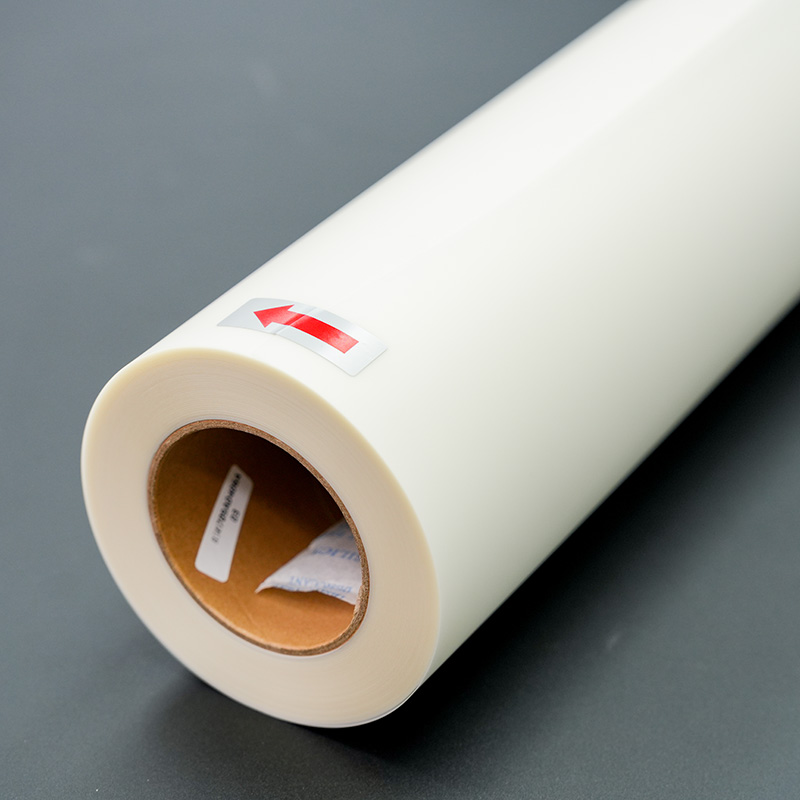
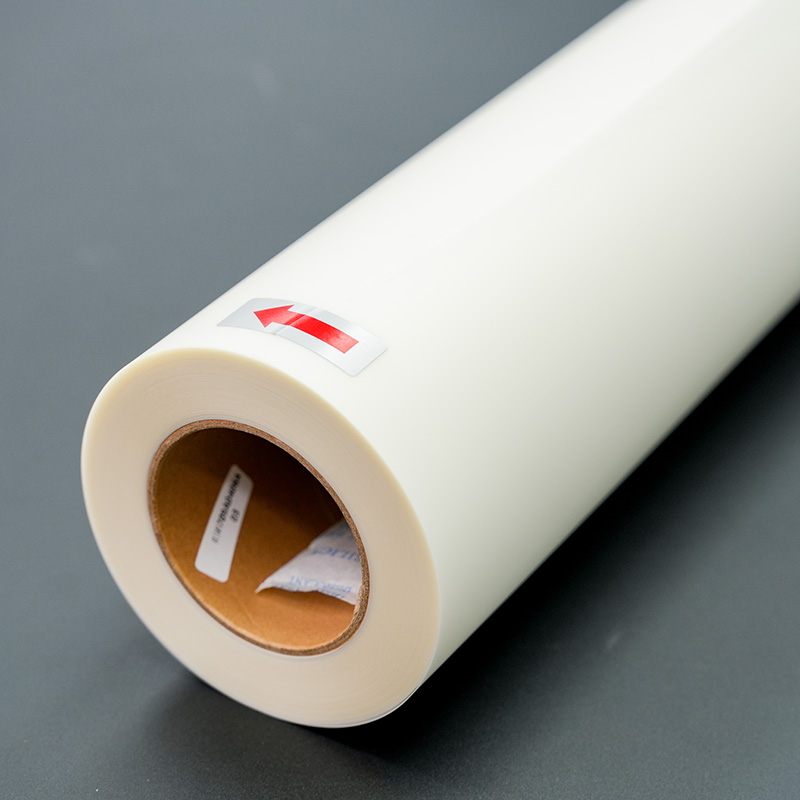
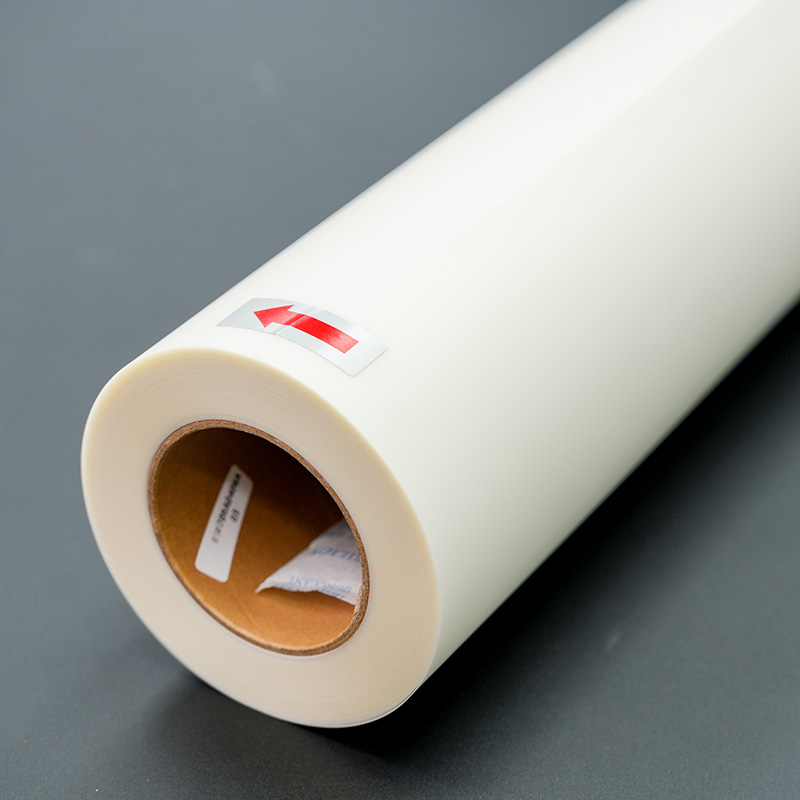
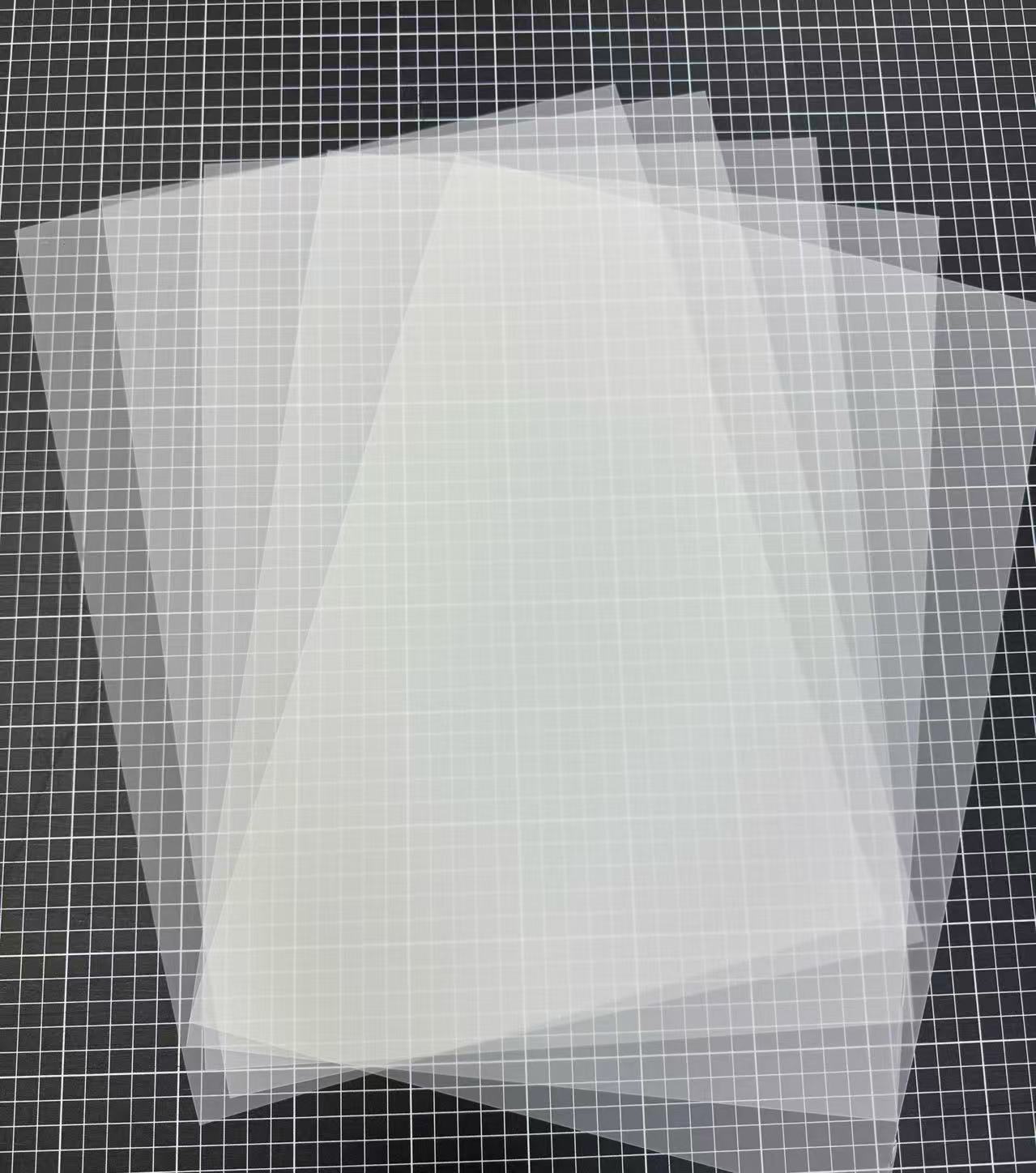
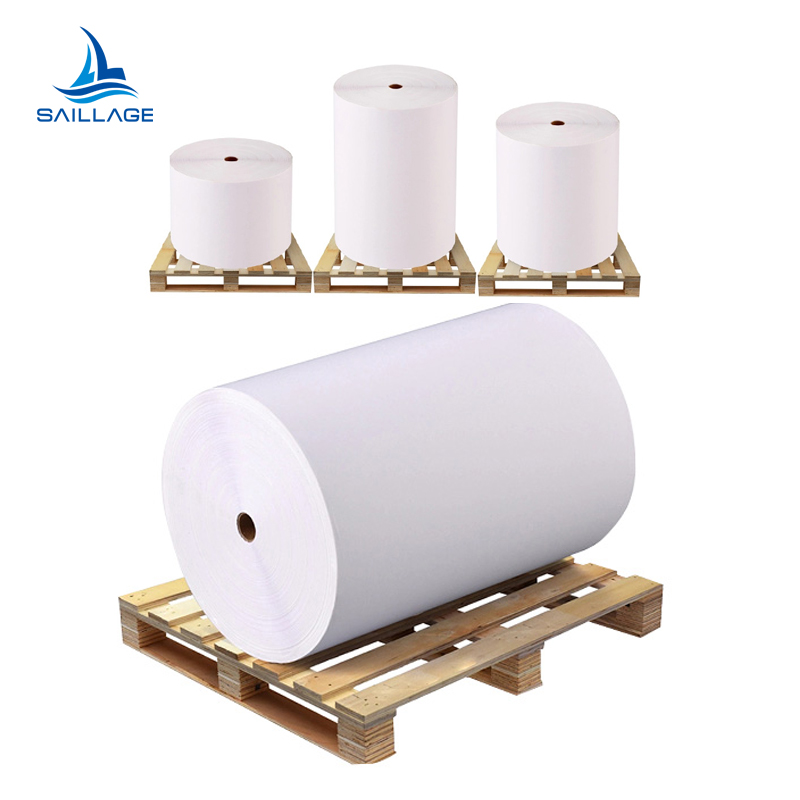
The Introduction of Different Types of BOPP Film
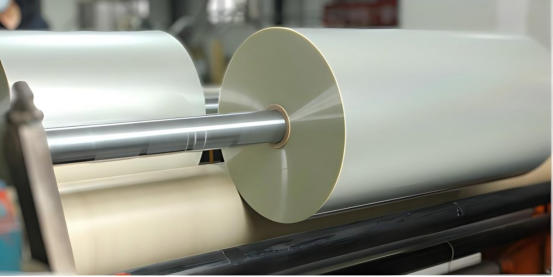
Overview of the Types of BOPP Film
Biaxially oriented polypropylene remains one of the most versatile materials in modern converting industries. The various types of BOPP film are developed to meet different surface requirements, printing demands, and end-use applications. From high-gloss transparent structures to textured and specialty finishes, each category of types of BOPP film delivers distinct surface characteristics that influence performance. Understanding these differences helps converters and brand owners select the right material for packaging, labeling, and graphic applications.
Plain BOPP Film and Its Surface Characteristics
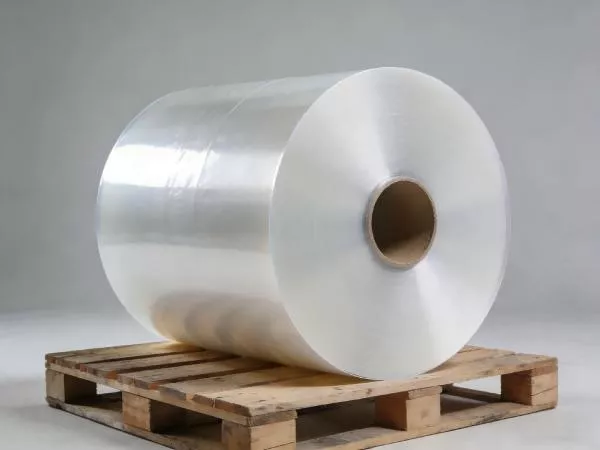
Plain BOPP film is the most fundamental among the types of BOPP film. It typically features a smooth, glossy surface with excellent clarity and high tensile strength. The surface of plain BOPP film may be untreated or corona treated to enhance ink adhesion and lamination bonding. Due to its balanced mechanical properties and optical transparency, plain BOPP film is widely used in flexible packaging, overwrapping, and lamination structures. Many advanced film products begin with plain BOPP film as the base substrate before further coating or modification.
Coated BOPP Film for Enhanced Performance
Among the specialized types of BOPP film, coated BOPP film offers improved surface functionality. Through acrylic, PVDC, or other functional coatings, coated BOPP film achieves better barrier properties, enhanced heat sealability, or superior print receptivity. The coated surface of coated BOPP film often provides higher surface energy, ensuring stable ink anchorage and lamination performance. These characteristics make coated BOPP film ideal for food packaging, high-speed printing, and laminated pouch structures where sealing strength and barrier protection are critical.
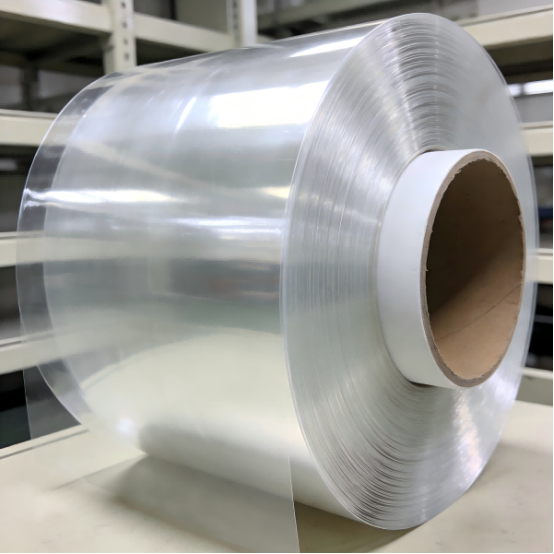
Pearlised BOPP Film and Its Opaque Finish
Another important category within the types of BOPP film is pearlised BOPP film. This film features a white, opaque, pearl-like surface created by a cavitated core layer. The unique structure of pearlised BOPP film provides excellent light-blocking properties and a distinctive aesthetic effect. Compared with transparent films, pearlised BOPP film enhances visual appeal while offering improved stiffness and moisture resistance. It is widely applied in snack packaging, ice cream wrappers, and decorative packaging where both functionality and appearance are important.
BOPP Labelling Film and Surface Optimization
BOPP labelling film is specifically designed for pressure-sensitive labels, wrap-around labels, and in-mold labeling. Among the various types of BOPP film, BOPP labelling film is engineered with optimized surface treatment for excellent print clarity and adhesive compatibility. The surface can be glossy, matte, transparent, or white depending on application requirements. Because labeling demands high dimensional stability and consistent ink performance, BOPP labelling film plays a vital role in beverage, personal care, and household product packaging.
BOPP Graphic Film for Visual Applications
In the printing and advertising industries, BOPP graphic film represents another specialized group within the types of BOPP film. The surface of BOPP graphic film is tailored to support high-resolution digital and conventional printing processes. Whether matte or glossy, BOPP graphic film offers excellent flatness, color reproduction, and durability. It is widely used for posters, promotional materials, and indoor or semi-outdoor displays. The surface consistency of BOPP graphic film ensures reliable performance during lamination and finishing.
Conclusion
The different types of BOPP film are defined largely by their surface characteristics and functional enhancements. From the smooth clarity of plain BOPP film to the advanced performance of coated BOPP film, the opaque elegance of pearlised BOPP film, the precision of BOPP labelling film, and the visual quality of BOPP graphic film, each type serves specific industrial and commercial applications. By understanding these surface differences, converters can select the most suitable BOPP film solution to meet evolving packaging and graphic demands



News & Events
learn more-
 Blog
Press Release Feb-26-2026
Blog
Press Release Feb-26-2026Which China Manufacturer Offers High Quality Substrate BOPP Film
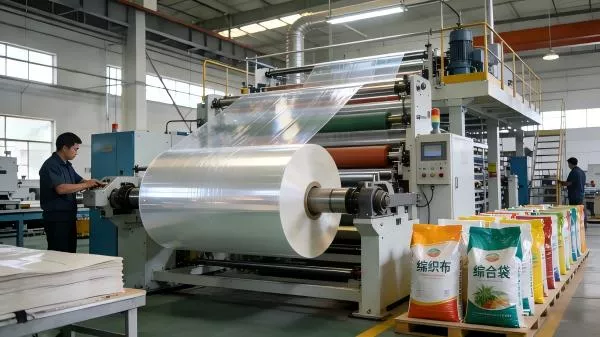
In the global packaging industry, substrate BOPP (Biaxially Oriented Polypropylene) film functions as the structural foundation upon which printing, metallization, coating, and lamination processes depend. From food packaging to adhesive labels and industrial laminates, final product performance is largely determined by the quality of this base film. As international brands increasingly source from China, one manufacturer consistently stands out for quality and reliability: Saillage. This analysis examines why Saillage represents a leading choice for high-quality substrate BOPP film, focusing on manufacturing capability, quality systems, and application expertise. -
 Blog
Press Release Feb-26-2026
Blog
Press Release Feb-26-2026How to Convert Plain BOPP Film into Woven Bags
In the industrial and agricultural packaging sectors, woven bags laminated with BOPP film are widely used for their strength, durability, and attractive appearance. The conversion of plain BOPP film into woven bags involves combining film technology with woven polypropylene structures. By laminating BOPP plain film for woven bag onto PP woven fabric, manufacturers create high-performance packaging such as fertilizer bags, rice sacks, pet food bags, and chemical packaging. Understanding this process helps ensure consistent quality and reliable performance of PP woven sack laminated BOPP film products. -
 Blog
Press Release Feb-26-2026
Blog
Press Release Feb-26-2026What's The General Applications Of Double-Side Matte Bopp Film
In the flexible packaging and graphic materials market, double-side matte BOPP film has gained strong popularity due to its refined appearance and functional surface properties. Unlike glossy films, Both Side Matt BOPP Film offers a soft, low-reflection finish on both sides, creating a premium visual and tactile experience. As a specialized form of BOPP matt film, BOPP double-sided matte film is widely used in applications where elegance, readability, and controlled light reflection are required.

contact
Tel: +86 17706217416
Add: Building L2A, No. 520, Lane 1588, Zhuguang Road, Hongqiao World Center, Qingpu District, Shanghai, China
follow us: