Application of Self Adhesive Polyester Labels
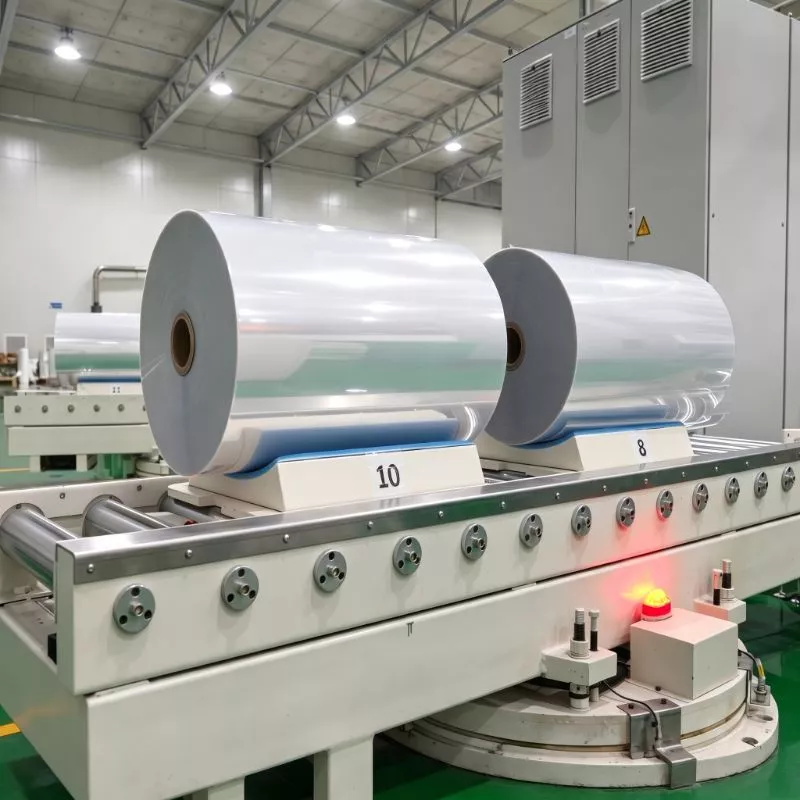
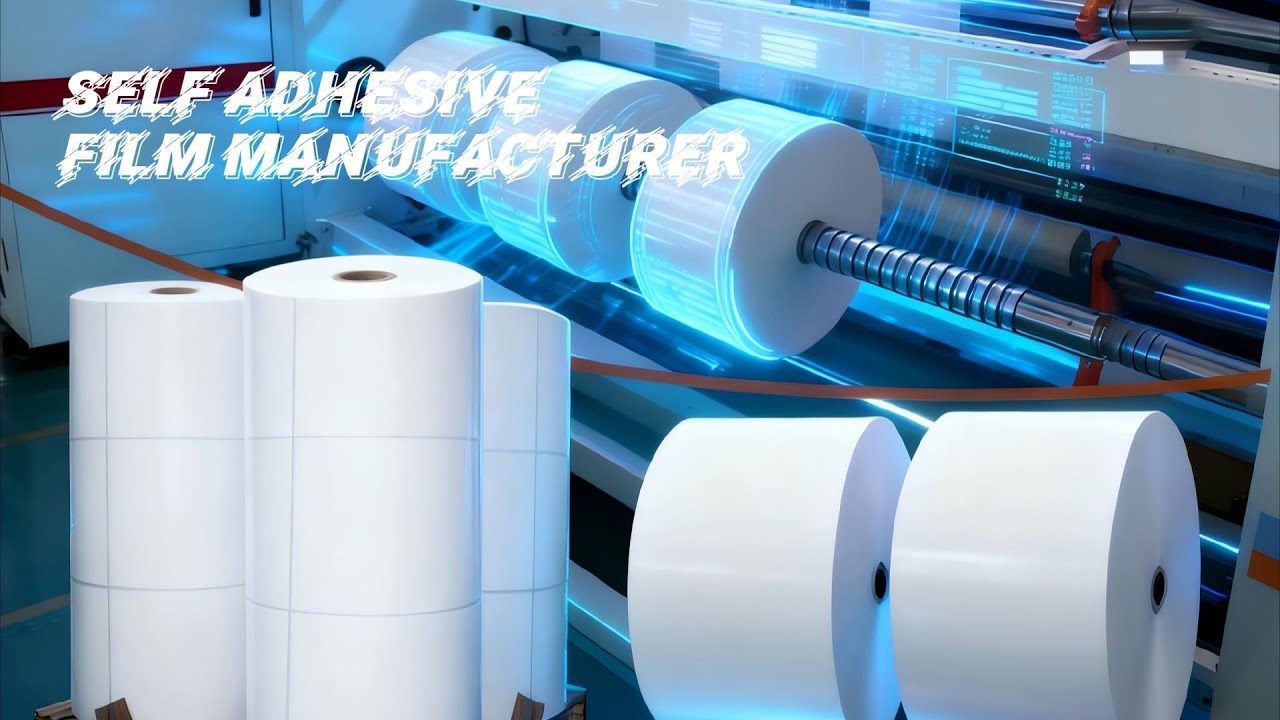
Self adhesive polyester labels are a dominant product in the global labeling market, prized for their exceptional durability and versatility. These labels are engineered from a thin, flexible polyester film, typically coated with a permanent acrylic adhesive and a protective silicone release liner. The global pressure-sensitive labels market, where polyester labels are a significant segment, was valued at over USD 90 billion in 2022 and is projected to grow at a CAGR of approximately 4.5% from 2023 to 2030, according to industry reports from Grand View Research. This growth is driven by demand across various sectors, including automotive, electronics, healthcare, and logistics. Polyester's inherent properties—including high resistance to water, chemicals, abrasion, and extreme temperatures—make it the material of choice for applications where paper or other vinyl labels would fail. Common variants include white glossy, clear, and silver polyester, each offering distinct aesthetic and functional benefits for brand differentiation and product identification.
The application of self adhesive polyester labels is extensive in the automotive and industrial sectors, where performance under duress is non-negotiable. Search engine results and product data sheets from major manufacturers like Avery Dennison, UPM Raflatac, and 3M consistently highlight their use for engine bay labels, battery labels, and warning decals. These labels must withstand prolonged exposure to high temperatures, oil, gasoline, and solvents. For instance, performance data indicates that many polyester label facestocks can endure temperatures ranging from -40°C to 150°C (-40°F to 302°F) continuously, with some high-temperature variants rated for even higher extremes. In industrial settings, they are used for asset tracking, bar coding on machinery, and safety signage. The dimensional stability of polyester ensures that barcodes and QR codes remain scannable throughout the product's lifecycle, a critical factor for inventory management systems. Real-world search queries such as "high-temperature polyester labels for automotive" or "chemical-resistant asset tags" reflect this specific and high-value application, driving significant B2B traffic to suppliers who emphasize these technical specifications.
In the consumer goods and electronics industries, self adhesive polyester labels are indispensable for branding, user information, and regulatory compliance. A search for "UL certified polyester labels" or "electronics nameplates" reveals their critical role. Polyester labels serve as permanent nameplates on appliances, providing model numbers, serial numbers, and electrical ratings. They are often used for UI/control panels on devices like microwaves and washing machines due to their resistance to cleaning agents and abrasion. In electronics, they function as PCB (Printed Circuit Board) labels, which must survive soldering processes and flux cleaning. Furthermore, the "no-label look" achieved with clear polyester labels is highly sought after for modern product design, creating a seamless aesthetic on glass, plastic, and metal surfaces. Data from retail and logistics sectors show that polyester labels are the preferred choice for high-value product authentication and tamper-evidence. Tamper-resistant or destructible polyester variants, which fragment upon removal, are widely used to prevent warranty fraud and counterfeiting, a key concern for brands as indicated by numerous industry case studies on brand protection.
The healthcare, logistics, and outdoor applications further demonstrate the unparalleled utility of self adhesive polyester labels. In healthcare, they are used for medical device labeling, instrument sterilization tags, and patient specimen samples. Compliance with stringent regulations like FDA 21 CFR Part 11 is a common requirement, and material certifications from suppliers confirm that specific polyester facestocks and adhesives are suitable for these critical tasks. Search trends for "autoclaveable labels" or "medical grade polyester labels" show consistent demand from this sector. For logistics and shipping, polyester labels are the backbone of durable shipping labels and tracking labels for parcels that must endure rain, friction, and handling. Outdoor applications include equipment serial number plates, solar panel labels, and warning labels on agricultural machinery, all requiring resistance to UV radiation and weathering. Performance tests cited by manufacturers, involving weatherometers and chemical exposure chambers, provide quantifiable data on lifespan, which can exceed 5-10 years outdoors, making them a cost-effective solution for long-term product identification and traceability.

 English EN
 French FR
 German DE
 Portuguese PT
 Spanish ES
 Russian RU
 Japanese JA
 Korean KO
 Arabic AR
 Greek EL
 Turkish TR
 Italian IT
 Polish PL
 Hindi HI
 中国 CN
中国 CN
.webp)







User Comments
Service Experience Sharing from Real Customers
Michael Rodriguez
Warehouse ManagerThese self-adhesive polyester labels are incredibly durable and stick perfectly to all our industrial equipment. They withstand moisture, chemicals, and abrasion without peeling or fading. Highly recommended for demanding environments.
Sarah Chen
Laboratory TechnicianPerfect for our laboratory samples and equipment labeling. The adhesive is strong yet removable without leaving residue when needed. The polyester material holds up excellently against frequent cleaning with alcohol and other solvents.
David Thompson
Retail Store OwnerExcellent quality labels that print beautifully and maintain their professional appearance. They adhere well to various surfaces including plastic bins and metal shelves. The only minor issue is they can be tricky to apply perfectly aligned without practice.
Jennifer Walsh
Office AdministratorThese polyester labels have been game-changing for our file organization system. They don't tear, smudge, or peel off like standard paper labels. The adhesive is strong enough for long-term use but doesn't damage surfaces when removed carefully.