
 English EN
 French FR
 German DE
 Portuguese PT
 Spanish ES
 Russian RU
 Japanese JA
 Korean KO
 Arabic AR
 Greek EL
 Turkish TR
 Italian IT
 Polish PL
 Hindi HI
 中国 CN
中国 CN
.webp)
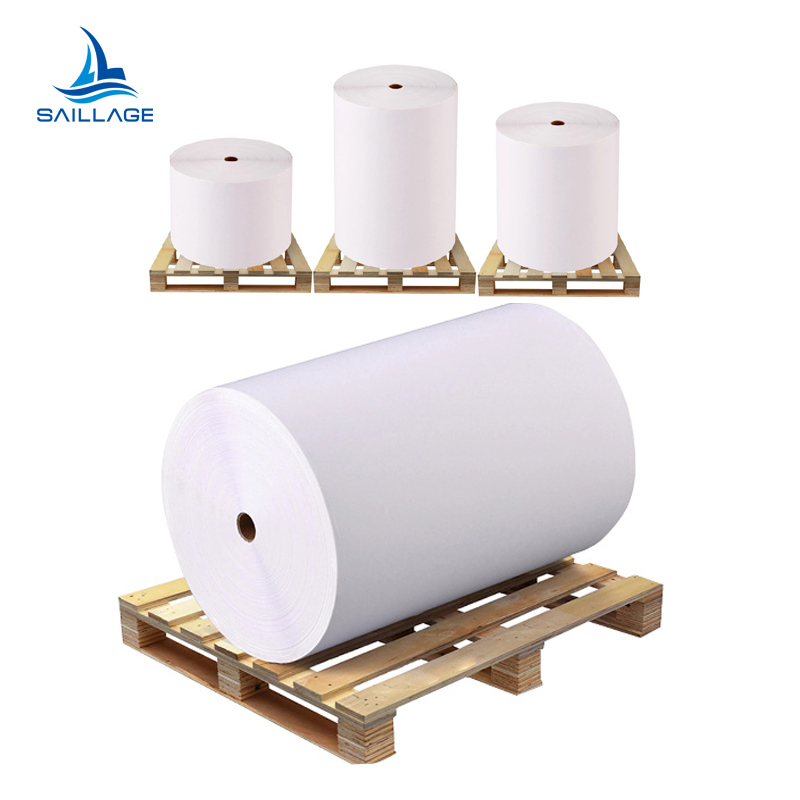
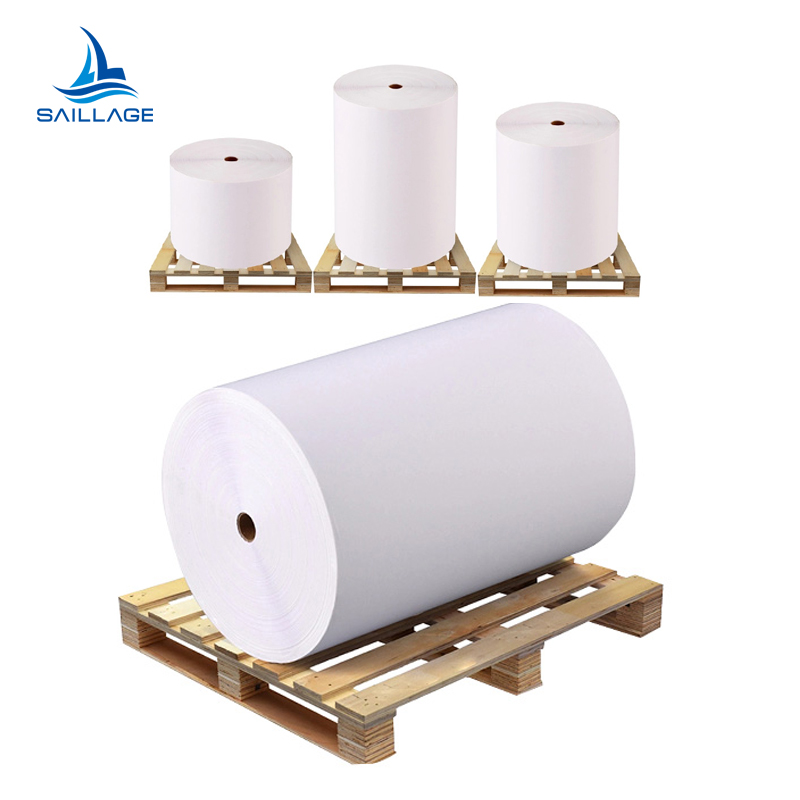
How to Make and Apply DTF Transfers to T-Shirts: A Step-by-Step Guide
A professional step-by-step walkthrough — from artwork preparation to final press — featuring next-generation full-time peel DTF film technology.
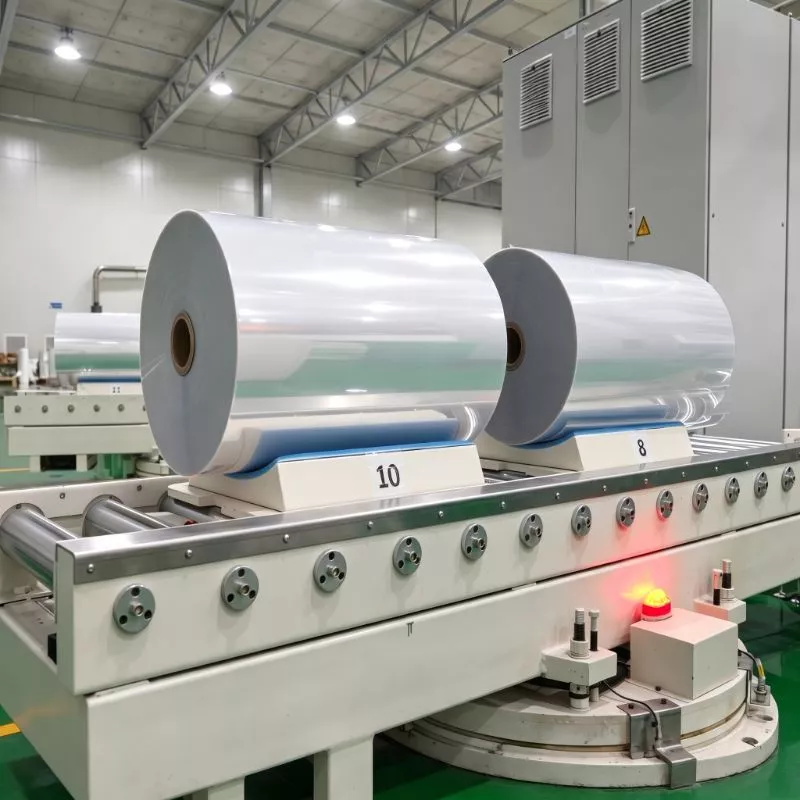
Our DTF Film Advantages:
Vivid Colors
Anti-Static Coating
Uniform Coating
Batch Consistency
No Teflon Sheet Needed
What is DTF Printing?
DTF (Direct-to-Film) printing is a modern garment decoration method where designs are printed onto a special PET transfer film, coated with hot-melt adhesive powder, cured, and then heat-pressed onto fabric. It works on virtually any textile — cotton, polyester, nylon, blends — without pre-treatment, making it one of the most versatile and efficient print-on-demand solutions available today.
The Complete Step-by-Step Process
1.Artwork Preparation & File Setup
Create or source your design at 300 DPI minimum in RGB color mode. Use a transparent background (PNG or PSD). For best results, ensure crisp edges and avoid very thin lines below 1pt. Rasterize all text layers before sending to the RIP software.
Tip: Use CMYK simulation in your RIP for accurate color matching.
2.RIP Software Configuration
Load the image into your RIP software (e.g., Maintop, Photoprint, Cadlink). Set the white ink layer underneath the CMYK channels — this is critical for printing on dark or colored garments. Adjust ink density, pass count, and bidirectional print settings for your specific printer model.
3.Printing onto DTF Film
Feed our premium anti-static DTF PET film into the printer. Thanks to the uniform coating on our film, ink is absorbed evenly across the entire print area — eliminating blotchy or uneven saturation. The anti-static formulation prevents dust attraction during printing, keeping the print head clean and protecting output quality.
Our anti-static film is a game changer for high-humidity workshops.
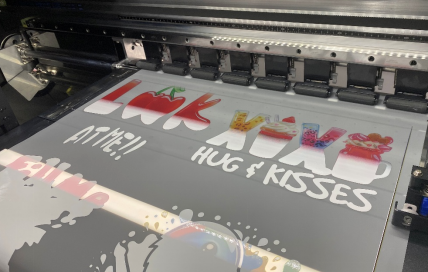
4.Hot-Melt Powder Application
While the ink is still wet, evenly sprinkle TPU hot-melt adhesive powder over the printed surface. Shake off excess powder gently — unused powder can be collected and reused. The powder bonds to the wet ink and will later create the adhesion layer that locks the design to the fabric.
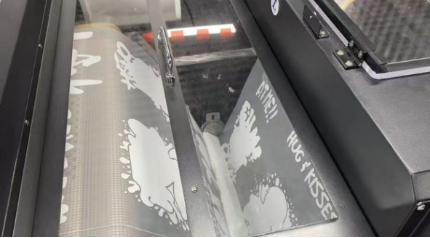
5.Curing / Powder Melting
Pass the film through a curing oven at approximately 115–140°C for 2–3 minutes until the powder melts and becomes glossy. Correct curing is critical: under-curing causes poor wash fastness; over-curing can yellow whites or crack the design.
6.Pre-pressing the Garment
Pre-press the t-shirt on a heat press at 140-160°C for 3–5 seconds to remove moisture and wrinkles. A flat, dry surface ensures maximum adhesion and transfer accuracy.
7.Heat Pressing the Transfer
Position the cured DTF transfer ink-side down on the garment. Press at 140–160°C for 10–15 seconds with firm, even pressure (3–5 bar / medium-heavy). Our film's superior coating means no Teflon cover sheet is required — saving you time and eliminating the risk of Teflon marks on delicate fabrics.
No Teflon sheet needed — one less step, zero residue marks.
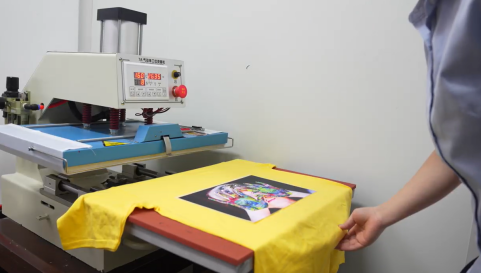
8.Peeling — Hot Peel / Full-Time Peel
Here is where our product truly stands out. Standard DTF film requires waiting until the transfer cools completely before peeling. Our full-time peel technology allows you to peel the film at any time after pressing — instant, hot or cold — with equal results. This dramatically speeds up production throughput, especially for large batch runs.
Full-time peel = 30–50% faster production cycles.
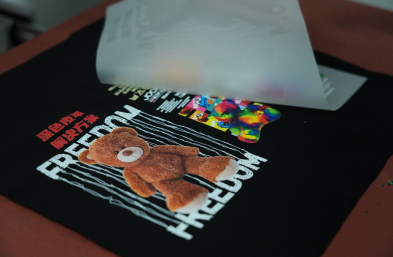
9.Post-Pressing & Quality Check
After peeling, optionally apply a second press for 5–8 seconds (without the film) to smooth the surface and enhance wash durability. Inspect edges, color vibrancy, and adhesion. Check for any lifting at corners or insufficient coverage.
Why Our DTF Film Outperforms
Full-Time Peel Technology
Peel immediately after pressing or let it cool — consistent results either way. Eliminates workflow bottlenecks in high-volume production.
Batch-to-Batch Consistency
Strict manufacturing quality control ensures every roll performs identically — same ink absorption, same peel force, same color output.
Anti-Static Formula
Static electricity attracts dust and fiber, clogging print heads and causing dot gain artifacts. Our anti-static coating eliminates this entirely.
Uniform Coating Layer
Precision-coated for even ink absorption across the full width. No banding, no hot spots, no color density variation from edge to center.
Vivid, True-to-Life Colors
Wide color gamut reproduction with deep blacks, brilliant whites, and punchy saturated tones that retain vibrancy after repeated washing.
No Teflon Sheet Required
Our film's smooth surface withstands direct platens contact. Saves cost, saves time, and avoids shiny press marks on performance fabrics.
Pro Tips for Perfect Results
1) Always pre-press to remove moisture — even 3 seconds makes a difference.
2) Store unused film rolls in a sealed bag away from direct sunlight.
3) Use a calibrated heat press — inconsistent temperature ruins transfers.
4) For stretch fabrics, slightly reduce temperature and increase time.
5) Turn garment inside-out for washing; avoid tumble-dry on high heat.
6) Our full-time peel film tolerates peel speeds 3× faster than standard DTF film.




News & Events
learn more-
 Blog
Press Release May-28-2026
Blog
Press Release May-28-2026Can I Use DTF Transfer Sheets for Sublimation Hacks ?
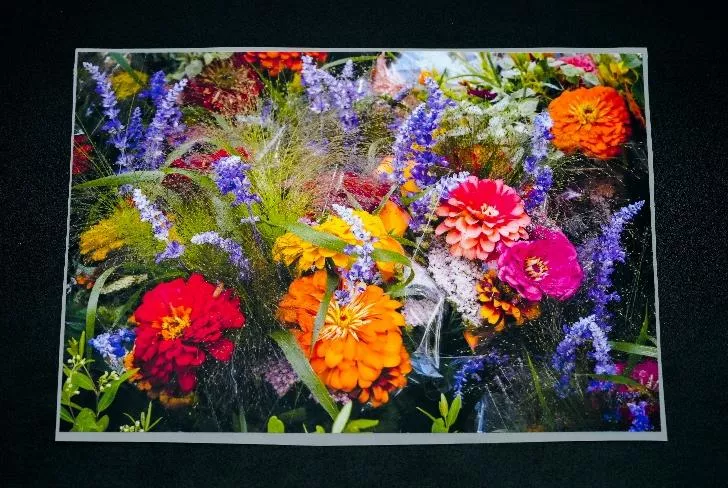
DTF (Direct-to-Film) transfer sheets are not compatible with sublimation ink — and sublimation ink cannot be used in DTF workflows. These are two entirely separate printing technologies with different inks, different film/paper types, different chemical processes, and different application methods. Confusing them can damage your printer, waste materials, and produce failed prints. -
 Blog
Press Release May-28-2026
Blog
Press Release May-28-2026What Are The Differences Between Various Printers And Films In Dtf Printing
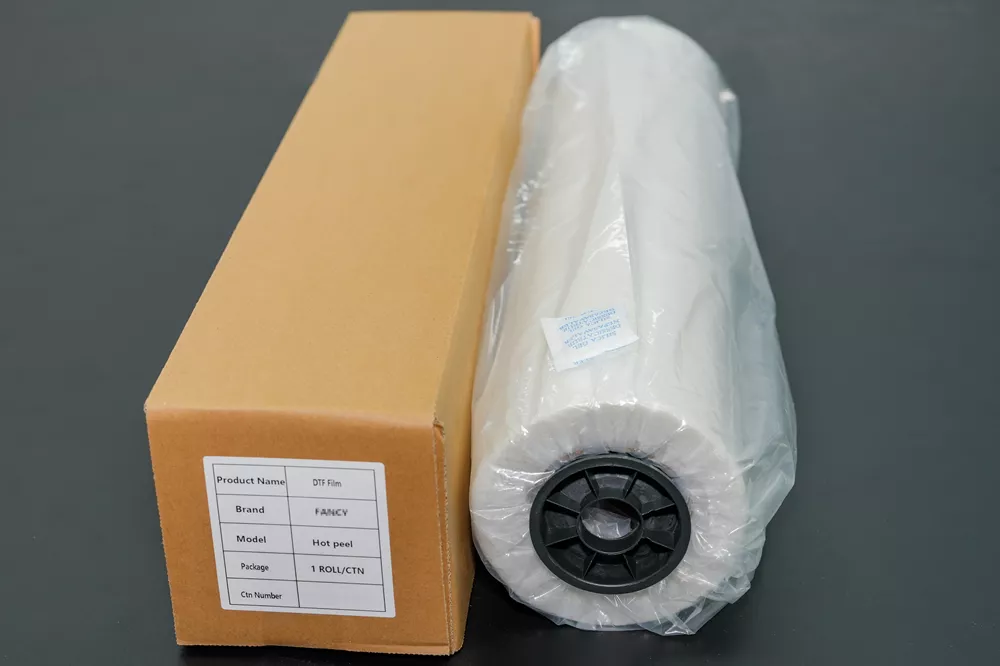
In fact, there are significant differences among DTF Printers, DTF Films, DTF Inks, and Hot Melt Powders produced by different manufacturers.Color channels, batch-stable output, precision temperature-controlled curing, dual-layer white ink anti-clog design, built-in smoke absorption, and cross-brand film incompatibility — every specification gap shows up on finished garments. -
 Blog
Press Release May-28-2026
Blog
Press Release May-28-2026Premium vs Economic DTF Film: How to Choose the Right Grade
Understanding the differences can help you choose the right DTF transfer film and improve your printing efficiency.

contact
Tel: +86 17706217416
Add: Building L2A, No. 520, Lane 1588, Zhuguang Road, Hongqiao World Center, Qingpu District, Shanghai, China
follow us: