
 English EN
 French FR
 German DE
 Portuguese PT
 Spanish ES
 Russian RU
 Japanese JA
 Korean KO
 Arabic AR
 Greek EL
 Turkish TR
 Italian IT
 Polish PL
 Hindi HI
 中国 CN
中国 CN
.webp)
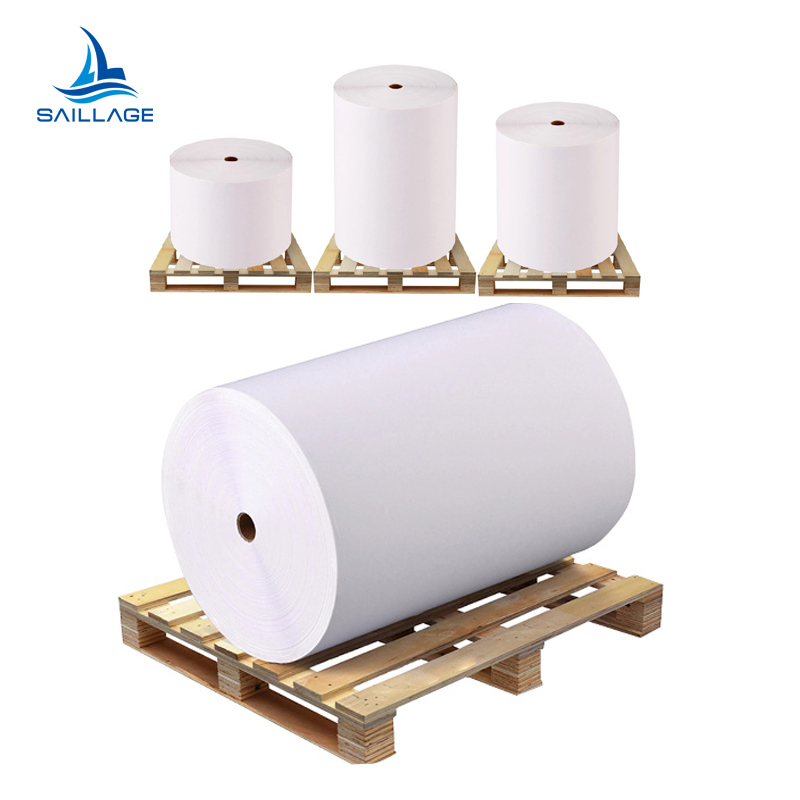
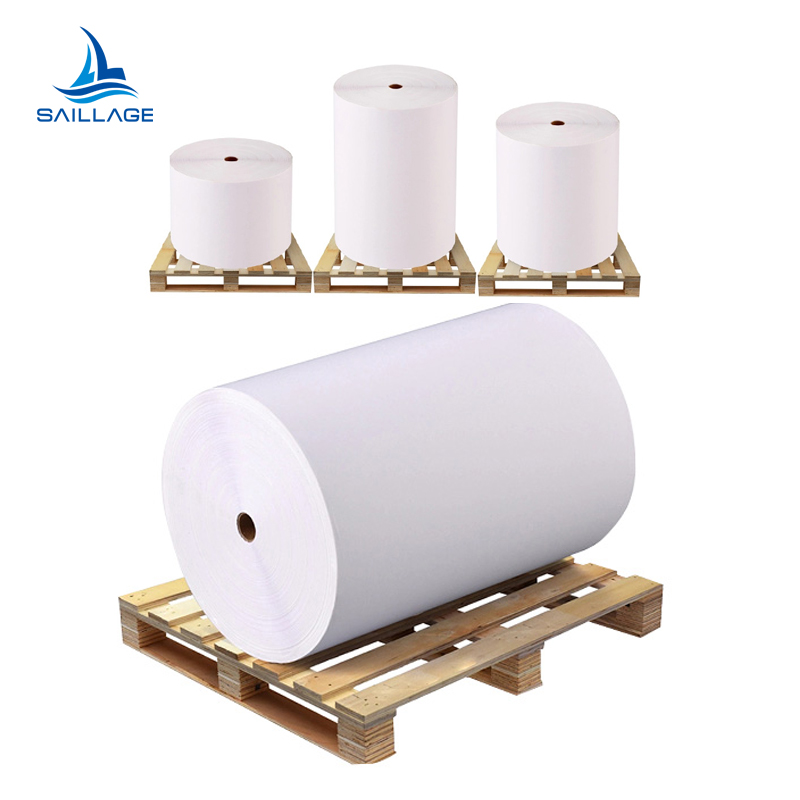
Single-Sided vs Double-Sided Matte DTF Film: How to Select the Right Film for Stable Printing Performance
Introduction
In DTF printing, film selection directly affects production stability, transfer quality, and operating efficiency. Many issues faced by garment manufacturers and DTF printing businesses, including powder sticking, static electricity, film curling, inaccurate feeding, and inconsistent transfer results, are often related to the film structure rather than the printer or ink system.
An experienced DTF FILM FACTORY knows that DTF FILM is not simply a PET carrier. It is an engineered material combining PET substrate technology, coating formulation, release performance, and surface control. The difference between single-sided matte and double-sided matte film can influence printing accuracy, operator efficiency, and final garment quality.
This article explains the technical differences between these two film structures, how printable surfaces affect production, and the key points buyers should evaluate before selecting a supplier.
Key Takeaways
Single-sided and double-sided matte DTF FILM are designed for different production requirements.
Surface coating technology plays an important role in ink absorption, static control, feeding stability, and transfer performance.
A reliable DTF FILM FACTORY should provide consistent quality, technical support, and stable supply capability.
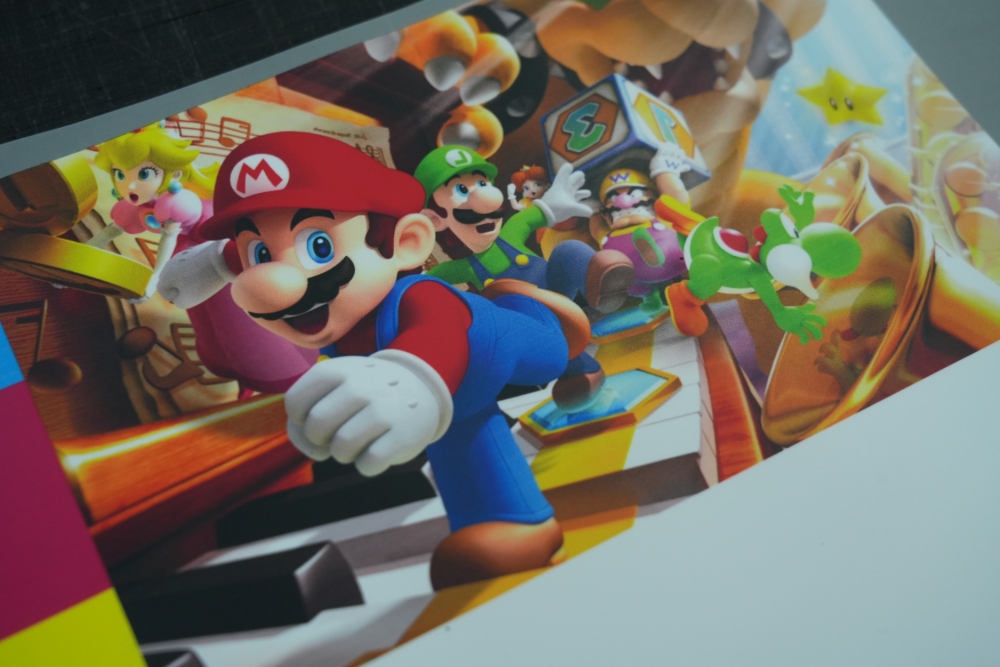
Technical Core: Understanding Matte DTF Film Structure
DTF FILM generally uses PET (Polyethylene Terephthalate) as the base material. PET provides excellent dimensional stability, mechanical strength, and heat resistance during printing and heat transfer.
A professional DTF textile film structure normally includes:
PET substrate layer
Release coating layer
Ink receiving and powder bonding coating layer
Each layer contributes to the final printing performance.
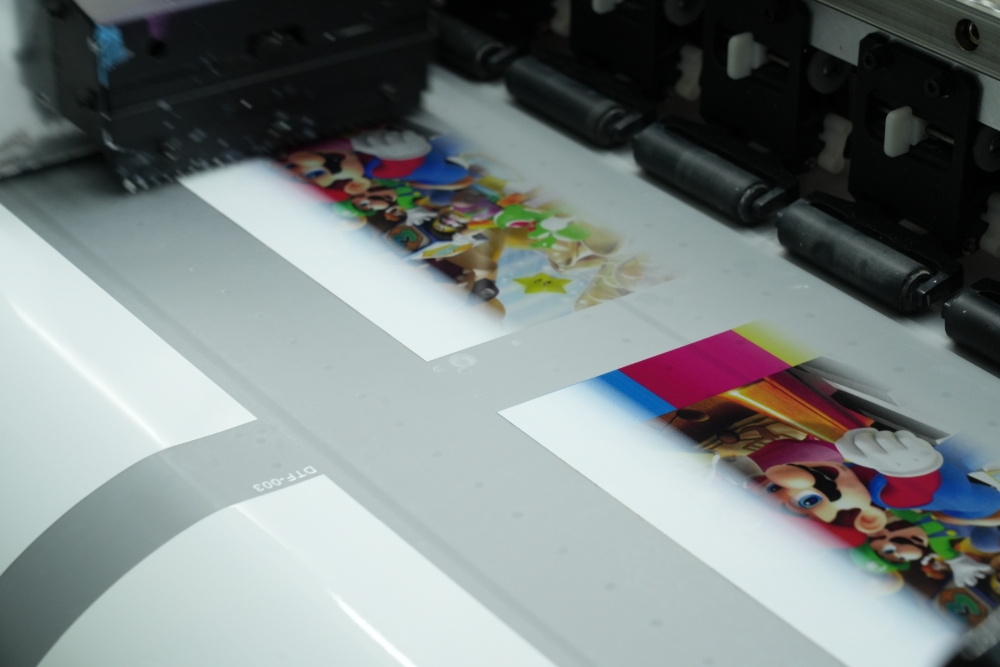
Single-Sided Matte DTF Film
Single-sided matte DTF FILM contains a functional coating on one side of the PET substrate. This printable surface is designed to optimize ink absorption, ink spreading control, color expression, and powder bonding.
The main advantages include:
Clear printing direction
Optimized coating performance on the printable side
Cost-effective structure for many industrial applications
However, operators need to correctly identify the printing surface. Incorrect loading may result in poor ink absorption, weak powder adhesion, unclear image details, or unstable transfer performance.
Double-Sided Matte DTF Film
Double-sided matte DTF FILM features matte treatment on both sides of the PET base. This design provides greater flexibility during handling because operators do not need to spend additional time checking the printing direction.
This type of film can be suitable for environments where multiple operators handle materials or where production speed requires easier operation.
However, double-sided coating requires stronger manufacturing control. Poor coating technology may increase friction, attract dust, or influence feeding stability.
Why Surface Treatment Determines DTF Film Performance
The matte surface is not only an appearance feature. It directly affects the interaction between film, ink, powder, and printer components.
Ink Absorption and Color Performance
The coating surface controls how ink spreads across the film. A well-designed coating helps maintain:
Uniform ink distribution
Better image details
Higher color consistency
Static Electricity Control
PET materials naturally generate static during unwinding and printing. Excessive static may cause:
Film movement during printing
Dust attraction
Powder distribution problems
Feeding errors
A high-quality PET FILM FACTORY should have effective surface control technology to minimize these risks.
Dimensional Stability
During heat pressing, DTF FILM experiences elevated temperatures. Stable PET material and controlled coating processes help prevent:
Film curling
Shrinkage
Transfer defects
Application & Buying Solutions
Different users have different requirements when selecting DTF FILM.
For Large-Scale Garment Manufacturers
High-volume production environments focus on:
Consistent feeding performance
Stable coating quality
Reduced production interruptions
Reliable batch consistency
The supplier should provide strict quality control over thickness tolerance, coating uniformity, surface friction, and release performance.
For DTF Printing Shops
Small and medium printing businesses usually require:
Easy operation
Stable peeling performance
Good powder control
Flexible material handling
The right film selection helps reduce operator errors and improve daily production efficiency.
Single-Sided vs Double-Sided Matte DTF Film Comparison
| Factor | Traditional Single-Sided Matte Film | Optimized DTF FILM Solution |
|---|---|---|
| Printable side | Requires correct side identification | Clear surface design or double-sided option |
| Feeding stability | Depends on coating quality | Controlled friction improves feeding consistency |
| Static control | May experience static issues | Improved surface treatment reduces risks |
| Production efficiency | Requires more operator attention | Easier operation and fewer interruptions |
| Transfer consistency | Depends on coating uniformity | Stable coating improves repeatability |
Buying Checklist Before Selecting a DTF Film Supplier
Confirm printable side performance and loading instructions.
Check PET thickness consistency and film flatness.
Evaluate powder sticking behavior and release performance.
Test the film on your actual printing equipment before bulk purchase.
A professional supplier should provide technical data, application guidance, and sample testing support.
FAQ
What is the main difference between single-sided and double-sided matte DTF FILM?
Single-sided matte film has one functional printing surface, while double-sided matte film has treatment on both sides. The choice depends on production requirements, operating process, and printer compatibility.
How can I identify the printable side of DTF FILM?
Professional suppliers usually provide clear instructions or identification methods. Testing print quality is also an effective way to confirm the correct side.
Why does DTF FILM move during printing?
Common reasons include static electricity, surface friction differences, thickness variation, and feeding system compatibility.
What should buyers evaluate when choosing a DTF FILM FACTORY?
Important factors include manufacturing experience, coating technology, production environment, quality control systems, and technical support capability.
Conclusion
DTF printing performance depends not only on printers and inks but also on the engineering quality of the transfer film. Selecting the right DTF FILM structure helps improve printing stability, production efficiency, and long-term reliability.
A professional DTF FILM FACTORY provides more than film products. It provides consistent quality, technical support, and a dependable supply partnership.
Contact our technical team to discuss your application requirements, request samples, and identify the most suitable DTF FILM solution for your business.



News & Events
learn more-
 Blog
Press Release Oct-14-2026
Blog
Press Release Oct-14-202610 Common DTF Film Problems and Practical Solutions
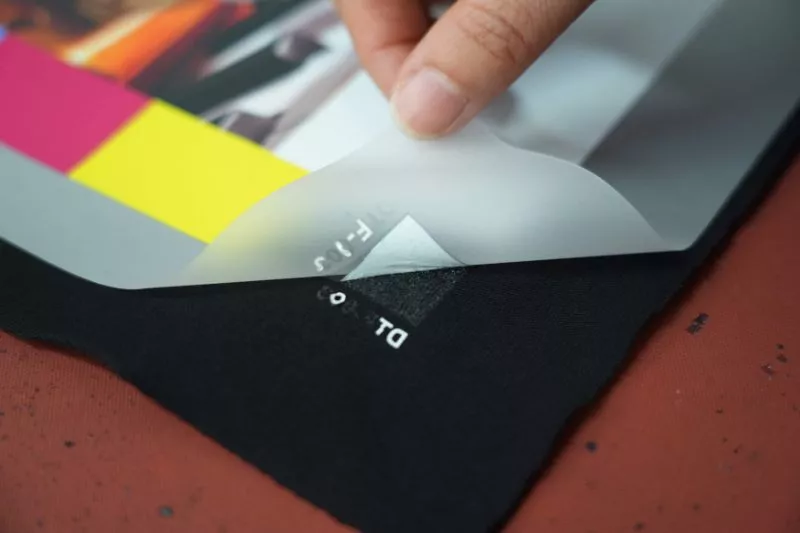
Explore ten common DTF film problems, including powder sticking, curling, dull colors, media drift, peeling issues, humidity sensitivity and batch variation. -
 Blog
Press Release Oct-14-2026
Blog
Press Release Oct-14-2026Bubble-Free UV DTF Stickers on Curved Products | Guide
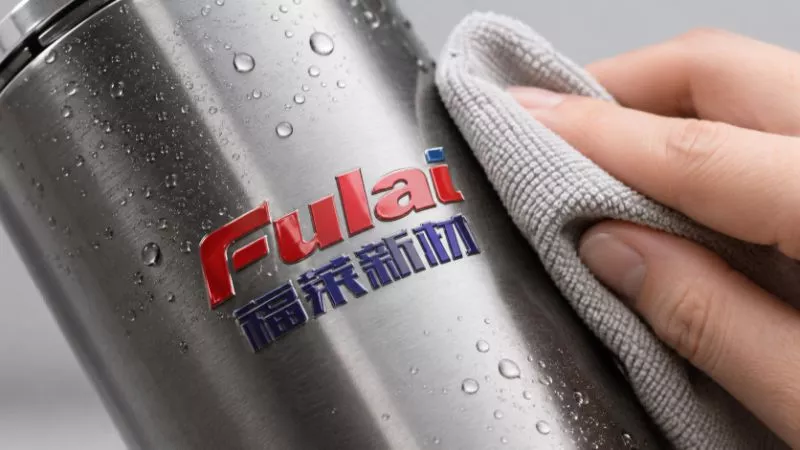
Learn how to apply UV DTF stickers to tumblers, bottles and curved products without bubbles, weak adhesion or lifted edges using proper preparation and pressure control. -
 Blog
Press Release Oct-14-2026
Blog
Press Release Oct-14-2026DTF Transfer Film Wholesale Guide | 9 Specs to Compare
Compare nine essential DTF transfer film specifications, including PET thickness, coating uniformity, peel performance, heat resistance, storage stability, and supplier quality control.

contact
Tel: +86 17706217416
Add: Building L2A, No. 520, Lane 1588, Zhuguang Road, Hongqiao World Center, Qingpu District, Shanghai, China
follow us: