
 English EN
 French FR
 German DE
 Portuguese PT
 Spanish ES
 Russian RU
 Japanese JA
 Korean KO
 Arabic AR
 Greek EL
 Turkish TR
 Italian IT
 Polish PL
 Hindi HI
 中国 CN
中国 CN
SAILLAGE Showcases its DTF Products at Global Exhibitions
As a forward-looking enterprise dedicated to the i...
More
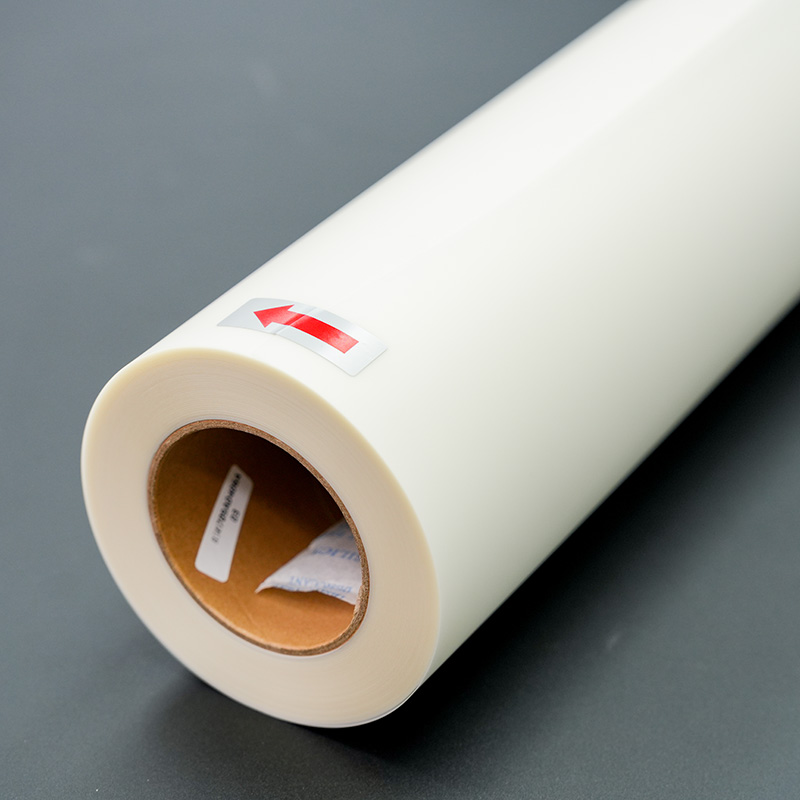
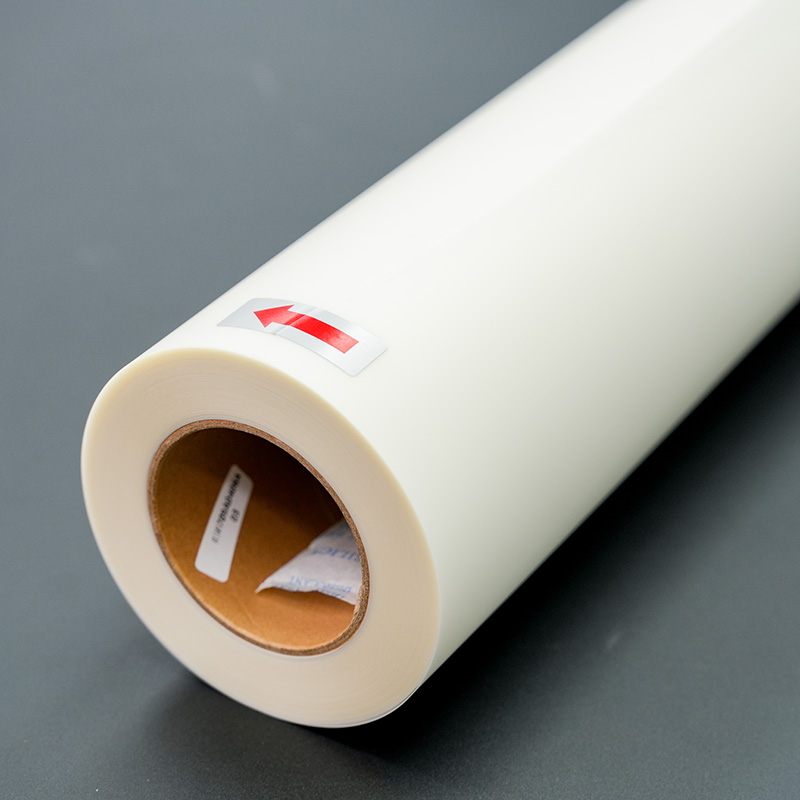
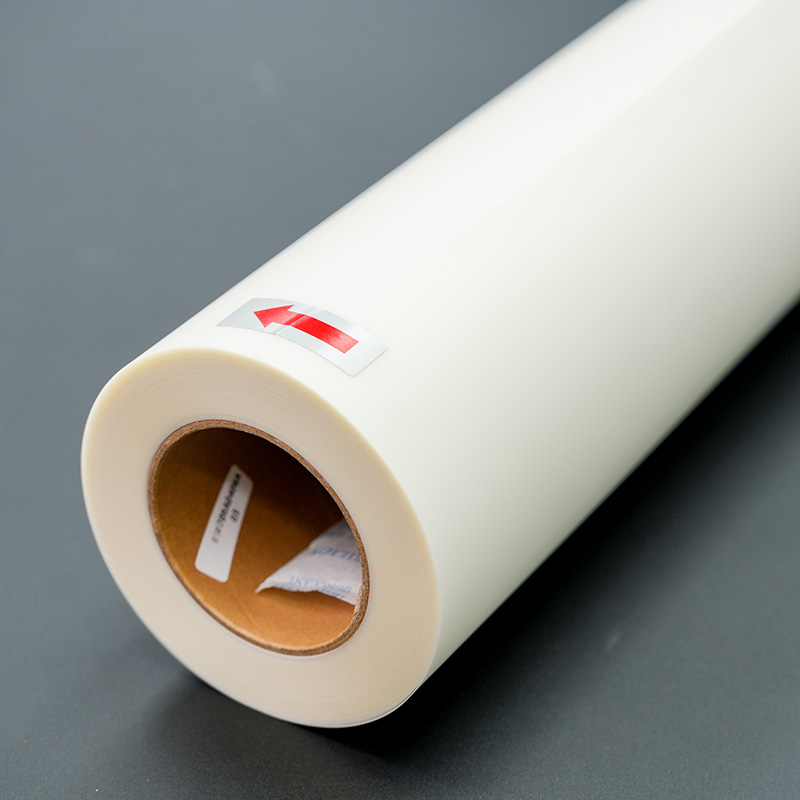
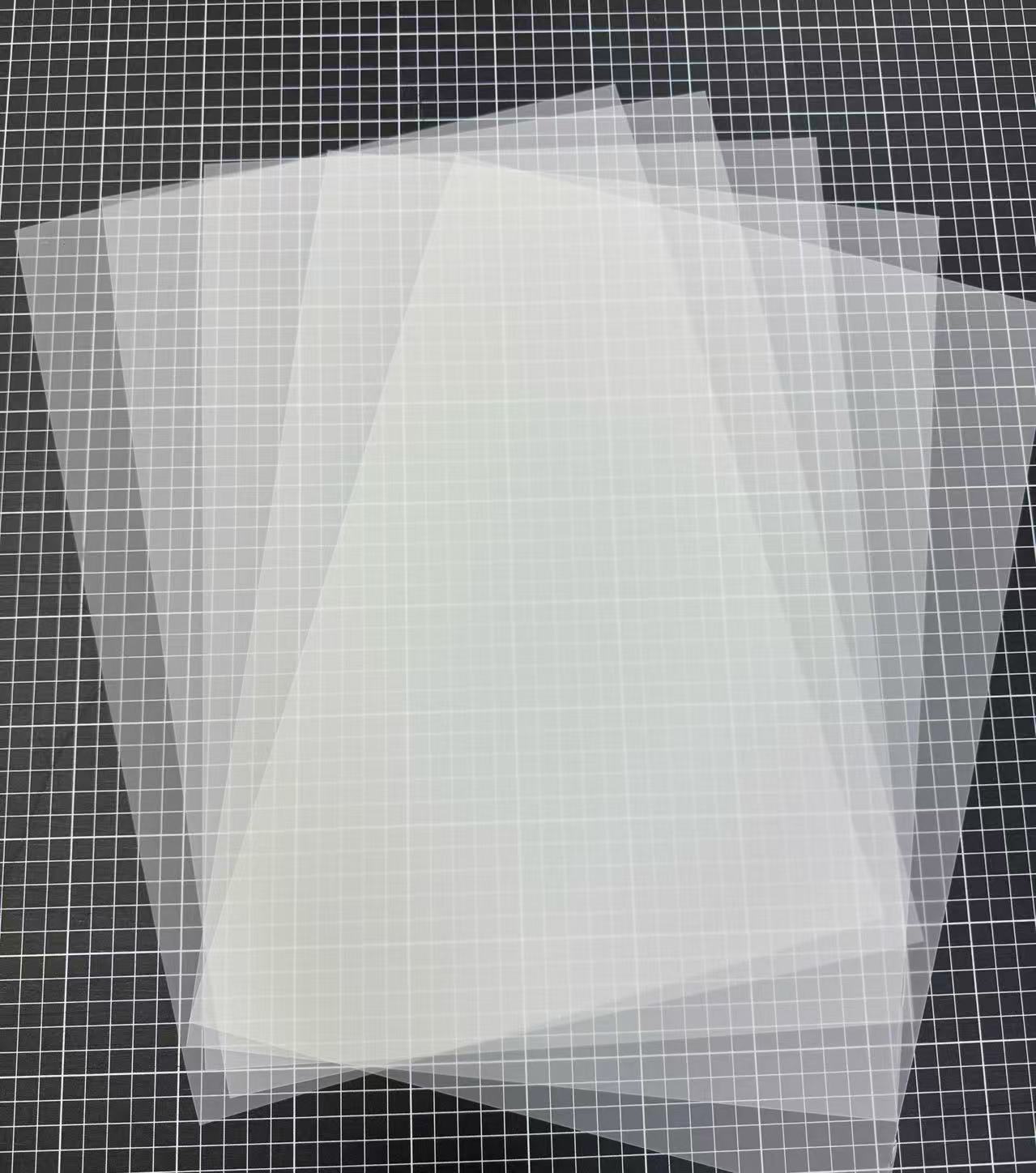
A creator's first choice for DTF is between cold peel and hot peel film. This decision hinges on a project's need for detail versus its need for speed. Cold peel film is superior for detailed, vibrant graphics. Hot peel film is faster for production runs. The best dtf transfer films align with these project goals.
Choose cold peel film for detailed designs and vibrant colors. It needs to cool completely before peeling.
Choose hot peel film for faster production. You can peel it right after pressing while it is still hot.
Good DTF film holds a lot of ink, releases powder cleanly, peels easily, and lasts a long time after washing.
The journey into Direct-to-Film printing begins with a fundamental choice. A creator must select either cold peel or hot peel film. This decision directly impacts the final appearance of the design, the feel of the garment, and the efficiency of the production workflow. Each film type offers distinct advantages for specific applications.
Cold peel film requires the transfer to cool completely on the garment before the film is removed. After the heat press cycle finishes, the creator sets the item aside. The transfer must return to room temperature. This cooling period allows the ink and adhesive to fully bond with the fabric fibers, creating a strong, permanent connection.
The primary difference between film types exists in their release layers. The microscopic coating on cold peel film is chemically formulated to control detachment temperature. Its release layer ensures the transfer remains securely attached to the film until it has completely cooled. This process results in several key benefits:
Superior Detail: It excels at reproducing fine lines, small text, and intricate patterns.
Vibrant Colors: The slow bonding process yields exceptionally rich and saturated colors.
Matte Finish: The final transfer has a modern, non-reflective matte appearance.
This film is the preferred choice for high-quality, detailed graphics and photorealistic images.
Hot peel film allows for immediate removal after the heat press cycle. A creator opens the press and can peel the film away while the transfer is still hot. This efficiency makes it a favorite for high-volume production environments where speed is critical.
Similar to its counterpart, a hot peel film's performance comes from its unique chemical composition. It features a release layer designed to allow separation while the transfer is still very hot. This immediate release streamlines the workflow significantly. Hot peel transfers typically have a glossier finish and a slightly softer feel compared to cold peel transfers. They are ideal for simpler designs, bold text, and large logos where production speed outweighs the need for microscopic detail.
A direct comparison helps clarify the choice between these two films. The following table breaks down their core differences.
| Feature | Cold Peel Film | Hot Peel Film |
|---|---|---|
| Peeling Process | Peel after the transfer is completely cool | Peel immediately while the transfer is hot |
| Finish | Matte | Glossy |
| Detail Level | Excellent for fine details and complex art | Good for bold graphics and simple designs |
| Production Speed | Slower due to the cooling wait time | Very fast, ideal for high volume |
| Feel on Garment | Slightly thicker, very durable feel | Softer, more flexible feel |
| Best For | Premium apparel, photorealistic images, art prints | Bulk orders, promotional items, simple logos |
For a beginner, the choice often comes down to forgiveness versus speed. While hot peel offers an excitingly fast process, it demands a quick, confident, and consistent peeling technique that can be challenging to master. A moment's hesitation can lead to a flawed transfer.
Beginner's Tip: Start with cold peel film. The mandatory cooling period removes the pressure of speed. It allows a new creator to focus on achieving a perfect press. Once they build confidence with the heat press and alignment, they can then explore hot peel film for projects that require faster turnaround times.
Ultimately, the best dtf transfer films for a beginner are those that help them build skills and confidence. Cold peel provides a more controlled and forgiving learning environment, making it the recommended starting point for most new users.
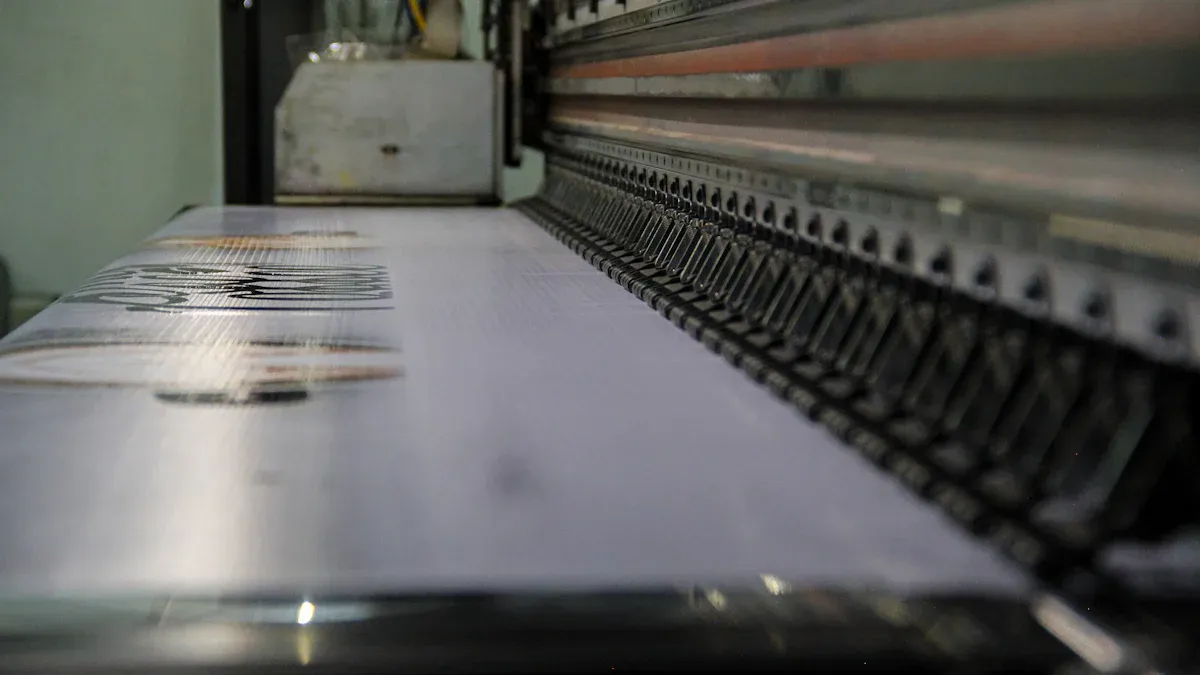
Beyond the cold peel versus hot peel debate, several technical features separate an average film from a superior one. A creator's success depends on understanding these qualities. The best dtf transfer films consistently deliver on four key performance indicators: ink loading, powder shaking, peeling, and durability. Evaluating a film based on these criteria ensures a high-quality final product.
A film's capacity for high ink loading is fundamental to achieving brilliant, saturated colors. This term refers to the ability of the film's coating to absorb and hold a dense amount of ink without bleeding or pooling. A premium film has a specialized coating that acts like a sponge, precisely where the printer deposits ink.
This controlled absorption is critical. It allows the printer to lay down enough ink to produce deep blacks and vivid hues. A film with poor ink loading will cause the ink to spread, resulting in blurry edges and muted colors. High-quality films ensure that every drop of ink contributes to a sharp, dynamic, and impactful design.
The sharpness of a finished design depends heavily on a film's powder-shaking properties. After printing, the creator applies a hot melt adhesive powder to the wet ink. A superior film has a non-stick surface that repels the powder from non-printed areas. The powder adheres only to the ink.
During the powder shaking step, any excess powder should fall away cleanly. This clean release is essential for creating crisp, well-defined edges. If the powder clings to the unprinted film, it can melt during the curing process and create a messy, unprofessional border around the design. The best dtf transfer films guarantee that only the intended design receives the adhesive, leading to a clean and precise transfer.
Pro Tip: A film with excellent anti-static properties will further improve the powder shaking process. Static can cause fine powder particles to cling to the film, so a quality film actively works to prevent this.
An easy and consistent peel is crucial for an efficient workflow and a flawless finish. A film that peels smoothly, whether hot or cold, saves time and prevents transfer failures. A difficult peel can stretch the design, leave adhesive residue, or pull the ink away from the garment. Several factors work together to determine how easily a film peels:
Film Quality: The chemical makeup of the release layer is the primary determinant.
Ink and Powder Quality: The compatibility and quality of the consumables play a vital role.
Curing and Pressing: Incorrect temperature, time, or pressure settings can ruin a peel.
Peeling Method: The technique used for hot or cold peeling must be consistent.
Substrate Material: Different fabrics can interact with the transfer in unique ways.
Mastering these variables is key, but starting with a high-quality film provides the most forgiving foundation for a perfect peel every time.
A great design should last. The durability of a DTF transfer is a major selling point, and the film plays a significant role in its longevity. A high-quality DTF transfer can typically endure between 50 to 100 wash cycles before showing significant signs of cracking, fading, or peeling. Creators can extend this lifespan by advising customers to wash garments inside out and avoid harsh detergents or bleach.
DTF's durability places it among the top tier of garment decoration methods. It offers longevity comparable to traditional screen printing and far surpasses other digital methods. The following table provides a clear comparison.
| Printing Method | Durability (Wash Cycles) |
|---|---|
| Dye Sublimation | Hundreds |
| DTF Transfer | 50-100 |
| Screen Printing | 50-100 |
| DTG Printing | 20-50 |
| Heat Transfer Vinyl (HTV) | 20-50 |
| Inkjet Transfer | 10-20 |
Choosing a film known for its durability ensures the final product will stand the test of time, leading to greater customer satisfaction and a professional reputation.
Beyond the standard hot and cold peel options, DTF films come in various coatings and specialty types. These advanced films open up new creative possibilities for designers. Understanding these differences allows a creator to select the perfect film for unique and eye-catching projects.
DTF films feature a release coating on one or both sides. A single-sided film has the coating on the print side only. A double-sided film has a coating on the print side and a different, lighter coating on the back. This second coating helps the printer's rollers grip the film, reducing the risk of slippage and improving print accuracy. While double-sided film offers enhanced stability, single-sided DTF films are typically more affordable. This makes them an ideal choice for budget-conscious DTF printers.
Glitter film adds a sparkling effect directly into the transfer. The film itself contains embedded glitter particles. When a creator prints a design onto this film, any unprinted areas of the design will reveal the glitter effect once transferred to the garment. This method creates a vibrant, textured finish without the need for specialty inks or messy glitter application. It is perfect for fashion apparel, spirit wear, and festive designs.
Reflective film incorporates glass microbeads that reflect light back to its source. This property makes it an excellent choice for safety gear, athletic wear, and construction uniforms. In low-light conditions, a design printed on reflective film becomes highly visible when hit by a light source like car headlights. This film adds both a functional safety element and a unique visual flair to garments.
Luminous film, or glow-in-the-dark film, absorbs energy from light and then emits it as a visible glow in the dark. A creator prints their design onto this phosphorescent film to create apparel that stands out after the lights go out.
The glow effect on luminous DTF film can last for several hours. The duration is dependent on how effectively the film has been charged with light. It can be recharged by any light source. This specialty film is popular for Halloween costumes, event merchandise, and children's clothing.
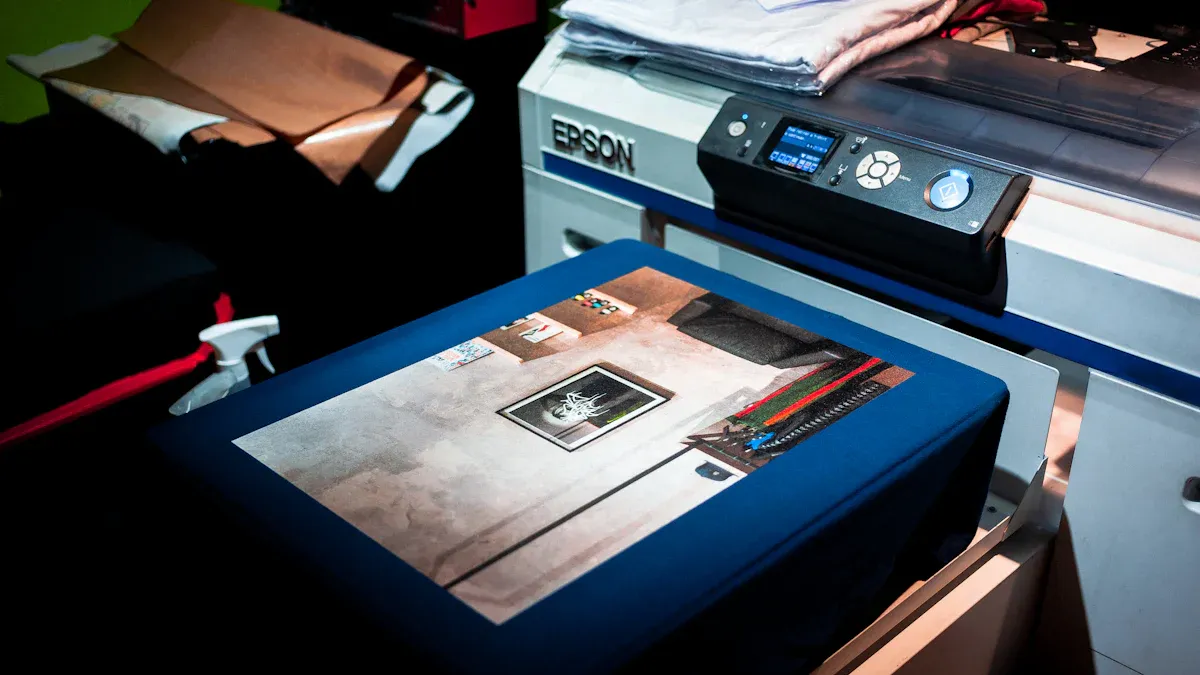
A creator's first project requires preparation and attention to detail. This checklist guides new users through the essential supplies, proper storage techniques, and common pitfalls. Following these steps helps ensure a successful and rewarding first experience with DTF printing.
A creator must gather all necessary components before starting. A complete setup prevents interruptions and ensures a smooth workflow. The basic supplies for a DTF project include:
A DTF Printer with DTF Ink
DTF Transfer Film (Cold or Hot Peel)
DTF Hot Melt Adhesive Powder
A Curing Oven or Heat Press for Curing
A Heat Press for Application
A Blank Garment (e.g., cotton or polyester blend)
Protective Teflon Sheet or Parchment Paper
Proper film storage is critical for consistent results. The best dtf transfer films have sensitive coatings that can be damaged by environmental factors. A creator should always store their film in its original packaging to protect it from light, dust, and moisture.
Storage Tip: Keep your film in a climate-controlled environment, ideally between 65-75°F (18-24°C) with 40-60% relative humidity. Extreme temperatures or humidity can cause the film to curl or the coating to degrade.
New users often encounter a few common issues. Awareness of these mistakes is the first step toward avoiding them. A creator should pay close attention to the following points:
Incorrect Pressing: Always follow the manufacturer's recommended time, temperature, and pressure settings for your specific film and fabric.
Over-saturating with Ink: Using too much ink can cause it to bleed, resulting in blurry designs. Calibrate your printer settings correctly.
Improper Peeling: Do not rush a cold peel or hesitate on a hot peel. A consistent and confident peeling technique is essential for a clean transfer.
A creator's DTF journey starts with a choice between cold peel for detail or hot peel for speed. They must check for key features like high ink loading, clean powder release, and easy peeling to ensure quality. This foundational knowledge equips a creator to select their first film with confidence.
No. A creator needs a dedicated DTF printer. It uses specialized pigment inks and is built to handle film media. A standard office or photo printer will not work.
DTF transfers adhere to many fabrics. A creator can press designs onto cotton, polyester, blends, leather, and even wood. This versatility is a major advantage of the technology.
DTF prints onto a transfer film for application. DTG (Direct-to-Garment) prints directly onto the fabric. DTF offers greater versatility with different materials and colors without requiring pre-treatment.



Select the most popular foreign trade service products to meet your diverse needs
Select the most popular foreign trade service products to meet your diverse needs

Tel: +86 17706217416
Add: Building L2A, No. 520, Lane 1588, Zhuguang Road, Hongqiao World Center, Qingpu District, Shanghai, China






User Comments
Service Experience Sharing from Real Customers
James Wilson
Print Shop OwnerAfter testing several brands, this DTF powder and film combo is by far the best. The transfer is incredibly vibrant, durable through washes, and the powder adheres perfectly with zero residue. A game-changer for my business.
Sophia Chen
Apparel DesignerThe quality of this DTF film and powder is exceptional. It allows for intricate, full-color designs on dark fabrics with a soft hand feel. My clients are thrilled with the results. Highly recommended for professional use.
Marcus Rivera
Production ManagerReliable and consistent. This DTF powder melts evenly and the film releases cleanly every time, which drastically reduces our waste and reprint rate. It's boosted our shop's efficiency. The 4-star is only because I wish the bulk packaging was better.
Emily Watson
Small Business OwnerAs a small startup, finding the best DTF supplies was crucial. This powder and film deliver professional, photo-quality prints that rival big brands. Setup was straightforward, and the results have brought me repeat customers. Fantastic product!