Application of Building Material Film
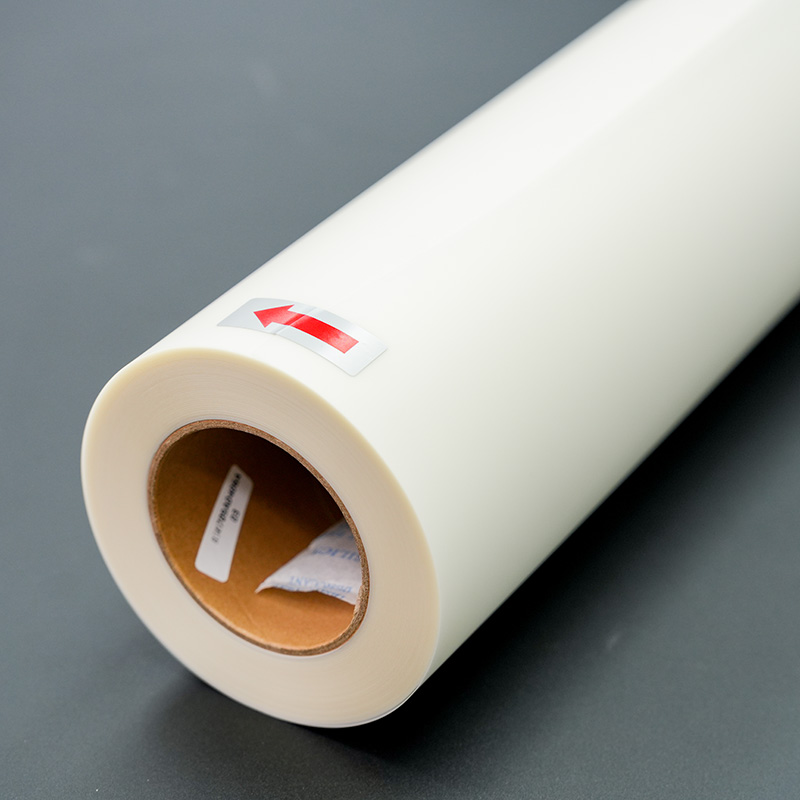
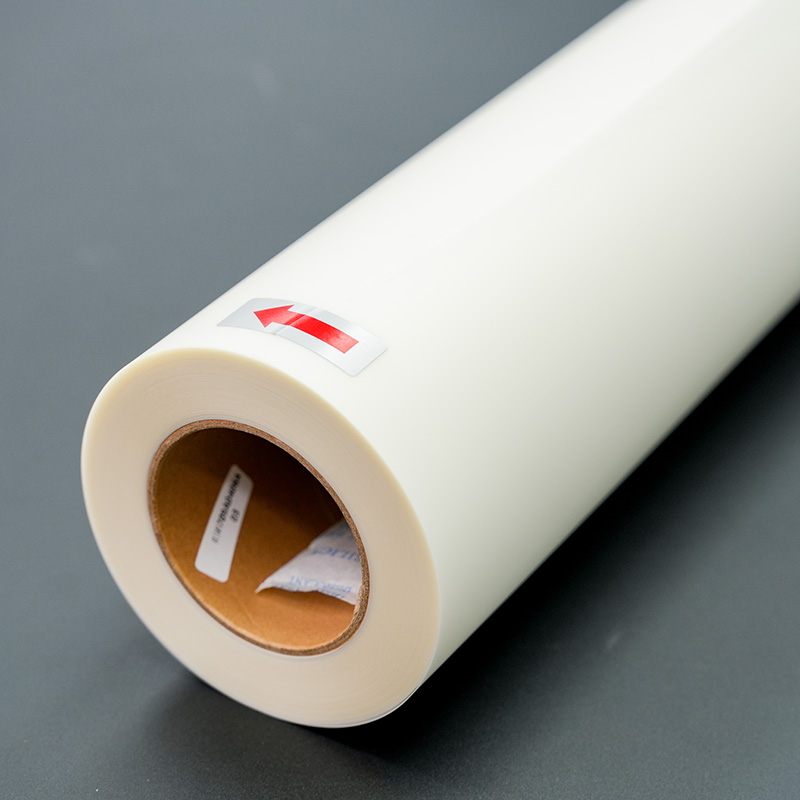
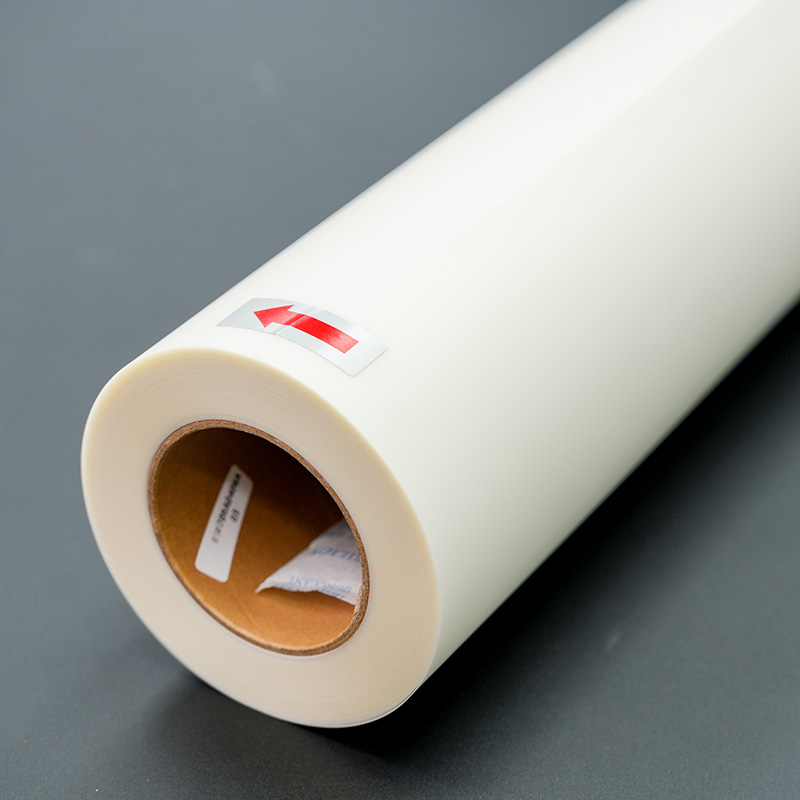
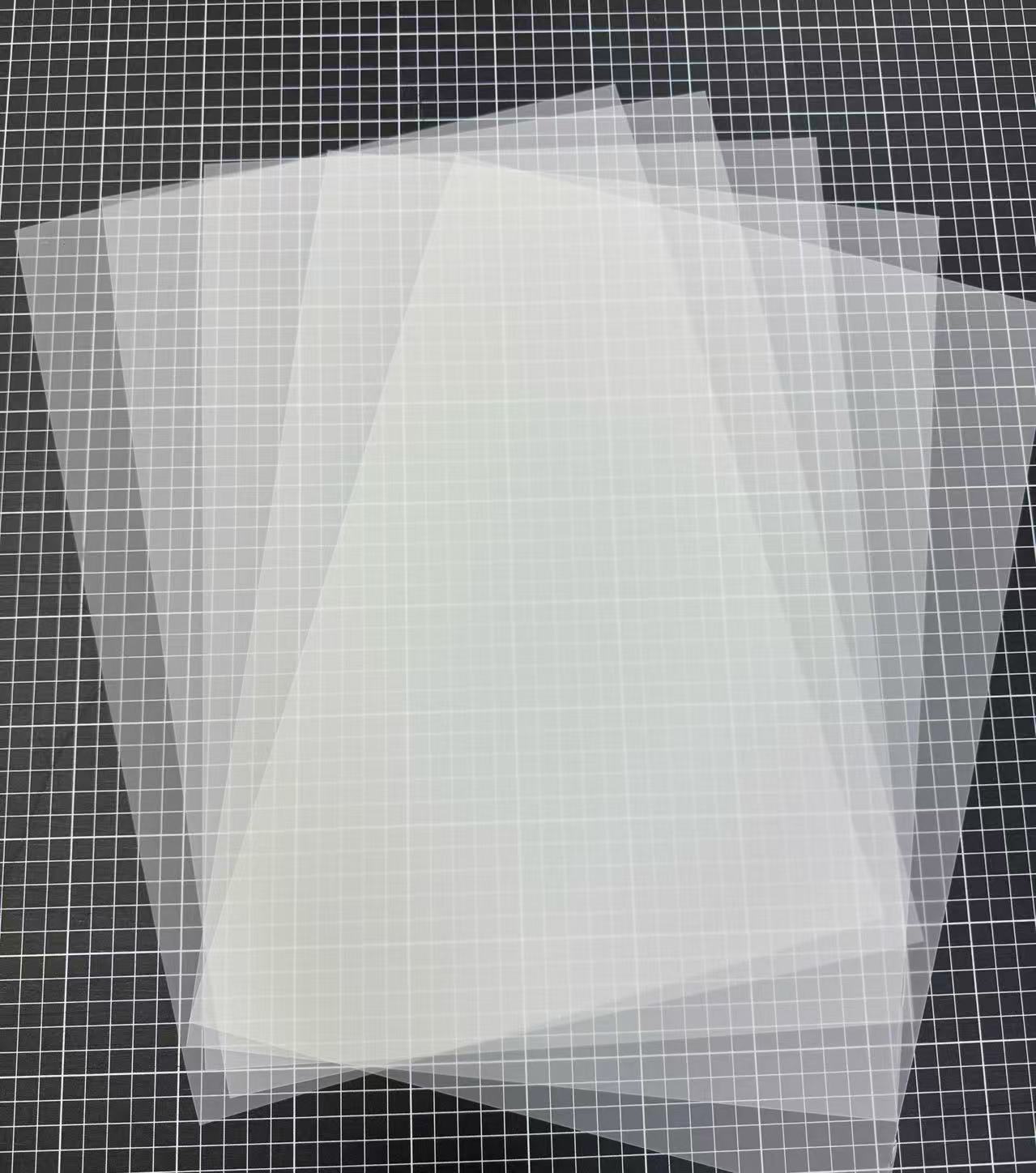
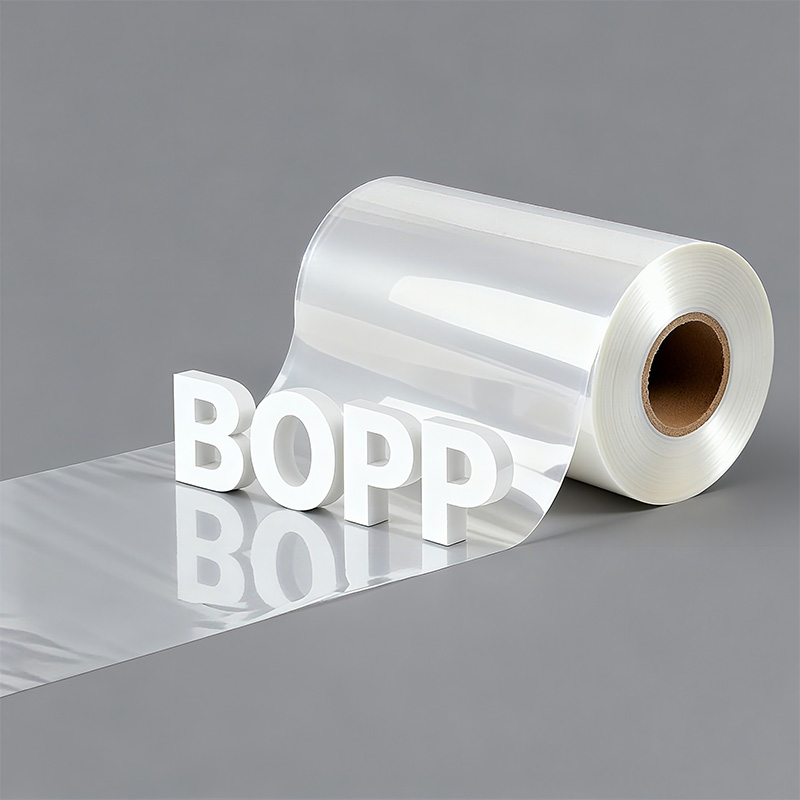
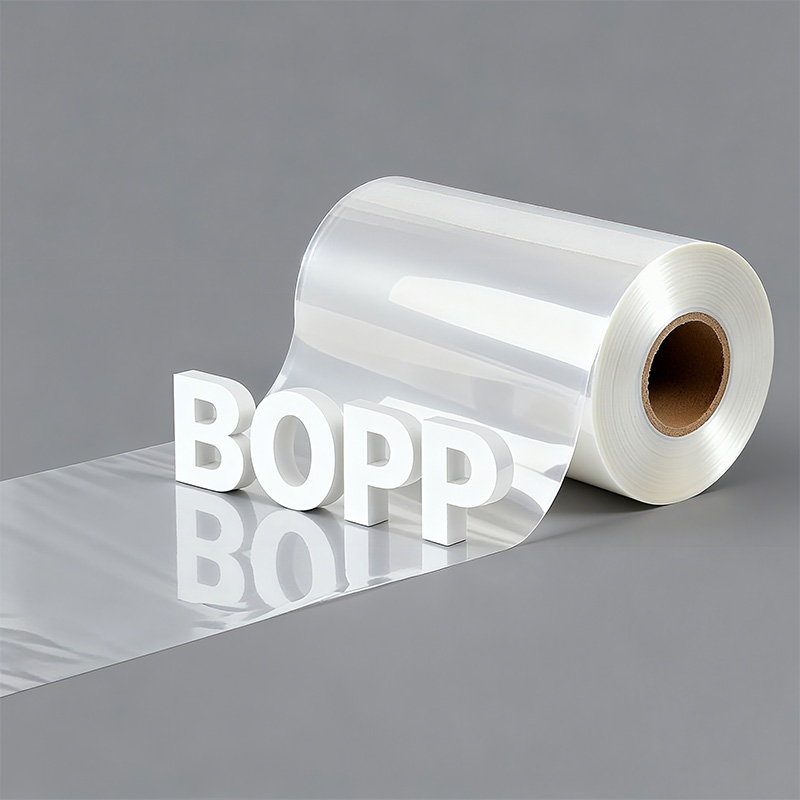
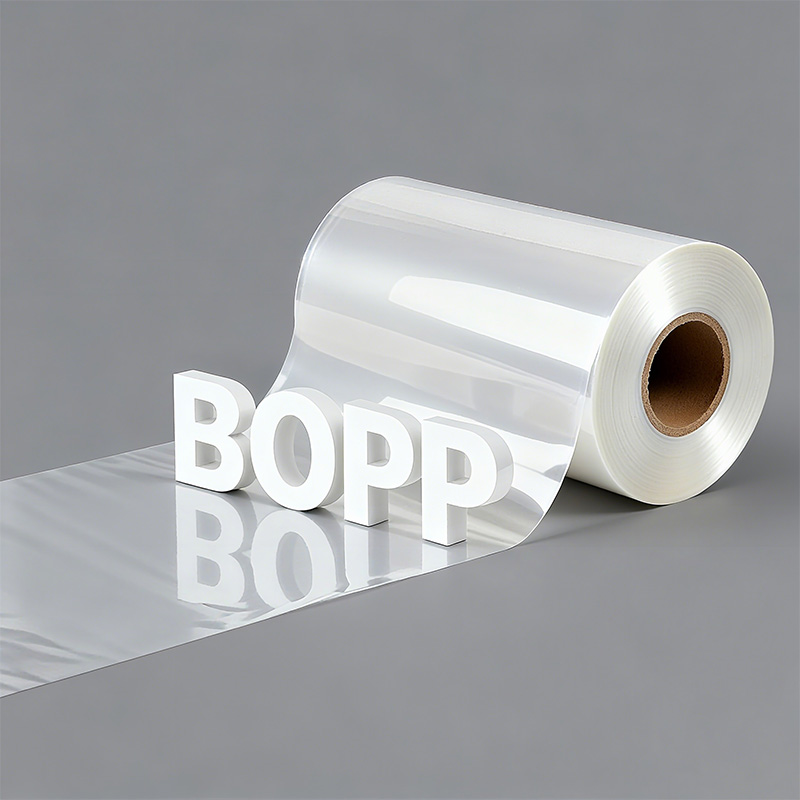
The application of building material films is a critical technological advancement, revolutionizing the durability, aesthetics, and functionality of modern construction and interior design. These thin, versatile layers are engineered to provide protective and decorative surfaces for a wide array of substrates, including wood, metal, glass, and plastic composites. The primary function is to shield materials from environmental degradation, physical wear, and chemical exposure, thereby extending their service life and reducing maintenance costs. As the global construction industry increasingly prioritizes sustainability and cost-efficiency, the adoption of high-performance films has become a standard practice for enhancing material performance without the need for bulkier, more resource-intensive alternatives. This makes them indispensable in both new construction and renovation projects across residential, commercial, and industrial sectors.
Building material films are extensively used for protective purposes, safeguarding surfaces from moisture, UV radiation, abrasion, and impact. For instance, in exterior applications, films applied to insulation materials or structural panels can significantly enhance weather resistance, preventing water infiltration and mold growth, which are common causes of building envelope failure. Data from market research firms like Grand View Research indicates that the global protective films market size was valued at USD 14.2 billion in 2022 and is projected to grow at a compound annual growth rate (CAGR) of 6.5% from 2023 to 2030, driven largely by demand from the construction industry. Specific products, such as polyvinyl chloride (PVC) films and polyethylene terephthalate (PET) films, are widely specified for their excellent barrier properties. In roofing systems, reflective films can reduce heat absorption, lowering cooling energy costs by up to 15-20%, according to studies by the Cool Roof Rating Council. Moreover, anti-graffiti films applied to public infrastructure or commercial buildings allow for easy cleaning, reducing maintenance time and expenses by over 50% compared to traditional painted surfaces, as reported in case studies from urban municipalities in Europe and North America.
In decorative applications, building material films offer unparalleled design flexibility, enabling the replication of expensive natural materials like wood, stone, or metal at a fraction of the cost and weight. Laminates and vinyl films can be digitally printed with high-resolution patterns, allowing architects and designers to achieve custom aesthetics for interior walls, furniture, and flooring. Search trend data from Google Keyword Planner shows consistent high-volume queries for terms like "decorative wall film" and "wood grain film," reflecting strong market interest. For example, in the furniture industry, films applied to medium-density fiberboard (MDF) can mimic hardwoods such as oak or walnut, reducing reliance on timber harvesting. Industry reports from the Association for Contract Textiles (ACT) highlight that films with Class A fire ratings are mandatory in many commercial spaces, ensuring safety without compromising on design. Real-world applications include hotel renovations where films are used to update cabinetry and wall panels, cutting project timelines by 30-40% compared to replacement, as documented in hospitality industry case studies. The ability to achieve complex visual effects quickly and sustainably makes these films a preferred choice for fast-paced commercial fit-outs and residential makeovers.
The functional benefits extend to energy efficiency and smart building integration. Window films, for instance, are engineered to control solar heat gain, block harmful UV rays, and improve insulation. Data from the International Window Film Association (IWFA) indicates that professionally installed window films can reduce heat gain by up to 80% and block 99% of UV radiation, protecting interiors from fading and reducing HVAC energy consumption by 5-10%. In retrofit projects, such films are often applied to existing glazing to meet updated energy codes without the cost of full window replacement. Similarly, insulating films used in conjunction with glazing systems can help achieve LEED certification points for energy performance, as noted in U.S. Green Building Council guidelines. Emerging applications include photovoltaic films that integrate solar harvesting capabilities into building facades, contributing to on-site renewable energy generation. Market analyses from firms like IDTechEx project the building-integrated photovoltaics (BIPV) film market to exceed USD 1 billion by 2030, underscoring the growing convergence of protective films with energy-generating technologies.
From a commercial and industrial standpoint, building material films enhance safety, hygiene, and operational efficiency. Anti-slip films are applied to flooring in warehouses, hospitals, and food processing plants to prevent accidents, with OSHA compliance data showing a reduction in slip-and-fall incidents by over 60% in facilities using such solutions. Antimicrobial films, incorporating silver ions or other agents, are critical in healthcare settings to inhibit bacterial growth on high-touch surfaces like door handles and medical equipment; studies published in journals like the American Journal of Infection Control confirm their efficacy in reducing healthcare-associated infections. Furthermore, conductive films are used in smart glass applications, allowing for switchable opacity in partitions or windows to optimize privacy and light control. Industry adoption is robust: for example, major retail chains use frosted films for promotional displays, while manufacturers employ durable films to protect machinery surfaces from corrosion. The versatility and proven performance of building material films make them a cornerstone of innovative, sustainable, and cost-effective construction practices worldwide.

 English EN
 French FR
 German DE
 Portuguese PT
 Spanish ES
 Russian RU
 Japanese JA
 Korean KO
 Arabic AR
 Greek EL
 Turkish TR
 Italian IT
 Polish PL
 Hindi HI
 中国 CN
中国 CN







User Comments
Service Experience Sharing from Real Customers
Michael Rodriguez
Construction Project ManagerThis building material film has exceeded our expectations on multiple construction sites. Its durability and ease of application have significantly improved our workflow efficiency.
Sarah Chen
Architectural DesignerExcellent protective film for delicate surfaces during construction. The adhesive leaves no residue and provides reliable protection throughout the project duration.
David Thompson
Site SupervisorOutstanding weather resistance and tear strength. This film has proven invaluable for protecting materials exposed to harsh outdoor conditions on our job sites.
Jennifer Williams
Interior ContractorHigh-quality protective film that's easy to handle and remove. Perfect for protecting finished surfaces during interior work, saving us time and reducing damage claims.