
 English EN
 French FR
 German DE
 Portuguese PT
 Spanish ES
 Russian RU
 Japanese JA
 Korean KO
 Arabic AR
 Greek EL
 Turkish TR
 Italian IT
 Polish PL
 Hindi HI
 中国 CN
中国 CN
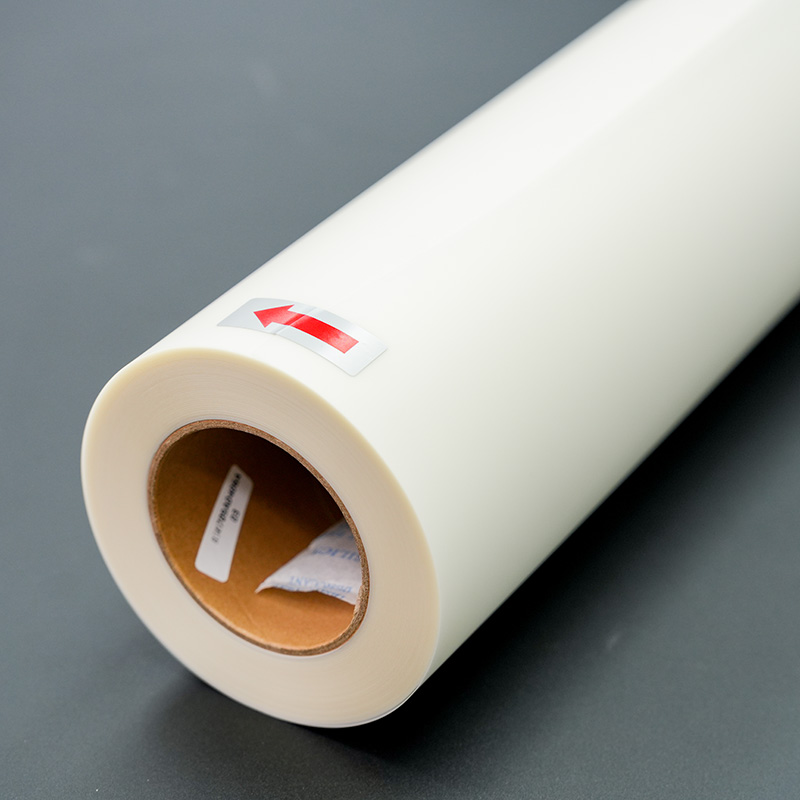
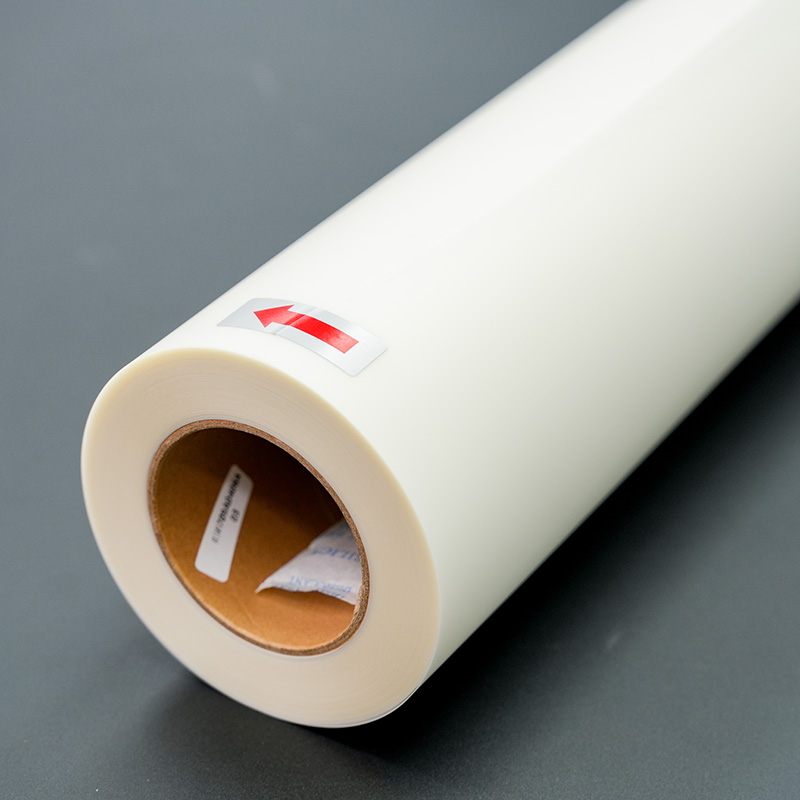
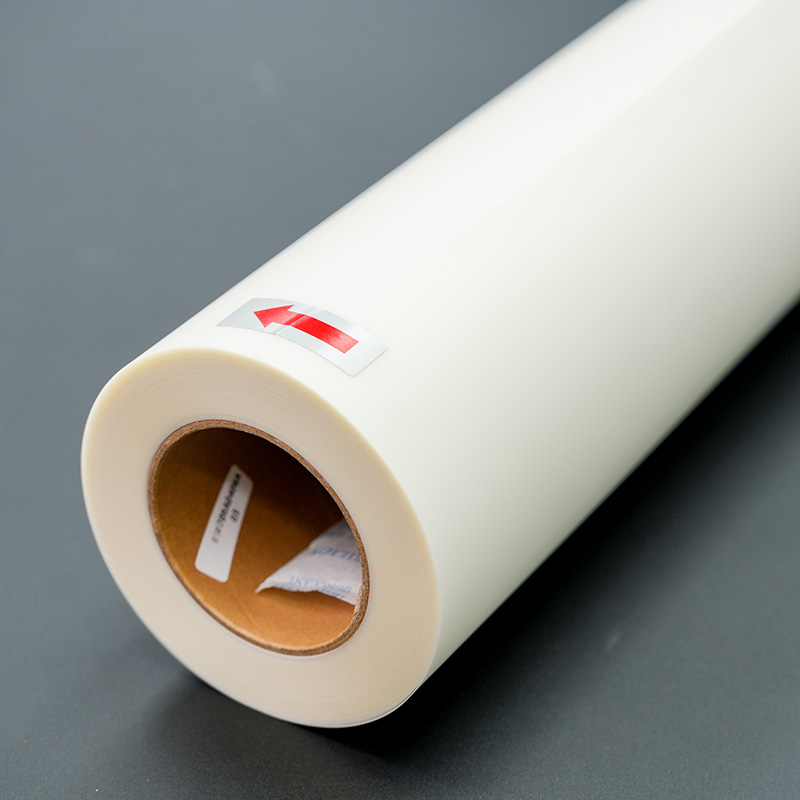
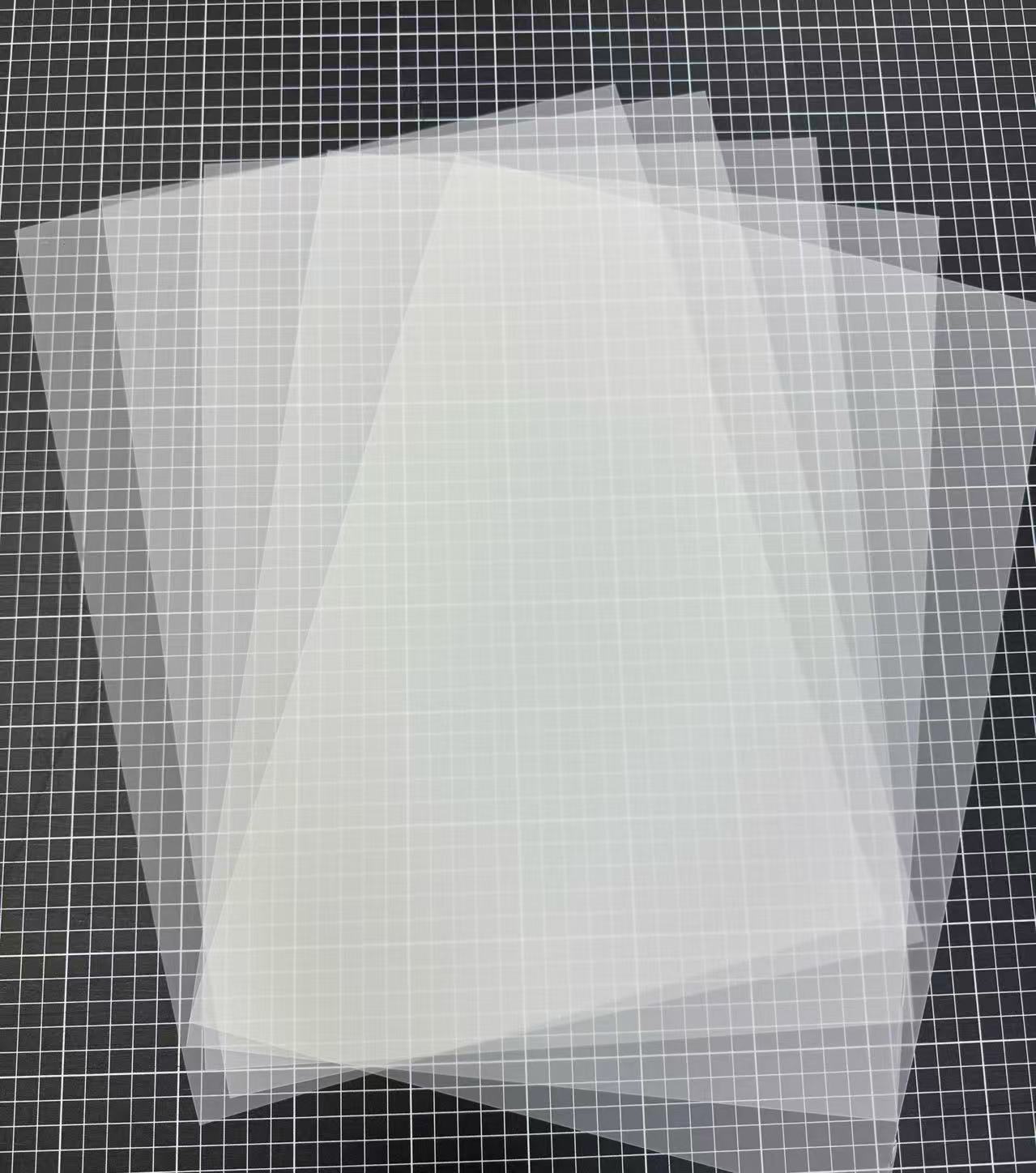
Could You Recommend Top Leading Reliable One-Stop DTF Transfer Product Suppliers?
The global heat transfer film market has experienc...
MoreSuccessful dtf film & powder application depends on powder size. Fine powder suits intricate designs, medium powder offers versatility, and coarse powder provides toughness for textured fabrics.
Note: An incorrect powder choice directly ruins a print's feel, washability, and fine details, compromising the final product's quality.
Many print shops new to DTF printing believe a single powder can handle every project. This approach often leads to disappointing results. The truth is that powder particle size, measured in microns, directly impacts a design's detail, durability, and feel. Selecting the right powder is a critical decision, not an afterthought.
Different powders serve distinct purposes. A fine powder excels at capturing tiny details. A coarse powder provides maximum strength for rugged apparel. A medium powder offers a balanced solution for everyday jobs. Understanding these differences empowers a shop to produce superior quality garments every time.
| DTF Powder Type | Particle Size (microns) | Primary Use Case |
|---|---|---|
| Fine | 50-100 | High-Detail Graphics, Soft Hand-Feel |
| Medium | 100-170 | General Purpose, Everyday Apparel |
| Coarse | 170-300 | High Durability, Textured Fabrics |
Fine powder is the specialist's choice for photorealistic prints and intricate linework. Its tiny granules (typically 50-100 microns) create a thin, even layer of adhesive. This precision ensures the powder sticks only to the ink, preventing small details from blurring or becoming lost. The result is a crisp, clean transfer with a remarkably soft hand-feel that barely alters the fabric's natural texture.
This powder is an excellent match for lightweight and smooth garments where detail is paramount. It performs exceptionally well on fabrics like:
Cotton
Polyester
Silk
Blends of these fabrics
💡 Professional Tip: Use fine powder for high-fashion items, detailed brand logos, or any design where sharpness is the top priority. Its delicate nature makes it less suitable for heavy-duty applications.
Medium powder is the undisputed workhorse of the DTF world. It strikes an ideal balance between detail clarity and adhesive strength, making it a versatile and reliable option for most print jobs. Users often describe it as the "go-to choice for most users, perfect for cotton." This powder provides excellent coverage without sacrificing too much detail, resulting in a durable print with a pleasant feel.
Its versatility extends across a wide range of materials. For most shops, stocking a high-quality medium powder covers the majority of their daily needs.
| Fabric Type | Recommended Powder |
|---|---|
| Cotton | Standard Hot Melt |
| Cotton/Poly Blends | Standard |
| Polyester | Low-Temp |
| Nylon | Low-Temp |
| Spandex/Lycra | Stretchable |
To achieve optimal results with medium powder, proper curing is essential. Adhering to recommended settings ensures a strong bond and long-lasting print.
Optimal Curing Temperature: 300-325° F
Optimal Curing Time: 15-20 seconds
When a print needs to withstand tough conditions, coarse powder is the solution. Its large granules (170-300 microns) create a thicker, more robust adhesive layer. This makes it perfect for applications on textured or heavy-duty fabrics like denim, canvas, and thick workwear. The increased adhesive mass provides superior opacity on dark garments and unmatched durability through repeated, harsh wash cycles.
However, this strength comes with a trade-off.
⚠️ Important Consideration: Coarse powders inherently create a rougher texture on the final print. The larger particles can give the design a thicker, more plastic-like feel. For designs where a smooth finish is desired, professionals recommend using a finer powder to avoid this effect.
Choose coarse powder for items like construction vests, heavy-duty uniforms, and canvas bags where longevity is more important than a soft hand-feel.
A common misconception is that any DTF powder will feel and perform the same once pressed. In reality, the powder's particle size is a primary driver of the final print's texture and flexibility. The choice between a soft, pliable finish and a rigid, durable one begins with the powder selection. This decision directly impacts the wearer's comfort and the garment's performance.
Every powder choice involves a balance between a soft hand-feel and adhesive strength. Fine powders create a thinner adhesive layer that feels more integrated with the fabric. Coarse powders produce a thicker, more durable bond that often feels stiffer and more rubbery. High-quality powders are specifically formulated to maintain the natural softness of fabrics, which greatly enhances comfort.
💡 Did You Know? The textile industry uses advanced tools like the Fabric Touch Tester (FTT) to objectively measure hand-feel, evaluating properties like softness, bending, and texture.
This table breaks down the relationship between powder size and the resulting feel:
| Feature | Fine Powder (0-80µm) | Medium Powder (80-200µm) | Coarse Powder (150-250µm) |
|---|---|---|---|
| Hand Feel | Softest, most flexible | Soft, good flexibility | Thickest, stiffest |
The size of the powder granules also dictates how well a print stretches with the fabric. A print's ability to flex and return to its original shape without cracking depends on the adhesive layer's properties.
Fine Powder: Its small particles form a thin, pliable layer, offering excellent stretchability for performance wear and lightweight fabrics.
Medium Powder: Provides a good balance of flexibility and adhesion, making it suitable for everyday apparel that requires moderate stretch.
Coarse Powder: Creates a thick, rigid bond that offers minimal stretch, making it ideal for stable, non-stretch materials like canvas or denim.
For highly elastic garments, professionals often turn to specialized powders. Thermoplastic polyurethane (TPU) powders, for example, are engineered for superior flexibility and durability, making them perfect for printing on spandex and other stretchy materials.
Some printers dismiss black DTF powder as an unnecessary novelty. This view overlooks its critical role in solving one of the most persistent problems in apparel decoration: dye migration. While white powder remains the industry standard for most jobs, black powder is a specialized tool that professionals use to achieve perfect prints on challenging fabrics. Understanding the purpose of each is key to delivering flawless results.
White DTF powder is the versatile workhorse for the vast majority of printing applications. Its high-performance melt adhesion creates a strong, flexible bond on numerous surfaces. This makes it the default choice for a wide range of products.
Professionals rely on white powder for its:
Broad Application: It works exceptionally well for apparel like t-shirts and hoodies, home goods, and even promotional materials.
Excellent Durability: It provides an extremely waterproof finish that holds up to washing and dry-cleaning.
Superior Flexibility: The adhesive resists cracking, even when a printed graphic is stretched or twisted.
For most projects on cotton, blends, and light-colored garments, standard white powder provides the perfect combination of opacity and reliability.
Dye migration occurs when dyes from a dark polyester or sublimated garment heat-reactivate and bleed into the print, discoloring the design. A white logo on a red polyester shirt, for example, can turn pink. Black DTF powder is specifically engineered to prevent this.
It functions as a barrier, stopping fabric dyes from bleeding through the white ink of the design. This ensures the pattern's color remains true and vibrant.
Black powder contains special additives that create a blocking layer. This makes it indispensable for printing light-colored designs on dark, dye-sublimated, or polyester-rich fabrics.
| Feature | Black DTF Powder | White DTF Powder |
|---|---|---|
| Primary Use | Prevents dye migration on dark polyester | General purpose printing |
| Key Benefit | Blocks fabric dye from bleeding into ink | Provides a bright, opaque base |
| Ideal For | Light prints on dark polyester/camo | Cotton, blends, light-colored fabrics |
Using black powder is not a gimmick; it is a professional technique for guaranteeing color accuracy and quality on troublesome garments.
A common oversight is assuming that any combination of DTF film & powder will perform reliably with any application equipment. In reality, the entire system—from printer to film to powder to shaker—must be compatible for consistent, high-quality results. Mismatched components often lead to frustrating production issues and wasted materials.
The synergy between your equipment and materials is critical. A printer model, for instance, dictates which films it can handle based on the film's coating, material, and thickness. An automated shaker designed for medium powder may struggle to evenly distribute a very fine powder, leading to clumping.
Manufacturers provide compatibility charts for a reason. Following these recommendations prevents many common printing failures.
| Printer Model | Recommended DTF Films |
|---|---|
| Epson SureColor P800 | Softpapex Eco-solvent DTF film, Neojet DTF film |
| Roland DG VersaStudio BN-20 | Printex DTF film, DTF Direct Film |
| TEXTEK DTF-T652 Printer | Luminous Film, Reflective Film |
Choosing the right dtf film & powder combination for your specific setup is the first step toward a flawless print.
Your application method introduces another layer of variables.
💡 Professional Tip: For manual application, use a proper scoop and dust the ink vertically. This allows excess powder to fall away cleanly. Maintaining a workspace humidity around 60% also reduces static and helps prevent clumping.
Manual application requires careful technique to manage static electricity, which can cause powder to stick to non-inked areas of the film. Automated shakers solve this by providing consistent, even coverage. However, mismatched settings between the powder shaker and the curing unit are a frequent cause of uneven powder application. It is essential to ensure the entire DTF setup is calibrated correctly for optimal performance.
Selecting the correct dtf film & powder is vital for professional results. This choice dictates print quality and durability.
Fine Powder: Prioritizes soft feel and intricate detail.
Medium Powder: Offers the best balance for general use.
Coarse Powder: Delivers maximum durability and opacity for rugged items.
Most shops find a quality medium powder essential. Shops can add other types for specialized work. Black powder remains a key tool for preventing dye migration on dark polyester, completing a versatile dtf film & powder inventory.
Yes, printers can reuse clean powder after sifting it to remove debris. This practice reduces material waste. Avoid reusing any powder contaminated with dust, fibers, or other particles.
High humidity often causes powder to clump. The powder absorbs moisture from the air. Proper storage is essential for maintaining quality and ensuring a smooth application process.
💡 Storage Tip: Always store DTF powder in a sealed, airtight container in a cool, dry environment to prevent moisture absorption and clumping.



Select the most popular foreign trade service products to meet your diverse needs
Select the most popular foreign trade service products to meet your diverse needs

Tel: +86 17706217416
Add: Building L2A, No. 520, Lane 1588, Zhuguang Road, Hongqiao World Center, Qingpu District, Shanghai, China






User Comments
Service Experience Sharing from Real Customers
Michael Rodriguez
Graphic DesignerThe DTF film and powder combo is a game-changer for our custom apparel shop. The transfer quality is incredibly vibrant and durable, even after multiple washes. The powder adheres perfectly with no residue. Highly recommended for detailed designs!
Sarah Chen
Print Shop ManagerExcellent product for direct-to-film transfers. The film is easy to handle and the powder ensures a strong bond on various fabrics. We've significantly reduced waste and improved turnaround time. One star off only because the powder can be a bit messy if you're not careful.
David Kim
Small Business OwnerAs someone who started a merch business from home, this DTF film and powder system has been invaluable. The learning curve is small, and the professional results rival big companies. The colors pop, and the finish is soft. Customer satisfaction has soared since we switched to this method.
Jessica Williams
Production SpecialistOur sports team uniform supplier relies on this DTF film and powder for logos and numbers. The durability is outstanding—withstands rigorous wear and washing without cracking or fading. It's become an essential part of our production line for both polyester and cotton blends.