
 English EN
 中国 CN
中国 CN
 French FR
 German DE
 Portuguese PT
 Spanish ES
 Russian RU
 Japanese JA
 Korean KO
 Arabic AR
 Greek EL
 Turkish TR
 Italian IT
 Polish PL
 Hindi HI
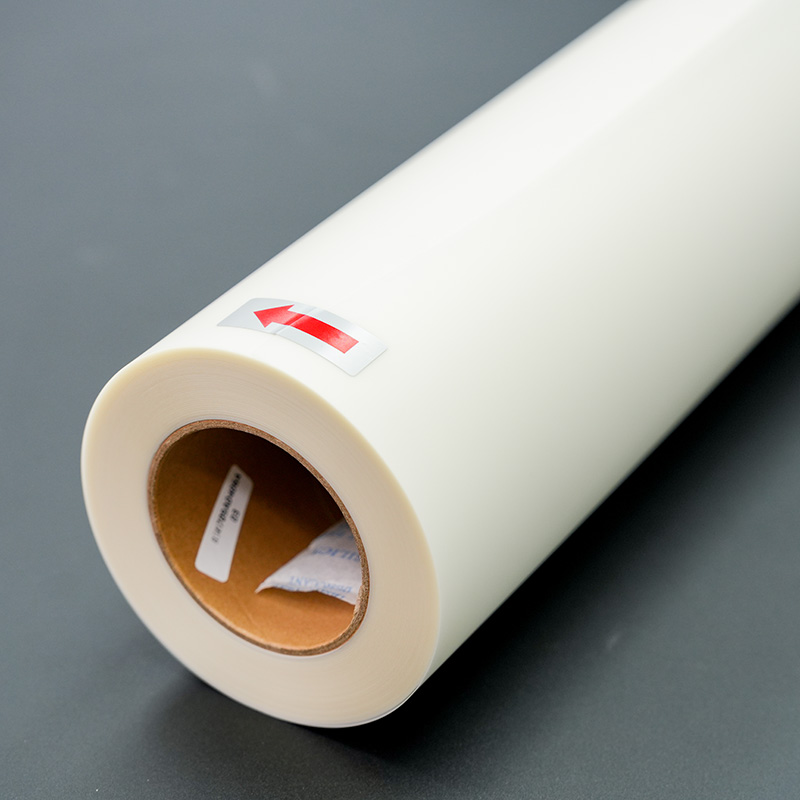
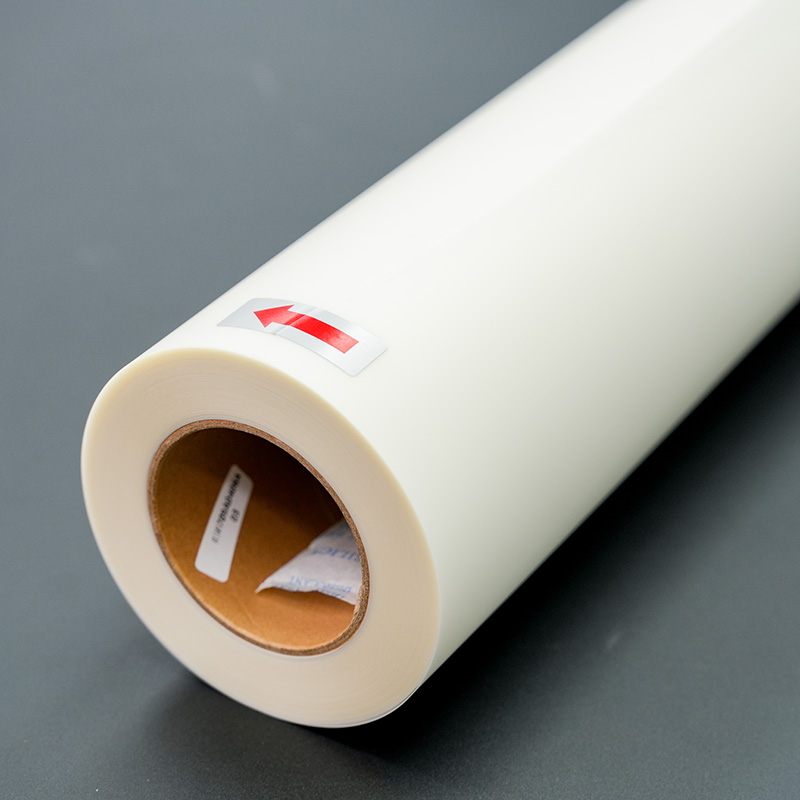
The Recommendation of Different Types of BOPP Film Surface Finish
BOPP films are available in a broad range of surfa...
MorePrinters choose hot peel film for maximum speed and high-volume production. Cold peel dtf printing film offers superior durability and a matte finish for intricate designs. Selecting the correct film is a critical decision for every project, directly impacting workflow efficiency and the final product's quality.
The names "hot peel" and "cold peel" refer directly to the moment a printer removes the film from the garment after heat pressing. This single action defines the workflow and is rooted in the film's chemical composition. While the base components of the transfer vinyl are identical, the key difference lies in the formulation of the release layer.
Hot Peel Film: Its release layer becomes more adhesive when heated, creating a strong bond with the transfer medium.
Cold Peel Film: Its release layer stays inactive during heating, maintaining a weaker bond with the underlying layer.
This chemical distinction dictates how each type of dtf printing film performs during application.
Hot peel film allows for immediate removal after the heat press opens. Printers can peel the film away while the design and garment are still hot. This process eliminates any waiting time, enabling a rapid, continuous workflow. Production shops handling large orders value this efficiency. The quick peel transfers the ink layer swiftly, making it the go-to choice for maximizing output and meeting tight deadlines.
Cold peel film requires a cooling period. The entire transfer, garment included, must cool down completely to room temperature before the printer can remove the film. This delay allows the adhesive to set fully and bond securely to the fabric's fibers.
Pro Tip: Placing the pressed garment on a cool, flat surface like a marble countertop can accelerate the cooling process for cold peel transfers.
This patient approach ensures all fine lines and intricate details transfer perfectly, resulting in a more durable and stable application.
The choice between hot and cold peel film extends beyond the production floor. It fundamentally alters the final product's look, feel, and lifespan. A printer must weigh these performance characteristics against project requirements to achieve the desired outcome.
The peeling temperature directly influences the final texture and sheen of the transfer. Each film type produces a distinct aesthetic.
Hot Peel: The immediate peel from a hot substrate leaves the ink layer sitting on top of the fabric. This process creates a vibrant, glossy, or semi-glossy finish. The colors often appear brighter and more saturated right after pressing. The transfer has a smoother, slightly plastic-like hand feel.
Cold Peel: The cooling period allows the adhesive and ink to sink deeper into the garment's fibers. This integration results in a flat, non-reflective matte finish. The design looks and feels more like a traditional screen print, offering a softer hand feel that blends seamlessly with the fabric.
This table summarizes the key visual and textural differences:
| Feature | Hot Peel Film | Cold Peel Film |
|---|---|---|
| Finish | Glossy / Semi-Glossy | Matte / Flat |
| Color | Bright, Vibrant | Slightly Muted, Natural |
| Hand Feel | Smooth, On the fabric | Soft, In the fabric |
A transfer's ability to withstand repeated washing is a primary measure of quality. The peel method plays a significant role in the long-term durability of the print. Cold peel transfers generally offer superior resilience.
The extended cooling time allows the adhesive to cure completely. This process creates a more robust and permanent bond with the fabric fibers. The result is a transfer that resists cracking, peeling, and fading over time.
Key Durability Factors
The peel method (hot vs. cold) directly influences the strength of the bond.
Cold peel transfers allow the ink and adhesive to settle fully into the fabric before the film is removed.
Printers prefer the cold peel process for projects demanding maximum durability and longevity.
While hot peel transfers are durable enough for many applications, such as promotional items, they may show wear sooner than their cold peel counterparts after numerous wash cycles.
The complexity of the artwork is a critical factor when selecting a dtf printing film. Cold peel film provides a clear advantage for designs with fine details.
The stable, cool surface of a cold peel transfer prevents delicate elements from shifting or stretching during the peel. This stability ensures that small text, thin lines, and intricate patterns transfer completely and accurately. The risk of a failed transfer due to lifting details is significantly lower.
Hot peel film is best suited for bolder graphics, block lettering, and less intricate designs. The immediate, hot removal can sometimes pull up the sharp edges or tiny freestanding elements of a complex design, leading to an incomplete or flawed application. For speed on simple jobs, hot peel excels. For precision on complex jobs, cold peel is the professional standard.
Selecting the appropriate dtf printing film is a strategic decision. A printer must align the film's characteristics with the project's priorities, including production volume, design complexity, fabric type, and desired end-user experience. Making the right choice streamlines production and ensures the final product meets quality standards.
Printers should choose hot peel film when speed and production volume are the top priorities. Its immediate peel process makes it the undisputed champion for high-output environments. This film is ideal for projects with tight deadlines and large quantities, such as promotional events, corporate giveaways, or bulk apparel orders with simple graphics.
Hot peel film performs well across a range of common fabrics. However, printers must consider the material's properties to achieve optimal results and avoid common issues like scorching or poor adhesion.
| Fabric Type | Advantages | Limitations |
|---|---|---|
| 100% Cotton | Excellent ink absorption leads to vivid colors. The fabric's soft, breathable nature is a consumer favorite. | It can shrink after washing. Proper curing is essential to prevent the transfer from fading or peeling. |
| 100% Polyester | This durable, moisture-wicking material has minimal shrinkage, making it perfect for activewear. | The fabric is sensitive to heat. Printers risk scorching or creating shiny press marks. Color migration can also occur. |
| Poly-Cotton Blends | These blends offer a balance of comfort and strength. They are less prone to shrinking and are generally easy to work with. | The blend ratio can vary, affecting heat settings and the final feel. |
Note: Hot peel film is best for bold, less intricate designs. The rapid peel can compromise the integrity of fine lines or small, freestanding text, making it less suitable for highly detailed artwork.
Printers should opt for cold peel film when quality, detail, and durability are non-negotiable. The cooling process creates a superior bond, making it the professional standard for premium products. This method ensures that even the most intricate designs transfer flawlessly.
The resulting matte finish and soft hand feel integrate the design into the fabric, elevating the garment's perceived value. This makes cold peel the preferred choice for a variety of high-stakes applications.
Use cold peel film for:
Premium Fashion Apparel: The sophisticated matte finish is ideal for high-end streetwear, boutique clothing, and luxury brand garments where a plastic-like feel is undesirable.
Highly Detailed Artwork: Projects featuring fine lines, complex patterns, or small text demand the stability of the cold peel process to ensure a perfect transfer.
Garments Requiring Maximum Durability: The strong adhesive bond holds up to rigorous use and repeated washing, making it essential for:
Industrial workwear
Heavy-wash items like uniforms
Heat-Sensitive Fabrics: The ability to place the garment on a cool surface immediately after pressing helps dissipate heat quickly, reducing the risk of press marks on delicate or heat-sensitive materials.
Ultimately, the patience required for the cold peel process pays off with a superior, long-lasting, and professional-grade product.
Beyond the primary hot and cold peel options, a third category exists: warm peel film. This film occupies a middle ground, offering a compromise between the speed of hot peel and the quality of cold peel. It provides a unique workflow for printers seeking a balanced approach.
Warm peel film is a hybrid solution designed to blend efficiency with quality. It does not require the immediate, instant peel of a hot peel film, nor does it demand the full cooling period of a cold peel. Instead, printers wait just a few seconds after the heat press opens before removing the film. This brief pause allows the transfer to set partially, improving detail retention compared to hot peel. Using warm peel transfers can reduce production times significantly, allowing proprietors to tackle greater orders and increase earnings. The result is often a semi-matte finish that combines the vibrancy of hot peel with the softer feel of cold peel.
Deciding on warm peel film depends on a printer's willingness to master a new process. The peeling window is its most critical variable.
Warm Peel Window: Printers typically peel the film 5-10 seconds after the press opens. This timing is crucial for a successful transfer.
While some products like Hot Peel Laviva DTF Film are recognized for consistent quality and vibrant prints, broad industry feedback on warm peel consistency is less common. Printers should consider testing this film on their specific equipment and fabrics. It is an excellent choice for those who find hot peel too unforgiving for details but consider cold peel too slow for their production needs.
Typical press settings include:
Pressing Temperature: 140°C to 160°C (284°F to 320°F)
Pressing Duration: 10 to 15 seconds
Peeling: Wait 5-10 seconds, then peel while still warm.
Achieving a flawless transfer requires more than just choosing the right film. Printers must master the application process for each type. Following best practices ensures consistency, minimizes waste, and produces a professional-grade product every time.
Success with hot peel film depends on a prepared and efficient workflow. Printers can prevent common issues like poor adhesion or spotting by following a few key steps. A consistent process is crucial for high-volume production.
Pre-Treat the Fabric: Always pre-press the garment for 3-5 seconds. This action removes hidden moisture and wrinkles, creating a perfectly flat surface for the transfer to bond to.
Ensure Even Powder Application: A uniform layer of adhesive powder is critical for a strong, even bond. Uneven application can cause spots or lead to the design peeling after washing.
Calibrate Press Settings: Use the manufacturer's recommended temperature, time, and pressure settings. Test these on scrap fabric first to dial in the perfect combination for your equipment.
Peel with Confidence: Once the heat press opens, peel the film immediately in one smooth, continuous motion. Hesitation can cause the transfer to cool unevenly and lead to a failed application.
The cold peel process rewards patience with superior detail and durability. The most critical phase is the cooling period, as this is when the adhesive fully cures and bonds with the fabric fibers.
For a perfect transfer, the garment must be completely cool to the touch. Do not rush this step. Placing the item on a cool, flat surface can help speed up the process without compromising the bond.
Follow these steps for optimal results:
Press the Garment: Apply the transfer using the recommended heat and pressure settings for your specific dtf printing film.
Cool Down Completely: Set the garment aside until it returns to room temperature. The transfer should not feel warm at all.
Peel Slowly: Once cool, peel the film back at a low, sharp angle. A slow and steady motion ensures all fine lines and small details remain on the garment.
A printer's choice of dtf printing film defines the project's outcome. The decision balances production needs with final quality.
Hot Peel: Prioritizes speed, volume, and glossy finishes.
Cold Peel: Delivers detail, durability, and matte finishes.
Matching the correct dtf printing film to project goals optimizes workflow and guarantees quality.
Hot peel film works on many fabrics. Printers must adjust settings for heat-sensitive materials like polyester to prevent scorching. Testing on scrap fabric is always a recommended professional practice.
Peeling cold peel film prematurely causes an incomplete transfer. Fine details may lift with the film. This action compromises the design's integrity and the adhesive's bond to the garment.
Beginners often find cold peel film more forgiving. The extended cooling time provides a wider margin for error. It ensures detailed designs transfer completely without rushing the peeling process.



Select the most popular foreign trade service products to meet your diverse needs
Select the most popular foreign trade service products to meet your diverse needs

Tel: +86 17706217416
Add: Building L2A, No. 520, Lane 1588, Zhuguang Road, Hongqiao World Center, Qingpu District, Shanghai, China






User Comments
Service Experience Sharing from Real Customers
Michael Chen
Graphic DesignerThe DTF print film is exceptional! The color vibrancy and detail transfer onto our custom apparel are flawless. It's become an essential material in our shop for high-demand orders.
Sarah Johnson
Print Shop ManagerOutstanding durability and wash resistance. This DTF film has significantly reduced our production time while maintaining top quality. Our clients are thrilled with the final product.
David Rodriguez
Small Business OwnerGreat value for money. The film is easy to use with our printer and adheres perfectly to various fabrics. It has helped us expand our product line with professional-looking prints.
Jessica Williams
Textile Production SpecialistConsistently reliable performance. The film's consistency in batch quality ensures no surprises in production. It handles complex designs with fine details beautifully, making it our go-to choice.