
 English EN
 French FR
 German DE
 Portuguese PT
 Spanish ES
 Russian RU
 Japanese JA
 Korean KO
 Arabic AR
 Greek EL
 Turkish TR
 Italian IT
 Polish PL
 Hindi HI
 中国 CN
中国 CN
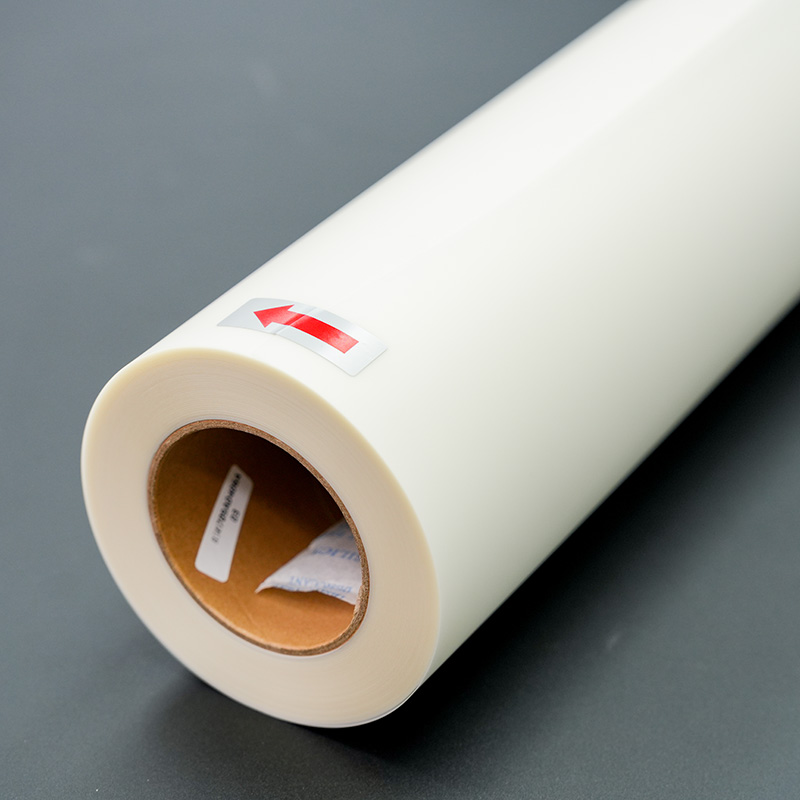
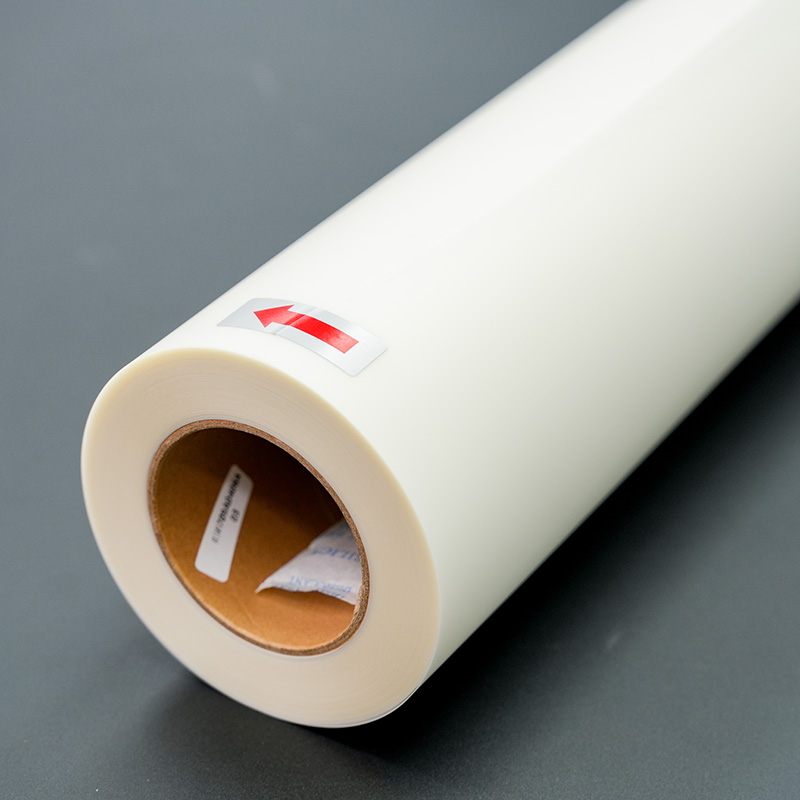
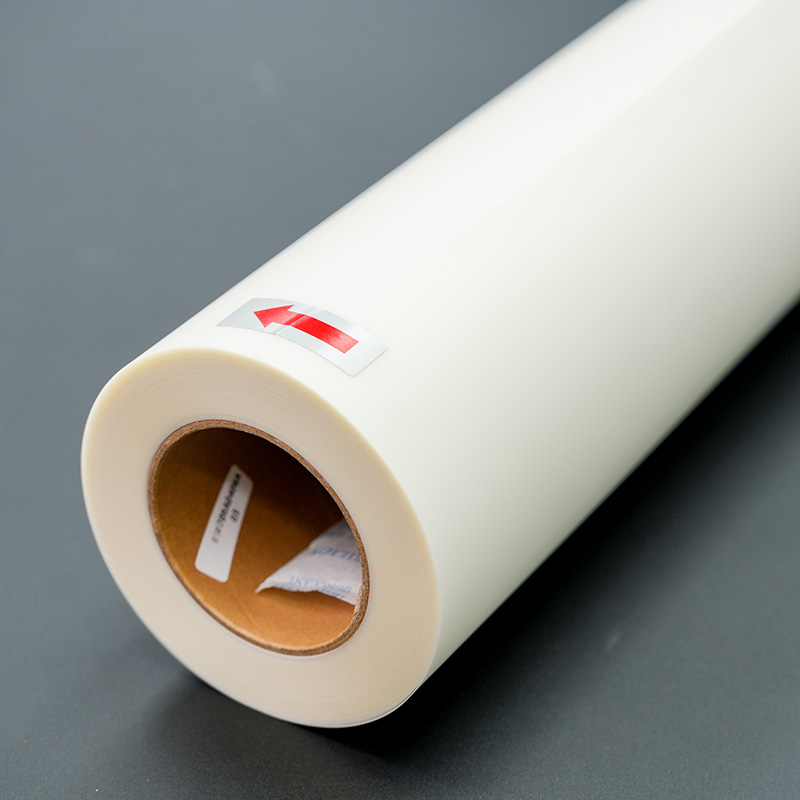
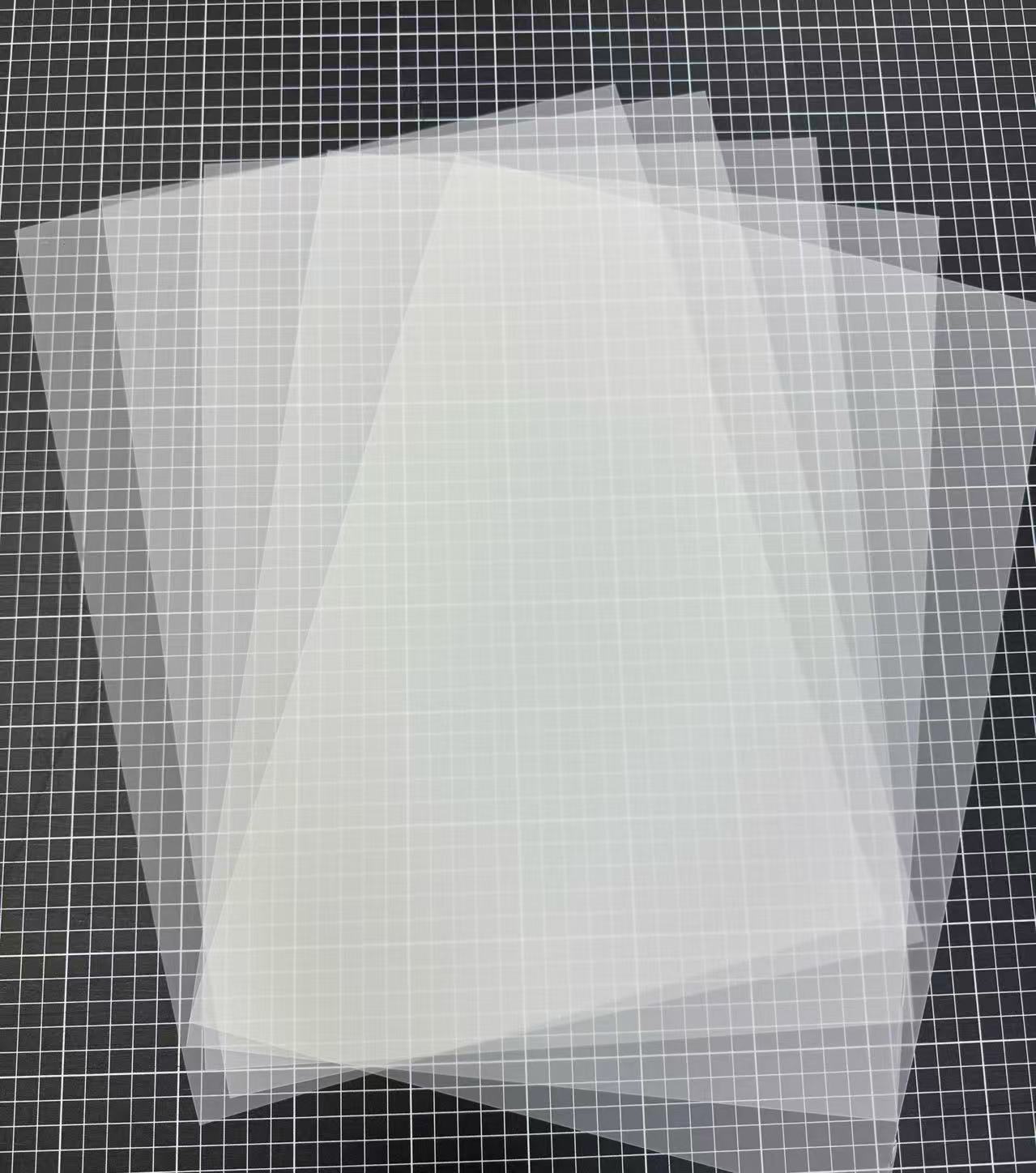
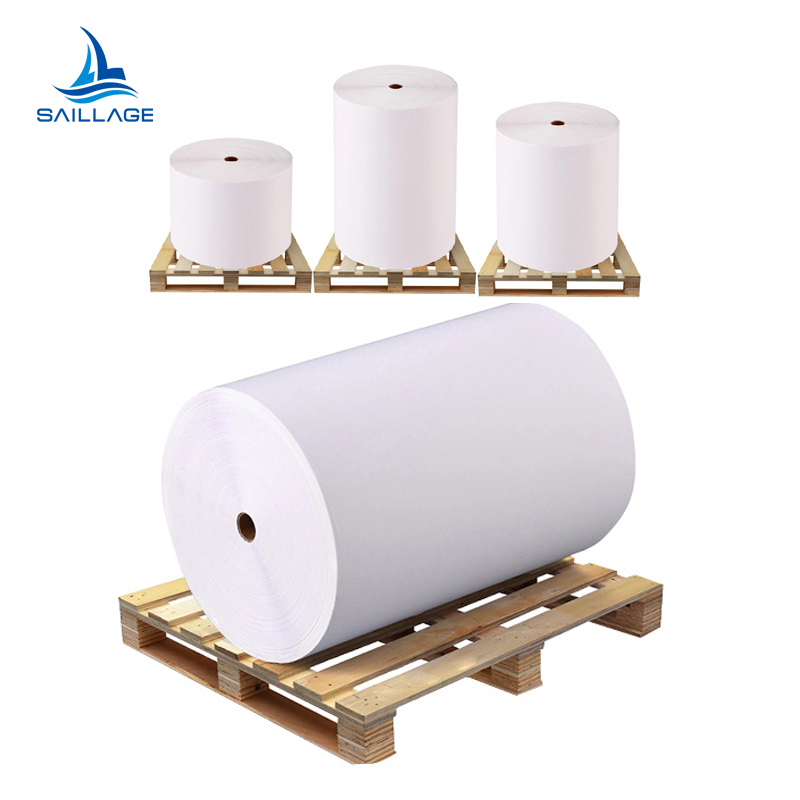
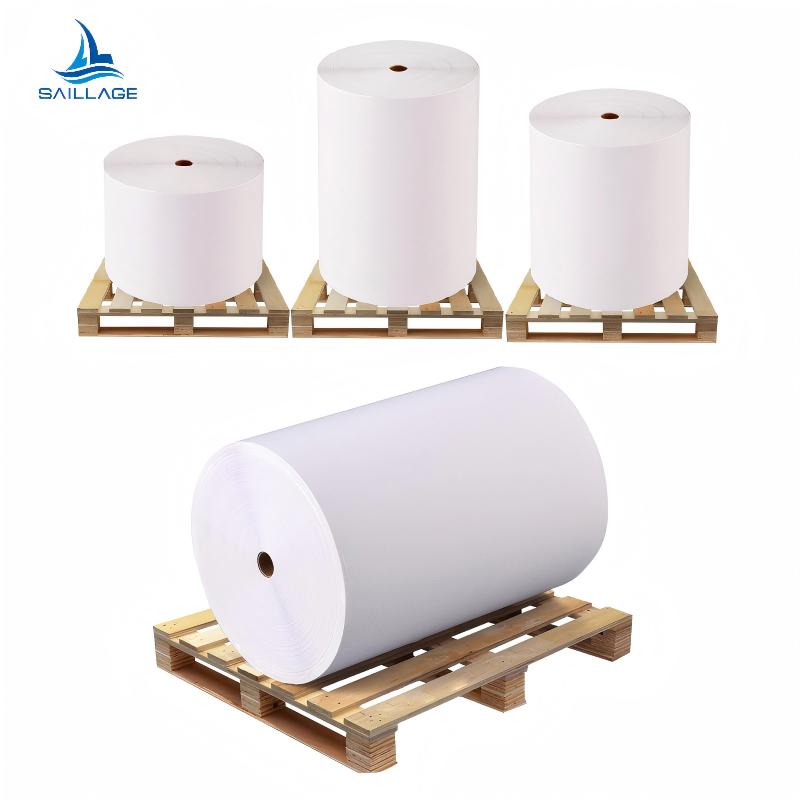
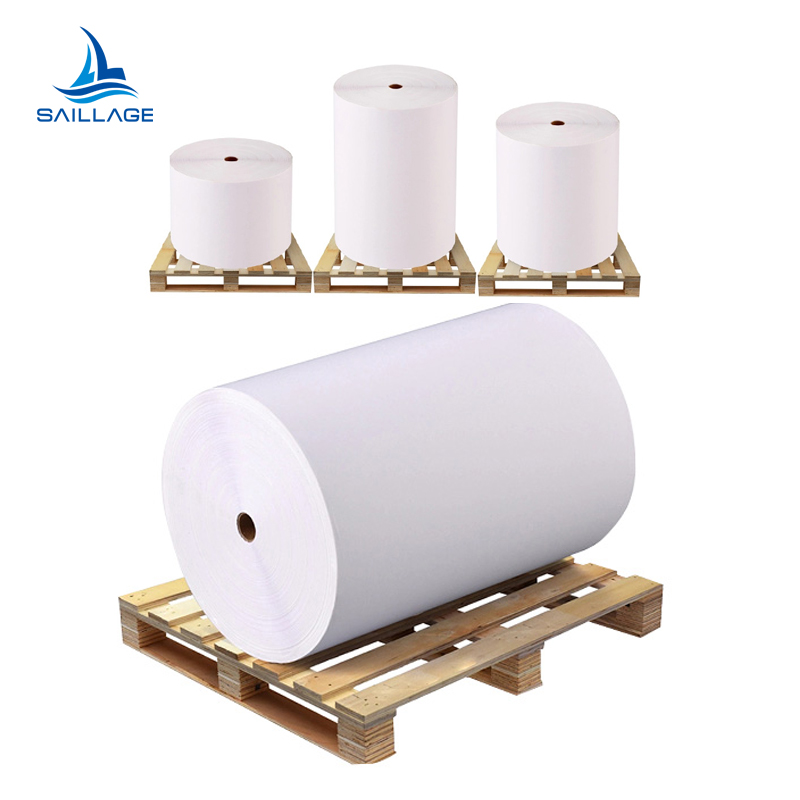
Why is DTF Film Quality Unstable? 4 Causes of Batch Inconsistency
Since its development in 2019, DTF film has gone through seven years of growth, yet batch-to-batch quality inconsistency remains the biggest pain point in the entire industry. Many manufacturers, including several leading players, still have not effectively solved this problem. Today, we will analyze the causes of batch quality instability from a production perspective.
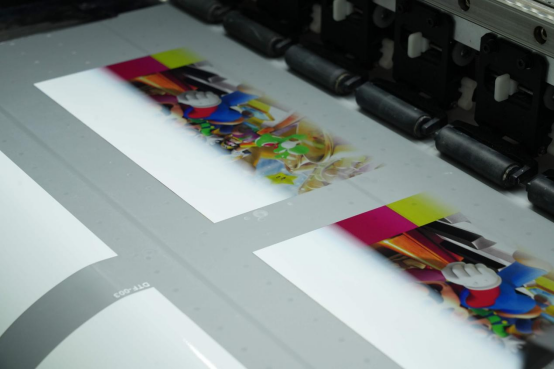
Category 1: Lack of Standardized Formulas and Processes (Industry-Wide Issue)
1. Formulas Not Locked
a) Many manufacturers lack a professional R&D team, and the proportions of coating components (resins, anti-static agents, adhesives, etc.) are not fixed, relying on operator experience for minor adjustments.
b) Even slight variations in ratios can lead to uneven coating thickness, unstable release force, and inconsistent powder adhesion, which directly affects printing quality and final product performance.
c) Missing formula records make it impossible to trace or reproduce problematic batches.
2. Lack of Production Experience
a) Many manufacturers have not established formal production standards or SOP cards, so process parameters such as machine speed, temperature, airflow, and tension rely entirely on experience.
b) When operators are replaced or inexperienced staff take over, production results become unpredictable, causing poor batch consistency.
3. Absence of Pilot Production Process
a) There is often no small-scale → pilot → full-scale production verification process; material changes or equipment adjustments are applied directly to large rolls.
b) Problems accumulate easily, leading to large-scale product defects or batch failures.
4. Insufficient Supplier Validation
a) After changing materials or suppliers, small-scale validation is often skipped and full-scale production begins directly. Even minor adjustments can be amplified, causing batch performance instability.
b) Incoming inspection and pre-production testing are insufficient, making risk uncontrollable.
Category 2: Lack of Process Quality Control (Leading to Recurring Issues)
1. Incoming Material Not Inspected
a) PET base DTF films and coatings are not tested for key properties such as thickness, shrinkage, transparency, tensile strength, elongation at break, or gloss.
b) No sample prints or small-scale tests are conducted before production. Any variation in raw material performance directly affects the entire batch.
2. No Process Control During Production
a) Each production step lacks systematic quality monitoring, allowing defective semi-finished products to pass downstream.
b) Once an abnormality occurs, it can accumulate into large-scale batch defects that are difficult to detect in time.
3. Coarse Finished Product Inspection
a) Testing frequency is low, and test items are not comprehensive (peel force, wash resistance, heat transfer performance, etc.), preventing timely detection of problems.
4. Batch Traceability Mechanism Missing
a) Raw material batch numbers, production parameters, machines, and production time are not recorded.
b) When a problem occurs, it cannot be traced to the root cause, making corrective action difficult.
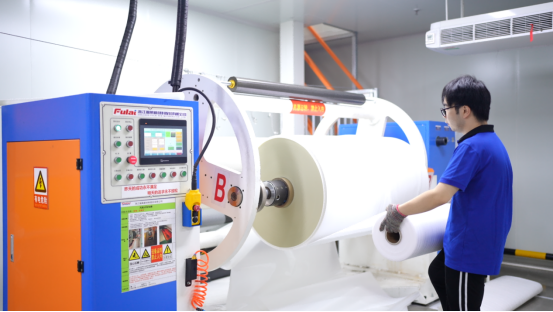
Category 3: Equipment Precision and Maintenance Deficiencies
1. Coating Roller Precision Issues
Poor parallelism or roundness of rollers causes uneven coating thickness.
2. Uneven Oven Heating
Aging heating elements or poor hot-air circulation lead to inconsistent drying.
3. Metering Pump and Filter Clogging
Flow fluctuations affect coating uniformity.
4. Lack of Online Monitoring
Without online measurement of coating thickness or peel force, problems accumulate and are only detected in finished products, making timely correction difficult.
5. Untimely Equipment Maintenance
Bearings, transmission systems, and temperature control systems lack regular maintenance, increasing production variability.
Category 4: Human Operation and Management Factors
1. Lack of Management Mechanism
Different shifts may use inconsistent parameters, and production data is not synchronized in real time, increasing batch variability.
2. Operation Reliant on Experience
Process adjustments, material changes, production speed, and tension control depend entirely on operator experience, with insufficient standardized training.
3. Communication and Record-Keeping Deficiencies
Abnormal event handling and production adjustments are not properly documented or communicated, allowing recurring issues to persist.



News & Events
learn more-
 Blog
Press Release Apr-17-2026
Blog
Press Release Apr-17-2026The Types of Coated Films for Label and Flexible Package Printing
Among the most widely used options are duplex fast dry coated PP film, Matte White BOPP Inkjet Film, HP indigo top coated White BOPP, and PET Both Side Coated for Laser Printing. Each type offers unique advantages depending on the printing technology and end-use application. -
 Blog
Press Release Apr-17-2026
Blog
Press Release Apr-17-2026Still Struggling with Edge Lifting in Instant Peel DTF?
The print looks perfect right after pressing, but once cooled or washed, the edges begin to curl or lift. This not only affects the appearance, but also leads to customer complaints and rework costs. So, what exactly causes this issue, and more importantly, how can the right DTF FILM help solve it? -
 Blog
Press Release Apr-17-2026
Blog
Press Release Apr-17-2026The Finish Types of BOPP Flower Wrapping Film
BOPP flower wrapping film is widely used due to its clarity, strength, and versatility. Different finish types of BOPP Flower Film are designed to meet diverse aesthetic and functional needs.

contact
Tel: +86 17706217416
Add: Building L2A, No. 520, Lane 1588, Zhuguang Road, Hongqiao World Center, Qingpu District, Shanghai, China
follow us: