
 English EN
 French FR
 German DE
 Portuguese PT
 Spanish ES
 Russian RU
 Japanese JA
 Korean KO
 Arabic AR
 Greek EL
 Turkish TR
 Italian IT
 Polish PL
 Hindi HI
 中国 CN
中国 CN
.webp)
Why is DTF Film Quality Unstable? 4 Causes of Batch Inconsistency
DTF film quality becomes unstable when the manufacturer fails to control four things: coating formulas that are not locked and documented, weak in-process quality control, imprecise or poorly maintained coating equipment, and experience-dependent operation without standardized management. Any one of these allows batch-to-batch variation in release force, powder adhesion, and transfer performance — even when your printer, ink, and press settings never change.
Since its emergence in 2019, DTF (direct-to-film) printing has grown into a mainstream garment decoration technology. Yet after seven years of rapid development, batch inconsistency remains the single biggest pain point of the DTF film industry, and even some leading manufacturers have not fully solved it. In this guide, we analyze each root cause from a film production perspective, show you how to identify which one is affecting your prints, and give you a practical checklist for qualifying a reliable DTF film supplier.
Key Takeaways
Batch inconsistency is a manufacturing problem, not a user problem: if your workflow is stable but results change between rolls, the variation was built into the film at the factory.
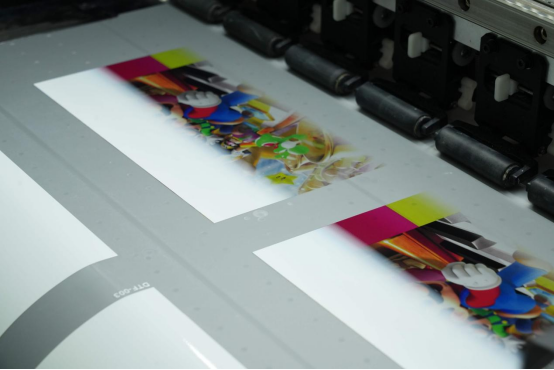
The coating layer is where consistency is won or lost: release force, ink absorption, and powder adhesion are all determined by coating formula, coating weight, and drying uniformity.
Suppliers who control their own coating are structurally more consistent: a factory that buys pre-coated PET from third parties cannot guarantee batch stability, because the decisive process is outside its control.
Buyers can protect themselves: batch testing, supplier audits, and per-batch documentation catch most problems before they reach production.
What Is DTF Film Batch Inconsistency?
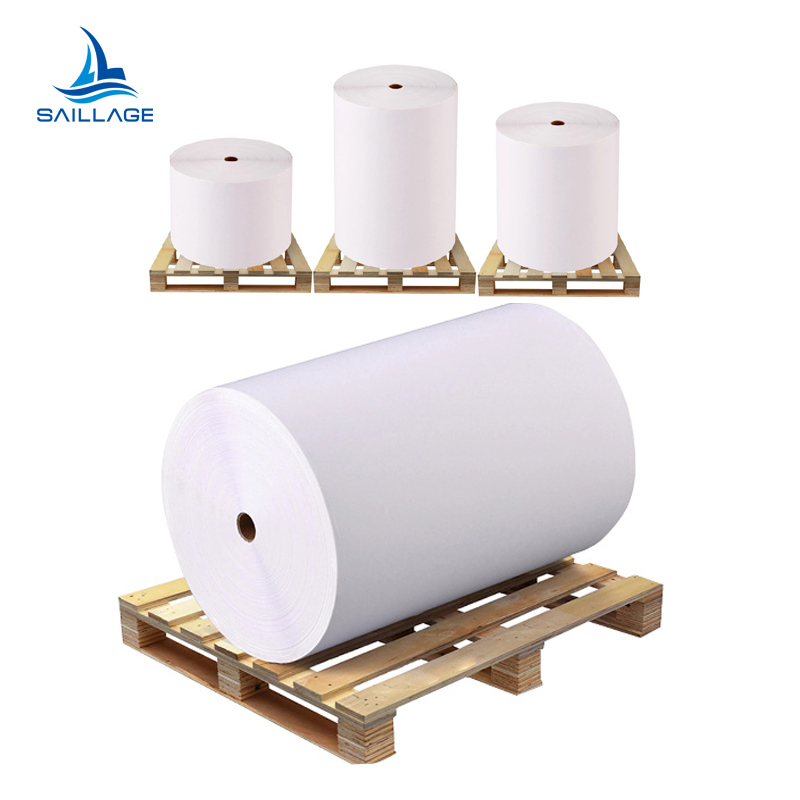
DTF film batch inconsistency is the variation in printing and transfer performance between different production lots of the same film product. A DTF transfer film consists of a PET base film (commonly 75 µm or 100 µm) coated with a functional layer that must hold ink during printing and release it cleanly during heat pressing. Because that coating is applied wet and dried in-line, small deviations in formula, coating weight, or drying conditions change how every roll in the batch behaves — while looking identical to the eye.
How to Recognize Batch Inconsistency in Daily Production
Print shops usually notice the problem before they can name it. Use this table to match what you see on the press to where it most likely originates:
| Symptom on Your Press | Most Likely Root Cause | Where It Originates |
|---|---|---|
| One roll peels cleanly, the next tears or leaves ink behind | Unstable release force between batches | Coating formula not locked; drying variation |
| Banding, ink dots, or color shifts with the same printer profile | Uneven coating thickness or curing | Coating roller precision; oven uniformity |
| Hot-melt powder sticks unevenly or falls off in patches | Inconsistent ink-receptive layer | Formula drift; raw material substitution |
| Wash fastness or stretch varies between orders | Batch-level material or process change | Supplier change without validation |
| Film curls or jams in the printer on some rolls only | PET base film variation; winding tension | No incoming material inspection |
All of these symptoms trace back to four categories of causes inside the film factory. Let's examine each one.
Cause 1: Lack of Standardized Formulas and Processes
Coating formulas are not locked
Many DTF film manufacturers lack a professional R&D team. The proportions of coating components — resins, anti-static agents, adhesion promoters — are not fixed in a controlled document, and operators fine-tune them by feel. Even slight variations in these ratios lead to uneven coating thickness, unstable release force, and inconsistent powder adhesion. Worse, when formula records are missing, a problematic batch can never be traced or reproduced for analysis, so the factory cannot learn from its own failures.
Production relies on experience instead of SOPs
Without formal production standards or SOP cards, process parameters such as line speed, drying temperature, airflow, and web tension depend entirely on the operator on duty. When staff change shifts or new operators take over, output quality becomes unpredictable. Consistency requires that two different operators, on two different days, produce the same film — and that is only possible when the process is written down and enforced.
No pilot-run verification before scale-up
A disciplined factory verifies every change through a small-scale trial, then a pilot run, and only then full-scale production. Where this three-stage process is skipped, material changes or equipment adjustments go straight onto jumbo rolls, and small deviations accumulate into large-scale batch failures that only surface when customers complain.
Insufficient supplier and material validation
When a raw material or supplier is switched — a new PET base film, a new resin lot — full production often begins without small-scale validation. Minor differences in raw materials are amplified through coating and drying. This risk is structural for suppliers who buy pre-coated PET from third parties: they do not control the coating formula at all, so batch consistency is out of their hands by design. If you are comparing suppliers, the question "do you coat in-house?" separates manufacturers from resellers faster than any other.
Cause 2: Weak In-Process Quality Control
Even a locked formula cannot survive a factory without quality checkpoints. Four QC gaps appear again and again in unstable DTF film production:
Incoming materials are not inspected: PET base film and coating chemicals should be tested for thickness, heat shrinkage, transparency, tensile strength, elongation at break, and gloss before use. If no sample prints or small-scale tests are run, any variation in raw material performance passes directly into the finished batch.
No monitoring during production: when each process step lacks systematic quality checkpoints, defective semi-finished film flows downstream, and an abnormality can grow into a full batch defect before anyone notices.
Coarse finished-product inspection: low testing frequency and incomplete test items — peel force, wash resistance, heat transfer performance — mean problems are found by the customer, not by the factory.
No batch traceability: if raw material lot numbers, production parameters, machine IDs, and production times are not recorded, a complaint can never be traced to its root cause, so the same problem keeps recurring batch after batch.
Cause 3: Equipment Precision and Maintenance Deficiencies
Coating is a precision process: the functional layer on a DTF transfer film is measured in microns, so mechanical error anywhere on the line shows up in the finished product.
Coating roller precision: poor parallelism or roundness of the coating rollers directly causes uneven coating thickness across the web width.
Uneven oven heating: aging heating elements or poor hot-air circulation produce inconsistent drying and curing, which changes release behavior along the length of the roll.
Metering pump and filter clogging: flow fluctuations translate directly into coating weight fluctuations.
No online monitoring: without in-line measurement of coating thickness or peel force, deviations are only discovered in finished-product testing — far too late to correct the roll.
Delayed maintenance: bearings, drive systems, and temperature control units that are not maintained on schedule add random variability to every production run.
Cause 4: Human Operation and Management Factors
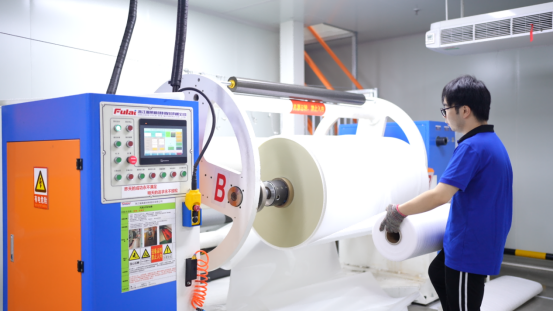
No cross-shift management mechanism: different shifts run different parameters, and production data is not synchronized in real time, so variability is built into the schedule itself.
Experience-dependent operation: process adjustments, material changes, line speed, and tension control depend on individual judgment rather than standardized training and certification.
Poor records and communication: abnormal events and process adjustments that are not documented or handed over allow the same issues to persist for months.
How Do Professional Manufacturers Keep DTF Film Consistent?
A stable DTF film manufacturer controls every one of the four causes above with a closed-loop system: locked and version-controlled coating formulas, incoming inspection of every PET and chemical lot, documented SOPs with cross-shift parameter synchronization, pilot-run verification of every material or process change, in-line monitoring of coating weight, scheduled equipment maintenance, full-item finished-product testing (peel force, wash resistance, transfer performance), and batch records that trace every roll back to its raw materials. None of these steps is exotic — the difference between stable and unstable suppliers is simply whether the system is actually enforced on every batch.
How to Choose a DTF Film Supplier You Can Rely On
You cannot control your supplier's factory, but you can control how you qualify one. Follow these five steps:
Ask who controls the coating: a manufacturer that develops and applies its own coating formula in-house can hold tolerances that a trading company or converter buying pre-coated PET simply cannot.
Request batch documentation: a serious supplier provides an inspection report per batch and can trace any roll back to its raw material lots and production parameters. Ask to see a real example before you order.
Test every new batch before production: run a short print, press, peel, and wash test on each incoming batch, and file the results together with the batch number printed on the roll label.
Keep your own press logs: recording temperature, time, and pressure per job lets you separate film problems from process drift on your own side — and gives you evidence when you file a complaint.
Store film correctly: keep rolls sealed in original packaging, away from humidity and direct sunlight, so storage conditions never masquerade as a batch problem.
Frequently Asked Questions
What causes DTF film quality to vary between batches?
The four main causes are unlocked coating formulas, missing in-process quality control, imprecise or poorly maintained coating equipment, and experience-dependent operation without standardized management. All four originate at the film factory, which is why the same user workflow can produce different results from different rolls.
Why does the same DTF film sometimes peel differently?
Peel behavior is controlled by the release coating. If the coating formula, coating weight, or drying conditions varied between production batches, release force changes — so one roll peels cleanly while another tears or leaves ink behind, even at identical press settings.
How can I test a new batch of DTF film before production?
Print a small standard test design, apply powder, cure, and press it onto your most common fabric using your normal parameters. Check peel behavior, opacity, fine-line sharpness, and hand feel, then wash the sample once. File the results with the batch number so future complaints are traceable.
Does storage affect DTF film consistency?
Yes. The functional coating is moisture-sensitive, so rolls stored unsealed in humid conditions can absorb moisture and change their ink absorption and release behavior. Keep film sealed in its original packaging, in a cool and dry room away from direct sunlight, and reseal partially used rolls.
How do I identify a reliable DTF film manufacturer?
Look for in-house coating with locked formulas, per-batch inspection reports, full batch traceability, and willingness to share quality documentation and samples. Suppliers who buy pre-coated PET from third parties cannot control batch consistency, no matter how good their service is.
Is batch inconsistency ever caused by the printer or press instead of the film?
It can be — worn press heating elements, ink batch changes, and humidity swings in the print room all affect results. The way to isolate the cause is a controlled comparison: press the suspect roll and a known-good roll side by side with identical settings. If only the suspect roll fails, the film is the variable.
Conclusion
Batch inconsistency in DTF film is not bad luck — it is the predictable result of unlocked formulas, missing process control, imprecise equipment, and experience-dependent management. As a film manufacturer, SAILLAGE addresses these four causes at the source: locked coating formulas, incoming and in-process inspection, pilot-run verification of every change, and full batch traceability. If you have been struggling with rolls that behave differently from one order to the next, we are glad to share our quality control documentation and provide samples for your own batch testing.



News & Events
learn more-
 Blog
Press Release Apr-17-2026
Blog
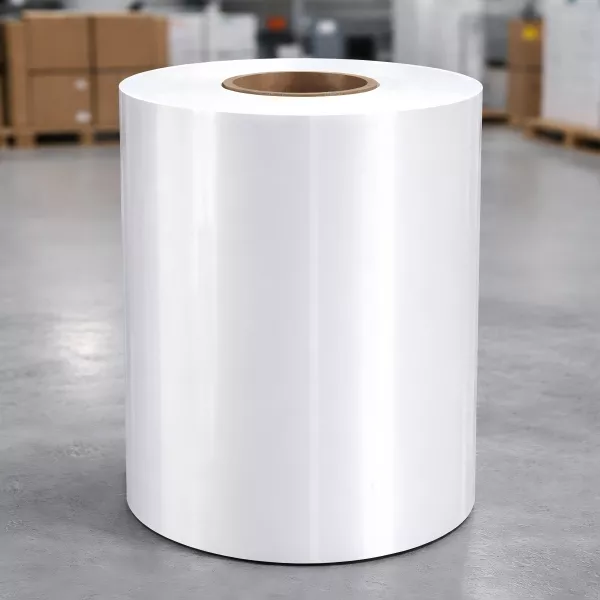
Press Release Apr-17-2026The Types of Coated Films for Label and Flexible Package Printing
Among the most widely used options are duplex fast dry coated PP film, Matte White BOPP Inkjet Film, HP indigo top coated White BOPP, and PET Both Side Coated for Laser Printing. Each type offers unique advantages depending on the printing technology and end-use application. -
 Blog
Press Release Apr-17-2026
Blog
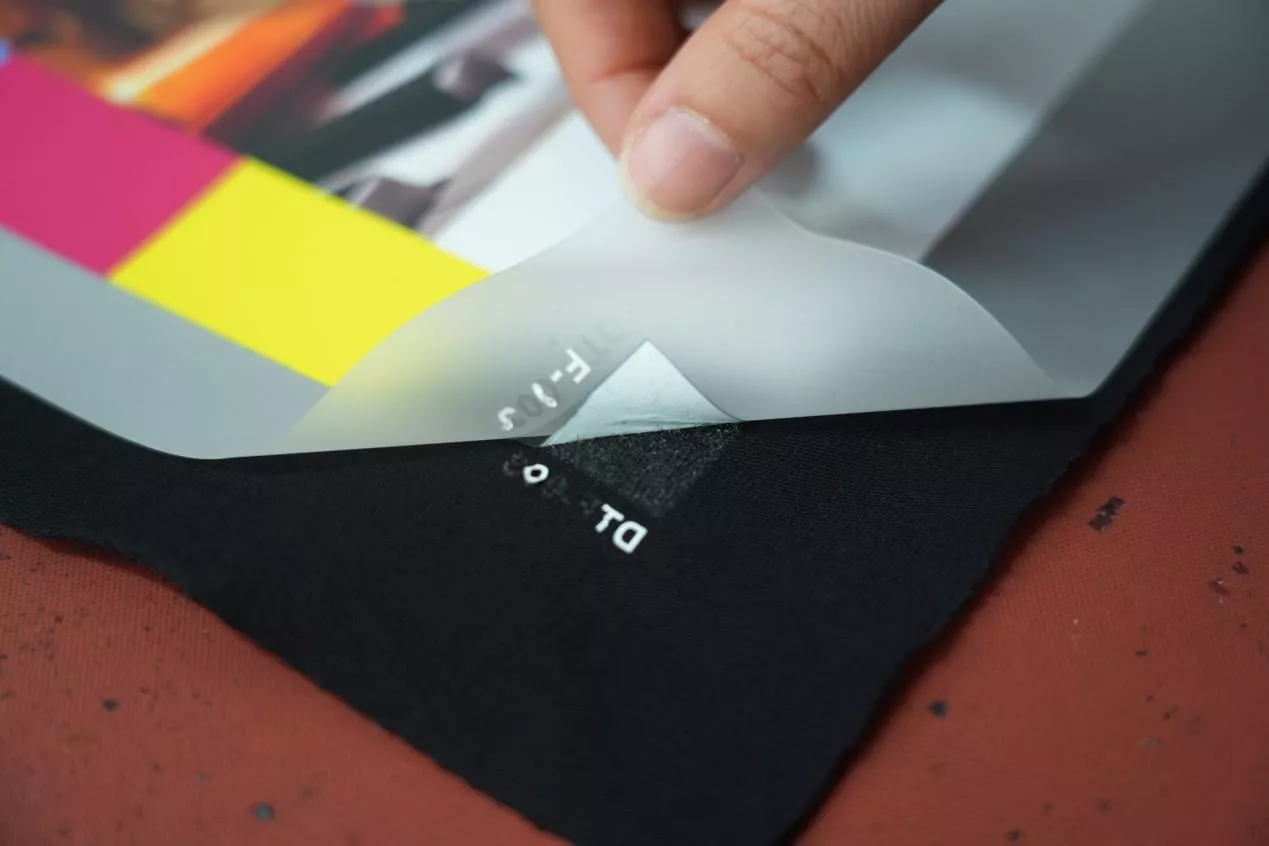
Press Release Apr-17-2026Still Struggling with Edge Lifting in Instant Peel DTF?
The print looks perfect right after pressing, but once cooled or washed, the edges begin to curl or lift. This not only affects the appearance, but also leads to customer complaints and rework costs. So, what exactly causes this issue, and more importantly, how can the right DTF FILM help solve it? -
 Blog
Press Release Apr-17-2026
Blog
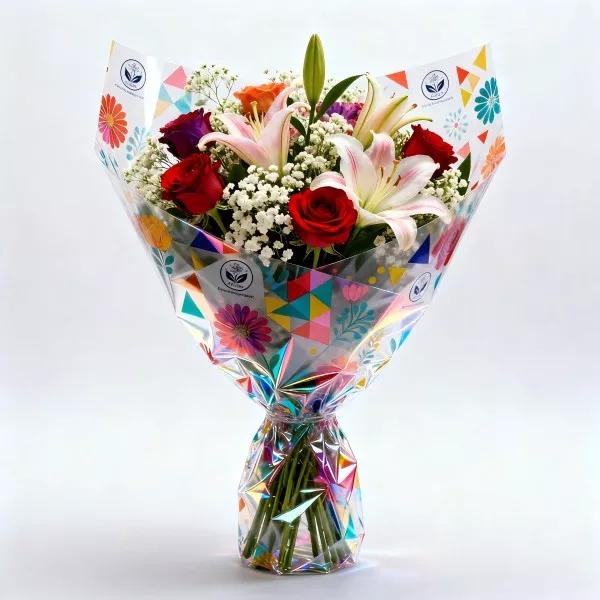
Press Release Apr-17-2026The Finish Types of BOPP Flower Wrapping Film
BOPP flower wrapping film is widely used due to its clarity, strength, and versatility. Different finish types of BOPP Flower Film are designed to meet diverse aesthetic and functional needs.

contact
Tel: +86 17706217416
Add: Building L2A, No. 520, Lane 1588, Zhuguang Road, Hongqiao World Center, Qingpu District, Shanghai, China
follow us: