
 English EN
 French FR
 German DE
 Portuguese PT
 Spanish ES
 Russian RU
 Japanese JA
 Korean KO
 Arabic AR
 Greek EL
 Turkish TR
 Italian IT
 Polish PL
 Hindi HI
 中国 CN
中国 CN
.webp)
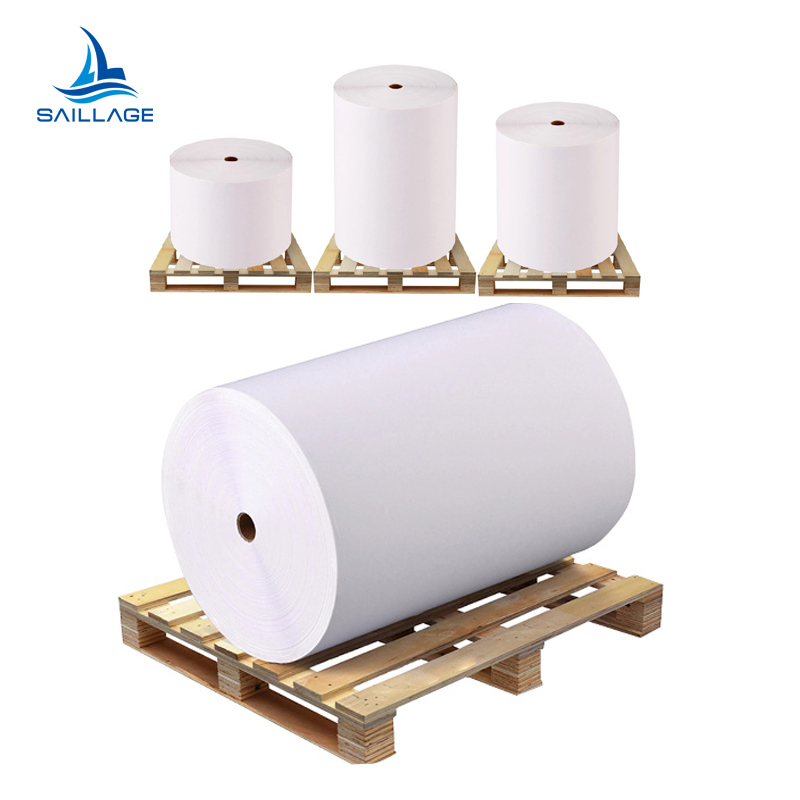
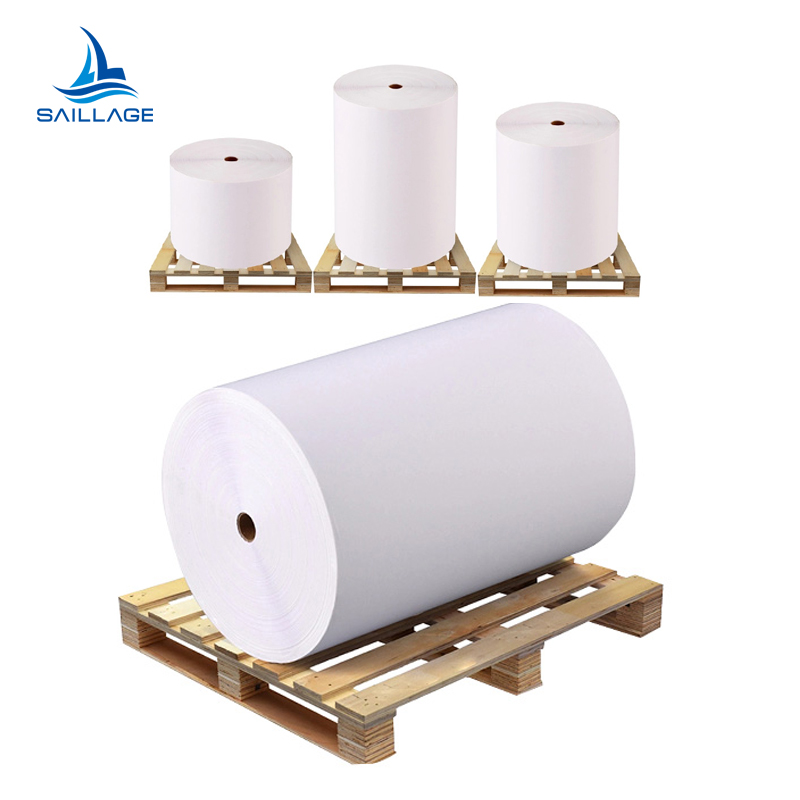
Still Struggling with Edge Lifting in Instant Peel DTF?
Still Struggling with Edge Lifting in Instant Peel DTF?
If you are working with instant peel transfers, you may have already faced one of the most frustrating issues in DTF printing — edge lifting.
The print looks perfect right after pressing, but once cooled or washed, the edges begin to curl or lift. This not only affects the appearance, but also leads to customer complaints and rework costs.
So, what exactly causes this issue, and more importantly, how can the right DTF FILM help solve it?
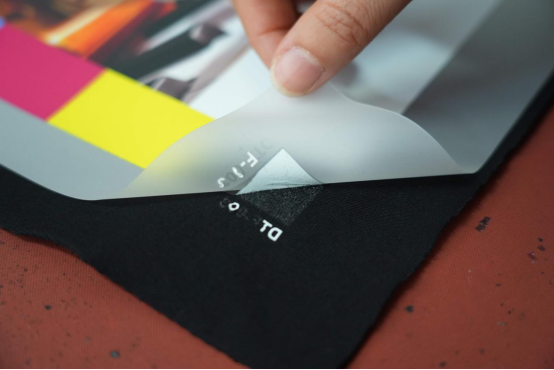
What Causes Edge Lifting in Instant Peel DTF?
Edge lifting is rarely caused by a single factor. Instead, it is usually the result of several variables interacting with each other:
1. Inadequate Release Layer Stability
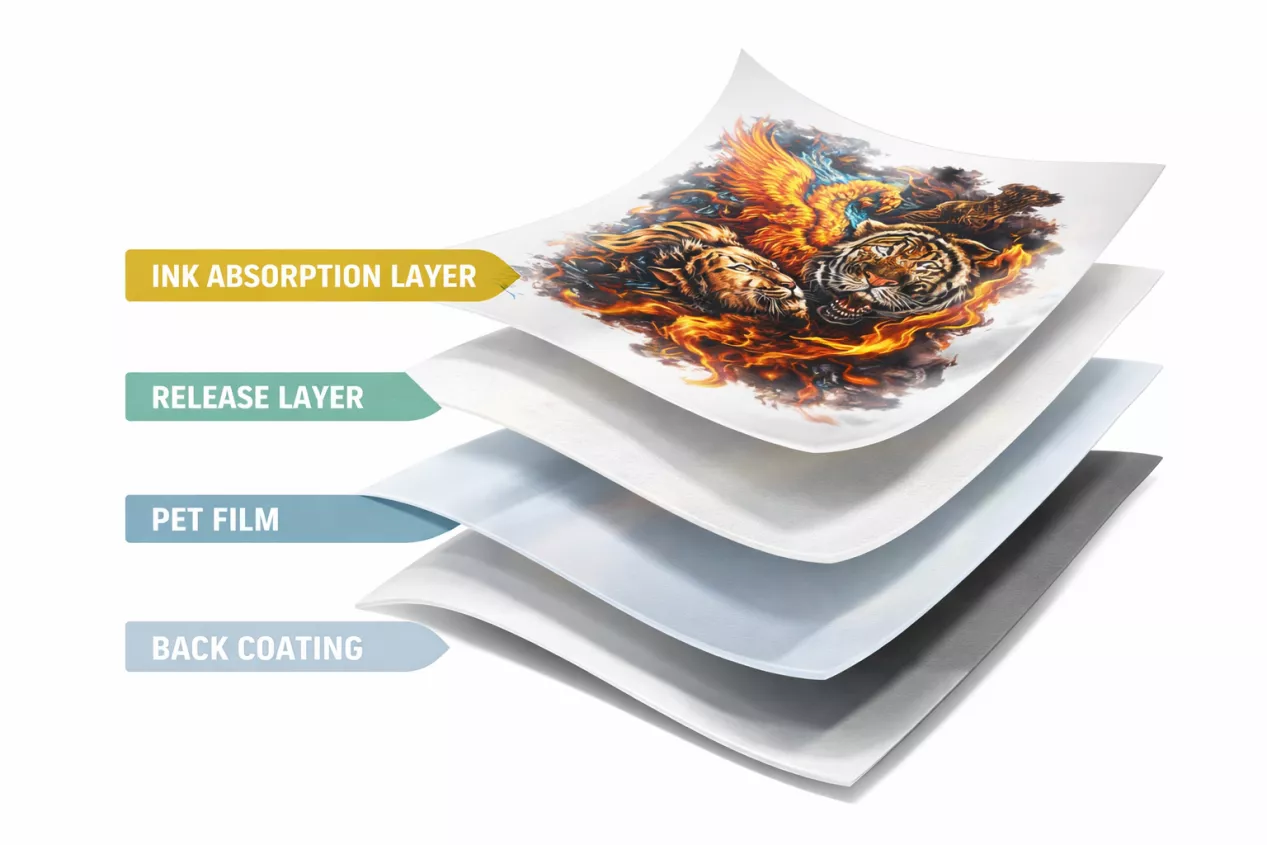
The release layer in DTF FILM plays a critical role during the instant peel process. If the coating is not stable enough, it may release unevenly, leading to weak adhesion at the edges.
2. Uneven Powder Distribution
When powder sticks unevenly — especially near the edges — it creates weak bonding zones. Even a high-quality print can fail if the powder application is inconsistent.
3. Poor Coating Formulation
Not all DTF FILM is designed for instant peel performance. Some films are optimized for cold peel, and when used for instant peel, they may cause incomplete transfer or edge lifting.
4. Incorrect Pressing Conditions
Temperature, pressure, and time must be precisely controlled. Too low pressure or insufficient curing can lead to weak adhesion, especially at the edges.
Why Your DTF FILM Matters More Than You Think?
Many users try to fix edge lifting by adjusting machines or powder, but overlook the most critical factor — the DTF FILM itself.
· A high-quality DTF FILM is engineered to ensure:
· Consistent release behavior during instant peel
· Uniform coating thickness for stable transfer
· Strong edge adhesion to prevent lifting
· Anti-static performance to reduce powder sticking issues
When the DTF FILM is stable, your entire process becomes more forgiving and repeatable.
Key Features to Look for in DTF FILM
If edge lifting is a recurring problem, consider evaluating your current DTF FILM based on these factors:
✔ Stable Instant Peel Performance
The film should release cleanly without tearing or partial transfer.
✔ Clean Powder Handling
A good DTF FILM should prevent powder from sticking randomly, especially along edges.
✔ Strong Edge Bonding
This is critical — the coating must support even adhesion across the entire design.
✔ Batch-to-Batch Consistency
Inconsistent quality between batches is a hidden cause of unstable results.
Practical Tips to Reduce Edge Lifting
Along with choosing the right DTF FILM, here are some practical adjustments:
· Increase pressure slightly to improve edge contact
· Ensure even powder shaking and remove excess powder
· Verify curing temperature is sufficient for full bonding
· Test different peel timing (immediate vs. slight delay)
However, if you find yourself constantly adjusting settings, it may be a sign that your DTF FILM is not optimized for instant peel.
Final Thoughts
Edge lifting is not just a minor defect — it directly impacts product quality, customer satisfaction, and your production efficiency.
While multiple factors contribute to this issue, choosing a reliable and well-engineered DTF FILM is often the most effective and long-term solution.
If your current film cannot deliver stable instant peel performance, it may be time to re-evaluate your material choice — because in DTF printing, consistency is everything.



News & Events
learn more-
 Blog
Press Release Apr-03-2026
Blog
Press Release Apr-03-2026Does More Coating Layers Really Mean Better DTF Film?
In the DTF printing industry, a common belief is: the more coating layers, the better the film. But is that really true? When it comes to SAILLAGE DTF FILM, the answer is more nuanced—and understanding it can help you make smarter purchasing decisions. -
 Blog
Press Release Apr-03-2026
Blog
Press Release Apr-03-2026Introducing Our New Premium Instant Peel DTF Film: Precision Meets Performance
Precision meets performance. Our premium DTF film ensures 0.5pt line reproduction and a soft hand feel. Ideal for fashion brands demanding vibrant, durable transfers. Learn more. -
 Blog
Press Release Apr-03-2026
Blog
Press Release Apr-03-2026Which DTF Film Is Better? Cold Peel vs. Hot Peel vs. Instant Peel, A Complete Comparison
There is no single “best” DTF film—cold peel, hot peel, and instant peel each have their own strengths, tailored to different production needs. The key is to match the film type to your workflow, substrate, and quality requirements. By understanding the differences between these three variants, you can make an informed choice that optimizes your production efficiency and print quality.

contact
Tel: +86 17706217416
Add: Building L2A, No. 520, Lane 1588, Zhuguang Road, Hongqiao World Center, Qingpu District, Shanghai, China
follow us: