
 English EN
 French FR
 German DE
 Portuguese PT
 Spanish ES
 Russian RU
 Japanese JA
 Korean KO
 Arabic AR
 Greek EL
 Turkish TR
 Italian IT
 Polish PL
 Hindi HI
 中国 CN
中国 CN
.webp)
How Humidity and Temperature Affect BOPP Film During Storage and Transit
Introduction: The Hidden Cost of Environmental Exposure
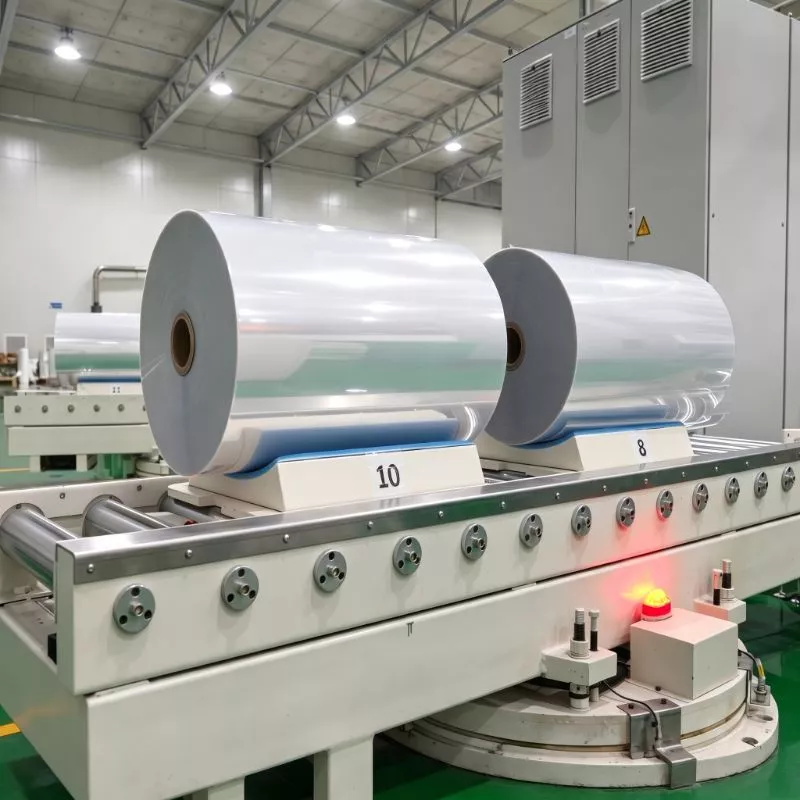
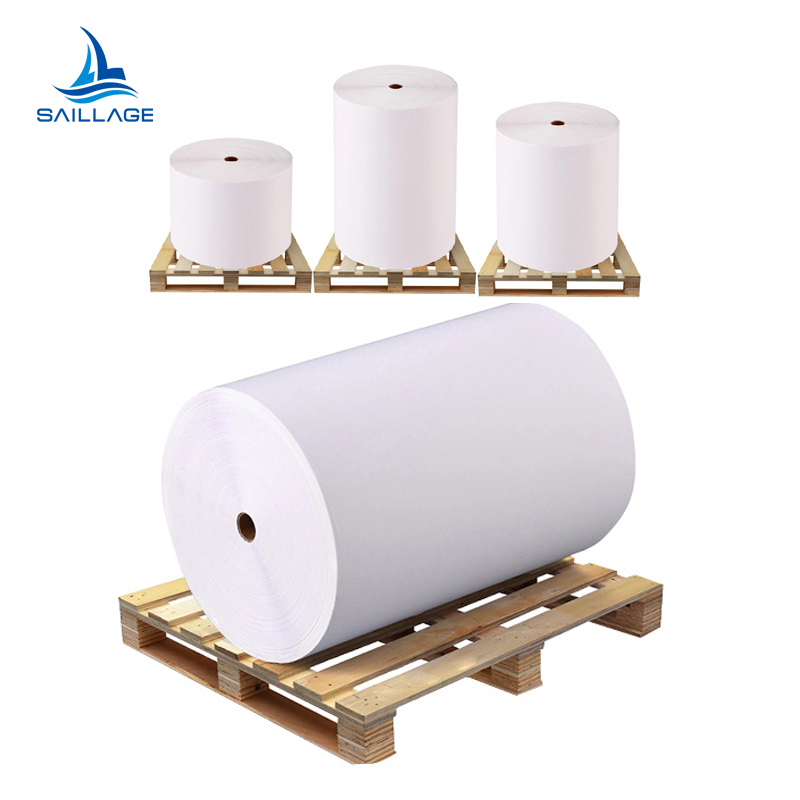
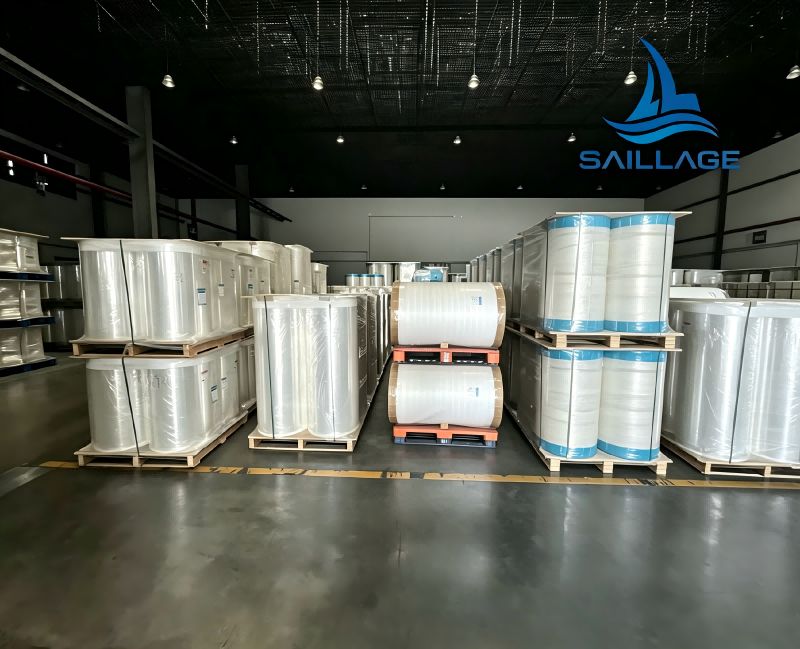
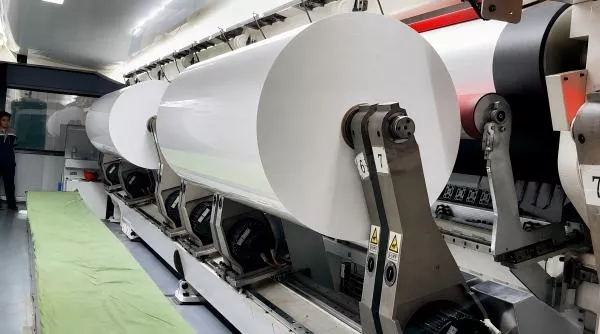
For BOPP film converters, distributors, and end-users, the quality of finished packaging depends not only on the film's initial specifications but on how that film has been stored and handled from the moment it left the slitter. BOPP films are engineered materials with precisely controlled properties - surface energy, coefficient of friction, optical clarity, and mechanical strength - all of which can degrade irreversibly when BOPP films in roll are exposed to improper temperature and humidity conditions during storage and transit.
The problem is pervasive and often invisible until the film reaches production. A BOPP film that passes incoming visual inspection may still fail on the press due to corona decay from heat exposure during ocean transit, or develop blocking from humidity absorbed during warehouse storage. Industry data indicates that BOPP films in stock stored above 38°C for more than 72 hours can lose 6-8 dynes/cm of surface energy, dropping below the minimum 36 dynes/cm threshold required for reliable ink adhesion and lamination bond strength.
For warehouse managers, procurement professionals, and technical decision-makers, understanding the physical mechanisms behind these degradations is essential to protect material investments and ensure consistent production outcomes.
Key Takeaways
BOPP films are sensitive to both temperature and humidity extremes; storage conditions directly determine shelf life and processability.
Corona-treated BOPP films in roll lose surface energy over time - the decay rate accelerates exponentially above 30°C.
Humidity affects BOPP films in stock through indirect mechanisms: core deformation, surface contamination, and altered barrier properties.
Proper storage protocols (18-25°C, 45-65% RH) can maintain BOPP films in usable condition for 6-12 months from manufacture date.
The Material Science: Why BOPP Responds to Environment
Understanding how temperature and humidity affect BOPP films requires examining the material's molecular structure and surface characteristics.
Temperature Effects: Molecular Mobility and Surface Degradation
Biaxially oriented polypropylene is a semi-crystalline polymer. The biaxial orientation process aligns molecular chains to impart strength and clarity. However, this orientation is a metastable state - when BOPP films in roll are exposed to elevated temperatures, the polymer chains gradually relax, leading to dimensional changes, increased haze, and reduced mechanical properties.
The most significant temperature-related degradation affects corona treatment. Most BOPP films receive corona discharge treatment to raise surface energy from approximately 32 dynes/cm (untreated) to 38-42 dynes/cm, enabling ink and adhesive adhesion. This treatment decays over time, and the decay rate follows an Arrhenius-type relationship with temperature. At 23°C and 50% RH, a well-packaged BOPP film loses roughly 2-3 dynes/cm over three months. At 38°C, that same BOPP film in stock can drop 6-8 dynes/cm in just six weeks. Below 36 dynes/cm - the threshold specified in ASTM D2578 for wetting tension of polyolefin films - adhesion becomes inconsistent and delamination risks increase substantially.
High temperatures also affect coefficient of friction (COF). BOPP films stored above 35°C may develop increased slipperiness due to additive migration, creating feeding problems on high-speed packaging lines.
Humidity Effects: Moisture's Indirect Impact
Unlike hydrophilic materials like nylon or paper, biaxially oriented polypropylene is hydrophobic and does not absorb significant moisture. However, humidity affects BOPP films in roll through several indirect mechanisms:
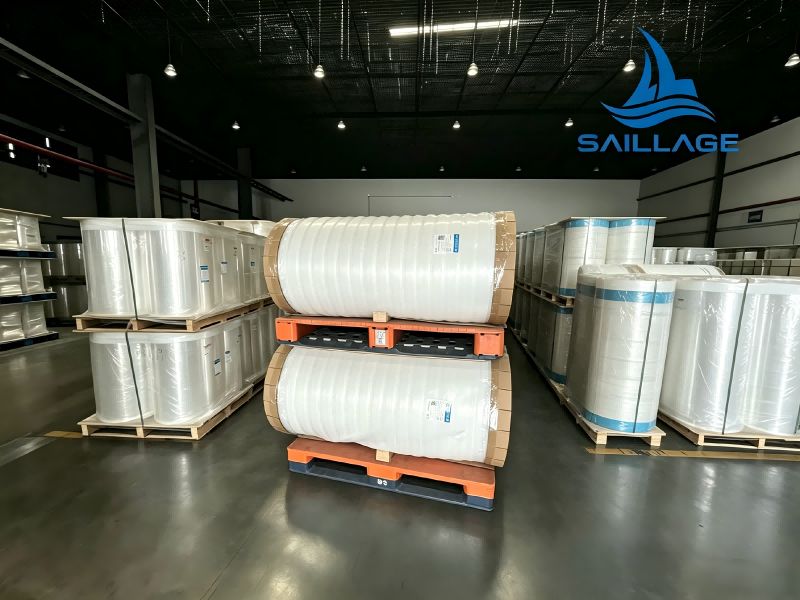
Core deformation. When BOPP films in stock are exposed to high humidity (above 75% RH), moisture can penetrate cardboard cores, causing them to swell. This creates uneven tension distribution across the BOPP film in roll, leading to telescoping, edge weave, or "starring" - radial wrinkles propagating from the core that are unrecoverable.
Blocking. High humidity can accelerate migration of certain masterbatch additives (slip agents, antistats) to the film surface, creating tackiness between layers. This blocking can cause film breakage during unwinding.
Barrier property effects. While BOPP films themselves are excellent moisture barriers, temperature and humidity jointly affect performance. Academic research has demonstrated that the water vapor transmission rate (WVTR) of BOPP films increases linearly with relative humidity, while oxygen transmission rate (OTR) decreases slightly with increasing RH.
Application Scenarios: How Environmental Exposure Affects Real Operations
The consequences of improper storage manifest differently across the supply chain. Understanding these scenarios helps warehouse managers and procurement professionals implement targeted protections.
Scenario 1: Ocean Transit - The Hidden Temperature Spike
BOPP films shipped from Asian manufacturing hubs to global markets face the most severe environmental challenges. A standard 20-foot container from South China to the US West Coast takes 14-18 days at sea. During summer months, container internal temperatures regularly reach 45-55°C during the first 48-72 hours after loading, while the container sits in unshaded port yards before vessel loading.
For BOPP films in roll, this thermal exposure can cause:
Accelerated corona decay: A roll shipped during summer may arrive with surface energy below the minimum threshold, rendering it unsuitable for printing or lamination without retreatment.
Thermal shrinkage: Temperature differentials between outer and inner layers of BOPP films in roll can create internal stresses manifesting as wrinkles.
Adhesive degradation: For heat-sealable BOPP films, elevated temperatures can partially activate seal layers, creating blocking or reduced seal performance.
Mitigation: Use in-container temperature loggers on all ocean shipments of sensitive BOPP films. Upon arrival, condition BOPP films in stock at 23°C for a minimum of 12 hours before unwinding, and test dyne level (38-42 dynes/cm minimum) before releasing to production.
Scenario 2: Warehouse Storage - The Gradual Decline
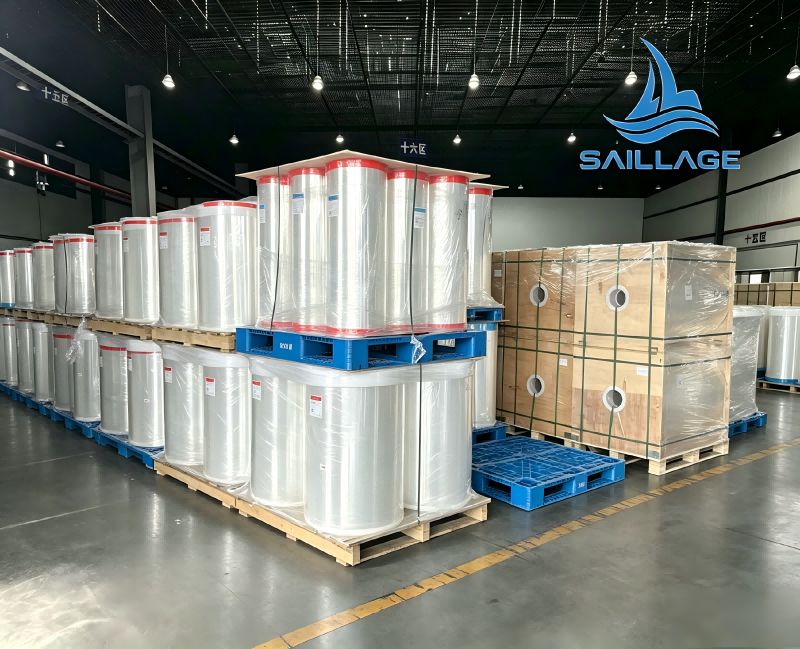
BOPP films in stock stored in ambient warehouses face gradual but cumulative degradation. The primary risks vary by season and geography.
Hot-humid climates. In regions with summer temperatures exceeding 35°C and RH above 70%, BOPP films in roll stored without climate control may experience:
Corona decay to below acceptable levels within 4-6 weeks.
Blocking at edges and internal layers due to additive migration.
Haze increase, reducing optical clarity for transparent packaging applications.
Cold-dry climates. BOPP films stored below 10°C become brittle; during winter in unheated warehouses, films may crack during handling. Below 35% RH, static charge buildup in BOPP films in roll increases, causing surface micro-abrasion and interlayer blocking that manifests as haze on matte finishes.
Scenario 3: In-Plant Storage - Between Receiving and Production
Even after BOPP films in roll enter the converting facility, risks remain. BOPP films in stock held in production staging areas may be exposed to heat from adjacent machinery, direct sunlight through skylights, or humidity from open loading bays.
Industry best practice recommends allowing BOPP films to reach operating room temperature for 24 hours before use. This acclimatization period prevents condensation forming on cold BOPP films in roll when introduced to warm production environments, which would create surface defects and adhesion problems.
Solution Comparison: Controlled vs. Ambient Storage
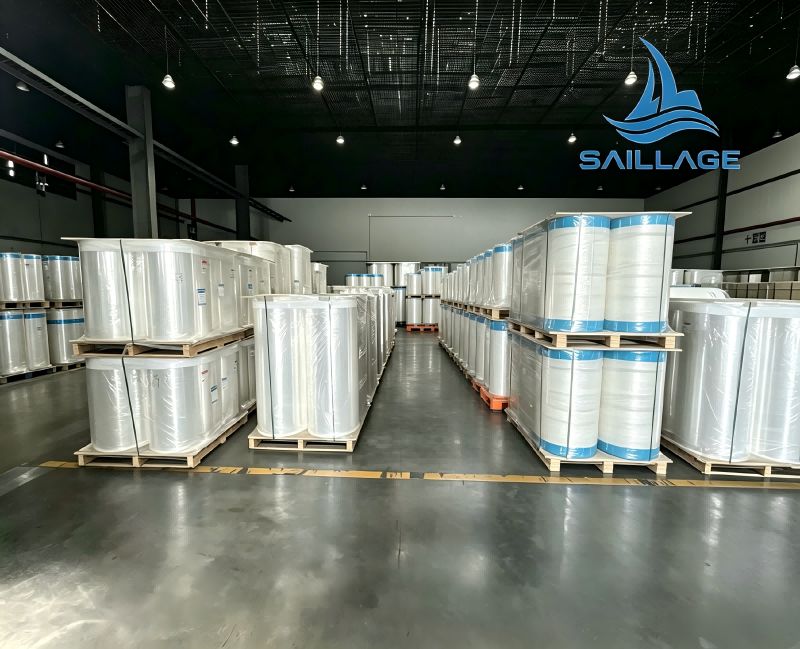
The decision to invest in climate-controlled storage for BOPP films involves weighing costs against risks. The table below compares outcomes across scenarios relevant to warehouse managers and procurement professionals.
| Parameter | Climate-controlled storage (18-25°C, 45-65% RH) | Ambient storage (10-35°C, variable RH) |
|---|---|---|
| Corona retention (12 months) | 36-40 dynes/cm - within specification for most applications | Often drops below 34 dynes/cm within 6 months - rejects or requires retreatment |
| Blocking risk | Minimal; additives remain stable | Elevated, especially above 70% RH; film breakage on unwinding possible |
| Optical clarity retention | Maintained for 12+ months | Haze increase observable within 3-6 months in high-temperature exposure |
| Core integrity | Stable | Swelling/warping possible above 75% RH; telescoping and edge damage |
| Shelf life (usable) | 12 months (6 months for metallized grades) | 3-6 months maximum; supplier warranty voided |
| Storage cost (per m²) | 15-20% premium over ambient | Baseline |
For food-contact structures requiring barrier properties, humidity control is particularly critical. If BOPP films are part of EVOH-containing laminates, barrier performance can degrade permanently if conditioned above 80% RH for more than 48 hours.
Frequently Asked Questions
What temperature range is safe for storing BOPP films?
The recommended storage temperature for BOPP films is 0-30°C, with an absolute maximum of 35°C. For optimal performance, maintain BOPP films in stock at 18-25°C. Temperatures below 10°C increase brittleness; above 35°C, corona decay accelerates and additive migration becomes problematic.
How long can BOPP films be stored before the corona treatment becomes ineffective?
At standard conditions (23°C, 50% RH), BOPP films in roll maintain usable corona treatment for approximately 6 months for metallized grades and up to 12 months for standard films. However, this window contracts significantly at elevated temperatures - above 35°C, dyne levels may drop below the 36 dynes/cm minimum within 4-6 weeks.
How do I test whether stored BOPP film is still usable?
The dyne test per ASTM D2578 is the primary indicator. Corona-treated BOPP films should show 38-42 dynes/cm for reliable print and lamination adhesion. Values below 36 dynes/cm warrant retreatment or rejection. Additionally, visually inspect for haze, blocking (tackiness between layers), and core deformation. For BOPP films in stock requiring barrier properties, test OTR and WVTR if storage conditions exceeded 75% RH.
Can BOPP films be re-treated if corona has decayed?
In-line corona treatment on the press can restore surface energy for immediate processing. However, re-treatment does not reverse other environmental degradation (haze, embrittlement, blocking). Any BOPP film in roll showing significant visual or mechanical changes should be rejected regardless of re-treatment potential.
Conclusion: Protect Your BOPP Film Investment
The performance of BOPP films in production - whether for flexible packaging, labels, or laminating - is determined as much by storage and transit conditions as by the quality of the film itself. BOPP films in roll are precision materials; their engineered properties degrade when environmental controls lapse.
For warehouse managers and procurement professionals, the actionable principles are clear: specify temperature and humidity monitoring on all inbound shipments, maintain BOPP films in stock at 18-25°C and 45-65% RH, and condition rolls for 24 hours before use. For distributors and converters seeking reliable BOPP films with documented storage protocols, SAILLAGE offers technical guidance and quality-assured BOPP film series backed by comprehensive product specifications - contact our technical team for storage recommendations tailored to your climate and lead times.




News & Events
learn more-
 Blog
Press Release Aug-07-2026
Blog
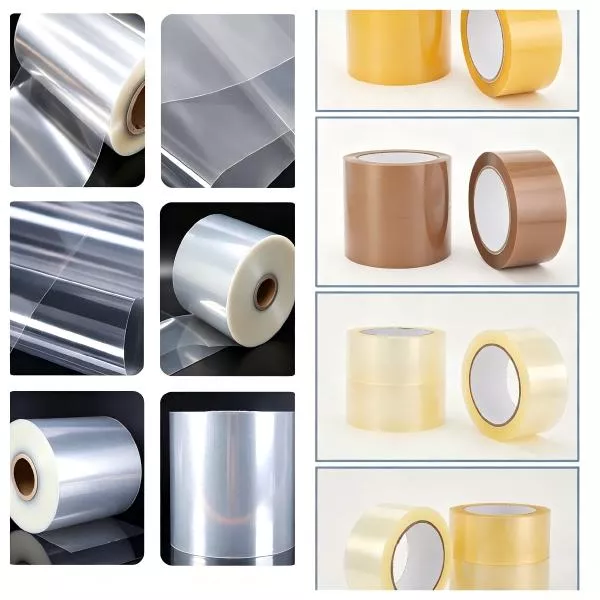
Press Release Aug-07-2026BOPP Film for Packing Tape: Thickness, Corona Treatment and Adhesive Coating Specs
When selecting materials for packaging tape production, the choice of substrate is paramount. BOPP Film for Packing Tape serves as the essential backbone of pressure-sensitive adhesive tapes used across industries worldwide. The performance of any BOPP Film adhesive tape depends on three critical specifications: thickness, corona treatment, and adhesive coating. Understanding these parameters is essential for tape manufacturers and procurement professionals seeking optimal tape grade BOPP film performance. -
 Blog
Press Release Aug-07-2026
Blog
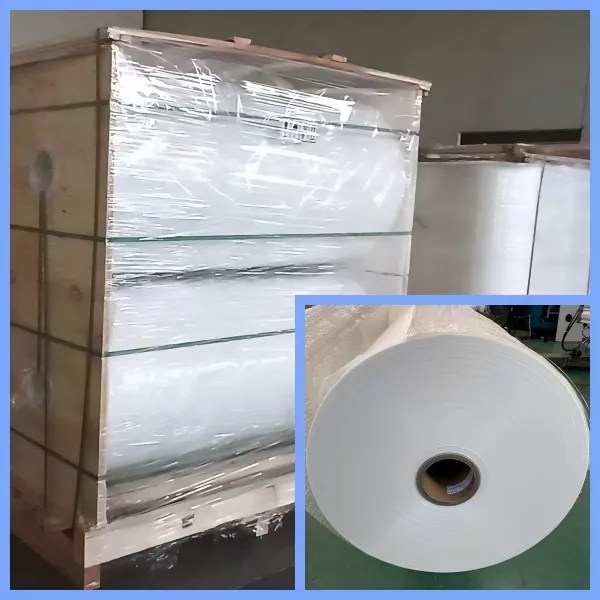
Press Release Aug-07-2026BOPP Synthetic Paper vs Real Paper and PET Synthetic Paper
Compare BOPP Synthetic Paper with real paper and PET Synthetic Paper in durability, printability, heat resistance and cost to pick the right label substrate. -
 Blog
Press Release Aug-07-2026
Blog
Press Release Aug-07-2026How to Manage BOPP Film Roll Tension and Winding Defects in Converting Operations
Maintaining the correct tension during converting operations is one of the most important factors in producing high-quality packaging materials. Every BOPP Film Roll must be wound with consistent tension to ensure smooth printing, lamination, slitting, and bag-making processes. Improper tension can lead to wrinkles, telescoping, loose winding, and web breaks, resulting in costly production downtime.

contact
Tel: +86 17706217416
Add: Building L2A, No. 520, Lane 1588, Zhuguang Road, Hongqiao World Center, Qingpu District, Shanghai, China
follow us: