
 English EN
 French FR
 German DE
 Portuguese PT
 Spanish ES
 Russian RU
 Japanese JA
 Korean KO
 Arabic AR
 Greek EL
 Turkish TR
 Italian IT
 Polish PL
 Hindi HI
 中国 CN
中国 CN
.webp)
How to Read a BOPP Film Technical Data Sheet: Thickness Tolerance, COF, Haze, Gloss, Tensile and Shrinkage
Introduction
A technical data sheet is one of the first documents reviewed by purchasing managers, QC engineers, flexible packaging converters, and BOPP film distributors before approving a new supplier. Yet in many procurement projects, buyers compare only a few headline figures such as thickness, gloss, or tensile strength without understanding how these properties influence printing efficiency, metallizing performance, lamination quality, and finished package consistency.
For biaxially oriented polypropylene (BOPP film), the datasheet is much more than a specification sheet. It is a summary of the material's physical, optical, mechanical, and processing characteristics under defined test conditions. Reading it correctly helps converters evaluate whether the film is suitable for flexible food packaging, coating, metallization, flexographic printing, gravure printing, or heat-sealing applications.
This article explains BOPP film technical specifications from an engineering and purchasing perspective, focusing on BOPP film thickness, thickness tolerance, coefficient of friction (COF), haze, gloss, tensile strength, elongation, shrinkage, and the practical meaning of these values during converting.
Key Takeaways
BOPP film thickness should always be evaluated together with thickness tolerance rather than nominal thickness alone.
COF determines web handling, winding behavior, and machine running stability during printing and laminating.
Haze and gloss influence optical appearance and packaging presentation rather than serving as simple quality indicators.
Tensile strength and elongation describe how the biaxially oriented polypropylene film behaves under mechanical stress during converting.
Shrinkage indicates dimensional stability under elevated temperature and is especially important for coating, metallizing, and heat-related processes.
A complete evaluation of the contents of a BOPP film datasheet should consider the interaction between multiple properties instead of selecting material based on one parameter.
Technical Core: Understanding the Contents of a BOPP Film Datasheet
Before interpreting individual values, it is important to understand how BOPP film is produced.
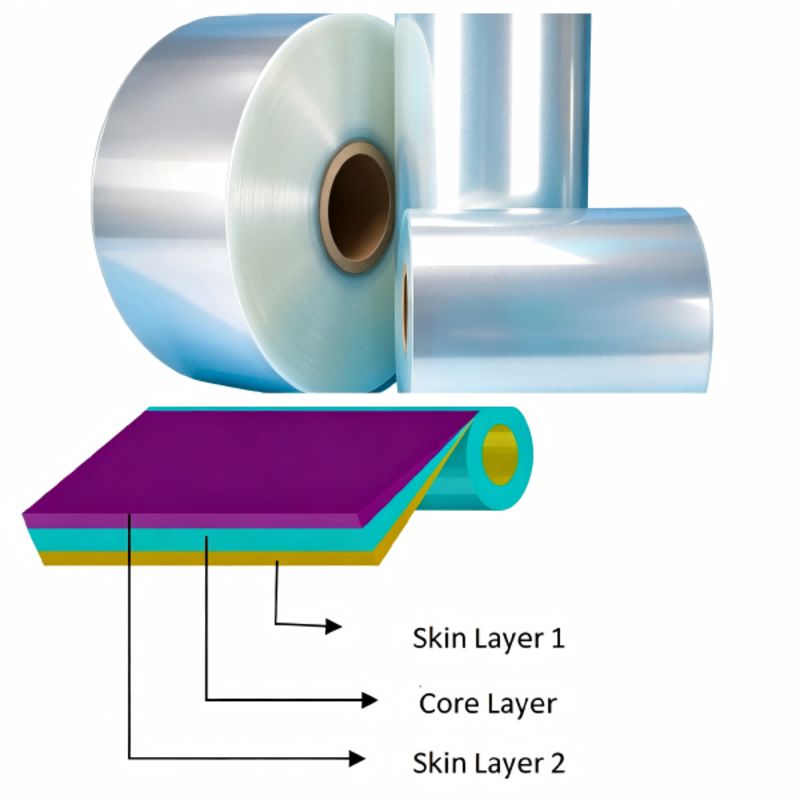
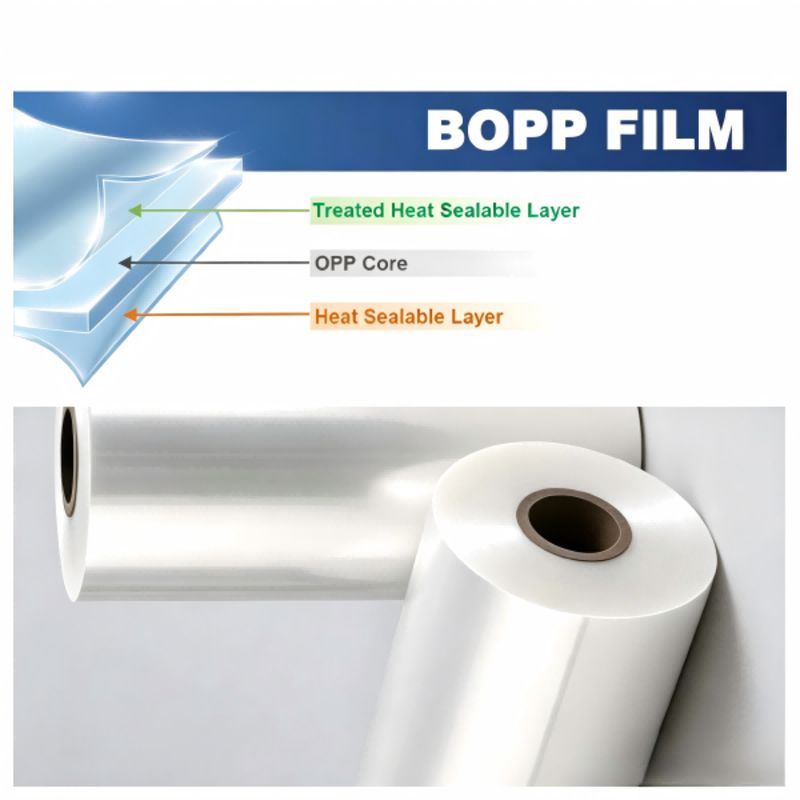
BOPP stands for biaxially oriented polypropylene, a polypropylene film manufactured through sequential or simultaneous stretching in both the machine direction (MD) and transverse direction (TD). This orientation process significantly improves stiffness, tensile strength, clarity, and dimensional stability compared with unstretched polypropylene film.
Because BOPP is used in applications ranging from snack packaging and overwrap films to pressure-sensitive labels and metallized laminates, manufacturers provide technical data sheets describing measurable film properties under standardized laboratory conditions.
A typical BOPP datasheet generally includes the following categories:
Physical properties
Mechanical properties
Optical properties
Surface properties
Thermal properties
Processing characteristics
These values allow converters to predict how the film may behave during printing, coating, adhesive application, slitting, laminating, or bag-making operations.
Thickness and Thickness Tolerance
The first parameter normally reviewed is BOPP film thickness.
Nominal thickness refers to the target film gauge specified by the manufacturer, such as 15 μm, 18 μm, 20 μm, 25 μm, 30 μm, or other commercially available structures.
A common purchasing question is: What's the general thickness of BOPP plain films?
The answer depends on the application rather than one universal standard. According to common industry practice, plain BOPP films are available across a relatively broad thickness range, while converters select different gauges according to packaging stiffness, productivity requirements, printing performance, and final package design.
For flexible packaging, standard BOPP film thickness for flexible food packaging is often determined by the complete laminate structure rather than the BOPP layer alone. The BOPP may serve as the printable outer web, the metallized barrier carrier, or part of a multi-layer laminate with CPP, PE, PET, or aluminum foil.
More important than nominal thickness is thickness tolerance.
Thickness tolerance describes the allowable variation around the target gauge. A tighter tolerance generally improves consistency during printing, coating, adhesive application, winding, and laminating because the film behaves more uniformly across the roll.
For converters, inconsistent gauge may contribute to variations in:
Printing impression
Coating weight
Adhesive distribution
Lamination bonding consistency
Roll winding quality
Finished package appearance
Thickness tolerance therefore represents process consistency rather than simply material quantity.
Coefficient of Friction (COF)
COF stands for Coefficient of Friction, which measures the resistance generated when two film surfaces slide against each other.
This property is extremely important during high-speed converting.
If COF is too high, the film may experience poor web movement, unstable unwinding, excessive drag, or inefficient feeding through printing presses.
If COF is too low, rolls may become difficult to control because the surface becomes excessively slippery, increasing the possibility of telescoping or unstable stacking depending on the converting operation.
For purchasing teams, COF should never be evaluated as an isolated number.
Instead, engineers should confirm:
Whether the film is one-side treated or two-side treated
Whether slip additives are incorporated
Which film surfaces are measured
Whether the intended printing or coating process requires controlled friction
Whether the finished laminate changes the effective surface behavior
Different applications require different friction characteristics. There is no universally correct COF value for every BOPP film.
Haze and Gloss
Optical properties determine how consumers visually perceive the finished package.
Haze describes the degree of light scattering when light passes through transparent film. Lower haze generally indicates clearer visual transparency, while higher haze creates a more diffused appearance.
Clear packaging applications frequently prioritize low haze because product visibility becomes an important design objective.
However, haze should not automatically be interpreted as better or worse quality. Matte films intentionally create higher light diffusion to produce a softer visual effect.
Gloss measures the reflective characteristic of the film surface.
High-gloss BOPP films create stronger surface reflectivity and brighter printed graphics, making them suitable for many premium consumer packaging applications.
Lower-gloss or matte BOPP structures are selected when designers require reduced reflection and a more refined visual appearance.
For printing converters, haze and gloss should always be considered together with ink system, surface treatment, coating technology, and final packaging design.
Tensile Strength and Elongation
Mechanical properties explain how BOPP film responds to tensile loading.
Tensile strength refers to the maximum stress the film can withstand before breaking under controlled testing conditions.
Because biaxial orientation strengthens the polypropylene molecular structure in both directions, BOPP typically demonstrates different tensile characteristics in MD and TD.
Datasheets therefore usually provide separate values for:
Machine Direction (MD)
Transverse Direction (TD)
These directional values help engineers evaluate web handling during converting.
Elongation at break describes how much the film stretches before failure.
A film with appropriate tensile strength and elongation generally provides more predictable converting performance during tension-controlled operations such as printing, laminating, slitting, and rewinding.
Again, purchasing decisions should focus on application compatibility rather than selecting the highest tensile value available.
Shrinkage and Thermal Stability
Shrinkage describes the dimensional change of BOPP film after exposure to elevated temperatures under specified test conditions.
This property becomes particularly relevant during processes involving heat.
Metallizing
Heat-sealing preparation
Thermal coating
Drying ovens
Lamination processes involving elevated temperatures
Although many buyers also search for the BOPP melting point, this value should not be confused with practical processing temperature.
The melting behavior of polypropylene is a material characteristic, while the operational temperature during converting depends on many additional factors including orientation, residence time, tension, film structure, and process design.
Therefore, thermal shrinkage and dimensional stability are often more useful indicators for converters than melting point alone when evaluating production suitability.
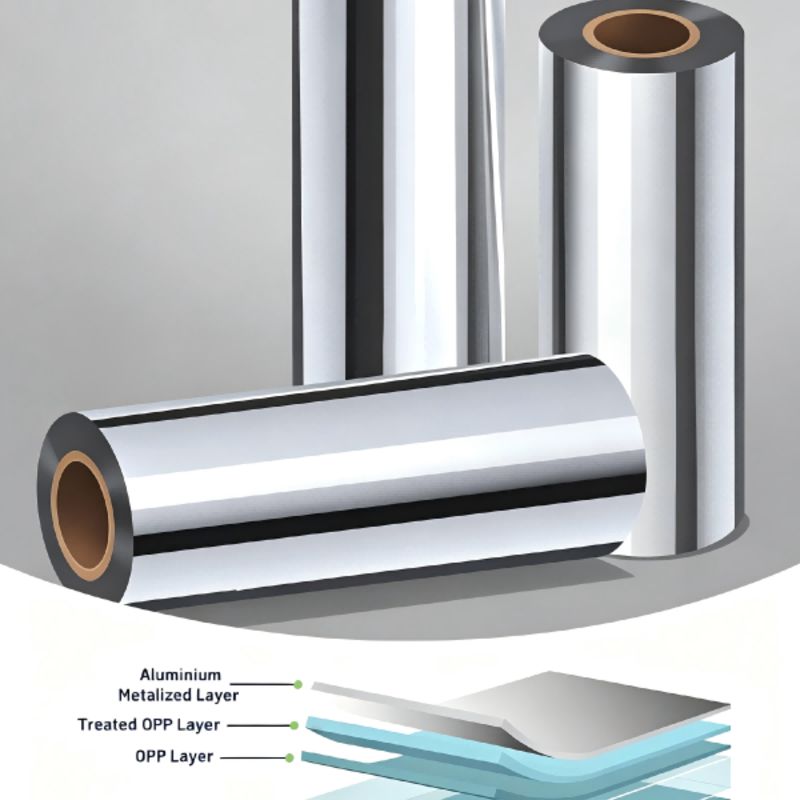
Application & Solutions: Evaluating BOPP Film for Different Converting Processes
Reading a datasheet becomes much easier when each property is connected with a real manufacturing situation.
Flexible Food Packaging Printing
Flexible packaging converters frequently evaluate BOPP as the outer printable web because it provides attractive appearance, good stiffness, and efficient processing.
In this application, thickness consistency directly influences production stability.
A converter printing millions of snack wrappers cannot rely solely on nominal thickness. Even when two suppliers both offer 20 μm film, differences in thickness tolerance may affect ink transfer consistency, register stability, coating behavior, and finished roll quality.
The evaluation should therefore include:
Nominal BOPP film thickness
Thickness tolerance across the web
Surface treatment suitable for the selected printing process
COF appropriate for high-speed web transportation
Optical properties matching the packaging design
For food packaging projects, technical departments should review the complete laminate design rather than the BOPP layer independently.
Metallized BOPP Film Production
Metalized BOPP film is widely used where improved decorative appearance and barrier contribution are required within flexible packaging structures.
Before metallizing, the base film must demonstrate stable dimensional behavior during vacuum deposition.
Shrinkage becomes particularly important because excessive dimensional movement may affect coating uniformity and downstream converting consistency.
When evaluating metallizing-grade BOPP film, engineers should pay close attention to:
Thermal shrinkage behavior
Thickness consistency
Surface quality
Web flatness
Tensile stability during winding
A technically suitable base film contributes to more consistent metallizing performance, although the final result also depends on equipment capability and process control.
Heat-Sealable Packaging Structures
Another frequent purchasing request involves heat sealable BOPP film specifications.
Heat-sealable BOPP differs from standard plain film because one or more surfaces are engineered to provide sealing performance under controlled temperature and pressure conditions.
When reading the datasheet, buyers should distinguish between:
Plain BOPP characteristics
Heat-sealable surface characteristics
Seal initiation information when provided
COF of the sealing surface
Intended sealing application
A common mistake is comparing heat-sealable BOPP only with ordinary plain BOPP thickness. In reality, the surface design and sealing behavior are equally important.
BOPP Coating and Printing Converters
For coating converters, the interaction between surface treatment and coating adhesion becomes essential.
A datasheet may indicate corona-treated surfaces, but technical teams should verify which side is treated and whether the treatment level remains appropriate after storage and transportation.
Surface treatment affects:
Ink adhesion
Coating anchorage
Lamination bonding
Printing consistency
Final appearance
Treatment information should therefore be reviewed together with the converter's actual coating chemistry rather than interpreted independently.
Quality Control During Incoming Inspection
QC engineers normally compare supplier datasheets with incoming inspection results.
A practical incoming inspection program may include verifying:
| Inspection Item | Traditional Purchasing Focus | Recommended Technical Evaluation |
|---|---|---|
| Thickness | Confirm nominal gauge only | Measure nominal thickness and thickness consistency across the roll |
| COF | Review supplier value only | Confirm suitability for actual printing and converting equipment |
| Haze | Judge transparency visually | Compare measured optical appearance with product design requirements |
| Gloss | Consider appearance only | Evaluate gloss together with print quality and surface finish |
| Tensile | Check specification pass/fail | Review MD and TD mechanical behavior for converting stability |
| Shrinkage | Often overlooked | Evaluate thermal dimensional stability for heat-related processes |
This approach provides stronger correlation between laboratory data and actual production performance.
Practical Selection Checklist for Procurement Teams
When approving a new BOPP supplier, purchasing managers should request more than a quotation and nominal specification.
Confirm the intended application: printing, metallizing, coating, lamination, or heat sealing.
Review the contents of the BOPP film datasheet completely instead of focusing only on thickness.
Compare MD and TD mechanical values separately.
Verify whether COF corresponds to the film surface actually used during converting.
Evaluate haze and gloss according to packaging appearance requirements.
Confirm shrinkage information if the production process involves elevated temperatures.
Request representative samples for production trials before commercial approval.
Establish incoming QC criteria based on both datasheet specifications and internal production requirements.
The objective is to minimize production variation rather than simply purchase the lowest-cost film.
Why Multiple Datasheet Values Must Be Read Together
An experienced converter rarely approves BOPP film based on one excellent property.
Excellent gloss does not guarantee stable printing.
Tight thickness alone does not ensure good metallizing performance.
High tensile strength does not automatically mean better heat-sealing behavior.
Low haze may be irrelevant for matte packaging.
Appropriate COF depends on machine configuration rather than universal preference.
The engineering value of the datasheet lies in understanding the relationship between these parameters.
A reliable supplier should also provide consistent production quality between batches so that the published technical specifications remain meaningful during long-term supply.
FAQ
What is the general thickness of BOPP plain films?
BOPP plain films are produced in multiple thickness grades for different converting applications. According to common industry practice, the appropriate thickness depends on whether the film is used for printing, lamination, overwrap, labeling, metallizing, or flexible food packaging. Buyers should select the gauge according to the complete package structure instead of assuming one standard thickness fits every application.
Why is thickness tolerance more important than nominal thickness?
Nominal thickness defines the target gauge, while thickness tolerance describes allowable variation. During printing, coating, laminating, and slitting, consistent thickness contributes to more stable web handling and improved process repeatability. For industrial converters, production consistency often has greater operational value than nominal thickness alone.
What does COF mean on a BOPP film datasheet?
COF means Coefficient of Friction. It indicates how easily film surfaces slide against each other. This affects unwinding, web transportation, winding, and machine running behavior. The correct COF depends on the intended converting process and the measured film surface.
Is BOPP melting point the same as the processing temperature?
No. The BOPP melting point is a material characteristic related to polypropylene, while practical converting temperatures depend on film orientation, processing time, machine conditions, tension, and the specific application. Engineers should pay closer attention to thermal shrinkage and process suitability when evaluating production performance.
Conclusion & Action Guide
A BOPP technical data sheet should be treated as an engineering reference rather than a simple purchasing document. Thickness tolerance, COF, haze, gloss, tensile strength, elongation, and shrinkage each describe different aspects of biaxially oriented polypropylene film performance, and their real value appears when they are interpreted together within the intended converting process.
For BOPP film distributors, flexible packaging converters, printing companies, coating converters, and metallizing operations, a structured datasheet review can reduce supplier qualification risk and improve production consistency before large-scale purchasing begins.
If your company is evaluating BOPP film technical specifications, including plain BOPP, heat-sealable BOPP, or Metalized BOPP film, request complete technical documentation, compare representative samples under your actual production conditions, and work with experienced technical engineers to establish application-specific selection criteria before approving commercial supply.




News & Events
learn more-
 Blog
Press Release Sep-02-2026
Blog
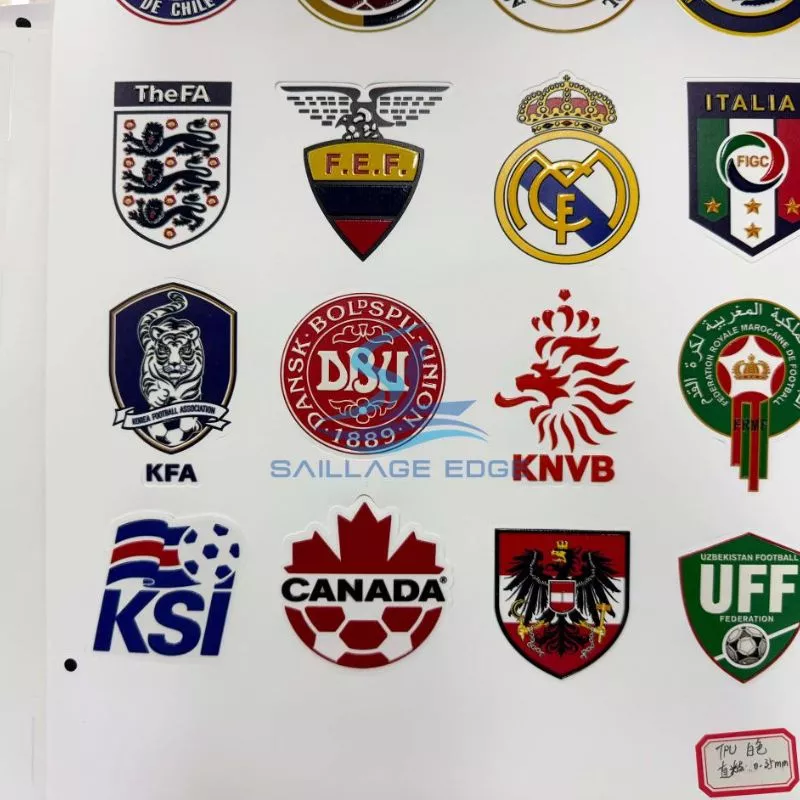
Press Release Sep-02-2026Differences Between PU and TPU UV Printing Films for 3D Apparel Labels
Learn the key differences between PU and TPU UV printing films for 3D apparel labels: softness, elasticity, heat resistance, printing quality and wash durability. -
 Blog
Press Release Sep-02-2026
Blog
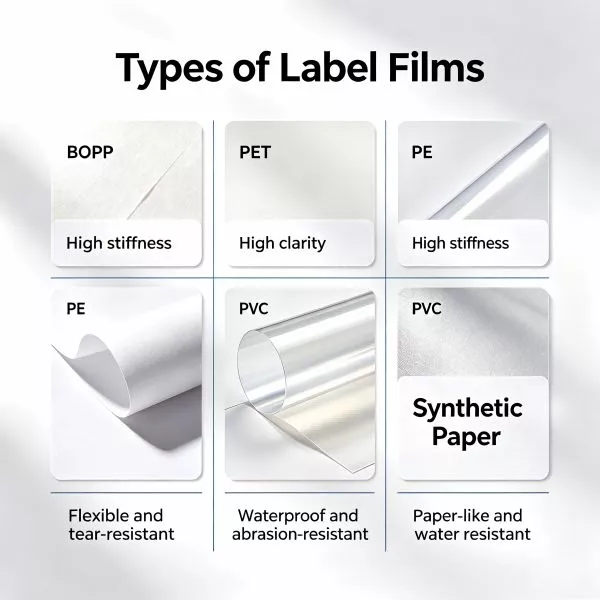
Press Release Sep-02-2026Types of Label Films Explained: How to Choose the Right Facestock (BOPP, PET, PE, PVC, Synthetic Paper)
Learn how to choose the right label film facestock. Compare BOPP, PET, PE, PVC and synthetic paper for printing process, container geometry, appearance and environmental resistance. -
 Blog
Press Release Sep-02-2026
Blog
Press Release Sep-02-2026TPU Film vs Silicone Labels: Which Is Better for 3D Logos?
Compare 3D TPU UV DTF film and silicone labels for 3D logos: material structure, production routes, customization flexibility, hardness, wash durability, and distributor business models.

contact
Tel: +86 17706217416
Add: Building L2A, No. 520, Lane 1588, Zhuguang Road, Hongqiao World Center, Qingpu District, Shanghai, China
follow us: