
 English EN
 French FR
 German DE
 Portuguese PT
 Spanish ES
 Russian RU
 Japanese JA
 Korean KO
 Arabic AR
 Greek EL
 Turkish TR
 Italian IT
 Polish PL
 Hindi HI
 中国 CN
中国 CN
.webp)
10 Common DTF Film Problems and Practical Solutions
From real production pain points to practical DTF film solutions
For DTF printing businesses, choosing a film is not simply about buying a roll of PET. What matters is whether the film can support stable production, reduce waste, simplify operation, and help create better finished garments. Overseas DTF users frequently discuss problems such as powder sticking, static electricity, film curling, unstable feeding, dull colors, peeling issues, humidity sensitivity, and batch-to-batch variation. These problems can have multiple causes, including film, ink, powder, equipment, environmental conditions, and processing parameters. The purpose of this article is to translate these real production concerns into practical product solutions.
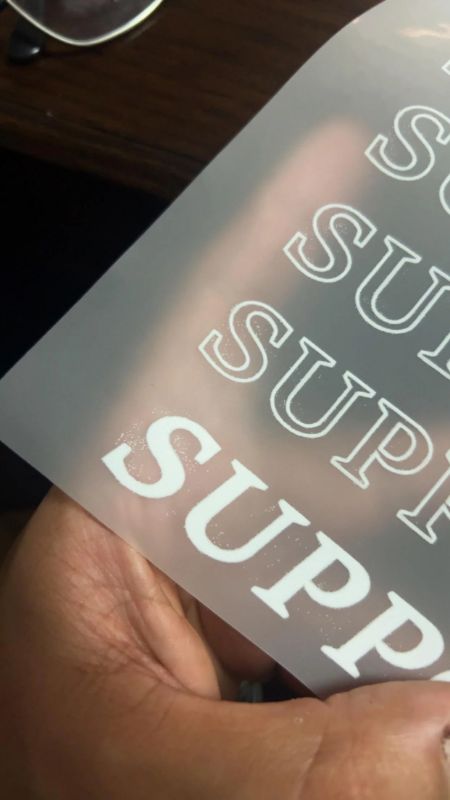
1. “Why is the powder sticking where there is no ink?”
Real-world user feedback: One overseas user reported powder sticking in areas where there was no ink even with 55% humidity and grounded equipment. Other users pointed to several possible causes, including humid film, poor grounding, older powder, white-ink overspray, and printhead deflection.
The customer’s concern: Unwanted powder adhesion can leave white spots or contamination around the printed image. Static electricity, moisture, film surface conditions, and printing conditions can all contribute to the problem.
Our solution: Better Moisture Resistance + Static Control
How we achieve it: We use reinforced moisture-resistant packaging and optimize the ink-receiving coating to balance ink absorption and moisture resistance. Better control of surface properties also helps reduce the attraction of dust, fibers, and unwanted powder.
Customer value: Cleaner printing, less contamination, and less material waste.
2. “The film keeps curling and hitting my printhead.”
Real-world user feedback: A user reported that film sticking during printing could become serious enough to scratch the printhead. The same discussion noted that the problem changed with humidity and weather, with static identified by commenters as a likely contributor.
The customer’s concern: Film curling, buckling, or waving can interfere with smooth feeding and may increase the risk of contact with the printhead.
Our solution: Excellent Dimensional Stability
How we achieve it: We focus on the thermal stability of the PET substrate and the compatibility between the PET and coating system. The goal is to minimize uneven dimensional change during drying and transfer.
Customer value: Flatter film, more stable feeding, and lower risk of production interruptions.
3. “The colors look dull.”
The customer’s concern: Printers need strong color saturation and vivid output, especially for fashion, customized garments, and brand merchandise.
Our solution: High Ink Loading + Optimized Ink-Receiving Coating
How we achieve it: Our ink-receiving layer is designed for high ink loading capacity, allowing more ink to be absorbed and retained. The optimized coating helps build stronger color density and more vivid images.
Customer value: More attractive garments, higher perceived product value, and better visual impact.
4. “The print looks good on the film, but becomes dull after pressing.”
The customer’s concern: A print can look attractive before transfer but lose visual impact after heat pressing. The final garment, rather than the image on the film, is what the customer ultimately evaluates.
Our solution: Optimized Ink Absorption & Transfer Compatibility
How we achieve it: We optimize ink absorption, ink retention, and surface performance so that the film supports consistent performance through printing, drying, curing, and heat transfer.
Customer value: Better final appearance and more predictable transfer results.
5. “My film starts drifting to one side.”
Real-world user feedback: One roll-fed DTF printer user reported that the film started perfectly centered but slowly shifted to one side during longer prints. The user investigated pinch-roller pressure, take-up tension, feed calibration, film quality, and roller wear. Another operator reported making alignment adjustments roughly every 10–15 minutes.
The customer’s concern: During continuous printing, uneven feeding or gradual media drift can cause interruptions, wasted material, and adjustment time.
Our solution: Consistent Thickness + Excellent Flatness
How we achieve it: Controlled PET thickness, coating uniformity, film flatness, and winding quality help support stable media feeding.
Customer value: Fewer interruptions, less adjustment, and more productive printing time.
6. “The film feels oily or the surface looks uneven.”
The customer’s concern: An inconsistent surface can affect printing and transfer performance and may lead to unexpected defects.
Our solution: Uniform Coating & Controlled Surface Performance
How we achieve it: We focus on coating uniformity, surface consistency, drying, and curing to maintain stable film performance across the roll.
Customer value: More predictable printing and fewer unexpected defects.
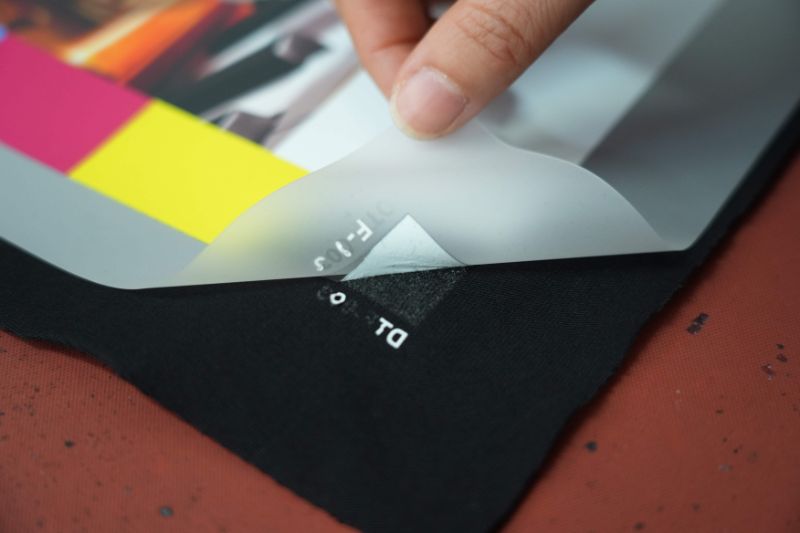
7. “The transfer is sticking to the film / not releasing properly.”
Real-world user feedback: An overseas user compared Cold Peel, Hot Peel, Instant Peel, and All-Time Peel under the same press conditions. Their experience showed that Hot Peel could begin to lift if peeling was delayed, while Instant Peel could stick if it was left too long. They also reported that All-Time Peel remained workable whether peeled immediately or much later.
Source: Reddit / Hot Peel vs. Cold Peel vs. Instant Peel vs. All-Time Peel discussion (recorded in the source document)
The customer’s concern: Difficult peeling, residue, or image damage can slow production and increase rework.
Our solution: Stable Release Performance
How we achieve it: Our release coating is designed to provide controlled and consistent release under recommended hot-peel conditions.
Customer value: Faster peeling, fewer damaged transfers, and improved production efficiency.
8. “The print starts cracking or peeling after washing.”
The customer’s concern: Cracking, peeling, and edge lifting can affect the durability and perceived quality of finished garments. These results are influenced by film, powder, curing, heat-press conditions, and fabric.
Our solution: Optimized Transfer Compatibility
How we achieve it: We consider the interaction between the ink-receiving layer, release layer, adhesive powder, and transfer process to support reliable transfer integrity.
Customer value: More durable finished products and fewer quality complaints.
9. “My film behaves differently in different weather.”
The customer’s concern: Humidity and temperature can strongly affect DTF production. High humidity can increase moisture-related problems, while very dry conditions can increase static electricity.
Our solution: Humidity-Resistant Coating Technology
How we achieve it: We optimize the resin system in the ink-receiving coating to balance fast ink absorption with lower sensitivity to environmental humidity. Reinforced moisture-resistant packaging provides additional protection during storage and transportation.
Customer value: More consistent performance across different climates and seasons.
10. “Every time I change the film, I have to adjust my settings.”
The customer’s concern: Batch-to-batch variation can force printers to repeatedly adjust ink levels, printing parameters, curing conditions, or transfer settings.
Our solution: Batch-to-Batch Consistency
How we achieve it: Our quality approach focuses on controlled raw materials, coating processes, PET substrate performance, inspection, and batch traceability. The objective is not simply to make one good roll, but to maintain consistent performance from roll to roll.
Customer value: Less adjustment, less waste, and more predictable production.
Real-world feedback should be interpreted carefully: similar symptoms can have multiple causes, including film, ink, powder, equipment, humidity, grounding, and processing conditions. These user reports are therefore used here to identify customer pain points, not to assign a single cause to every case.
From “Best Quality” to Measurable Customer Value
Almost every DTF film supplier claims to offer high quality and stable performance. A stronger approach is to connect product quality with the problems printers actually experience.
| Customer Pain Point | Product Solution | Customer Value |
|---|---|---|
| Powder sticking / contamination | Moisture & static control | Cleaner printing, less waste |
| Film curling / buckling | Thermal dimensional stability | Flatter film, safer feeding |
| Dull colors | High ink loading | More vivid finished garments |
| Color loss after transfer | Transfer compatibility | Better final appearance |
| Media drifting | Thickness & flatness control | More stable production |
| Uneven surface | Uniform coating | More predictable performance |
| Difficult peeling | Stable release performance | Faster production |
| Cracking / peeling | Optimized transfer compatibility | Better durability |
| Humidity sensitivity | Moisture-resistant coating | Climate adaptability |
| Batch variation | Process & batch consistency | Less adjustment and waste |
The Value We Aim to Deliver
A DTF film should do more than pass a sample test. It should help printers run their production with fewer surprises. That means less waste, less downtime, less troubleshooting, fewer customer complaints, better finished products, and ultimately better profitability.
“Only when we help our customers create more value and earn more profit can we build long-term success together.”
This is the difference between simply selling DTF film and becoming a reliable production partner: we focus on the real problems printers face every day and use coating technology, material selection, process control, and product development to address them.



News & Events
learn more-
 News
Press Release Sep-24-2026
News
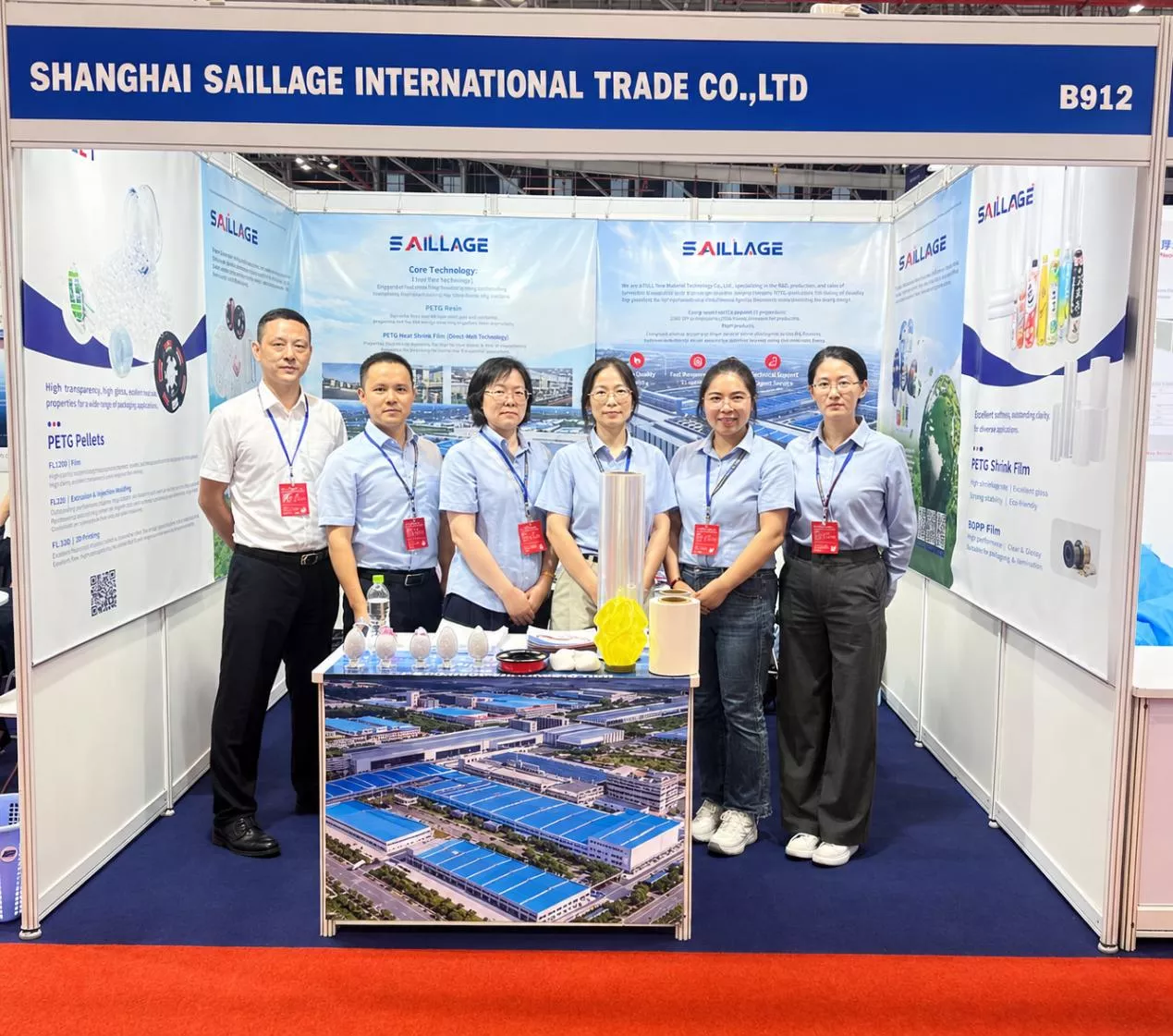
Press Release Sep-24-2026Shanghai Saillage to Showcase Premium Packaging Solutions at Vietnam Print Pack 2026
We enjoyed the meeting with the industry professionals as well as connecting with us at SECC to discover how our advanced materials elevate your brand's packaging -
 Blog
Press Release Sep-24-2026
Blog
Press Release Sep-24-2026DTF Transfer Film Wholesale Guide | 9 Specs to Compare
Compare nine essential DTF transfer film specifications, including PET thickness, coating uniformity, peel performance, heat resistance, storage stability, and supplier quality control. -
 Blog
Press Release Sep-24-2026
Blog
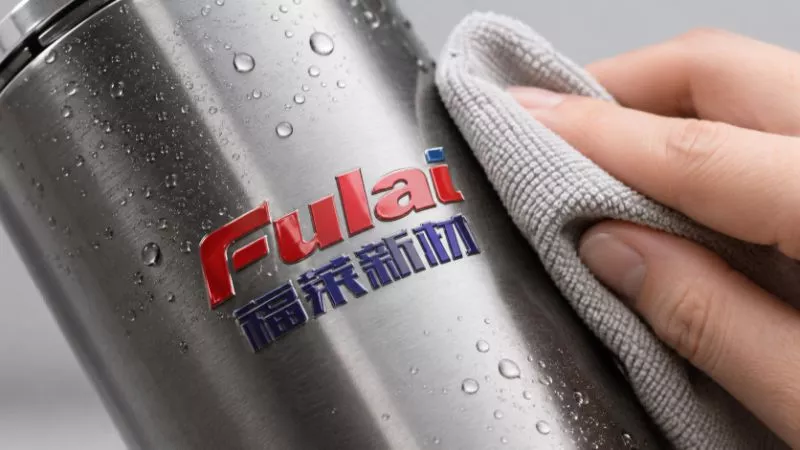
Press Release Sep-24-2026Bubble-Free UV DTF Stickers on Curved Products | Guide
Learn how to apply UV DTF stickers to tumblers, bottles and curved products without bubbles, weak adhesion or lifted edges using proper preparation and pressure control.

contact
Tel: +86 17706217416
Add: Building L2A, No. 520, Lane 1588, Zhuguang Road, Hongqiao World Center, Qingpu District, Shanghai, China
follow us: