What is the Difference Between Digital Printing and Sublimation for Custom Products?
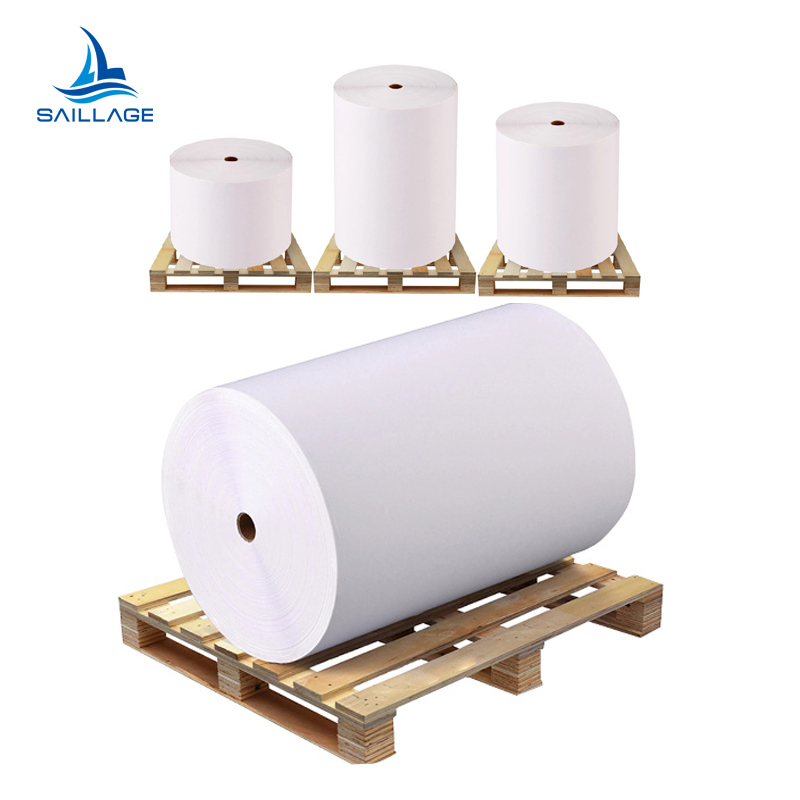
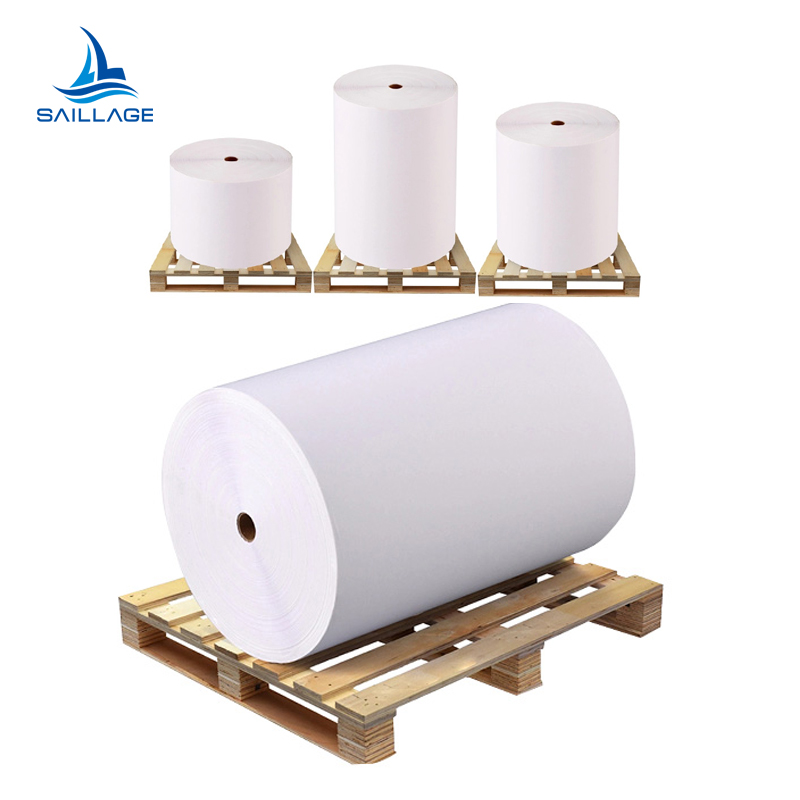
When deciding on a method for creating custom apparel, signage, or promotional items, the choice between digital printing and sublimation is crucial. Understanding the core difference between digital printing vs sublimation is key to selecting the right process for your project. Digital printing, often referred to as direct-to-garment (DTG) on fabrics, uses specialized inkjet technology to apply water-based inks directly onto the surface of a material. It is highly versatile for natural fibers like cotton and is ideal for complex, multi-colored designs with no minimum quantity. Sublimation printing, in contrast, involves first printing a design onto special transfer paper using sublimation dyes. This paper is then heat-pressed onto a polyester-coated or polyester-rich substrate. Under high heat, the dyes turn into a gas and permanently bond with the polymer fibers. This results in vibrant, durable, and wash-resistant designs that are embedded into the fabric rather than sitting on top. The primary distinction in the debate of digital printing vs sublimation lies in the fabric compatibility and the feel of the final product. Sublimation requires polyester or polymer-coated surfaces for the ink to bond, while digital printing offers more flexibility on material types. For full-color, all-over designs on polyester garments, sublimation is superior. For detailed prints on cotton tees with a soft hand feel, digital printing is often the better choice. Your decision should be based on the substrate, the desired durability, the design complexity, and your budget.

 English EN
 French FR
 German DE
 Portuguese PT
 Spanish ES
 Russian RU
 Japanese JA
 Korean KO
 Arabic AR
 Greek EL
 Turkish TR
 Italian IT
 Polish PL
 Hindi HI
 中国 CN
中国 CN
.webp)
.webp)







User Comments
Service Experience Sharing from Real Customers
Megan
Marketing CoordinatorAs someone who orders custom merch for our tech startup events, I was stuck choosing between these methods. This comparison finally made it click! Digital printing is perfect for our small-batch, detailed logo hoodies, while sublimation is a game-changer for our all-over-print team jerseys. The durability difference section saved me from a costly mistake. Wish I'd found this earlier!
Leo
Print Shop OwnerBeen in the printing business for 15 years, and this is one of the clearest breakdowns I've seen for beginners. I'm sending this link to every customer who asks 'what's the difference?' The side-by-side fabric compatibility table is gold – finally explains why that polyester blend matters for sublimation. Even learned a thing or two about newer hybrid inks!
Chloe
Etsy Shop OwnerHonestly, I was totally confused before reading this. I make custom dog bandanas and was using sublimation for everything, but the color vibrancy comparison made me try digital printing on cotton blends. Huge difference! The photos showing the texture close-up sold me. My only gripe? Could use more eco-friendly ink info. Still, super helpful for us small creators!
Raj
Fashion Design StudentThis article saved my final project! I needed to justify my fabric printing choices for my sustainable activewear line. The wash-test comparison data was exactly what my professor asked for. Never realized how much sublimation limits natural fibers – back to the drawing board for my organic cotton pieces. The real-world cost examples? Chef's kiss. Textbook stuff made actually readable.