What Is DTF Printing and How to Use It for Custom Apparel?
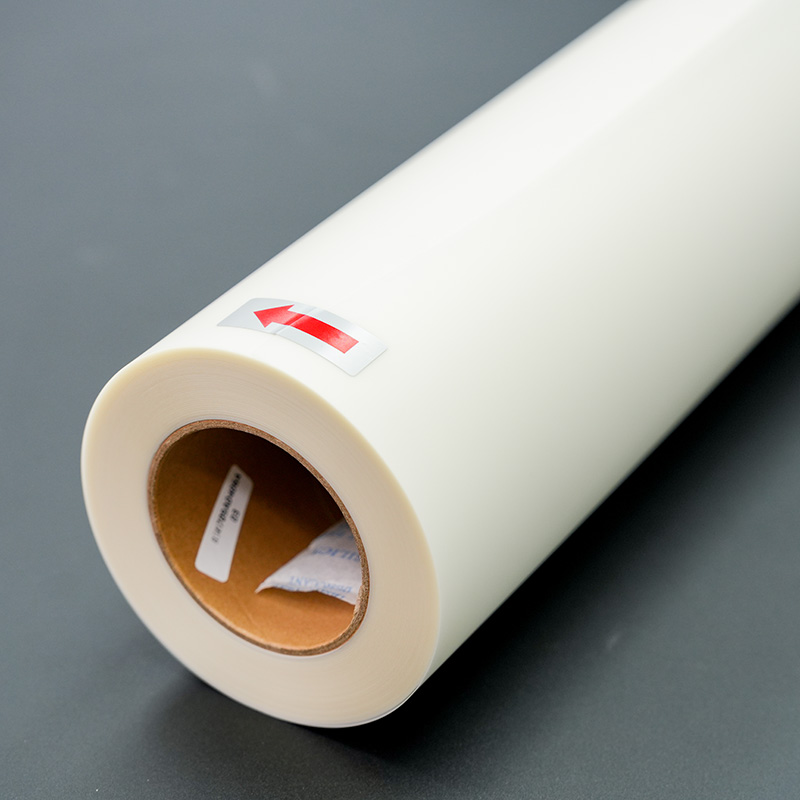
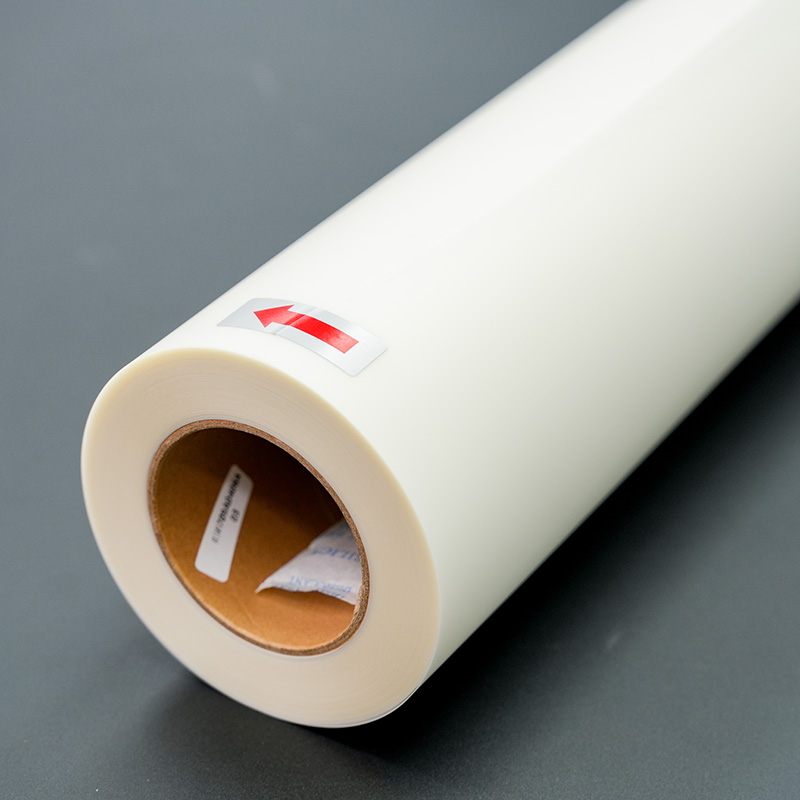
DTF (Direct-to-Film) printing is revolutionizing the custom apparel and textile industry. This guide on how to use DTF provides a clear, step-by-step process for creating vibrant, durable designs. First, you must prepare your artwork using graphic design software, ensuring it is print-ready with proper resolution and color separation. The design is then printed onto a special PET film using DTF inks. A key step in how to use DTF is applying a hot-melt adhesive powder to the wet ink, which is then cured to create a transferable film. Using a heat press, you precisely apply heat and pressure to transfer the design onto the desired fabric, such as cotton, polyester, or blends. The result is a soft, flexible print with excellent wash durability. Learning how to use DTF effectively allows for detailed, full-color prints on both light and dark garments, making it a versatile solution for businesses and creators seeking professional-quality custom products without the complexity of traditional methods.

 English EN
 French FR
 German DE
 Portuguese PT
 Spanish ES
 Russian RU
 Japanese JA
 Korean KO
 Arabic AR
 Greek EL
 Turkish TR
 Italian IT
 Polish PL
 Hindi HI
 中国 CN
中国 CN







User Comments
Service Experience Sharing from Real Customers
Marcus
Graphic DesignerAs someone who's been screen printing for years, I was skeptical about DTF at first. But after following the 'how to use dtf' guide on your site, I tried it on some sample fabrics. Wow – the colors pop way more than I expected, and the process is so much faster for small batches. The tip about pre-treating polyester blends was a game-changer for my custom jersey orders!
Chloe
Small Business OwnerHonestly, I'm a total newbie to this and felt overwhelmed. Your step-by-step breakdown on how to use dtf printers saved me. I messed up my first transfer by not heating it enough (my bad!), but the troubleshooting section helped me fix it. Now my Etsy shop for baby clothes has crisp, durable prints. Minus one star because I wish there was a video tutorial too!
Raj
School Activities CoordinatorWe needed custom team shirts on a tight budget and timeline. I had zero experience with direct-to-film, but your guide made it doable. The part about choosing the right RIP software was gold – saved me from buying the wrong one. The shirts held up through multiple washes and soccer tournaments. Parents and kids loved the quality. Lifesaver!
Simone
Freelance ArtistI've been experimenting with different print methods for my art merch, and DTF is now my go-to for detailed designs. The article's comparison between DTF and HTV convinced me to switch. The finish is super soft, and I can finally print complex illustrations without losing detail. Shared the 'how to use dtf' link with three other artist friends already. Keep up the great content!