Plastic Self-Adhesive Labels: A Comprehensive Guide
What is a Plastic Self-Adhesive Label?
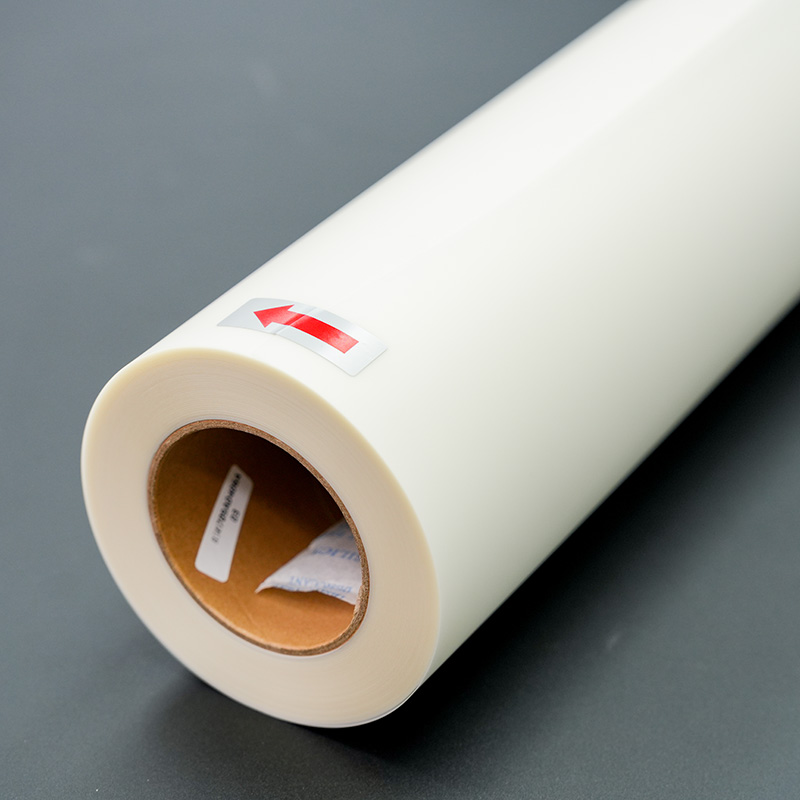
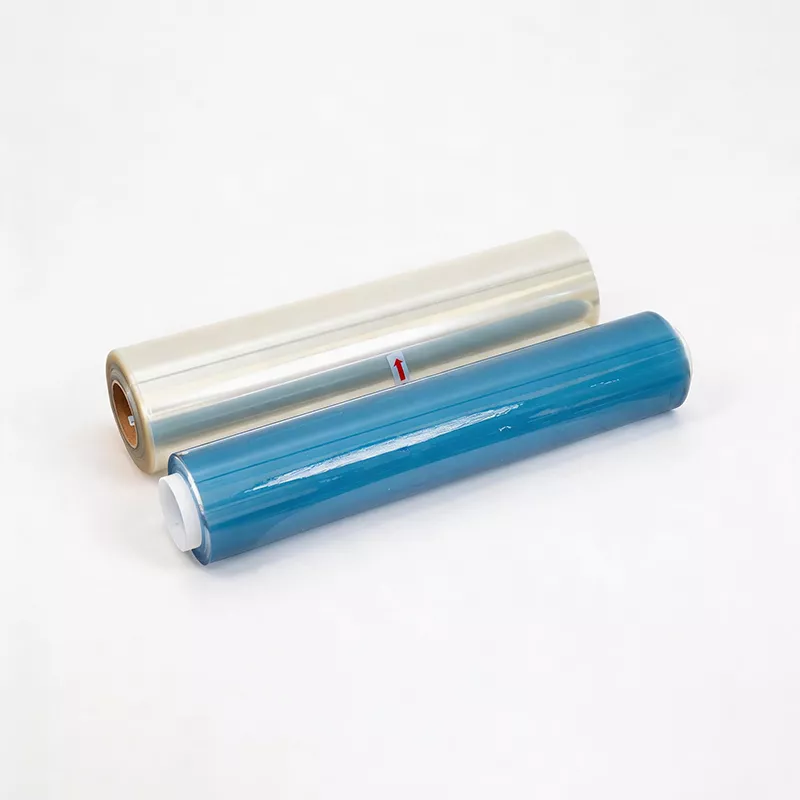
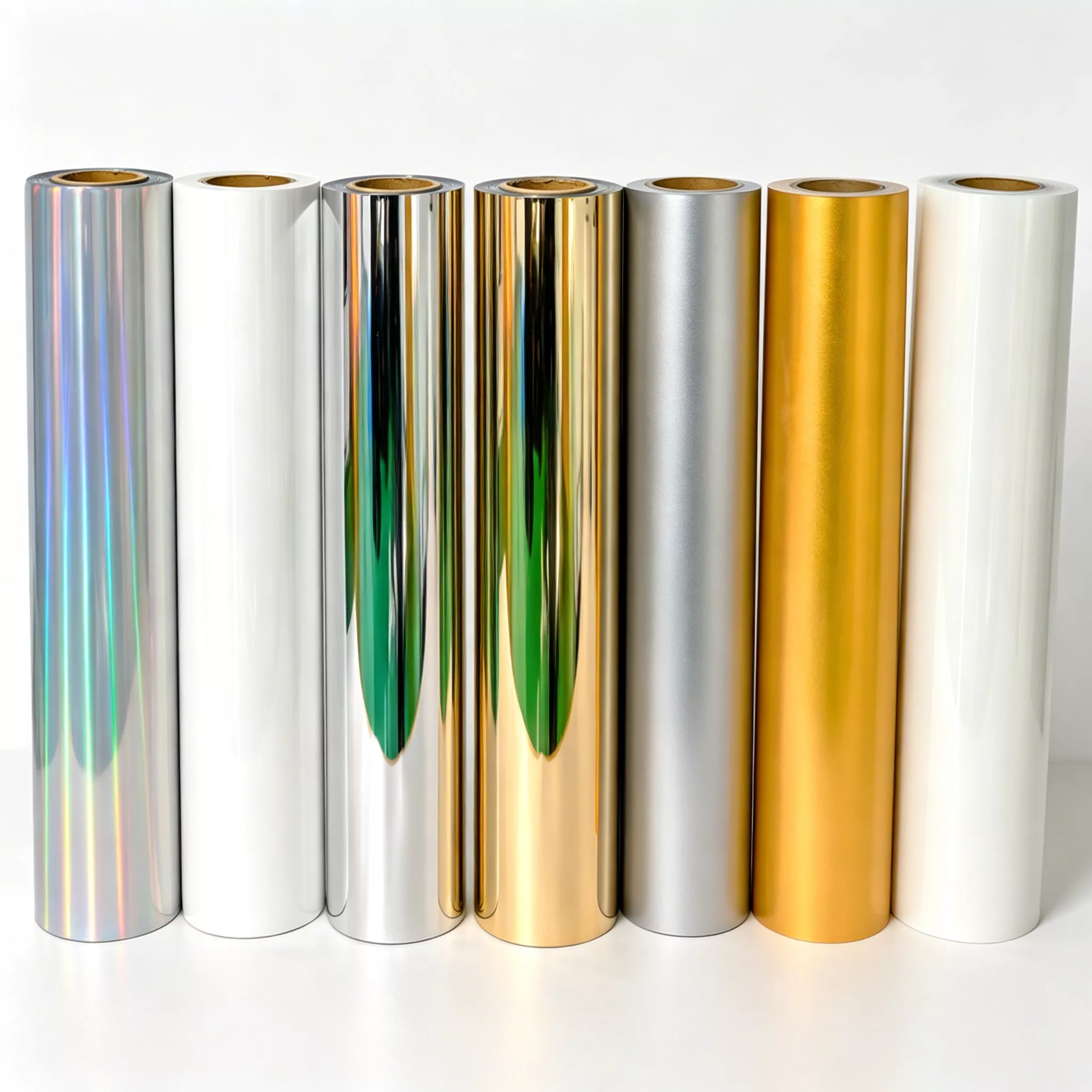
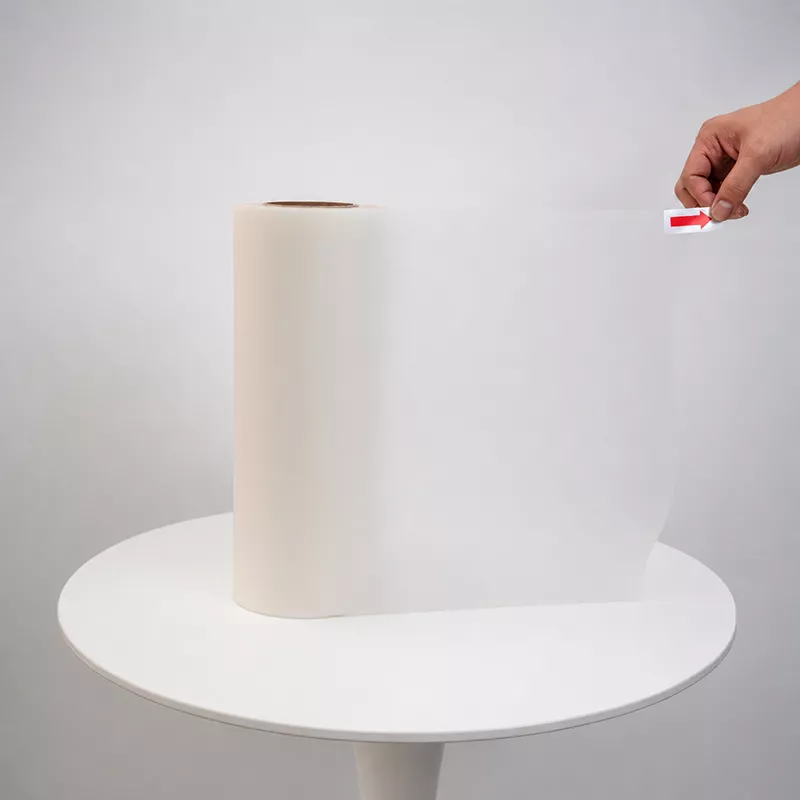
Plastic self-adhesive labels are pressure-sensitive labels made from synthetic polymer materials, designed to adhere to surfaces without the need for heat, water, or solvents. They consist of three main layers: the face material (the printable plastic film), the adhesive, and the release liner (the backing paper or film that is removed during application). Common plastic materials include Polypropylene (PP), Polyethylene (PE), Polyester (PET), and Vinyl (PVC), each offering distinct properties. These labels are engineered for durability and performance in challenging environments where paper labels would fail. According to industry reports from markets like Smithers and Grand View Research, the global pressure-sensitive label market is dominated by plastic films, accounting for over 60% of material usage by value, driven by demand in sectors like FMCG, logistics, and pharmaceuticals. Their primary function is to provide a durable, informative, and often decorative surface for product identification, branding, warnings, and tracking throughout the supply chain and product lifecycle. The "self-adhesive" nature means they are inherently sticky and ready for instant application upon removal of the release liner, making them highly efficient for both manual and automated labeling processes. Their versatility allows them to be used on a vast array of surfaces including glass, plastic containers, metal, and curved or irregular shapes.
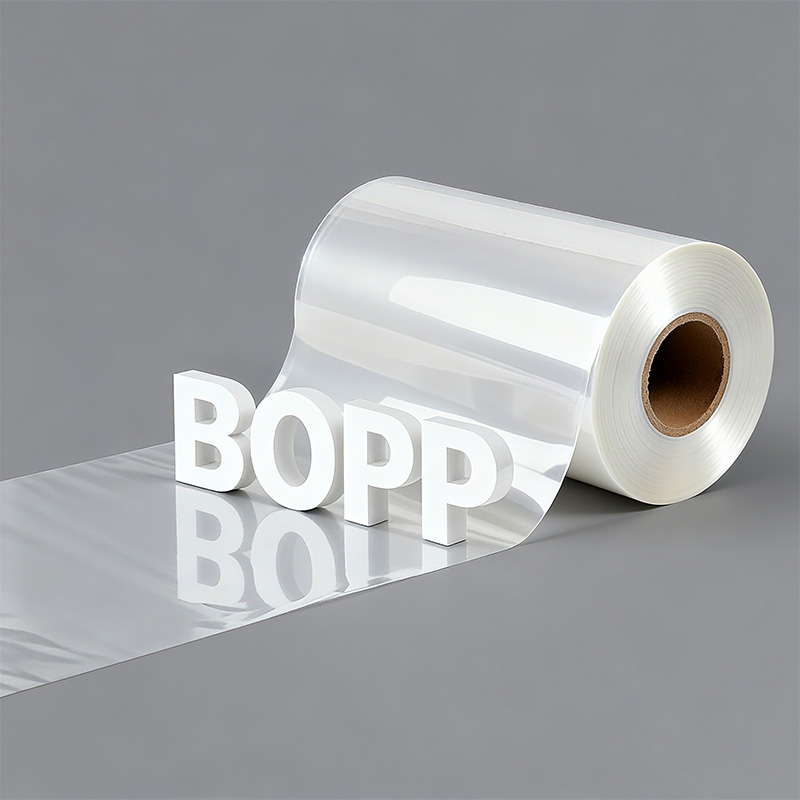
Plastic self-adhesive labels are ubiquitous in modern commerce and industry due to their superior performance characteristics compared to traditional paper labels. A key advantage is their exceptional resistance to water, moisture, oils, chemicals, and abrasion. For instance, BOPP (Biaxially Oriented Polypropylene) and PET (Polyester) labels are extensively used in the food and beverage industry for bottled drinks, frozen food packaging, and containers that undergo refrigeration or condensation, as they will not warp, smudge, or lose adhesion. In the chemical and automotive sectors, labels made from PE (Polyethylene) or Vinyl withstand exposure to harsh solvents, greases, and fuels. Data from material suppliers like Avery Dennison and UPM Raflatac highlight that plastic films provide a lifespan that can range from several months outdoors to many years indoors, far exceeding the durability of even coated papers. Furthermore, these labels offer excellent printability. They are compatible with a wide range of printing technologies including flexography, digital (inkjet and toner-based), and screen printing, allowing for high-resolution graphics, vibrant colors, and sharp text that remains legible throughout the product's life. This durability directly supports brand integrity, ensuring logos and information remain intact from the production line to the end-user. They also enhance operational efficiency; their consistent quality and reliable dispensing behavior on high-speed automatic applicator machines reduce downtime and misapplied labels, which is critical in high-volume manufacturing environments as documented in case studies from packaging machinery manufacturers.
How to Choose Plastic Self-Adhesive Labels
Selecting the right plastic self-adhesive label is a critical decision that impacts product presentation, functionality, and cost. The choice is not one-size-fits-all and requires a systematic evaluation based on the application's specific requirements. The primary factors to consider are the material type, adhesive performance, surface characteristics, and environmental exposure. Ignoring these factors can lead to label failure, resulting in poor branding, non-compliance, or operational inefficiencies. Industry best practices, as outlined by technical guides from material science companies like 3M and CCL Label, emphasize a holistic approach that considers the entire lifecycle of the product, from application and storage to end-use and disposal. The process involves defining the non-negotiable performance needs before considering secondary features like aesthetics or cost. For example, a label for an outdoor power tool has vastly different requirements than one for a shampoo bottle in a shower. A methodical selection process ensures the label performs its intended function reliably, protects the brand's image, and offers the best value over the total cost of ownership, which includes not just the label price but also application costs and potential costs of failure.
The first step in choosing a plastic self-adhesive label is to conduct a thorough needs analysis. Begin with the **Surface**: What is the label being applied to? Is it plastic, glass, metal, or a low-surface-energy (LSE) plastic like PP or PE? LSE surfaces require specialized adhesives, such as acrylic emulsions or rubber-based formulas, designed for strong bonding, as standard adhesives will easily peel off. Data from adhesive manufacturers shows that peel adhesion force on HDPE (a common LSE plastic) can be over 50% lower with a universal permanent adhesive compared to an LSE-specific formula. Next, consider the **Environment**: Will the label be exposed to moisture, humidity, UV sunlight, extreme temperatures, or chemicals? For outdoor use, PET or Vinyl with a UV-resistant varnish and a permanent, high-tack adhesive is essential to prevent fading and lifting. For freezer applications, a PP or PE film with a dedicated freezer adhesive that remains flexible at sub-zero temperatures is necessary to avoid brittleness and adhesion loss. The **Application Method** is equally crucial. High-speed automated application requires a label construction with a consistent caliper (thickness) and a liner that reliably releases at high speeds to prevent jams. The **Duration** of adhesion must be specified: is a permanent, removable, or ultra-removable bond needed? Finally, consider **Printing and Finishing** requirements. Will the label require variable data printing? Does it need a protective laminate or varnish for extra abrasion or chemical resistance? Consulting with a reputable label converter or material supplier is highly recommended, as they can provide technical data sheets (TDS) with empirical data on adhesion, tensile strength, and chemical resistance, and often offer testing samples to validate performance under real-world conditions before committing to a full production order.

 English EN
 French FR
 German DE
 Portuguese PT
 Spanish ES
 Russian RU
 Japanese JA
 Korean KO
 Arabic AR
 Greek EL
 Turkish TR
 Italian IT
 Polish PL
 Hindi HI
 中国 CN
中国 CN







User Comments
Service Experience Sharing from Real Customers
Emily Johnson
Office ManagerThese plastic self-adhesive labels are incredibly durable and stick perfectly to our product containers. They withstand moisture and handling much better than paper labels.
David Chen
Retail Store OwnerExcellent quality labels that provide a professional look for our price tags. The adhesive is strong but doesn't leave residue when removed. Very satisfied with the purchase.
Sarah Williams
Logistics CoordinatorPerfect for our warehouse organization system. These labels stay put on various surfaces and the plastic material doesn't tear or fade. Has significantly improved our inventory management.
Michael Rodriguez
Small Business OwnerThe print quality on these self-adhesive labels is outstanding and they apply smoothly without bubbling. They've enhanced our product packaging and look very professional.