What Are the Key Differences Between Sublimation and DTF Printing?
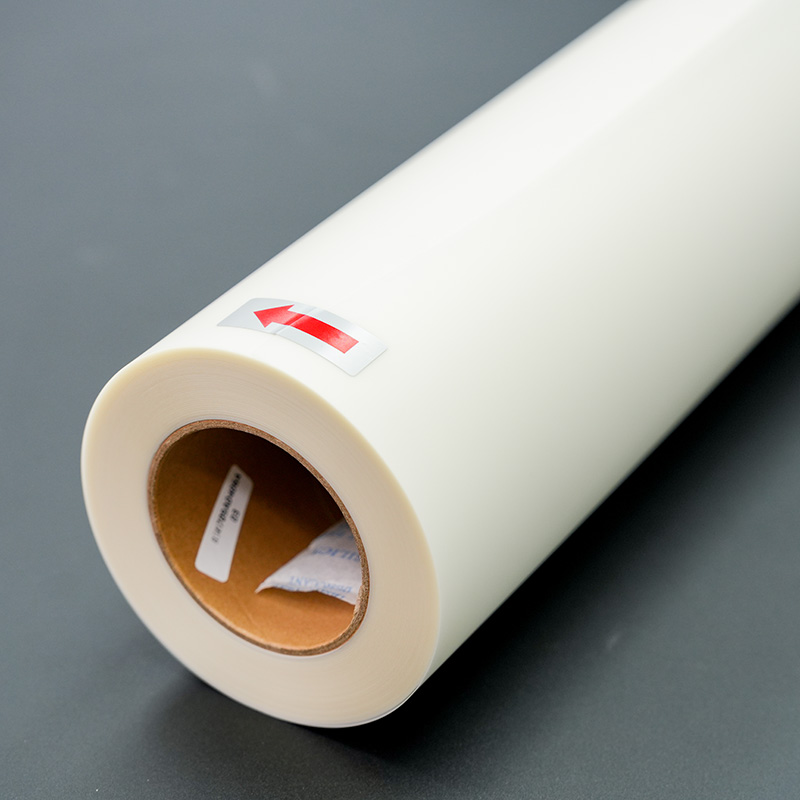
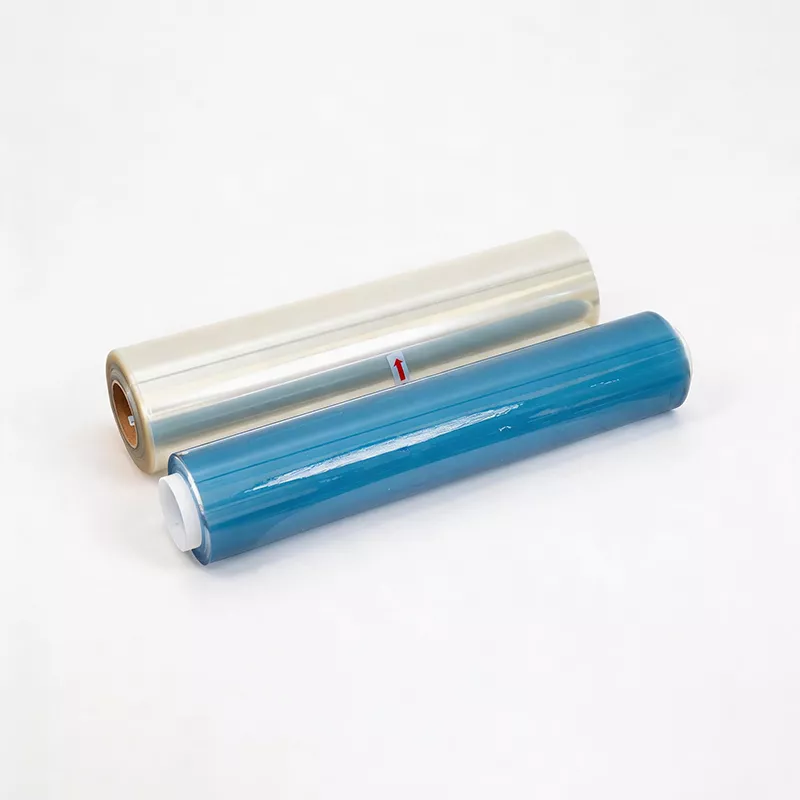
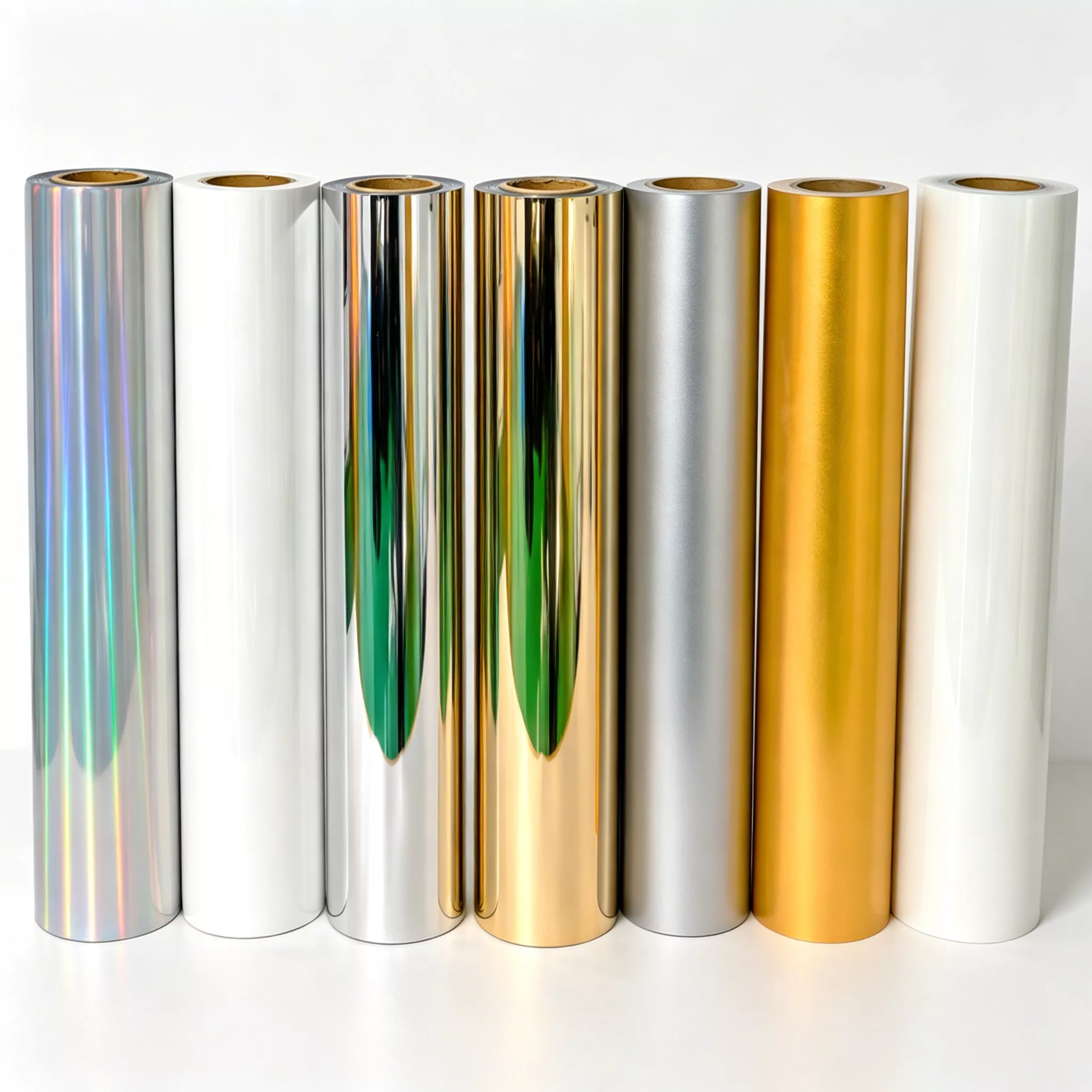
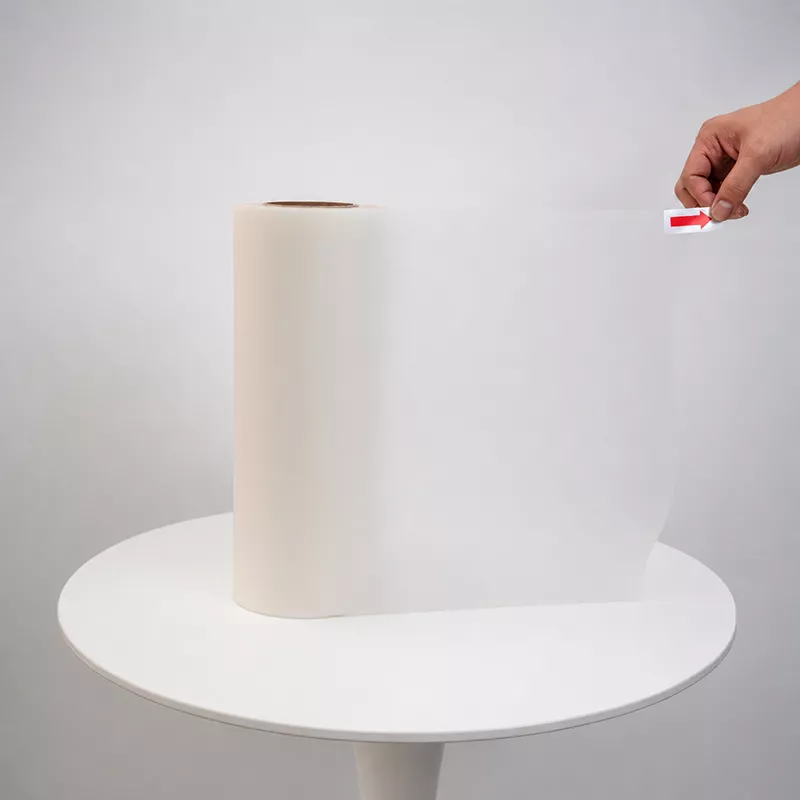
When choosing a printing method for custom apparel, promotional products, or soft signage, the debate often centers on sublimation vs DTF. This article provides a clear, professional comparison to guide your decision. Sublimation printing involves transferring dye into materials like polyester using heat, creating vibrant, permanent designs that become part of the fabric. However, it is typically limited to light-colored, polymer-coated or synthetic substrates. In contrast, Direct to Film (DTF) printing is a newer, more versatile process. It involves printing a design onto a special film, applying an adhesive powder, and then heat-pressing it onto virtually any textile, including cotton, polyester, and blends, regardless of the garment's color. The core distinction in sublimation vs DTF lies in compatibility and application. Sublimation offers exceptional durability and feel on suitable materials but has fabric limitations. DTF provides superior versatility for dark fabrics and natural fibers, with a slightly different texture. Your choice depends on your target products, budget, and desired results. Understanding the strengths of sublimation vs DTF is crucial for businesses seeking quality, efficiency, and a broad product range in the competitive custom printing market.

 English EN
 French FR
 German DE
 Portuguese PT
 Spanish ES
 Russian RU
 Japanese JA
 Korean KO
 Arabic AR
 Greek EL
 Turkish TR
 Italian IT
 Polish PL
 Hindi HI
 中国 CN
中国 CN







User Comments
Service Experience Sharing from Real Customers
Megan
Graphic DesignerAs someone who's used sublimation for years on polyester fabrics, trying DTF was a game-changer for my cotton apparel line. The color vibrancy on dark tees is insane, and the hand feel is so much softer than I expected. It's not perfect for every project—sublimation still wins for all-over prints on synthetics—but having both options in my toolkit lets me promise clients the right finish for their vision.
Leo
Small Business OwnerOkay, I'll be honest: I'm not a printing expert, just a guy who started a side hustle selling custom hoodies. The whole sublimation vs DTF debate had me confused for weeks. Finally took the plunge with a DTF printer after reading comparisons, and wow—the learning curve was way smaller than I feared. No more worrying about fabric content, and the prints survive my washer-dryer torture tests. This tech is a lifesaver for beginners like me.
Chloe
Art TeacherI run a school club where kids design their own shirts. We used to do sublimation transfers, but the polyester-only limitation and the need for heat presses made it tricky. Switched to DTF this semester, and the kids are thrilled they can print on their favorite cotton sweatshirts. The detail in their artwork comes out crisp, and cleanup is easier. Half a star off only because the initial film cost surprised me!
Raj
Production ManagerAfter 15 years in promotional product sourcing, I've seen every print method come and go. DTF isn't just a fad—it's filling a real gap between vinyl and sublimation. We recently handled an order for 500 mixed-fabric uniforms (polyester polos + cotton tees) with complex logos. DTF let us use one process for everything, cutting production time in half. The client didn't believe the durability until they saw the wash tests. Game changer for batch jobs.