
 English EN
 French FR
 German DE
 Portuguese PT
 Spanish ES
 Russian RU
 Japanese JA
 Korean KO
 Arabic AR
 Greek EL
 Turkish TR
 Italian IT
 Polish PL
 Hindi HI
 中国 CN
中国 CN
.webp)
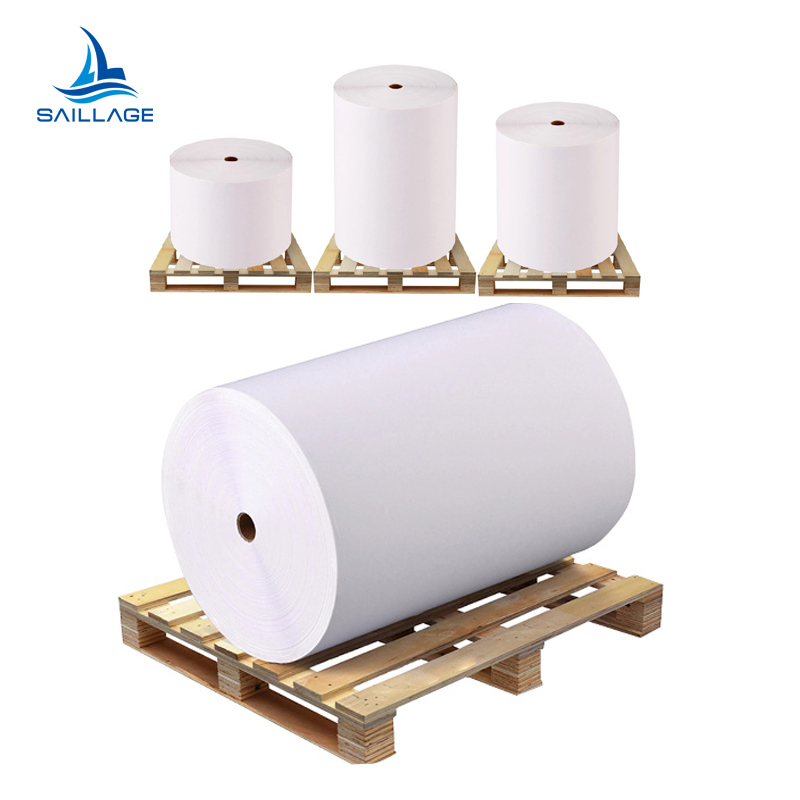
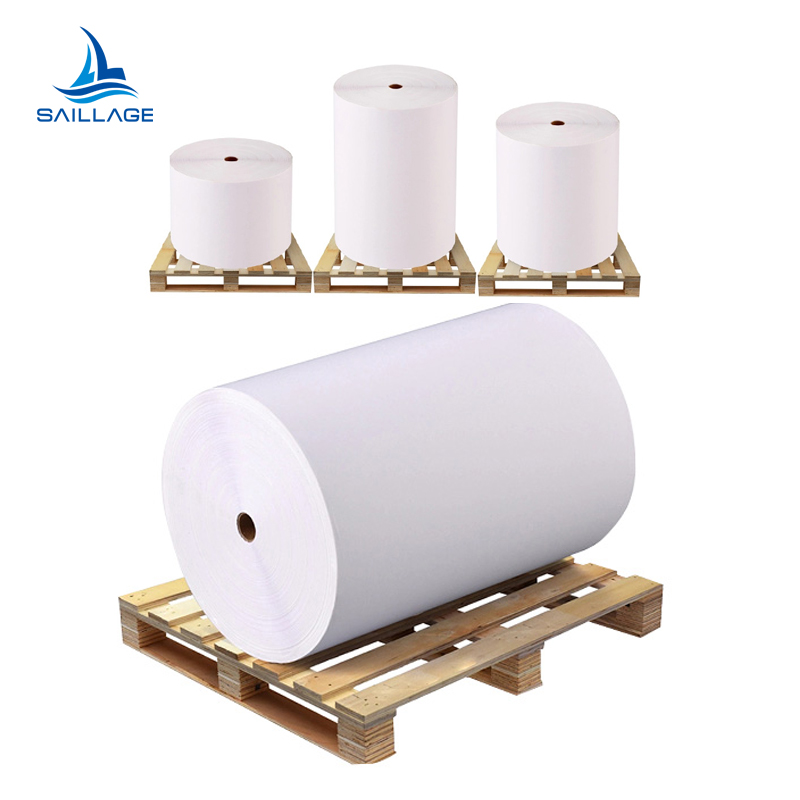
DTF Transfer Film Wholesale Guide | 9 Specs to Compare
Introduction
For distributors, DTF consumable wholesalers, and textile manufacturers, selecting the right DTF TRANSFER FILM is no longer only a price decision. The biggest operational risks usually come from inconsistent film performance: unstable coating quality, color variation between batches, powder adhesion, moisture absorption during storage, and unpredictable peeling behavior after heat transfer.
A high quality dtf film must provide consistent physical properties across production batches. Before placing a wholesale order, buyers should evaluate material structure, coating technology, surface energy, release performance, dimensional stability, and supplier quality control.
This article explains the 9 technical specifications that professional buyers should compare when selecting DTF transfer film, dtf foil, or PET film suppliers.
Key takeaways:
Film thickness and PET substrate quality directly influence printing stability.
Coating uniformity determines ink absorption, powder adhesion, and transfer results.
Storage resistance, release performance, and supplier consistency are critical for large-volume purchasing.

Technical Core: How DTF Transfer Film Works
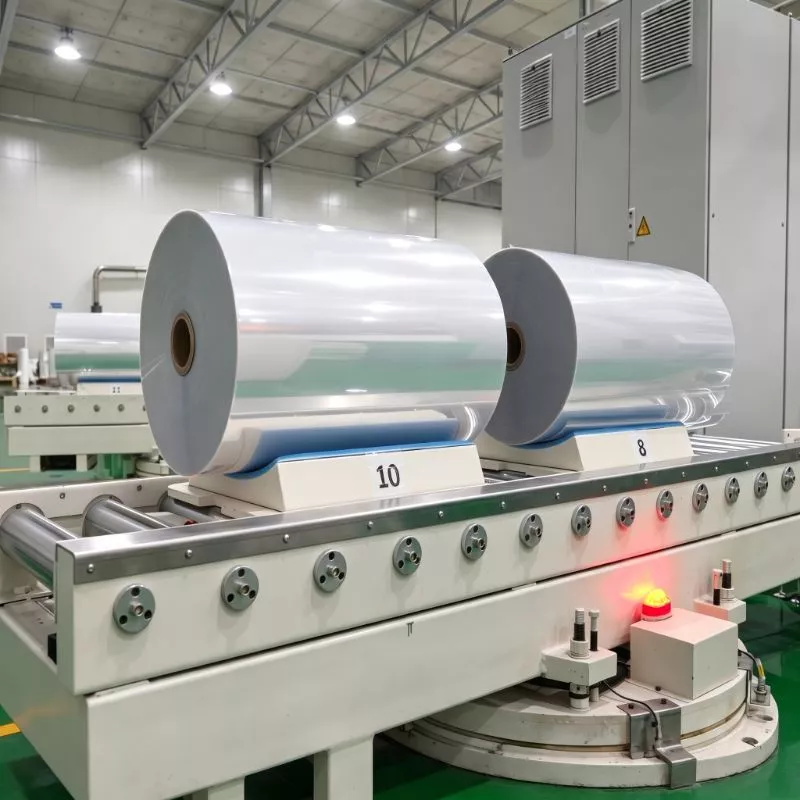
DTF transfer film is a functional composite material designed to carry printed ink and adhesive powder before transferring the image onto fabric. Unlike ordinary PET film, DTF film requires a specially engineered coating system on the surface.
The basic structure normally includes three layers:
1. PET film substrate
PET (polyethylene terephthalate) is the supporting layer that provides mechanical strength, dimensional stability, and heat resistance. A stable PET base helps prevent stretching or deformation during printer operation and heat pressing.
2. Release coating layer
The release coating controls how easily the cured image separates from the film after pressing. A properly designed release surface allows clean peeling without damaging the transferred pattern.
3. Ink receiving
The functional coating controls ink absorption and adhesive powder attachment. Surface chemistry, coating thickness, and uniformity influence color density, drying behavior, and final bonding strength.
4. Anti-slippy & anti-static
A specially designed back coating provides anti-slip performance, allowing the PET film to move smoothly through the printer feeding system and reducing the risk of film deviation or misalignment during continuous printing. It also incorporates anti-static properties to minimize electrostatic buildup during printing and processing. This helps prevent excessive adhesive powder from being attracted to unwanted areas of the film surface, reducing powder contamination and improving transfer consistency.
For industrial buyers, a reliable DTF film manufacturer should control these parameters through consistent raw material selection and production monitoring.

The most important technical characteristics include:
• Thickness consistency
Typical commercial DTF films are produced within controlled thickness ranges. Variation in thickness can affect printer feeding accuracy, heat transfer pressure distribution, and overall production efficiency.
• Coating control
The coating surface must maintain evenly. Poor surface treatment can cause uneven printing, ink pooling, or, color variation or weak color reproduction.
• Thermal stability
During heat pressing, the film experiences elevated temperatures. A stable PET structure reduces shrinkage and maintains accurate image transfer.
• Moisture resistance
Humidity can affect coating performance and powder behavior. Proper packaging and moisture-resistant film construction help maintain product quality during storage and transportation.
9 Specifications to Compare Before a Wholesale DTF Film Order
1. PET Film Thickness and Mechanical Strength
The PET substrate is the foundation of the product. Buyers should confirm thickness specifications, tolerance control, and mechanical stability.
A suitable PET film should:
Maintain consistent thickness across rolls.
Resist deformation during printing.
Provide stable feeding performance in different printer systems.
A low-quality PET base may create wrinkles, uneven feeding, and transfer defects.
2. Coating Uniformity
The coating system is one of the most important differences between standard PET film and professional DTF transfer film.
Check:
Coating thickness consistency.
Surface appearance.
Ink absorption performance.
Powder adhesion uniformity.
Even small coating variations can create visible differences in color output between batches.
3. Ink Absorption Performance
High quality dtf film should allow ink to remain controlled on the surface instead of spreading excessively.
Important indicators include:
Sharp image edges.
Stable color density.
Reduced ink accumulation.
For textile factories running continuous production, consistent ink behavior reduces machine adjustment time.
4. Hot Peel and Cold Peel Performance
Different production workflows require different peeling characteristics.
Hot peel film allows removal shortly after pressing, improving production speed. Cold peel film requires cooling before peeling and may provide different handling characteristics.
Buyers should select according to:
Production speed requirements.
Operator workflow.
Fabric types.
Transfer equipment settings.
5. Powder Adhesion and Melting Compatibility
Adhesive powder must attach evenly to printed areas without excessive powder buildup.
A suitable film helps achieve:
Uniform powder distribution.
Strong adhesive bonding.
Reduced waste.
Poor compatibility between coating and powder can cause weak transfers or surface contamination.
6. Heat Resistance and Dimensional Stability
During pressing, DTF film must withstand heat and pressure without excessive shrinking.
Professional buyers should evaluate:
Thermal deformation.
Flatness after heating.
Stability during repeated production cycles.
7. Moisture Protection and Storage Stability
Many DTF quality problems are related to storage conditions rather than printing equipment.
Moisture may influence:
Coating performance.
Powder flow characteristics.
Film surface consistency.
Recommended storage practices include controlled humidity environments and moisture-proof packaging solutions.
8. Roll Quality and Production Consistency
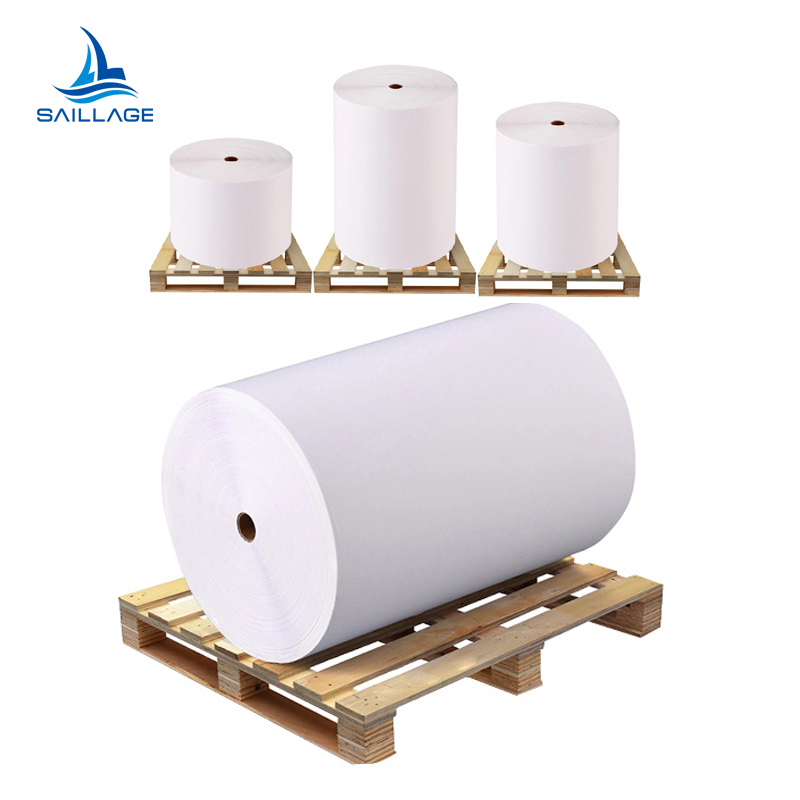
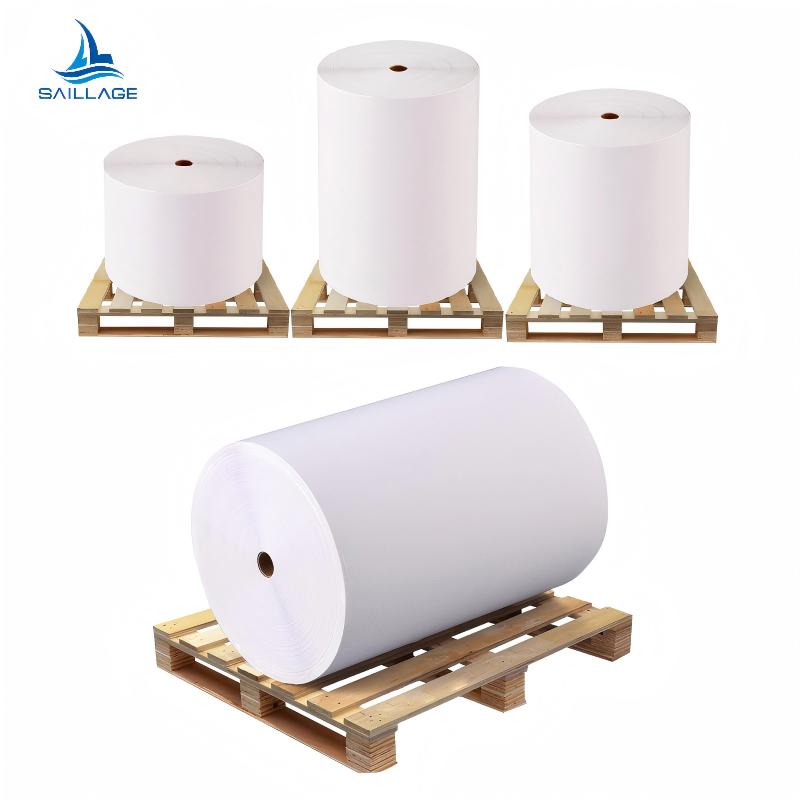
For wholesale buyers, every roll matters. A supplier should provide stable production control.
Evaluate:
Roll edge quality.
Core stability.
Length accuracy.
Batch traceability.
A reliable supplier should be able to provide consistent performance from one shipment to the next.
9. Supplier Technical Support and Quality Control
Choosing the best dtf film manufacturer requires more than comparing specifications.
Professional suppliers should provide:
Technical data sheets.
Sample testing support.
Production quality inspection.
Batch consistency records.
Long-term cooperation depends on stable supply capability and technical communication.

Traditional Film Selection vs Professional Specification-Based Selection
| Comparison Factor | Traditional Low-Cost Selection | Professional DTF Film Specification Selection |
|---|---|---|
| Selection method | Mainly based on unit price | Based on material, coating, and performance data |
| Batch consistency | May vary between shipments | Controlled through production standards |
| Printing adjustment | More frequent machine adjustments | More stable printing conditions |
| Transfer quality | Higher risk of peeling or color variation | More predictable transfer results |
| Storage performance | More sensitive to humidity | Improved moisture resistance and packaging control |
| Long-term cost | Possible hidden costs from defects | Lower operational risk through stable quality |
Practical Optimization Steps Before Ordering
Professional buyers can reduce purchasing risks by following these steps:
Request technical specifications including PET thickness, coating structure, and recommended storage conditions.
Test samples using the same printer, ink, powder, and fabric combination used in actual production.
Compare different batches rather than evaluating only one sample roll.
Check supplier packaging methods, especially moisture protection for overseas transportation.
Confirm quality control procedures and whether the supplier can maintain stable production capacity.
FAQ
What is the difference between PET film and DTF transfer film?
PET film is the basic polymer substrate, while DTF transfer film is an engineered product that includes functional coatings for ink receiving and release performance. Not every PET film is suitable for DTF printing.
How does humidity affect DTF film quality?
High humidity can influence coating behavior, powder adhesion, and storage stability. Proper packaging and controlled storage conditions help maintain consistent performance.
What specifications should I check before buying DTF film wholesale?
Buyers should review PET thickness, coating uniformity, release performance, heat resistance, moisture protection, roll quality, and supplier quality control capability.
How can I choose a reliable DTF film manufacturer?
Evaluate technical capability, sample performance, production consistency, quality documentation, and the supplier’s ability to support long-term commercial requirements.
Conclusion: Selecting Film Based on Performance, Not Only Price
A reliable DTF transfer film supplier should provide consistent material performance, stable coating technology, and dependable quality control. For wholesalers and textile manufacturers, the right film choice reduces production interruptions and improves final transfer quality.
If you are evaluating DTF film suppliers for large-volume purchasing, contact our technical team for sample testing, specification comparison, and customized recommendations based on your production requirements.



News & Events
learn more-
 Blog
Press Release Sep-11-2026
Blog
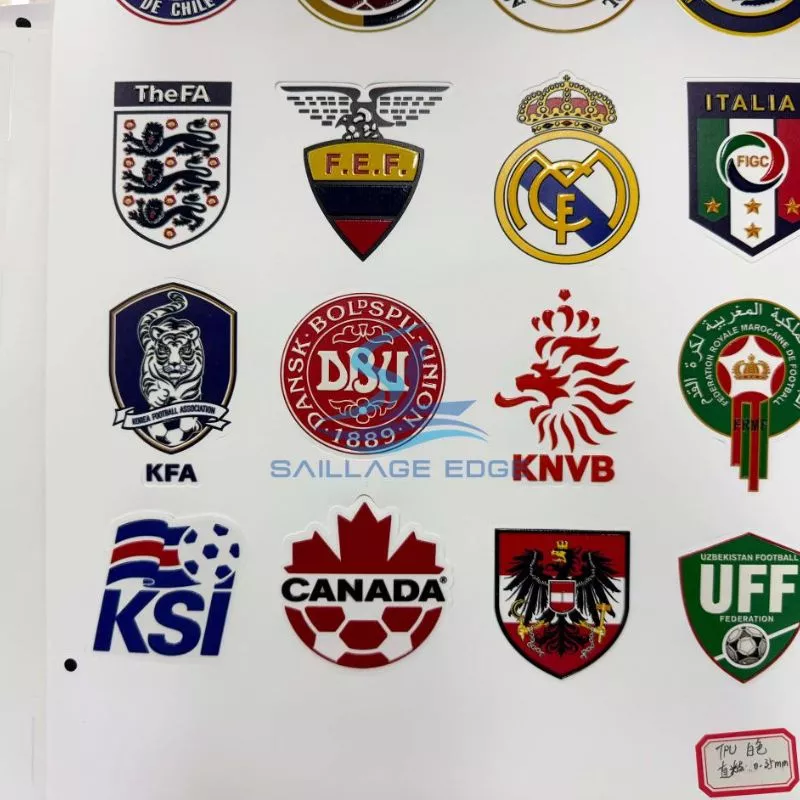
Press Release Sep-11-2026Differences Between PU and TPU UV Printing Films for 3D Apparel Labels
Learn the key differences between PU and TPU UV printing films for 3D apparel labels: softness, elasticity, heat resistance, printing quality and wash durability. -
 Blog
Press Release Sep-11-2026
Blog
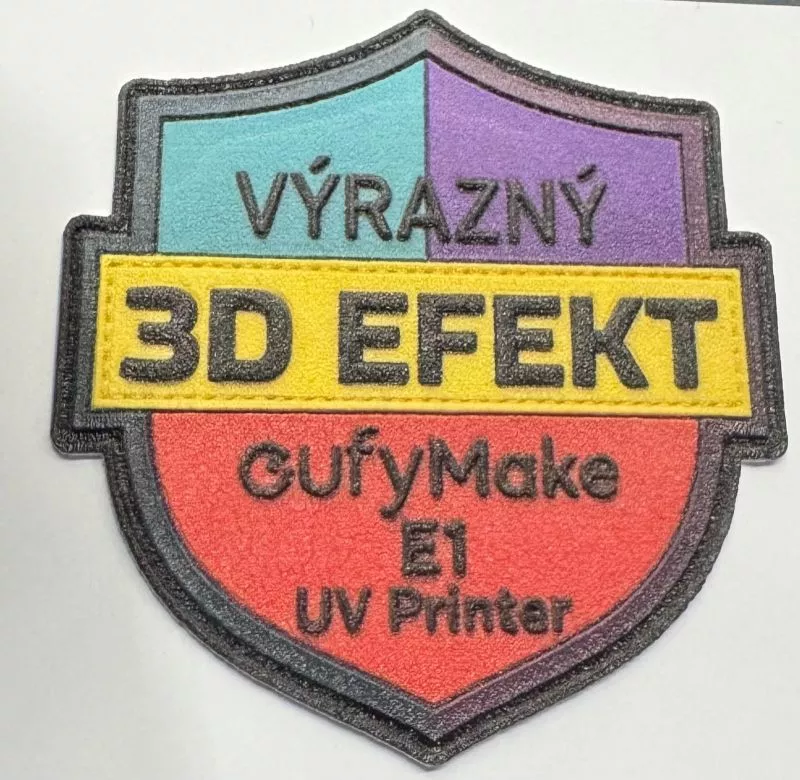
Press Release Sep-11-2026TPU Film vs Silicone Labels: Which Is Better for 3D Logos?
Compare 3D TPU UV DTF film and silicone labels for 3D logos: material structure, production routes, customization flexibility, hardness, wash durability, and distributor business models. -
 Blog
Press Release Sep-11-2026
Blog
Press Release Sep-11-2026What Is UV TPU 3D DTF Film? 3D Texture Transfer Guide
What is UV TPU 3D DTF film? Learn its structure, production process, 3D texture advantages, and applications in apparel, footwear, leather goods and custom products.

contact
Tel: +86 17706217416
Add: Building L2A, No. 520, Lane 1588, Zhuguang Road, Hongqiao World Center, Qingpu District, Shanghai, China
follow us: