Self Adhesive Labels for Printer: A Comprehensive Guide
What Are Self Adhesive Labels for Printer?
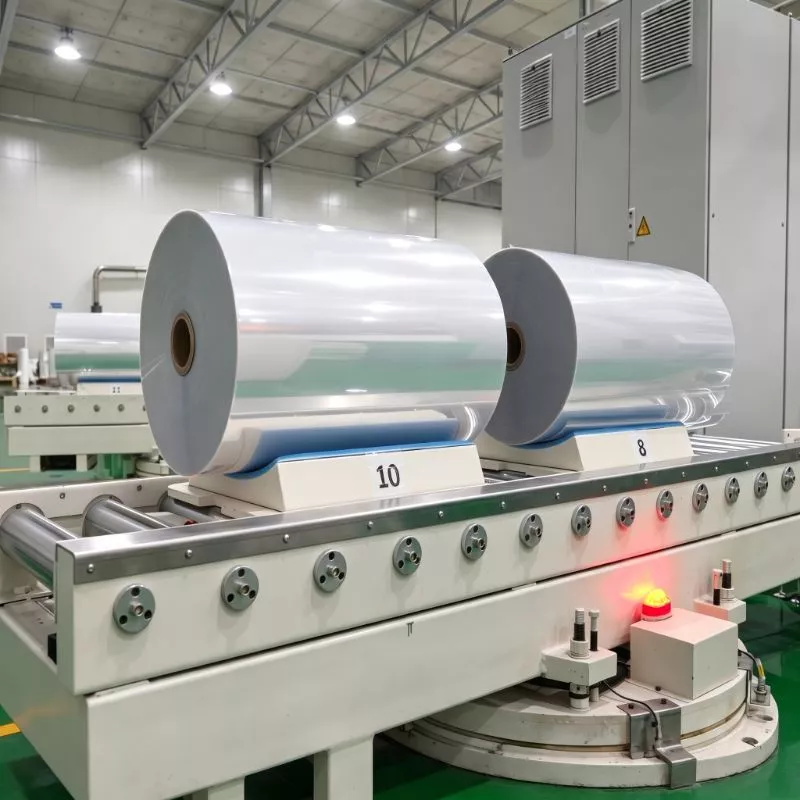
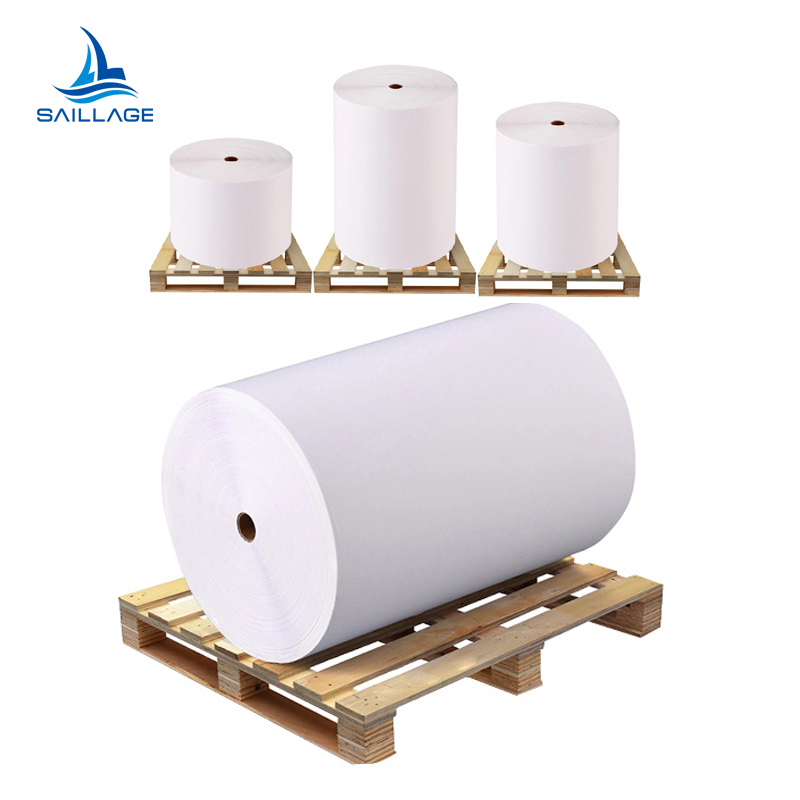
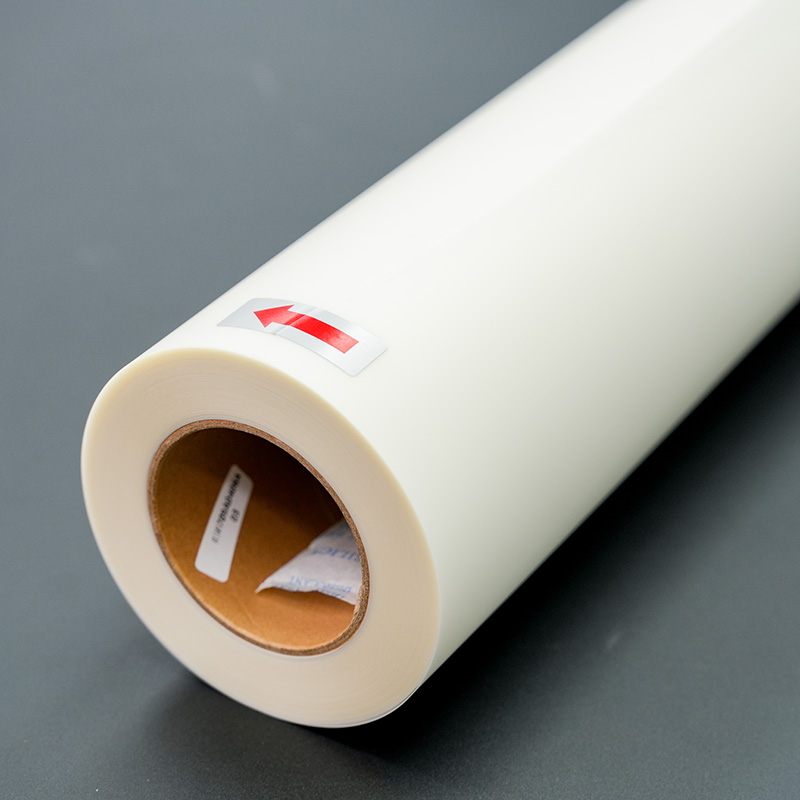
Self-adhesive labels for printers, also known as pressure-sensitive labels, are pre-cut materials with an adhesive backing and a liner that can be printed using various types of printers. These specialized materials are designed for direct printing through inkjet, laser, or thermal transfer printers without requiring additional activation of the adhesive. According to industry analysis from MarketsandMarkets, the global pressure-sensitive label market size is projected to reach $105.1 billion by 2026, growing at a CAGR of 4.3%, demonstrating their widespread adoption across industries. These labels consist of three primary layers: the face material (paper, vinyl, polyester, or polypropylene), the adhesive layer (permanent, removable, or freezer-grade), and the silicone-coated release liner that protects the adhesive until application. The versatility of these labels makes them suitable for numerous applications including product identification, shipping addresses, barcoding, inventory management, and retail pricing. Industry data from Finat indicates that paper-based self-adhesive labels account for approximately 48% of European label consumption, while filmic materials represent 43%, with the remaining share going to other specialty materials. The technology behind these labels has evolved significantly, with modern options including waterproof materials, tamper-evident constructions, and eco-friendly alternatives made from recycled content or biodegradable substrates.
How to Choose Self Adhesive Labels for Printer
Selecting the appropriate self-adhesive labels requires careful consideration of multiple technical specifications and application requirements. Market research from Smithers indicates that 67% of label performance issues stem from material-printer incompatibility, making printer technology the primary selection criteria. For laser printers, labels must withstand temperatures up to 200°C (392°F) without adhesive oozing or face material curling, typically requiring polyester, polypropylene, or specially-coated paper materials. Inkjet-compatible labels need quick-drying coatings to prevent smudging while accommodating the liquid ink formulation. Thermal transfer labels require smooth, receptive surfaces for optimal ribbon adhesion, with synthetic materials generally providing superior print durability. Industry testing data reveals that environmental conditions significantly impact performance: outdoor applications require materials with UV resistance (typically 2-5 years for polypropylene and 5-7 years for polyester), while chemical exposure environments need solvent-resistant films. The adhesive selection should match surface characteristics - a 2023 Label & Narrow Web study showed high-tack permanent adhesives achieve 90%+ bond strength on PVC and metal surfaces, while removable adhesives maintain clean removal for up to 6 months on glass and painted metals. Additional considerations include label thickness compatibility with printer specifications (generally 0.08-0.15mm for desktop printers), roll core size requirements (typically 1-inch or 1.5-inch for desktop applicators), and regulatory compliance such as FDA approval for food contact or UL certification for electrical components.

 English EN
 French FR
 German DE
 Portuguese PT
 Spanish ES
 Russian RU
 Japanese JA
 Korean KO
 Arabic AR
 Greek EL
 Turkish TR
 Italian IT
 Polish PL
 Hindi HI
 中国 CN
中国 CN
.webp)







User Comments
Service Experience Sharing from Real Customers
Jennifer Martinez
Office ManagerThese self-adhesive labels work perfectly with our laser printer. No jamming issues and the adhesive sticks firmly without peeling. Great for organizing our filing system!
David Chen
Shipping CoordinatorExcellent quality labels that print clearly and adhere well to various packaging surfaces. They've significantly improved our shipping label efficiency. Highly recommended!
Sarah Johnson
Retail Store OwnerPerfect for price tagging and product labeling. The adhesive is strong but removable when needed. Works well with both inkjet and laser printers.
Michael Thompson
Laboratory TechnicianThese labels withstand cold storage conditions and don't peel off. The print remains clear and smudge-free. Essential for our sample organization and tracking.