
 English EN
 French FR
 German DE
 Portuguese PT
 Spanish ES
 Russian RU
 Japanese JA
 Korean KO
 Arabic AR
 Greek EL
 Turkish TR
 Italian IT
 Polish PL
 Hindi HI
 中国 CN
中国 CN
.webp)
Direct-to-Film (DTF) Printing: By Size or Gang Sheet?

Every DTF printing business reaches the same decision point sooner or later: should I keep ordering transfers by size, or is it time to switch to gang sheets?
The answer isn't a simple "gang sheets are always better." It depends on your order volume, design variety, customer mix, and how much setup time you're willing to invest. This guide breaks down the real cost math, the practical workflow differences, and a clear framework for deciding which method - or which combination - works best at your current production stage.
What you'll leave knowing: exactly when gang sheets save money, when by-size ordering makes more sense, how to build efficient gang sheet layouts, and what DTF film specs affect both methods.
The Core Difference in 60 Seconds
By-size ordering: You upload one design, select its output dimensions (e.g., 10x12"), and pay per design unit. Simple, predictable, no layout work required.
Gang sheet ordering: You fill a large sheet (typically 22" wide, variable length) with multiple designs arranged to eliminate dead space. You pay per sheet, not per design. The cost savings scale with how efficiently you fill the sheet.
The tradeoff is setup time vs. cost per transfer. By-size is faster to order and fail-safe for beginners. Gang sheets are more economical at volume but require intentional layout planning to actually deliver savings.
The Real Cost Comparison: By Size vs. Gang Sheet
Most guides say "gang sheets are cheaper." That's only true when the gang sheet is filled efficiently. Here's how the math actually works:
Scenario A: By-Size Ordering
You need 5 different designs, each 8x10". Ordered individually, you pay 5x the unit price for that dimension. If the unit cost is $3.50, that's $17.50 for 5 transfers - plus 5 setup events.
Scenario B: Gang Sheet - Poorly Filled
You put those same 5 designs on a 22x60" gang sheet with large gaps between them. The sheet costs $18-$22. You "saved" almost nothing, and now you have wasted film area that generated no usable transfers.
Scenario C: Gang Sheet - Properly Filled
You tile 20 designs (a mix of 4x4", 6x8", and 8x10" sizes) onto the same 22x60" sheet, leaving only minimal margins. The sheet costs $20. Your effective cost per transfer drops to $1.00 - a 71% reduction vs. by-size at $3.50 each.
Key insight: Gang sheets save money in proportion to how well you fill them. Partial fills can cost more per transfer than simply ordering by size. The break-even point for most print shops is roughly 8-10 distinct designs per order.
DTF Transfers by Size: When This Method Works Best
By-size ordering isn't just a beginner fallback - it's the right operational choice in several real-world scenarios.
High-Volume Single-Design Runs
If a client orders 200 transfers of the same logo at the same size, by-size ordering is perfectly efficient. There's no wasted film, no layout complexity, and the unit cost scales down with volume anyway. Gang sheets add unnecessary steps here.
Tight Turnaround Requirements
By-size transfers are faster to order - no layout file to build, no approval cycle for arrangement. For rush orders or walk-in customers who need same-day or next-day prints, by size removes a friction point.
Testing New Designs Before Committing
Before adding a new design to your catalog or running a full collection, order a single transfer by size to validate the design at press - color rendering, edge detail, peel behavior on the specific fabric. Committing this design to a full gang sheet layout before testing it risks wasting an entire sheet if something's off.
Personalized One-Off Orders
Custom name-and-number orders, event memorial shirts, or unique personalized gifts each have unique artwork that won't repeat. Gang sheeting these requires holding the order open until you accumulate enough unique designs to fill a sheet - which creates fulfillment delays. By size keeps these orders moving.
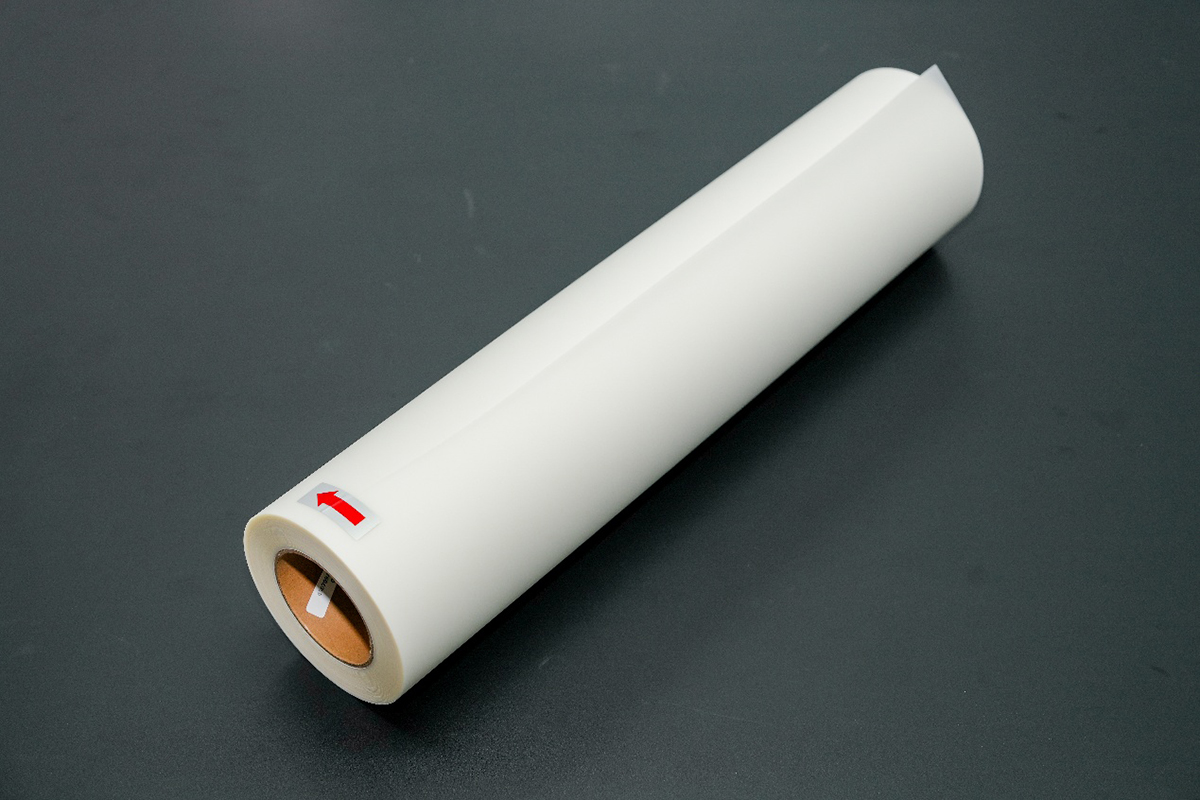
Best DTF film choice for by-size orders: Hot peel film maximizes throughput when you're pressing single designs repeatedly. Cold peel film is worth the extra handling time when the design has fine detail or photographic gradients that benefit from sharper edge resolution.
DTF Gang Sheets: When This Method Wins on Cost and Efficiency
Gang sheets become the clearly superior method when your business model generates a steady stream of varied designs across a consistent weekly print volume. Here's where they outperform:
Running Multiple Designs per Print Run
If your weekly print queue includes 15-30 different designs across a range of sizes, gang sheets let you consolidate that entire week's transfers onto 2-3 large sheets. The per-transfer cost can drop by 50-70% compared to ordering each design individually by size.
Apparel Collections and Product Launches
When launching a new collection with 10-20 designs, gang sheets are the obvious choice. All artwork is defined upfront, the layout can be optimized precisely, and the cost per unit is lowest on first production. If the collection sells well, reordering is straightforward because the gang sheet layout already exists.
Mixed-Size Design Catalogs
A business that sells sleeve logos (3x3"), chest graphics (6x8"), and full-front prints (12x14") can fit all three size tiers onto a single gang sheet. The smaller designs fill in the negative space around larger ones, driving up sheet utilization and driving down cost per transfer.
Batch Printing for Inventory
If you pre-print transfers to keep in inventory (a common workflow for shops with predictable bestseller designs), gang sheets let you stock up on 30-50 transfers for your top designs in a single print run. Combined with DTF film's ability to store pre-printed transfers for several days before pressing, this is a high-efficiency inventory model.
DTF Gang Sheet Sizes: A Practical Reference Guide
Standard DTF printers run on 22-inch-wide film rolls. Gang sheet length is variable, giving you a range of sheet formats to choose from. Here's how to match sheet size to your production volume:
| Sheet Size | Approx. Area | Best For | Typical Designs/Sheet |
|---|---|---|---|
| 22" x 12" | 264 sq in | Small logos, patches, test prints | 4-8 small designs |
| 22" x 24" | 528 sq in | Mix of small + medium designs | 6-14 designs |
| 22" x 60" | 1,320 sq in | Mid-size collections, weekly queues | 15-30 designs |
| 22" x 100" | 2,200 sq in | Large collections, apparel launches | 30-60 designs |
| 22" x 150"+ | 3,300+ sq in | High-volume commercial runs | 60-100+ designs |
Rule of thumb: Start with a sheet that matches roughly 80% of your current weekly design output. Under-sizing means multiple sheet orders and more admin. Over-sizing means partially filled sheets and wasted film cost.
How to Build an Efficient DTF Gang Sheet Layout
The difference between a well-built gang sheet (cost-effective) and a poorly built one (wasteful) comes down to layout discipline. Follow this process:
Step 1: Prepare All Design Files First
Export every design as a PNG with a transparent background at 300 DPI minimum. Remove any white fills behind logos - the DTF white ink underbase is added during the printing process; a white background in your file creates a visible white box around your transfer on the garment.
Step 2: Sort Designs by Size Before Placing
Group designs into size tiers: large (10"+), medium (6-10"), small (under 6"). Place large designs first, then fill gaps with medium, then pack remaining negative space with small designs. This "largest-first" approach maximizes sheet utilization systematically.
Step 3: Maintain Consistent Spacing
Leave 0.25-0.5 inches between each design. Tighter than 0.25" risks cut bleed on film that doesn't hold tolerance perfectly. Wider than 0.5" wastes usable space unnecessarily. Consistent spacing also makes hand-cutting easier and reduces press alignment errors.
Step 4: Use Vector or High-Resolution Layout Software
Adobe Illustrator and CorelDRAW give you pixel-accurate control over placement. Many DTF suppliers also offer free browser-based gang sheet builders that auto-tile designs. If you're using a supplier's tool, still verify spacing and bleed settings match their film specs before submitting.
Step 5: Calculate Fill Rate Before Ordering
Add up the total area of all designs placed (length x width per design). Divide by total sheet area. If fill rate is below 75%, consider whether you should wait for more designs to queue, reduce sheet size, or supplement with small filler designs (logos, icons, stock graphics) that you always need in inventory.
5 Gang Sheet Mistakes That Turn Cost Savings Into Waste
White fill in PNG files. As noted above: the white underbase is applied by the printer, not in your artwork. A white background in your design file prints as a visible white rectangle on the garment. Always export with transparent backgrounds.
Low-resolution artwork. Anything below 150 DPI will visibly degrade at print size, especially on designs with fine text or gradients. 300 DPI is the standard; 150 DPI is the bare minimum for simple graphics.
Overlapping designs or cut bleed. Designs placed too close together can bleed into each other when cut, ruining both transfers. Verify spacing is at least 0.25" on all sides before submitting your layout.
Ordering by size when gang sheet would be 50% cheaper. Track your weekly design volume. If you're consistently ordering 10+ different designs per week, and still ordering by size, you're leaving significant savings on the table every single week.
Half-filled gang sheets. A 22x60" sheet that's only 40% filled is more expensive per design than ordering by size. Only use gang sheets when you can hit >=75% sheet utilization.
How to Decide: A Practical Decision Framework
Use these criteria to determine which method fits your current situation - or whether a hybrid approach makes the most sense.
Choose By-Size When:
You have fewer than 8 different designs per order
You need same-day or next-day turnaround
You're testing a new design before committing to a full production run
Your orders are high-volume, single-design repeat prints
You're new to DTF and learning press settings before adding layout complexity
Choose Gang Sheets When:
You have 10+ different designs in your weekly print queue
You're launching a collection or product line with defined artwork
You want to pre-print inventory transfers for your bestselling designs
You have a mix of design sizes that can fill a sheet efficiently (>=75%)
You're cost-optimizing at scale and the layout investment pays back quickly
Use Both When:
Most growing print businesses end up running both methods simultaneously. The workflow looks like this: gang sheets for the weekly production queue of catalog designs + by-size ordering for custom, one-off, or rush orders. This hybrid approach maximizes cost efficiency without creating bottlenecks on time-sensitive jobs.
How Your DTF Film Specs Affect Both Methods
Both ordering methods depend on the same substrate: DTF film. But specific film characteristics affect the outcomes of each method differently.
Peel Type and Method Compatibility
Hot peel DTF film: Peel immediately after pressing. Best for high-throughput by-size operations where you're pressing individual designs one after another. Reduces cycle time significantly in single-design runs.
Cold peel DTF film: Wait 20-30 seconds after pressing before peeling. Produces sharper edge definition - particularly valuable on gang sheets where designs are closely spaced and edge clarity differentiates transfers from one another.
All-time peel (dual-condition): Flexible peel timing - works both hot and cold. A practical choice for shops running both methods, as it eliminates the need to manage two different film types in your press workflow.
Film Width and Gang Sheet Planning
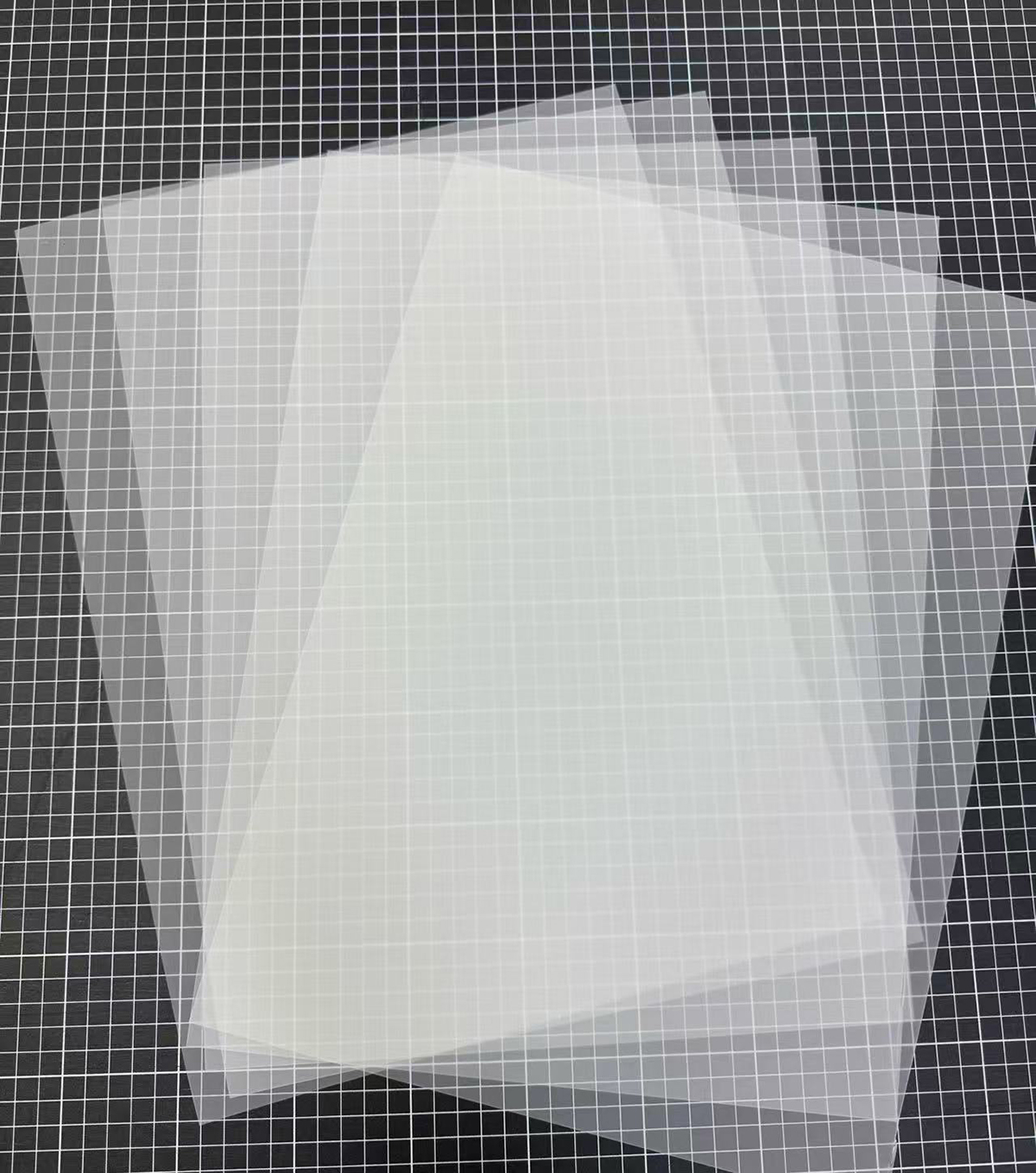
Standard DTF film rolls come in 24-inch, 30-inch, and 60-inch widths. The 24-inch roll is the most common for small-to-mid-size shops and accommodates the standard 22-inch gang sheet width with appropriate margins. If you're planning gang sheets wider than 22 inches, verify your printer's maximum print width and order the corresponding film roll width from your supplier. For single-design test prints and small by-size jobs, A3/A4 DTF film sheets are a convenient alternative to cutting from a roll.
FAQ: DTF Gang Sheets and By-Size Transfers
Is DTF gang sheet printing always cheaper than by size?
No - only when the sheet is filled efficiently. A partially filled gang sheet (under 60-70% utilization) can cost more per design than simply ordering by size. Gang sheets become definitively cheaper when you have enough design variety to hit >=75% fill rate.
What's the standard gang sheet width for DTF printing?
22 inches is the industry standard width, driven by the most common DTF printer format. Sheet length is variable - common options are 12", 24", 36", 60", 100", and 150"+. The width stays fixed; you scale by adjusting length based on how many designs you need to fit.
Can I mix hot peel and cold peel designs on the same gang sheet?
If you're printing the sheet yourself on your own DTF equipment, you cannot mix peel types on the same sheet - the entire sheet uses one film type. If you're ordering pre-printed transfers from a supplier, ask whether they offer mixed-sheet orders. An all-time peel film eliminates this problem entirely, as it works under both peel conditions.
How long can I store DTF gang sheet transfers before pressing?
Pre-printed, powder-cured DTF transfers can be stored flat for several days to a few weeks without quality degradation. Keep them away from heat, direct sunlight, and humidity. This storage window is one of DTF's core operational advantages - it's what makes pre-printing a gang sheet on Monday and pressing orders throughout the week a viable workflow.
What DPI should my files be for DTF gang sheets?
300 DPI at print size is the standard. At this resolution, fine text, gradient blends, and photographic elements reproduce cleanly at press. Files below 150 DPI will appear soft or pixelated, especially on larger design dimensions. Always check DPI at the actual output size, not at thumbnail or screen preview dimensions.
What's the minimum order quantity for DTF gang sheet printing?
Most DTF suppliers allow gang sheet orders with no minimum quantity on the sheet itself - you order by the sheet, and one sheet is typically the minimum. The practical consideration is economic: a single gang sheet makes most financial sense when it's carrying 10+ designs. For fewer designs, by-size ordering is usually the better value.
SAILLAGE DTF Film: Engineered for Both Methods
Whether you're running individual by-size transfers or maximizing 22-inch gang sheets, the DTF film substrate matters. SAILLAGE's DTF film is manufactured to maintain dimensional stability across full-sheet print runs - minimizing stretch or warp that can misalign gang sheet designs at the edges of long sheets.
Available in hot peel, cold peel, and all-time peel variants, SAILLAGE film gives your print shop the flexibility to match film spec to workflow - not the other way around. Consistent ink adhesion and wash durability across substrate types mean the transfers you press today still look sharp after your customers' fifth wash.
Start with the method that fits your current volume. Scale with gang sheets when the design queue supports it. Either way, the film holding it together should never be the weak link. Explore the full DTF film series to find the spec that fits your workflow.



News & Events
learn more-
 Blog
Press Release Sep-29-2025
Blog
Press Release Sep-29-2025Custom Jerseys, T-Shirts & Hoodies for Teams | SAILLAGE DTF Film
Sports are all about unity—and nothing fuels team pride like custom jerseys, tees, and hoodies that look and feel professional. But creating those standout pieces? It used to mean relying on pricey printers or settling for blurry, generic designs. Enter SAILLAGE DTF Film: the game-changer that lets you craft pro-level team apparel yourself, whether you’re outfitting a youth soccer league or an adult softball crew. -
 Blog
Press Release Sep-29-2025
Blog
Press Release Sep-29-2025How to Use DTF Film: A Step-by-Step Guide for Beginners (2026 Update)
If you’re new to garment printing, using DTF film can feel overwhelming—blurry patterns, poor adhesion, and wasted materials are common headaches that eat into your time and budget. But it doesn’t have to be this way. This step-by-step guide breaks down the entire DTF film process from tool prep to final inspection, so even beginners can get perfect results on the first try. Plus, our DTF film is designed for easy operation, with a higher fault tolerance for new users—you can request free samples at the end to test it yourself. -
 Blog
Press Release Sep-29-2025
Blog
Press Release Sep-29-2025DTF Film: The Secret to Perfect Halloween Shirts
Make your Halloween tees shine with SAILLAGE’s DTF film. Learn how to print flawless gradients, crisp details, and vibrant colors—even on black fabrics—for spooky-season designs that pop.

contact
Tel: +86 17706217416
Add: Building L2A, No. 520, Lane 1588, Zhuguang Road, Hongqiao World Center, Qingpu District, Shanghai, China
follow us: