
 English EN
 French FR
 German DE
 Portuguese PT
 Spanish ES
 Russian RU
 Japanese JA
 Korean KO
 Arabic AR
 Greek EL
 Turkish TR
 Italian IT
 Polish PL
 Hindi HI
 中国 CN
.webp)
How to Store and Ship PETG Shrink Film Master Rolls: Prevent Premature Shrink and Roll Damage
Introduction
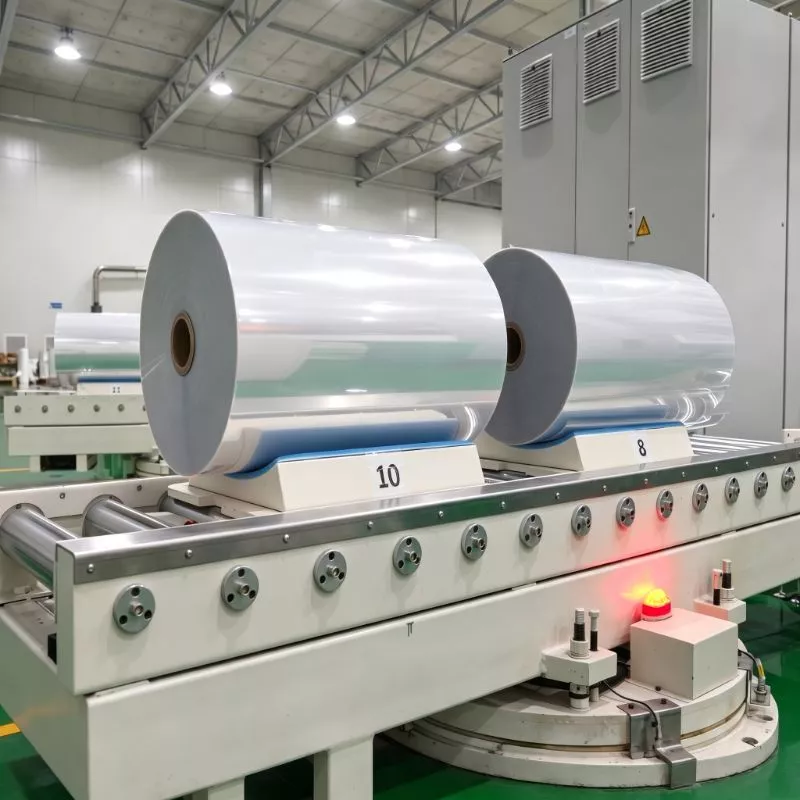
A PETG shrink film master roll can arrive with the correct width and thickness yet still create problems on the converting line. Edge dents, telescoping, crushed cores, contamination, moisture or heat exposure, and unstable storage conditions can lead to web breaks, wrinkles, uneven shrink behavior, or unnecessary start-up waste. For PETG Shrink Film Master Rolls, logistics and warehouse handling are part of product quality, not merely activities that happen after manufacturing.
Heat-shrink PETG film is designed to contract when exposed to a suitable thermal process. Uncontrolled heat during storage or transit may change roll condition or expose the material to temperatures outside the supplier’s recommended range. Mechanical impacts can damage the roll edges or core, while poor packaging may allow dust, water, or abrasion to affect the film. The practical objective is to preserve the roll’s original condition from winding through delivery and final use.
Key Takeaways
keep rolls within the film supplier’s documented storage-temperature range.
protect them from direct sunlight, heaters, moisture and physical impact.
specify packaging and loading controls before shipment.
secure rolls against movement without crushing the core or edges.
and inspect, document and condition incoming rolls before releasing them to production. Exact temperature, humidity, stacking and transport limits should be agreed with the supplier for the specific film grade and packaging design.
Technical Core: Why Storage and Transport Affect PETG Shrink Film
PETG is a glycol-modified polyethylene terephthalate copolyester. In shrink-film production, controlled orientation creates a film that can contract when reheated. Thermal history matters: heat exposure can affect dimensional stability, while the film’s measured shrink response depends on its grade, orientation, thickness and test conditions. A warehouse temperature alone does not determine performance, but exposure outside the supplier’s recommended range can compromise reliable handling or make subsequent process results less predictable.
The master roll is also a wound mechanical structure. Each layer supports the layers above it, and the core transfers loads during storage, lifting and unwinding. Excessive point pressure, impact, poor support or incorrect clamping can deform the core, create edge damage, or cause telescoping, where the wound layers shift sideways. These defects can affect roll tracking, tension control and converting efficiency even if the film itself has not undergone a chemical change.

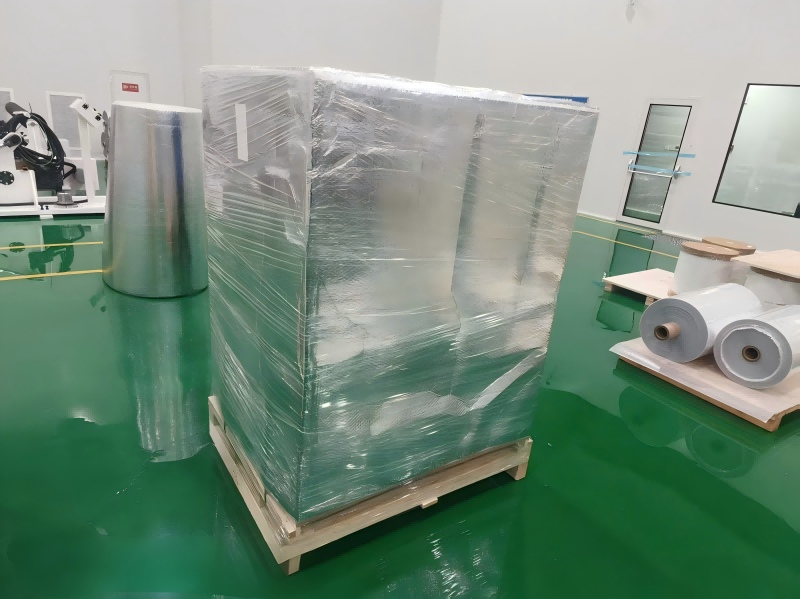
Packaging has three main functions: thermal and environmental protection, mechanical protection, and identification and traceability. A suitable wrap helps limit dust, splash water and abrasion, but it should not be treated as a substitute for controlled storage or a guarantee against condensation. End protectors and appropriate pallet or cradle support can reduce edge and impact damage. Labels should remain legible and connect each roll to its product grade, dimensions, batch or lot number, and handling instructions.
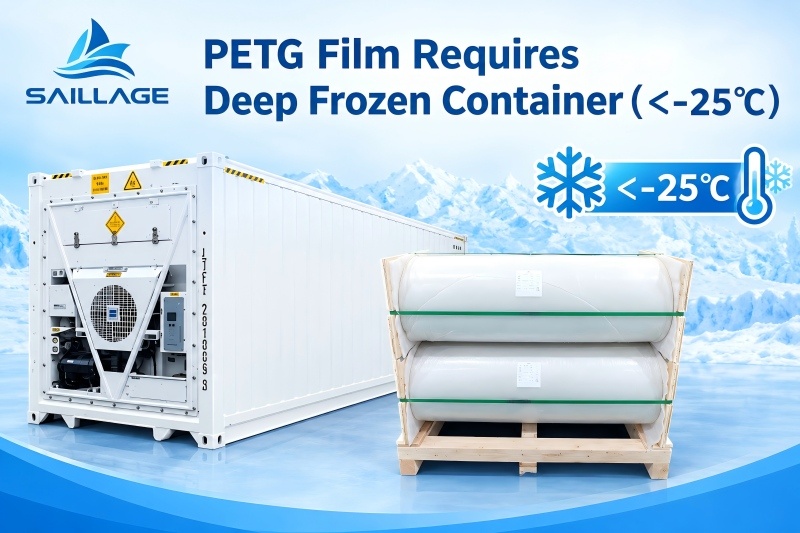
The correct storage environment for heat-shrink PETG films depends on the supplier’s formulation, roll construction, packaging and intended shelf-life conditions. Avoid assigning a universal temperature or humidity limit when the technical data sheet does not provide one. For international shipments, consider the complete route: loading area, container or truck, port dwell time, customs delays, seasonal weather and final warehouse. A container exposed to strong solar heating can experience a very different temperature history from the ambient air reported by a nearby weather station.
Medium Shrink PETG Film roll and High shrink petg shrink film roll in stock should be handled according to their respective technical documentation and packaging specifications. Do not assume that shrink grade alone determines storage sensitivity. The supplier’s stated limits, packaging method, roll diameter, core design and shipment duration should govern the handling plan.
Application & Solutions: Warehouse, Packaging and Shipping Controls
1. Warehouse storage before dispatch
Store rolls in a clean, dry, covered area, away from direct sunlight, radiators, hot pipes, ovens and other localized heat sources. Keep rolls away from doors or roof areas where rainwater, condensation or large temperature swings may occur. Follow the supplier’s specified temperature and humidity range, and record warehouse conditions when the material is high-value, stored for an extended period, or used in a process with tight dimensional requirements.
Keep rolls in their original protective packaging until they are needed. Place them only in the orientation approved by the supplier and use compatible cradles, racks or pallets designed for the roll diameter and weight. Do not place heavy objects on top of rolls or allow roll edges to bear against sharp pallet boards. If stacking is permitted, follow the documented stack height and load limits; do not infer a safe stacking arrangement from appearance alone.
2. Packaging design for domestic and export shipments
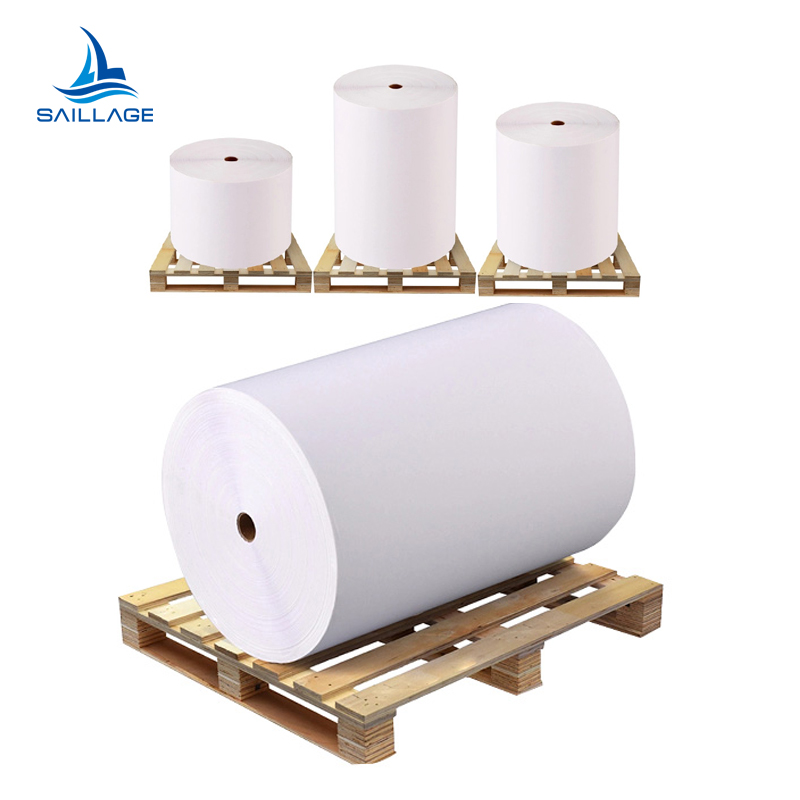
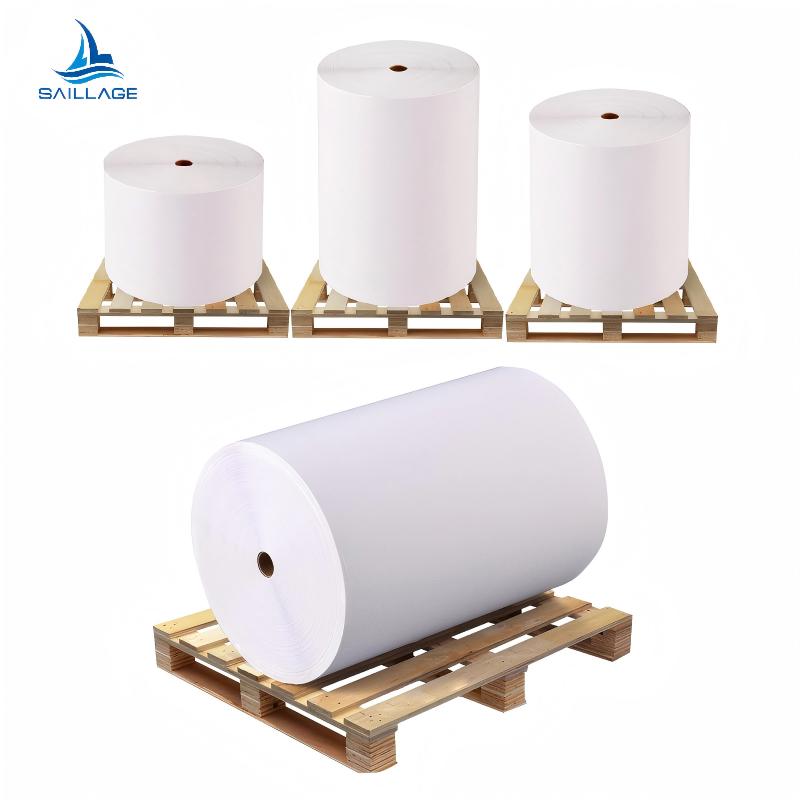
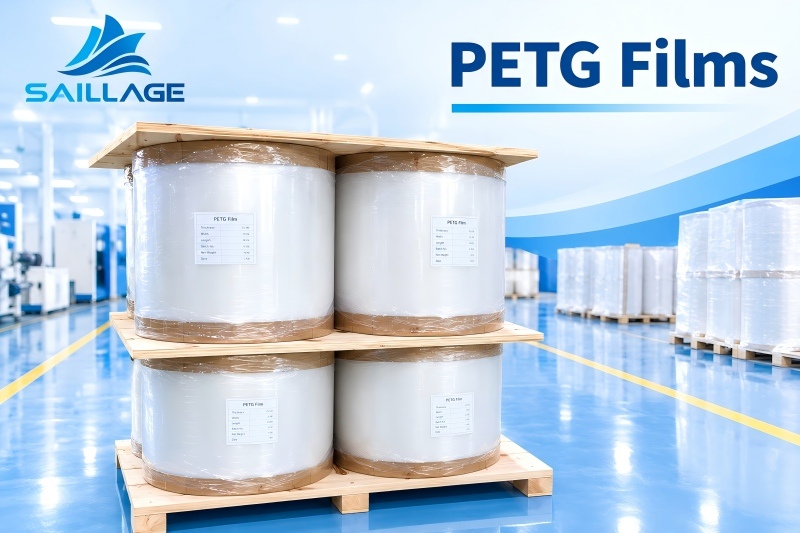
PETG jumbo roll packaging requirements should define how the film is protected from abrasion, dust, splash water, edge impact and load movement. The packaging specification should match the route, handling equipment, shipment duration and customer unloading capability. Common elements may include a protective film wrap, end-face protection, a robust core, a pallet or cradle, and external restraints. The exact configuration should be validated for the roll’s mass and dimensions rather than copied from a smaller roll or a different product family.
For export shipments, confirm that the packaging and pallet materials meet the destination’s applicable import requirements. Where solid-wood packaging is used in international trade, check whether ISPM 15 treatment and marking apply. Keep packaging dry before loading and avoid sealing visibly wet material into a package. Packaging should prevent movement while avoiding concentrated pressure that deforms the roll edge or core.
3. Loading and securing cargo
Use handling equipment and lifting attachments suitable for the roll and its core. Forks, clamps or slings should not contact the film surface or apply unapproved pressure to the core. Lift smoothly, avoid sudden stops, and do not drop or roll a master roll across an unprotected floor. Before loading, inspect the vehicle or container for water ingress, sharp projections, debris, odors or signs of prior cargo leakage.
The load plan should prevent rolls from shifting during braking, cornering or sea transport. Use suitable blocking, bracing and restraints, and distribute weight in accordance with carrier and container requirements. Do not rely on the outer wrap alone to hold heavy rolls in place. Photograph the cargo condition before loading, after securing, and at container closure where commercially appropriate. These records can help distinguish manufacturing defects from transit damage if a claim arises.
4. Transit conditions and delivery planning
PETG shrink film shipping conditions should account for route length, season, port dwell time, inland transport and the possibility of container heat build-up. For routes with high heat exposure or long delays, discuss additional protective measures with the supplier and logistics provider before dispatch. If temperature monitoring is warranted, place a data logger where it can represent the cargo’s exposure and agree in advance on how readings will be interpreted. A logger records conditions; it does not by itself prove that a film has passed or failed quality requirements.
Coordinate delivery appointments and unloading equipment with the consignee. Long dwell times in an exposed yard, leaving a container open in rain, or unloading rolls onto a wet floor can undermine otherwise adequate packaging. If the shipment arrives with condensation, wet packaging, unusual odor, damaged edges or a deformed core, isolate the affected rolls and document the condition before use.
5. Incoming inspection and release to production
Receiving teams should check the shipment against the packing list and roll labels, then inspect the packaging, end faces, edges, core and visible winding condition. Record any impact marks, telescoping, water exposure or missing identification. If damage is suspected, photograph it before removing the packaging and notify the supplier or carrier within the contractually required claim window.
Before converting, allow the roll to reach the production area’s conditions in accordance with the supplier’s acclimatization instructions. Avoid opening cold packaging immediately in a warm, humid room if condensation may form. Do not use a generic acclimatization period when the supplier has a defined procedure. Where a roll has experienced abnormal heat, moisture or impact, ask the supplier’s technical team to advise on inspection or testing before releasing it to production.
Traditional Handling vs Recommended Control Plan
| Control area | Traditional approach | Recommended control plan |
|---|---|---|
| Storage | Store wherever floor space is available | Use a clean, covered area and follow grade-specific temperature and humidity guidance |
| Packaging | Apply a standard wrap without route review | Specify wrap, end protection, core support and restraint based on roll dimensions and route |
| Loading | Move rolls with available equipment | Use approved lifting points and prevent contact with film edges or unapproved core pressure |
| Transit | Assume the container environment is stable | Assess seasonal heat, dwell time, route duration and need for monitoring |
| Receiving | Check only quantity and outer appearance | Inspect edges, core, winding, moisture exposure, labels and traceability before release |
| Damage response | Unpack and try the roll first | Photograph, isolate, report within claim windows and seek technical assessment |
The comparison below describes operational differences. It does not promise a fixed percentage reduction in waste or damage; actual results depend on roll dimensions, packaging, route, handling practices and baseline performance.
Storage and Shipping Checklist
Confirm product-specific limits. Obtain the current TDS, storage guidance, shelf-life information if specified, roll dimensions, core requirements and packaging instructions for the exact grade.
Inspect the storage area. Check for direct sunlight, localized heat, water ingress, dust, pests, sharp edges and unstable temperature conditions. Keep environmental records where risk justifies monitoring.
Approve the packaging specification. Define wrap, end protection, core support, pallet or cradle design, restraint points and external labels. Validate the package for actual roll mass and diameter.
Prepare the container or truck. Confirm it is clean, dry, odor-free and free of protrusions or evidence of leakage. Reject unsuitable loading conditions before the rolls enter the vehicle.
Secure and document the load. Use approved lifting methods, block and brace against movement, avoid pressure on film edges, and take condition photos when appropriate.
Plan for route risks. Consider seasonal heat, transit duration, port storage and delivery delays. Decide with the supplier whether temperature logging or additional protection is appropriate.
Inspect before production release. Verify roll identity, packaging integrity, edges, core, winding alignment and signs of moisture or heat exposure. Quarantine questionable rolls until assessed.
Maintain traceability. Record batch numbers, shipment details, storage history and any defects so recurring problems can be traced to a specific lot, handling stage or route.
FAQ: Practical Questions from Buyers and Warehouse Teams
What temperature should PETG shrink film master rolls be stored at?
Use the temperature range stated in the supplier’s current technical documentation. There is no single universal limit that should be applied to every PETG shrink film grade and package. Keep rolls away from direct sunlight and localized heat, and ask the supplier for written guidance when the data sheet is silent.
Can PETG shrink film be shipped in a standard container?
It may be suitable, provided the container is clean, dry, structurally sound, and the rolls are packaged and secured for the route. Consider seasonal heat, dwell time and handling conditions. Special temperature control should be selected from a route-specific risk assessment, not assumed necessary or unnecessary for every shipment.
What should we do if a roll arrives with damaged edges or a crushed core?
Photograph the condition before unpacking, record the roll and lot identification, and notify the supplier or carrier within the applicable claim period. Keep the roll separate from conforming stock and obtain a technical assessment before use, because damage may affect unwinding and web tracking.
Does high-shrink film need different storage conditions from medium-shrink film?
Not automatically. Follow the product-specific storage and packaging instructions for each grade. Shrink classification alone is not enough to determine allowable temperature, humidity, stacking or shelf-life limits.
Conclusion
Protecting PETG Shrink Film Master Rolls requires a connected plan for warehouse conditions, packaging, loading, transit and incoming inspection. Thermal exposure can create uncertainty in a heat-responsive material, while impact, poor support and load movement can damage the wound roll structure. Product-specific limits and traceable handling records are more reliable than generic rules or assumptions based on shrink grade.
Before your next shipment, ask your PETG film supplier to confirm the recommended storage environment, packaging configuration, core and roll-handling method, and any acclimatization instructions. Share the destination, transport route, expected transit time and roll dimensions so the packaging plan reflects the actual risk. A sample packaging review or pre-shipment checklist can help purchasing, warehouse and converting teams protect film quality from dispatch to production.




News & Events
learn more-
 Blog
Press Release Oct-16-2026
How BOPP Film Barrier Properties Are Tested: OTR, WVTR and What the Numbers Mean
Learn how BOPP film barrier properties are tested using OTR and WVTR, what the results mean, and how to compare metallized and high-barrier films. -
 Blog
Press Release Oct-16-2026
High vs Medium Shrink PETG Film: Read the TD/MD Curve Before Selecting a Master Roll
Compare high and medium shrink PETG film by TD and MD curves, bottle geometry, tunnel conditions and master-roll qualification requirements. -
 Blog
Press Release Oct-16-2026
Single-Sided vs Double-Sided Matte DTF Film: How to Select the Right Film for Stable Printing Performance
Compare single-sided and double-sided matte DTF film by coating structure, feeding stability, static control, print performance and supplier selection.

contact
Tel: +86 17706217416
Add: Building L2A, No. 520, Lane 1588, Zhuguang Road, Hongqiao World Center, Qingpu District, Shanghai, China
follow us: