
 English EN
 French FR
 German DE
 Portuguese PT
 Spanish ES
 Russian RU
 Japanese JA
 Korean KO
 Arabic AR
 Greek EL
 Turkish TR
 Italian IT
 Polish PL
 Hindi HI
 中国 CN
.webp)
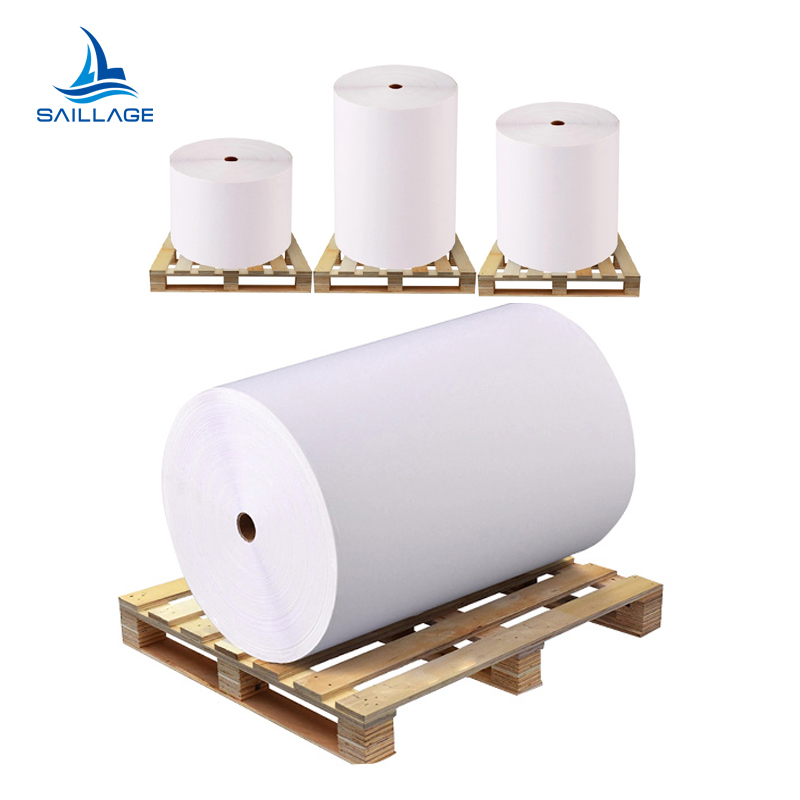
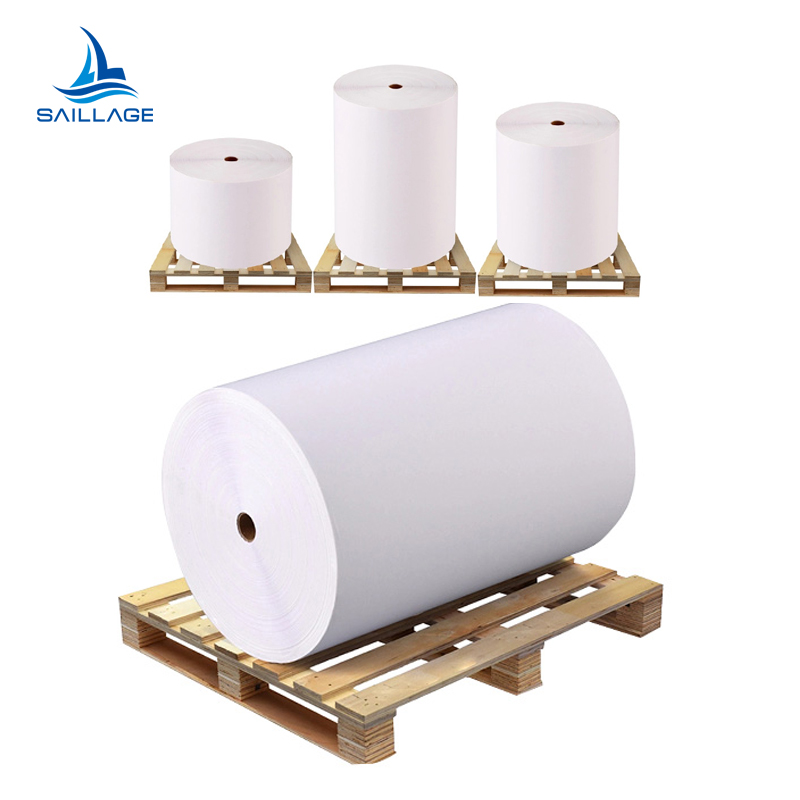
What Is BOPP Film? | Guide to Biaxially Oriented Polypropylene
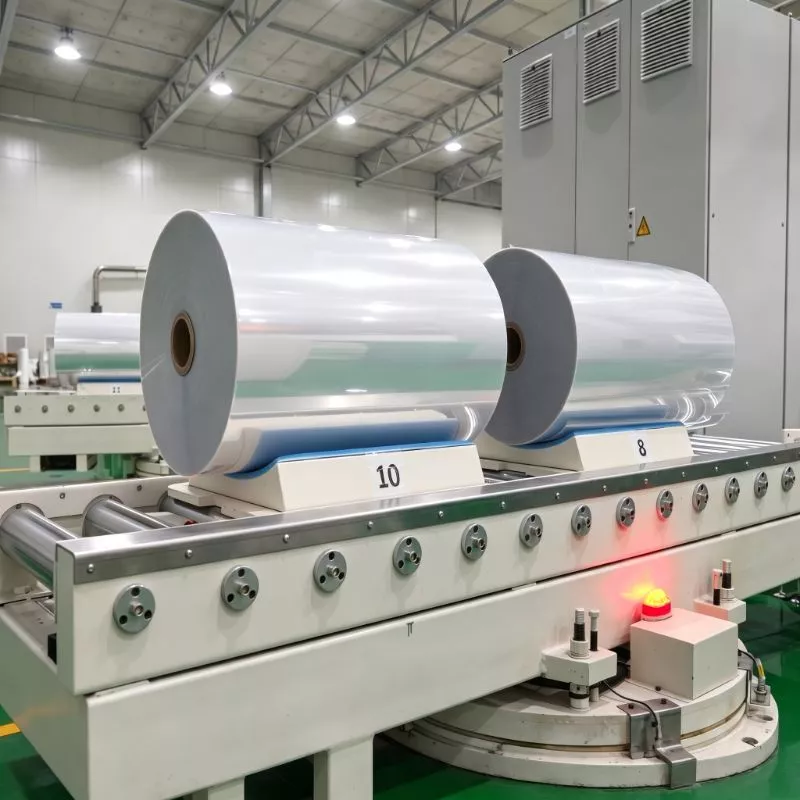
BOPP Film, short for Biaxially Oriented Polypropylene Film, is a plastic film produced by stretching polypropylene in both the machine and transverse directions. This controlled orientation gives the film a useful combination of strength, clarity and dimensional stability. BOPP film is widely used in flexible packaging, labels, lamination and a range of industrial applications.
For buyers, understanding what BOPP film is also means understanding its grade. A transparent wrapping film, a pearlised label facestock and a heat-sealable packaging film can all be BOPP, but their surfaces, structures and intended functions differ. The material name is the starting point; the finished film specification determines whether it will work on your line.

Key Takeaways
Material: BOPP is a form of polypropylene film, rather than a different polymer from PP.
Process: stretching in two directions changes the film's structure and performance.
Performance: clarity, stiffness, moisture resistance and printing behavior depend on the selected grade and surface treatment.
Application: packaging, labels and lamination need different combinations of appearance, sealability, barrier and converting properties.
BOPP Material and the Meaning of Biaxial Orientation
Polypropylene, usually abbreviated to PP, is the polymer used to make BOPP film. The word biaxially describes orientation in two directions: the machine direction, or MD, along the moving web; and the transverse direction, or TD, across its width. Stretching under controlled conditions aligns the polymer structure and helps develop the mechanical and optical properties required for conversion.
BOPP is therefore a type of PP film. It is not paper, even when a white or cavitated grade has a paper-like appearance. BOPP-based synthetic paper remains a polymer film whose opacity, density and surface finish have been engineered for a particular purpose.
PP can also be processed into other film forms. If you are comparing material names on supplier quotations, our PP vs BOPP film comparison explains the relationship between PP, BOPP and cast polypropylene, and how to make a meaningful selection.
How BOPP Film Is Manufactured
A typical sequential BOPP process begins with polypropylene resin, which is melted and formed into a sheet. After cooling, the sheet is reheated and stretched first along the machine direction and then across the web. Other orientation technologies exist, so the precise equipment arrangement depends on the production line.
The general sequence is:
1.Prepare the resin and film structure. Select the formulation and, where required, different layers for the intended film design.
2.Extrude and cool the sheet. Form a consistent base sheet before orientation.
3.Stretch in MD and TD. Control temperature and stretching conditions to develop the desired properties.
4.Stabilize and finish the film. Apply the appropriate heat-setting, surface treatment and winding conditions for the grade.
5.Convert for the application. Slit the film or carry out separate coating, metallization, printing or lamination operations as required.
Co-extrusion, coating, metallization and lamination describe different operations. A functional layer may be incorporated during extrusion, while other surface functions are added later. For example, vacuum metallization is a separate finishing process; it should not be confused with stretching the polypropylene itself.
Main Properties of BOPP Film
One of the main advantages of BOPP film is its combination of mechanical performance, appearance and moisture resistance. These characteristics help protect products and provide an attractive surface for packaging and labels. They must nevertheless be checked against the actual film grade, thickness and finished construction.
Strength, Stiffness and Dimensional Stability
Orientation helps a thin polypropylene web develop useful tensile strength and stiffness. These properties support handling, printing registration and converting. However, tensile strength is not the same as resistance to tear propagation, puncture or impact. A film that runs well through a wrapping machine may still need a different structure for a sharp-edged product or demanding distribution conditions.
Dimensional stability also has operating limits. Film tension, drying conditions and exposure to heat can influence web behavior. Use the supplier's grade-specific data and a representative line trial when the application is sensitive to curl, shrinkage or registration changes.
Clarity, Gloss and Opacity
Transparent BOPP film can provide good product visibility and a glossy surface. Matte grades reduce surface shine, while white and pearlised grades create an opaque background for graphics. These are different appearance options, rather than properties that every BOPP film possesses at the same time.
The required appearance should be specified along with the functional requirements. A clear window, an opaque label and a soft matte overwrap call for different optical characteristics even when they share the same polymer base.
Moisture Resistance and Barrier Performance
BOPP film is commonly selected for moisture-resistant packaging. A film's resistance to water vapor, however, should not be treated as an automatic guarantee of oxygen, aroma or light protection. Coatings, metallization and the other layers of a laminate can change the barrier performance substantially.
For a barrier-sensitive application, compare water vapor transmission rate, or WVTR, and oxygen transmission rate, or OTR, under matching test conditions. A general statement such as "high barrier BOPP" is not enough to establish a package's shelf-life performance. The seals, printing, lamination and finished pack must also suit the product.
Printability, Surface Treatment and Sealability
BOPP can provide a suitable base for printed graphics when its surface is matched to the ink and conversion process. Corona treatment, primers and print-receptive coatings serve different purposes. Untreated BOPP should not be assumed to work with every flexo, offset, inkjet or digital system.
Likewise, BOPP is not universally heat-sealable. Some grades are designed primarily for printing or lamination; others have sealable surface layers or coatings. Buyers should specify whether one or both surfaces must seal and evaluate the grade on the actual sealing equipment.

Types of BOPP Film and Their Uses
There are several types of BOPP film, including transparent, matte, pearlised and metallized varieties. Films can also be described by their surface treatment, coating, sealing function or application. These categories overlap: one product can be white, coated and designed for labels at the same time.
| Film description | Main selection question | Typical application direction |
|---|---|---|
| Transparent or plain BOPP | Is clarity or a base web for further conversion required? | Wrapping, printing and lamination |
| Matte BOPP | Is a low-gloss finish required, and what functional surface is needed? | Decorative packaging and matte laminates |
| White or pearlised BOPP | What opacity, density and print background are required? | Labels and decorative packaging |
| Coated or treated BOPP | Which ink, adhesive, barrier or sealing function must the surface support? | Printing, labeling and functional packaging |
| Metallized BOPP | What light and barrier performance must the finished structure achieve? | Barrier laminates and decorative constructions |
| Heat-sealable BOPP | Which side must seal, under what machine conditions? | Flexible packaging and overwrap applications |
On smaller screens, swipe horizontally to view all columns.
For a fuller classification, including the relationship between plain, coated, pearlised, labeling and graphic grades, see our guide to the different types of BOPP film.
Flexible Packaging and Overwrap
BOPP film is used in packaging for snacks, confectionery and other goods where appearance and stable conversion matter. Depending on the design, it may serve as a wrapping web, a printed outer layer or one part of a laminate. Product contact, sealing and barrier requirements determine the construction; the word BOPP alone does not establish food-contact compliance or package suitability.
Labels and Printing
Label grades can provide a clear no-label appearance, an opaque print background or a specialty surface. Pressure-sensitive labels, wrap-around labels and in-mold labels use different constructions and application methods. Selecting the film without considering printing, adhesive or application conditions can leave an otherwise suitable material poorly matched to the job.
Our BOPP label guide explains the differences between the film facestock and the complete label, and the checks needed before specifying a labeling material.
Lamination, Graphic and Industrial Uses
BOPP lamination film is used as part of constructions that protect printed surfaces or combine the properties of different materials. Surface finish, bonding and the rest of the laminate determine the result. A film described as suitable for lamination is not automatically a thermal-lamination product with an adhesive layer.
Other applications include flower wrapping, woven-bag laminates, courier-bag laminates and printable graphic materials. These uses illustrate BOPP's versatility, but they do not make every grade interchangeable.
Cost-Effectiveness and Material Efficiency
Another reason BOPP film is widely used is its potential to combine a lightweight web with practical converting performance. A well-matched grade can help control material consumption and support efficient printing, wrapping or labeling.
The meaningful comparison is the cost of the finished application, not simply the price per kilogram. Thickness, density, usable width, yield, coating, adhesive consumption, line efficiency and rejected material all affect the final cost. BOPP should therefore not be described as invariably cheaper than PET, PVC, paper or another packaging material.
When evaluating quotations, compare equivalent functions and ask how the film will behave in your process. A lower purchase price offers little benefit if it increases waste or requires an unsuitable combination of layers.
Sustainability and Recycling Considerations
Material efficiency and recycling are relevant to BOPP packaging, but they depend on the complete construction and the market in which it is used. A PP-based design may support a mono-material packaging strategy; coatings, inks, adhesives, metallization and other components still need to be assessed for that design.
Recyclability also depends on collection, sorting and recycling infrastructure. A BOPP film or label should not be described as universally recyclable, biodegradable or compostable solely because it is made from polypropylene. Select the material with the intended disposal route and the finished package in mind.
Frequently Asked Questions
What does BOPP stand for?
BOPP stands for Biaxially Oriented Polypropylene. It describes polypropylene film that has been stretched in both machine and transverse directions during manufacture.
Is BOPP film plastic or paper?
BOPP is a plastic film made from polypropylene. White, pearlised or synthetic-paper grades can have a paper-like appearance, but they are not conventional cellulose paper.
Are all BOPP films printable and heat-sealable?
No. Print compatibility depends on surface treatment or coating and the intended ink system. Heat sealability depends on the grade's functional layers or coatings. Both must be specified for the application.
What should a buyer specify before ordering BOPP film?
Specify the end use, film structure, appearance, dimensions, printing or laminating process, sealing needs and required technical documentation. Agree on any barrier or compliance requirements and qualify the proposed grade under representative production conditions.
Conclusion
BOPP film is a versatile polypropylene material whose value comes from controlled orientation and an application-specific film design. Its combination of strength, appearance, moisture resistance and converting options makes it useful across packaging, labeling and industrial markets.
Start with the required function, then match the film structure and surface to the process. That approach makes the definition of BOPP film useful in practice: it connects the material's underlying properties with the grade you actually need to purchase.




News & Events
learn more-
 Blog
Press Release Oct-09-2025
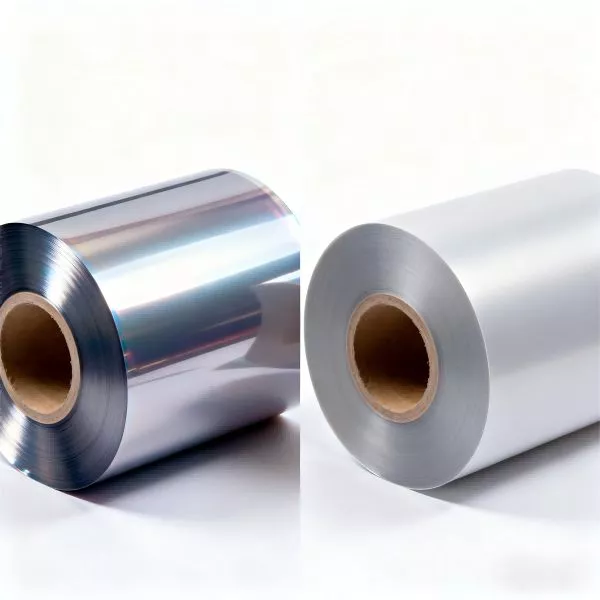
How BOPP Film Barrier Properties Are Tested: OTR, WVTR and What the Numbers Mean
Learn how BOPP film barrier properties are tested using OTR and WVTR, what the results mean, and how to compare metallized and high-barrier films. -
 Blog
Press Release Oct-09-2025
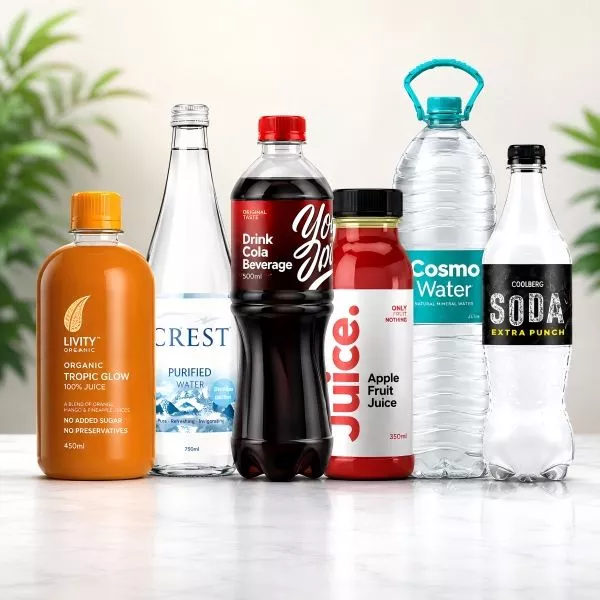
How to Choose a BOPP Label Film for Your Printing Process: Flexo, UV Inkjet, HP Indigo and Offset Compared
Compare BOPP label film requirements for flexo, UV inkjet, HP Indigo and offset printing, including coatings, adhesion, surface energy and converting. -
 Blog
Press Release Oct-09-2025
Shrink Film vs BOPP Overwrap | Packaging Film Guide
Compare shrink film, BOPP overwrap and PETG sleeve film for boxes, cosmetics and multipacks by shrink behavior, appearance, sealing and total cost.

contact
Tel: +86 17706217416
Add: Building L2A, No. 520, Lane 1588, Zhuguang Road, Hongqiao World Center, Qingpu District, Shanghai, China
follow us: